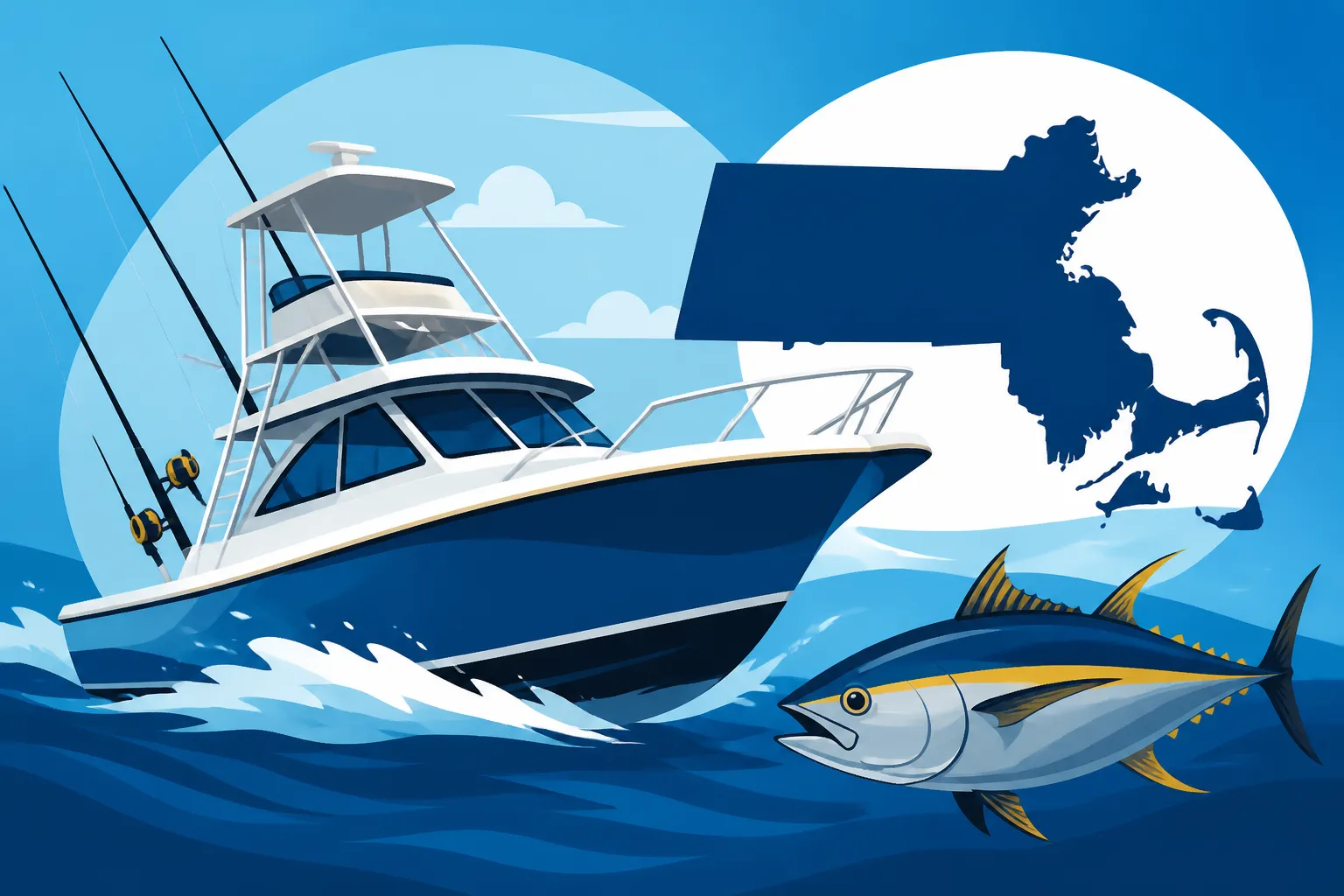
Type of boat used for tuna charters
Thinking about booking a bluefin tuna charter in Massachusetts, you might be imagining yourself out on the open ocean, the salty spray hitting your face, and the adrenaline pumping as you hook into a giant. But for many anglers, especially those new to offshore fishing, a big question often looms: what kind of boat will actually get you out there and keep you safe while you chase these incredible fish? This guide is here to shed light on the specialized vessels that make Massachusetts tuna charters possible, helping you understand what makes them perfect for the job.
Why Tuna Charters Demand Specialized Vessels
When you're talking about bluefin tuna fishing off the coast of Massachusetts, you're not just going for a casual cruise. You're heading into open ocean, often many miles offshore, battling potentially rough seas and targeting some of the most powerful fish in the ocean. This isn't a job for just any boat, and it's certainly not a job for a vessel that isn't specifically designed and equipped for such demanding conditions. The frustrations many anglers face before their trip often stem from not knowing if the boat is up to the task, or what to even look for. It's a valid concern, because your safety, comfort, and ultimately your success, hinge significantly on the boat itself.
The Rigors of Offshore Tuna Fishing
Offshore tuna fishing, particularly for the behemoth bluefin that frequent our waters, presents a unique set of challenges. Firstly, the sheer distance from shore means these boats need substantial fuel capacity and the ability to handle a wide range of sea conditions. A quick summer squall can turn calm waters into a choppy mess in minutes, and a reliable, seaworthy hull is non-negotiable. Secondly, the fish themselves are incredibly strong. Hooking into a bluefin often means a prolonged fight that can last hours, requiring a stable platform from which to battle the fish, and robust gear to withstand the strain. Thirdly, safety is paramount. Being miles out means self-sufficiency is key, and specialized boats carry extensive safety equipment that smaller, inshore vessels might not. Think about the logistics of chasing a 500-pound fish in a 2-foot chop – it's a completely different ball game than jigging for tautog in Buzzards Bay.
Essential Characteristics for a Tuna Charter Boat
So, what makes a boat truly suitable for chasing giant bluefin? It boils down to a combination of power, stability, range, and specialized outfitting. These boats need powerful engines – often multiple outboards or large diesels – to cover vast distances quickly and efficiently. Time is of the essence when following tuna migrations or getting to specific fishing grounds early. Stability is crucial for both comfort during long runs and for fighting a powerful fish without capsizing or rocking violently. Imagine trying to stay upright on a small boat while a huge tuna pulls you around! They also require ample deck space for multiple anglers, crew, and all the heavy-duty rods, reels, gaffs, and harpoons needed. Finally, specialized features like large fish boxes, livewells for bait, and advanced electronics are critical for finding and catching tuna. Without these specific attributes, a tuna charter would be an exercise in frustration, if not outright danger.
Common Types of Boats Used for Massachusetts Tuna Charters
When you're looking at Massachusetts Bluefin Tuna Charters, you'll notice a few distinct types of vessels that dominate the fleet. Each has its pros and cons, but they all share the fundamental characteristics necessary for offshore work. Understanding these types can help you better assess a charter when you're browsing options, perhaps on a platform like FishingBooker.
Sportfishing Yachts
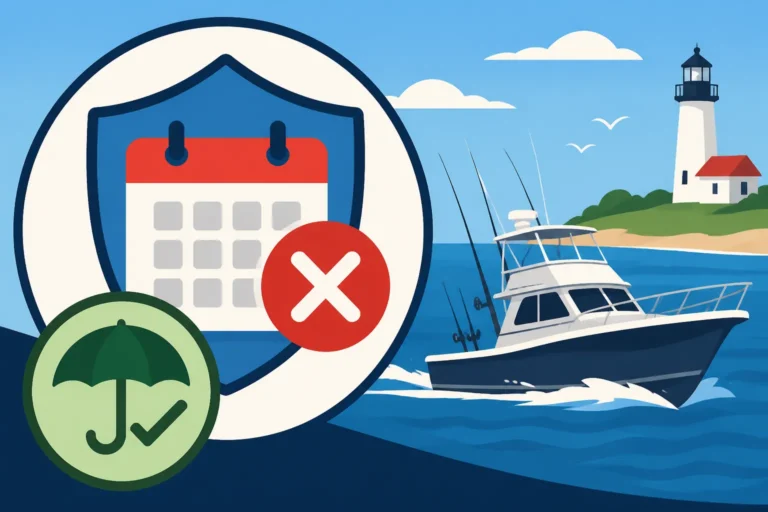
These are often the "dream boats" when people envision offshore fishing. Sportfishing yachts are typically larger vessels, ranging from 35 to 60 feet or even more, with enclosed cabins, multiple berths, and often amenities like a galley and head (bathroom). They are designed for serious offshore travel and comfort, making them ideal for long runs to distant canyons or multi-day trips. Their weight and hull design provide excellent stability in rough seas, and they usually boast powerful diesel engines for speed and endurance. The flybridge offers a high vantage point, crucial for spotting breaking fish or birds working over bait. Many serious tuna anglers gravitate towards charters operating these types of boats because they offer a blend of comfort, capability, and performance. You'll often find them equipped with massive outriggers, a tuna tower for even higher spotting, and expansive cockpits designed for fighting big fish. They are true offshore warriors, built to chase the biggest game fish.
Center Consoles
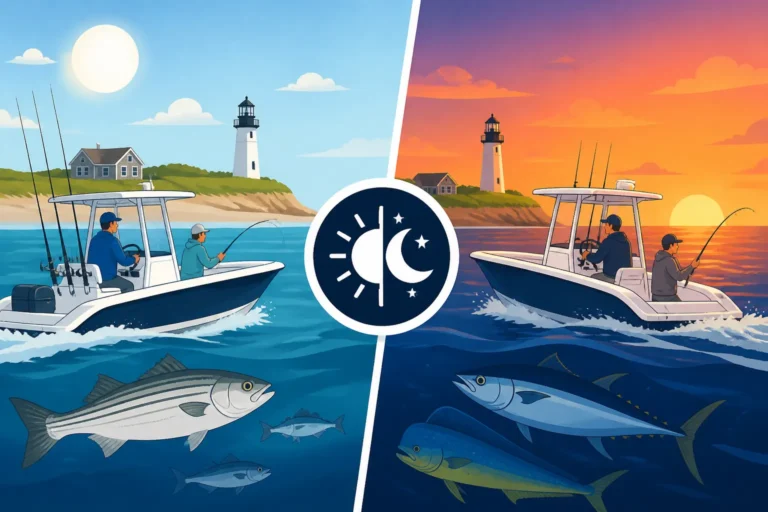
Center consoles are incredibly popular in Massachusetts for a wide variety of fishing, and many larger, well-equipped models are perfectly suited for tuna charters. These boats typically range from 25 to 45 feet, characterized by a central console containing the helm and controls, leaving open deck space around all sides. This design is fantastic for fishing, allowing multiple anglers to move freely around the boat to fight a fish from any angle. Modern center consoles are incredibly capable, with deep-V hulls that cut through chop, multiple powerful outboard engines (often three or four), and impressive speed. While they might lack the enclosed cabin luxuries of a sportfishing yacht, many offer T-tops or hardtops for sun protection and increasingly feature comfortable seating, private heads, and advanced electronics packages. Their versatility, speed, and open deck plan make them a favorite for many charter captains targeting tuna, especially for day trips or trips to closer offshore grounds. For their size, they pack a punch and are extremely agile, which can be an advantage when chasing fast-moving tuna schools.
Downeast Style Boats
The Downeast boat is a classic New England design, known for its robust construction, seaworthiness, and traditional lines. Originating from Maine, these boats are often characterized by a full keel, a deep forefoot, and a relatively wide beam, making them incredibly stable and capable in the often-snotty conditions of the North Atlantic. They typically have a semi-enclosed pilothouse forward, offering excellent protection from the elements, and a large, open cockpit aft for fishing. While not always as fast as a multi-outboard center console, their diesel powerplants offer reliable, efficient cruising, and their displacement hulls handle rough water with a smooth, predictable motion. Many Massachusetts charter captains appreciate the Downeast's workboat heritage, reliability, and ample deck space. They are particularly favored for their ability to provide a comfortable, dry ride even when the weather turns sour, and their deep keels track wonderfully in a beam sea. If you're looking for a charter that prioritizes stability and a classic maritime experience, a Downeast might be the perfect fit.
Key Features to Look for in a Tuna Charter Boat
Beyond the general type of vessel, the specific features and equipment on a tuna charter boat are what truly differentiate a serious offshore platform from a glorified pleasure cruiser. When you're spending your hard-earned money on a Massachusetts Bluefin Tuna Charter Cost, you want to ensure the boat is set up for success and safety. Many prospective anglers are curious about what gear they should expect, and rightly so.
Advanced Electronics and Navigation
In the vast expanse of the open ocean, advanced electronics are the eyes and ears of a tuna charter captain. You're looking for a boat equipped with state-of-the-art GPS chartplotters, high-definition fish finders (often with CHIRP technology for superior target separation), and radar. Radar is crucial for navigation in fog, identifying other vessels, and, sometimes, for spotting working birds at a distance. Satellite weather overlays are also incredibly important for staying ahead of sudden changes in conditions, which can be a lifeline when you're many miles offshore. A good captain relies heavily on these tools to locate bait schools, find temperature breaks where tuna congregate, and navigate safely to and from the fishing grounds. For example, a captain might use a powerful fish finder to mark schools of herring or mackerel, knowing that hungry bluefin are likely lurking nearby.
Robust Fishing Gear and Tackle Storage
Tuna fishing demands heavy-duty gear. A charter boat should have a full complement of rods and reels designed specifically for tuna, ranging from 50-pound class outfits for smaller bluefin to 130-pound class setups for the giants. Look for high-quality rods with strong guides and powerful conventional reels spooled with heavy braided line. The boat also needs ample, secure storage for all this gear, along with gaffs, harpoons, and flying gaffs. You'll want to see dedicated rod holders around the gunwales and often a fighting chair or stand-up harness attachments for battling larger fish. A boat that looks like it has been thoughtfully organized for fishing, with accessible but secure tackle storage, indicates a professional operation. This attention to detail can make a huge difference during the intensity of a tuna fight.
Safety Equipment and Comfort Features
Safety can never be overstated when you're on the open ocean. Reputable Massachusetts Bluefin Tuna Charters will have all necessary Coast Guard-mandated safety equipment and then some. This includes multiple life rafts (often EPIRBs or PLBs that automatically signal distress), an extensive first-aid kit, fire extinguishers, flares, and VHF radios for communication. Many also carry satellite phones for communication beyond VHF range. Beyond the bare minimum, comfort features play a big role in your overall experience, especially on longer trips. An enclosed head (toilet), comfortable seating, and perhaps a small galley area with a refrigerator are highly desirable. Access to fresh water for rinsing off salty hands or gear is also a nice touch. When considering a charter on a platform like FishingBooker, don't hesitate to ask about specific safety and comfort amenities. It’s important to know you'll be well-cared for, especially if you're out there on a Massachusetts Offshore Shark Fishing Charters trip that might also be targeting large game fish.
Comparing Boat Types for Tuna Charters
To help clarify the differences and advantages of each primary boat type for tuna charters in Massachusetts, here's a quick comparison. This might help you decide which kind of vessel best suits your preferences and expectations for a day on the water.
| Boat Type | Typical Length (feet) | Primary Power | Key Advantage | Best For | Considerations |
|---|---|---|---|---|---|
| Sportfishing Yacht | 35-60+ | Diesel Inboard | Comfort, stability, amenities, range | Long runs, multi-day trips, luxury experience | Higher cost, less agile for quick maneuvers |
| Center Console | 25-45 | Outboard (2-4 engines) | Speed, maneuverability, 360-degree fishing | Day trips, chasing tuna schools, versatile | Less protection from elements, fewer amenities |
| Downeast Boat | 30-50 | Diesel Inboard | Seaworthiness, stability, classic ride | Rough weather, traditional experience, ample deck | Slower than center consoles, can be less flashy |
Deciding Which Boat Type is Right for Your Trip
When you're trying to choose a charter, thinking about the type of boat is crucial for managing your expectations. Are you prone to seasickness and prioritizing a smooth ride and enclosed cabin amenities, even if it means a slightly higher cost? Then a sportfishing yacht or a larger Downeast might be ideal. If you're an avid angler who values being able to cast and fight a fish from any point on the boat, and speed to the fishing grounds is a priority, a center console could be your best bet.
Consider the duration of your trip. For a full-day or multi-day excursion, the comfort provided by a sportfishing yacht can be a game-changer. For shorter Half-Day vs Full-Day Cape Cod Charters focused purely on fishing action, a fast center console could be perfect for getting to the fish quickly. Also, think about the number of people in your group. While all these boats can accommodate several anglers, the layout of a center console often feels more spacious for fishing activities for How many people can go on a Cape Cod charter boat.
Ultimately, the best advice is to communicate directly with the charter captain or check detailed listings on sites like FishingBooker. They can provide specific details about their vessel, its amenities, and how it’s uniquely suited for tuna fishing in Massachusetts waters. Knowing the Best Month for Bluefin Tuna Charters off Massachusetts might also influence your choice, as some months can bring choppier seas, making a more stable platform more appealing.
Choosing the right boat for your Massachusetts tuna charter isn't just about aesthetics; it's about ensuring a safe, comfortable, and ultimately successful fishing adventure. Whether it's the sleek power of a sportfishing yacht, the open versatility of a center console, or the rugged charm of a Downeast, each vessel brings something unique to the table for tackling the mighty bluefin. By understanding these differences and prioritizing what matters most to you, you'll be well on your way to booking an unforgettable trip chasing these incredible fish.
Disclaimer
This article is for general informational purposes only and does not constitute professional advice. Laws, prices and regulations vary by location and change over time. Consult a qualified professional for guidance on your specific situation.