Miles offshore for bluefin tuna fishing near Cape Cod
Oh, the allure of bluefin tuna! If you've ever dreamt of battling one of these magnificent giants, you know the feeling. The sheer power, the incredible size, and the challenge they present are truly unmatched in Massachusetts waters. But if you're standing on the shores of Cape Cod, looking out at the vast Atlantic, you're probably wondering: just how far out do I actually need to go to find these elusive, massive fish? It's a common and very valid question, because unlike striped bass or bluefish that might cruise closer to shore, bluefin tuna are often found in very specific, offshore feeding grounds, and getting there is a journey in itself. This guide will walk you through the typical distances, factors, and realities of chasing bluefin tuna off Cape Cod.
The Dynamic World of Bluefin Tuna Near Cape Cod
Let's be real, bluefin tuna aren't exactly hanging out in Nantucket Sound for a casual chat. These are highly migratory, pelagic fish, meaning they live in the open ocean and cover vast distances. Their movements are largely dictated by water temperature, bait availability, and their own spawning cycles. When they come near Cape Cod, it's primarily to feed on the incredibly rich bounty of baitfish that congregate in our offshore waters.
Think of it like this: Cape Cod is a massive natural barrier that creates incredible current breaks, upwellings, and bait concentrations. The waters off the Outer Cape, the shoals east of Nantucket, and the banks south of Martha's Vineyard become a giant buffet for tuna, especially during the warmer months. These areas are teeming with mackerel, herring, sand eels, and most importantly, vast schools of pogies (menhaden) and squid. When you're targeting bluefin, you're not just looking for tuna; you're looking for the entire ecosystem that supports them. They aren't in fixed locations; they're constantly on the move, chasing their food. This constant pursuit means you, the angler, also need to be prepared to cover some serious distance to get to where the action is. It's an adventure, to say the least, and certainly not a leisurely paddle just beyond the waves.
Typical Distances to Bluefin Tuna Grounds from Cape Cod
When you're launching from a Cape Cod port – be it Barnstable, Falmouth, Harwich, Chatham, or even further up in places like Gloucester or Plymouth (though the query specifies Cape Cod, so we'll focus there) – getting to the bluefin grounds typically means a significant run. You're not just heading out a few miles; you're often looking at a trip that will take your vessel well past the sight of land, out into the deep blue.
For smaller, more "recreational" size bluefin (often called "schoolies" or "footsball" tuna, though they can still be over 100 pounds!), you might find them anywhere from 10 to 30 miles offshore. These fish often follow bait schools closer to the major structure of the Cape, sometimes even popping up unexpectedly closer to shore if a strong bait push occurs. However, these closer encounters are often hit-or-miss and depend heavily on specific conditions. You might stumble upon them chasing mackerel near Stellwagen Bank, which is a fantastic fishing ground in itself, but still a solid run from many Cape Cod ports.
When we talk about the bigger, more sought-after giant bluefin tuna, that's where the distances really stretch out. These magnificent beasts typically hold court in areas like the Northeast Canyons, the offshore banks east of Chatham, or further south towards the continental shelf. We're talking distances ranging from 40 to 100+ miles offshore. These are serious offshore trips that require specialized boats, experienced captains, and a full day (or even multi-day) commitment. For instance, the famous "Tuna Alley" or the waters around Cox's Ledge and the numerous canyons can be a good 60-80 miles or more from a Cape Cod port. This isn't a quick jaunt; it's an expedition.
| Departure Point (Cape Cod) | Target Area (General) | Approximate Distance (One Way) | Typical Tuna Size |
|---|---|---|---|
| Provincetown / Truro | Stellwagen Bank | 10 – 20 miles | Schoolie/Footsball |
| Chatham / Harwich | Offshore Banks (East) | 30 – 60 miles | Schoolie to Giant |
| Falmouth / Hyannis | Cox's Ledge | 50 – 80 miles | Schoolie to Giant |
| Throughout Cape Cod | Canyons | 70 – 100+ miles | Giant Tuna |
These distances aren't just about covering ground; they're about being prepared for what lies out there. Offshore fishing means encountering different weather, larger swells, and conditions that can change quickly. That's why booking a reputable charter, easily found on platforms like FishingBooker, is often the best way to safely and effectively chase these fish. You can find excellent Massachusetts Bluefin Tuna Charters that specialize in these long-distance runs.
Factors Influencing the Offshore Trek
It's never as simple as "go X miles out." The precise distance you'll travel to find bluefin tuna is a moving target, influenced by several critical factors. A good captain is constantly evaluating these variables to put you on the fish.
The Ever-Elusive Baitfish and Forage
Tuna go where the food is. It's the golden rule of fishing. If there's a huge school of mackerel, herring, or squid that has pushed closer to the continental shelf, that's where the tuna will be. Conversely, if a massive biomass of bait is holding further offshore in warmer waters, the tuna will follow. This means that a good captain, whether you're using a service like FishingBooker to book a trip or talking to local experts, will spend considerable time not just looking for tuna, but for the signs of bait—bird activity, schools showing on sonar, or even reports from other boats.
Sometimes, early in the season, you might find tuna closer in if there's an early push of mackerel. But typically, as the season progresses and the waters warm, the larger bait concentrations, and thus the larger tuna, move to the deeper, more nutrient-rich offshore banks and canyons. This pursuit of bait is a primary driver of how many miles you'll ultimately log on your journey.
Water Temperature and Oceanographic Features
Bluefin tuna are highly sensitive to water temperature. They prefer specific thermal ranges, often congregating along "thermal breaks" where warm and cold water currents meet. These breaks can create upwellings that bring nutrient-rich water to the surface, attracting bait, which in turn attracts tuna. Satellite imagery showing sea surface temperatures (SST) and chlorophyll concentrations (indicating baitfish presence) is a vital tool for offshore captains.
Oceanographic features like eddies, currents, and even the topography of the seafloor (underwater canyons, ledges, and seamounts) also play a huge role. These structures disrupt currents and create ideal conditions for bait aggregation and ambush points for tuna. The infamous canyons off the Northeast coast are prime examples of such features, attracting not just bluefin but a whole host of pelagic species. Understanding these subtle shifts in the marine environment is key to minimizing unproductive travel and maximizing your time fishing. For a detailed look at when these giants are most active, you might want to check out Best Month for Bluefin Tuna Charters off Massachusetts.
Time of Year and Seasonality
The bluefin tuna season off Massachusetts isn't a static thing; it evolves. While you can find tuna at various times, the specific patterns and locations change. Early season, perhaps late May into June, you might find some smaller tuna closer to shore, sometimes even in Cape Cod Bay, chasing herring. However, the prime giant bluefin season often kicks into high gear from mid-July through October, sometimes even into November, depending on bait and weather.
During peak season, the larger tuna are typically further offshore, having completed their spawning migrations and now focused on feeding heavily before their next journey. This means those longer runs to the canyons or distant banks become more common. Conversely, as the water cools in the late fall, some tuna might stage closer to shore as they begin their southern migration, but these opportunities can be fleeting. Knowing the Bluefin Tuna Charter Season Out of Boston, Massachusetts can give you a good idea of what to expect seasonally, even when departing from Cape Cod.
The Reality of an Offshore Bluefin Tuna Trip
Embarking on a bluefin tuna trip from Cape Cod isn't just a fishing trip; it's an adventure into the open ocean. It requires preparation, stamina, and a realistic understanding of what the journey entails.
The Early Start and the Long Ride Out
Get ready for an early alarm clock! Most offshore tuna charters depart well before dawn. This isn't just to beat other boats to the fishing grounds, but to maximize daylight hours for fishing, given the long travel times. You'll likely be heading out of the harbor in the dark, watching the sunrise paint the sky as you motor out past the Cape's familiar landmarks.
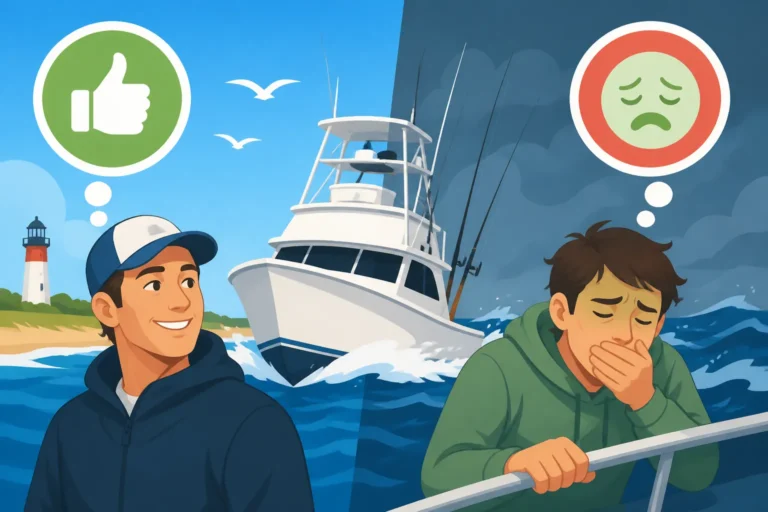
The ride out can be anywhere from 2 to 5 hours, sometimes more, depending on the captain's intel and the specific grounds he plans to fish that day. It's a journey that can take you beyond cell service, beyond the sight of land, and truly into the wild. The ocean can be calm and glassy, or it can be a washing machine, so preparing for potentially rough seas is a must. Many anglers find the run itself to be part of the adventure, watching for whales, dolphins, and seabirds, all indicators of a healthy marine environment. For those wondering about the conditions, reading about How rough the water gets on tuna charters can provide some insight.
What to Expect on the Fishing Grounds
Once you reach the bluefin grounds, the fishing can involve various techniques. It might be trolling a spread of lures or natural baits, especially for larger fish. It could involve chunking, where the boat drifts and the crew continually throws cut bait into the water to create a scent trail, drawing tuna closer. Sometimes, it's a game of looking for crashing birds and busting fish, then speeding over to cast jigs or poppers into the fray.
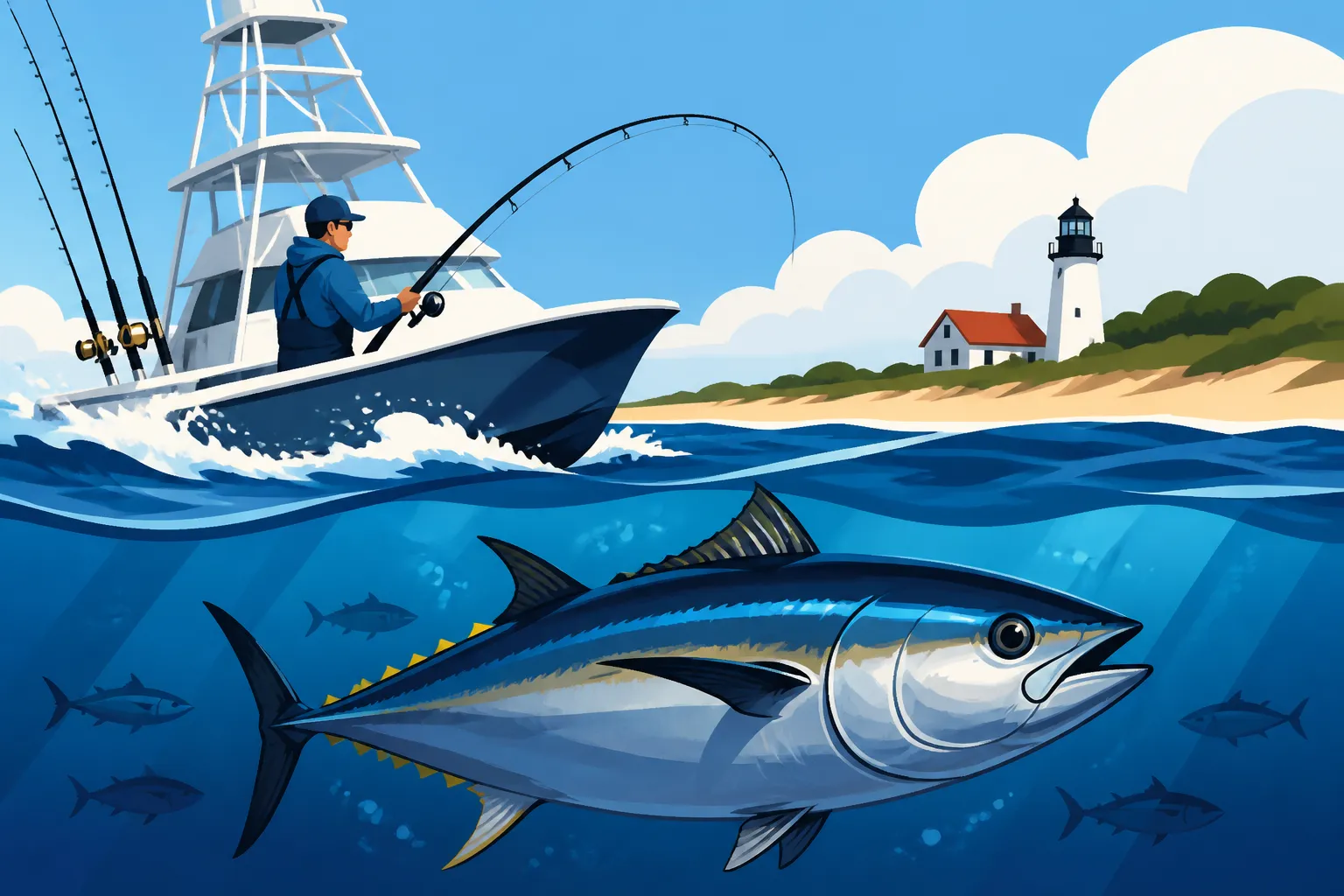
The fight itself is legendary. Bluefin tuna are incredibly powerful, capable of long, blistering runs that test both angler and tackle to their limits. A single fight can last minutes for smaller fish, or hours for a true giant, turning the deck into a scene of intense concentration and teamwork. You'll likely encounter other species as well, from sharks to white marlin, making every offshore trip a diverse experience. For more on the techniques, check out Bluefin Tuna Fishing Techniques Near Cape Cod. And if you're curious about what these magnificent creatures are capable of, you can learn How big bluefin tuna get off Cape Cod.
Choosing Your Offshore Experience Wisely
Given the distances and the intensity of bluefin tuna fishing, choosing the right charter is paramount. You want a captain with a proven track record, a safe and well-maintained vessel, and all the necessary offshore safety equipment. Platforms like FishingBooker allow you to browse reputable charters, read reviews, and find captains who specialize in giant bluefin.
Don't be afraid to ask questions about their typical fishing grounds, what to bring, and what their policies are regarding fish handling (most giant bluefin are released or kept under strict regulations). Understand that these trips are an investment, both in terms of time and money, so managing expectations is key. It's not always about landing a tuna; sometimes, it's about the entire experience of being out on the vast Atlantic, chasing one of its most incredible inhabitants. For first-timers, checking What to bring on a Massachusetts Fishing Charter is always a good idea, as is knowing Is Tipping Expected on a Massachusetts Fishing Charter?. And if you're thinking of going with friends, you might wonder Whether you can split the cost of a charter with friends or Whether charters require a deposit to book.
The pursuit of bluefin tuna off Cape Cod is an epic journey, one that takes you many miles offshore into truly wild waters. It’s challenging, exhilarating, and for many, the ultimate fishing experience.
Disclaimer
This article is for general informational purposes only and does not constitute professional advice. Laws, prices and regulations vary by location and change over time. Consult a qualified professional for guidance on your specific situation.