Difference between inshore and offshore charters
For many folks dreaming of a day out on the water in Massachusetts, the world of fishing charters can feel a little daunting. You know you want to catch fish, but the terms "inshore" and "offshore" can be confusing, making it hard to decide what kind of adventure is right for you, your friends, or your family. This guide is here to clear up that confusion, diving deep into the distinct characteristics of inshore and offshore fishing charters in our beautiful Bay State so you can book your ideal trip with confidence.
Understanding Inshore Charters in Massachusetts
When we talk about inshore charters here in Massachusetts, we're generally referring to fishing trips that stick relatively close to the coastline. These aren't just trips for beginners, though they are wonderfully accessible; they offer incredible action and variety for seasoned anglers too. Think of it as exploring the rich tapestry of our coastal waters without venturing far into the deep blue unknown.
The Waters They Cover
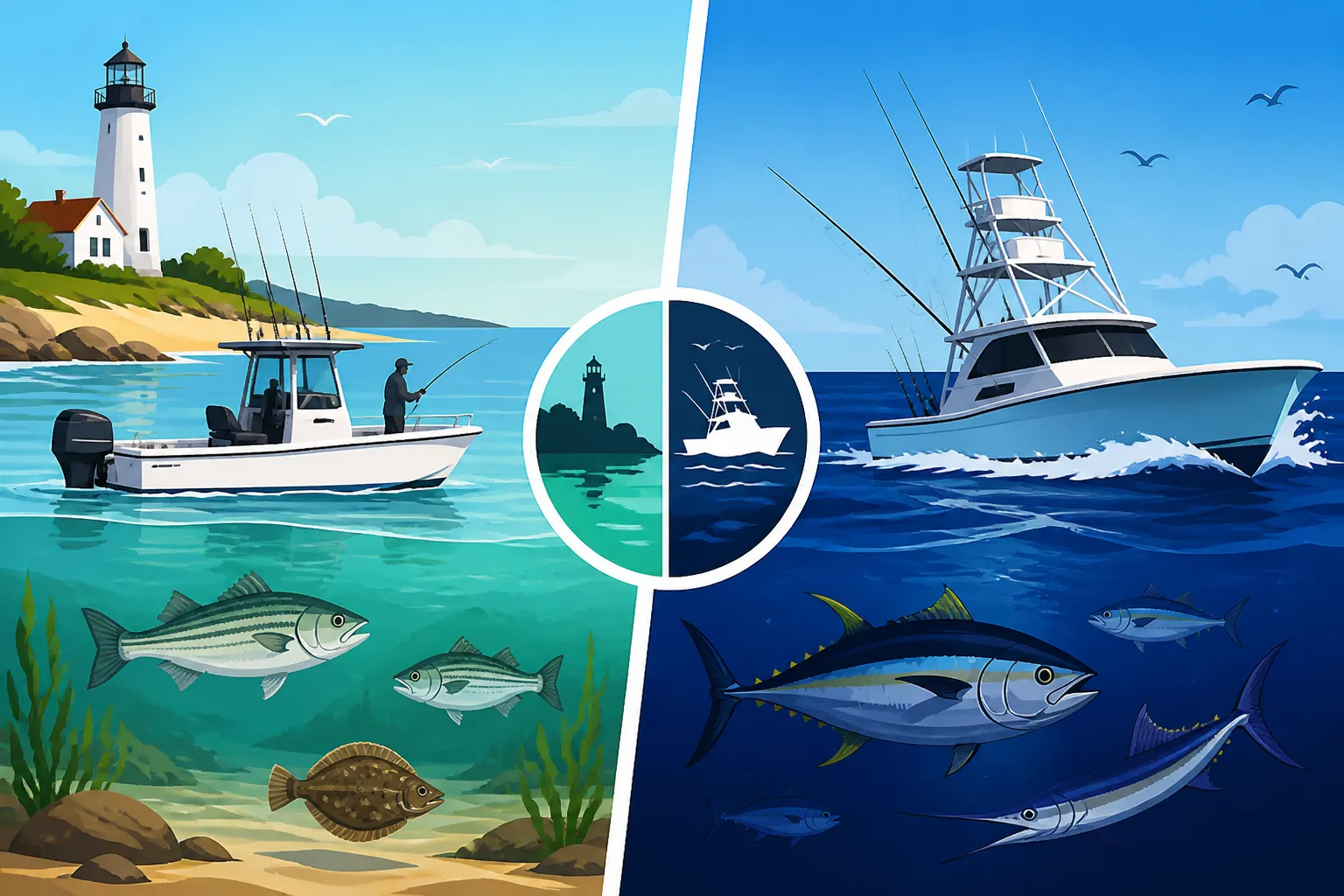
Inshore charters typically operate within sight of land, or at least close enough that the coastline is a familiar presence. This includes the vast network of bays, estuaries, and shallow coastal areas that make Massachusetts a prime fishing destination. We're talking about places like the expansive flats of Cape Cod Bay, the bustling waters of Boston Harbor, the productive rocky shores of Buzzards Bay, and the protected coves and river mouths found all along our coast. These areas are characterized by shallower depths, often ranging from just a few feet to perhaps 100 feet at most, and are heavily influenced by tides, currents, and bottom structure like ledges, reefs, and mussel beds.
Captains running inshore trips possess an intimate knowledge of these specific local waters. They know where the baitfish congregate, where the structure holds larger predators, and how the tides affect fish behavior. They might take you right up to a marsh creek mouth on a rising tide to intercept migrating striped bass, or motor you over to a rocky shoal known for holding big tautog. The accessibility and varied environment make inshore fishing a dynamic and engaging experience.
Typical Trip Duration and Cost Shape
One of the most appealing aspects of inshore charters for many anglers, especially families or those new to fishing, is their typical duration. Most inshore trips are offered as half-day (around 4 hours) or three-quarter day (around 6 hours) excursions. This shorter timeframe is perfect for a morning or afternoon outing, allowing you to get a great fishing experience without committing an entire day. It's also less demanding physically and mentally, making it an excellent option for children or anyone prone to seasickness.
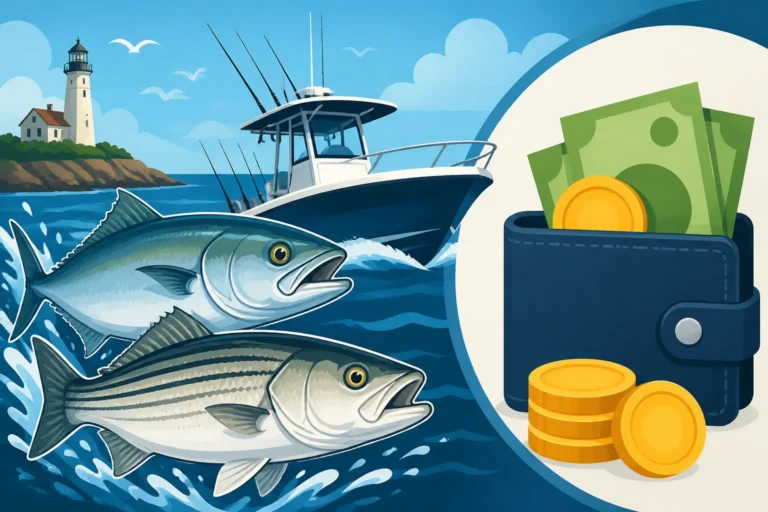
The financial commitment for an inshore charter also tends to be more approachable than for offshore expeditions. While exact prices vary widely depending on the boat, captain's experience, and amenities, inshore trips generally represent a more budget-friendly option. This is largely due to reduced fuel consumption, less specialized (and therefore less expensive) gear, and shorter operational hours. You're paying for local expertise and a fantastic fishing opportunity close to shore, without the overhead associated with deep-sea voyages. For a clearer idea of what you might expect, you can definitely explore Massachusetts Fishing Charter Costs to help plan your adventure.
Equipment and Techniques Used
Inshore fishing relies on a versatile range of tackle and techniques, perfectly suited for the species and environments encountered. You'll typically find charters equipped with medium to medium-heavy spinning rods and baitcasting setups, often spooled with braided line that offers sensitivity and strength. This lighter tackle makes fighting inshore species like striped bass and bluefish incredibly exciting and allows for a more hands-on feel.
Techniques are equally varied. Live baiting with eels, mackerel, or pogies is a common and highly effective method for targeting larger striped bass, especially around structure or in strong currents like those found in the Cape Cod Canal Fishing Guide for Massachusetts Anglers. Casting artificial lures such as soft plastics, topwater plugs, or metal jigs is also popular, allowing anglers to actively search for fish and enjoy the thrill of a visible strike. Light trolling, where lures or baits are pulled behind the boat at a slow speed, can also be employed to cover ground and locate schools of fish. Inshore charters are often a great way to learn new techniques or refine existing ones, as captains are usually keen to share their knowledge and tips.
Exploring Offshore Charters from Massachusetts
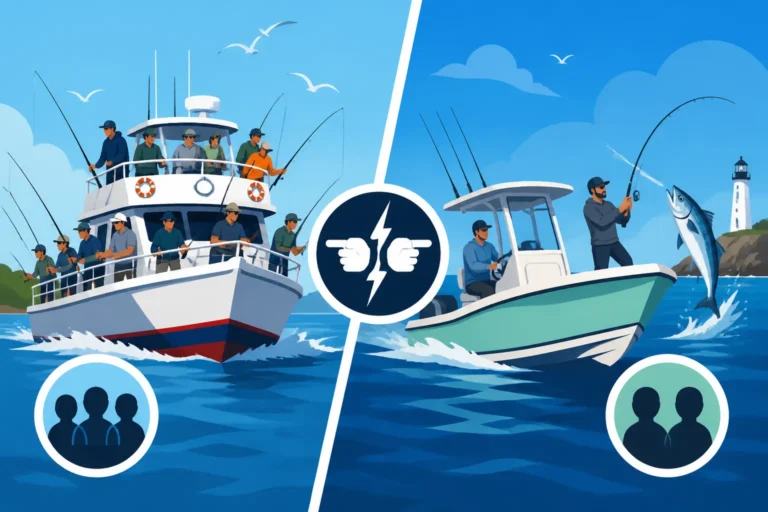
Now, let's talk about heading out there. Offshore charters are a different beast entirely, designed for those who want to chase the true giants of the ocean and experience a deep-sea adventure. This is where the horizon stretches endlessly, and the fish are often measured in triple digits.
Venturing into Deeper Waters
Offshore charters from Massachusetts push beyond the coastal confines, venturing miles, sometimes even dozens of miles, out into the open Atlantic. These trips target specific deep-water structures, known fishing grounds, and temperature breaks far from the sight of land. Prime locations include the renowned Stellwagen Bank, a vast underwater plateau rich with marine life, or deeper canyons and ledges that drop off dramatically into thousands of feet of water. These areas are often teeming with baitfish, drawing in powerful pelagic predators.
Because of the distance and potential sea conditions, offshore charters require larger, more robust vessels designed to handle open ocean swells. These boats are typically equipped with advanced navigation and fish-finding electronics, essential for locating fish in such vast expanses. The journey itself can be a significant part of the experience, offering breathtaking views of the endless ocean and the chance to spot whales, dolphins, and various seabirds.
Trip Length and Investment
As you might imagine, a trip far offshore isn't a quick jaunt. Offshore charters are typically full-day affairs, often lasting 10 to 12 hours, and some specialized tuna or canyon trips can even extend to overnight excursions of 24 hours or more. This extended time on the water is necessary to reach distant fishing grounds, spend ample time targeting specific species, and make the long run back to port. It's an immersive experience that requires a significant time commitment.
The financial investment for an offshore charter is also considerably higher than for an inshore trip. This isn't just about the captain's time; it's about the substantial fuel costs associated with traveling long distances at sea, the maintenance of larger, more complex vessels, and the specialized, heavy-duty tackle required for battling powerful offshore species. While it's a greater expense, many anglers consider it a worthwhile investment for the chance to hook into a fish of a lifetime. If you're looking into specific types of trips, you can find more details in guides like Massachusetts Bluefin Tuna Charters or Massachusetts Deep Sea Fishing Charters.
Specialized Gear and Fishing Methods
Offshore fishing demands a whole different class of equipment. Forget the light spinning rods; here, you'll be using heavy-duty conventional tackle, often stand-up gear designed to withstand the immense power of fish like tuna and sharks. Reels are larger, spooled with incredibly strong braided or monofilament lines, and rods are built for serious lifting power. Everything from the hooks to the swivels to the leader material is scaled up to handle fish that can weigh hundreds of pounds and fight with incredible strength and endurance.
The fishing methods are also specialized. Trolling is a very common technique for bluefin tuna, involving pulling multiple large lures or baits behind the boat at specific speeds to cover vast areas and entice strikes. Chunking, where baitfish are cut into pieces and dispersed to create a scent trail, is another effective method, often used for tuna or sharks. Jigging with heavy metal jigs can also be productive when fish are located on sonar, and some advanced techniques even involve kite fishing to present baits high above the water. Offshore captains are masters of these highly specialized techniques, using their experience and equipment to put you on big fish.
Key Differences: A Side-by-Side Comparison
To truly grasp the distinction between inshore and offshore charters, it's helpful to look at their core differences side by side. It's not just about how far you go, but the entire fishing ecosystem and experience.
Experience and Physical Demands
The overall experience and physical demands of these two types of charters diverge significantly. Inshore fishing is generally a more relaxed affair. The waters are typically calmer, reducing the likelihood of seasickness. It's an excellent choice for beginners, families with young children, or those who prefer a more leisurely pace while still enjoying plenty of fishing action. The fights with inshore species, while exciting, are usually less physically taxing, making it enjoyable for a wider range of ages and fitness levels.
Offshore fishing, on the other hand, is an entirely different beast. The open ocean can be unpredictable, and even on a calm day, there's always a swell. Seasickness can be a real concern, and anglers often take preventative measures. Fighting a large bluefin tuna or shark can be an incredibly intense, hours-long battle that tests your stamina, strength, and resolve. It's an adrenaline-fueled challenge that appeals to serious anglers looking for a true big-game experience. If you're looking for an unforgettable trip for a group of avid anglers, check out How Many People Can Join a Massachusetts Charter to ensure you have enough spots.
Target Species and Fishing Style
The fish you'll be targeting are perhaps the most defining difference between inshore and offshore trips. Each environment attracts a unique set of species, dictating the fishing style and excitement.
Inshore anglers will primarily pursue:
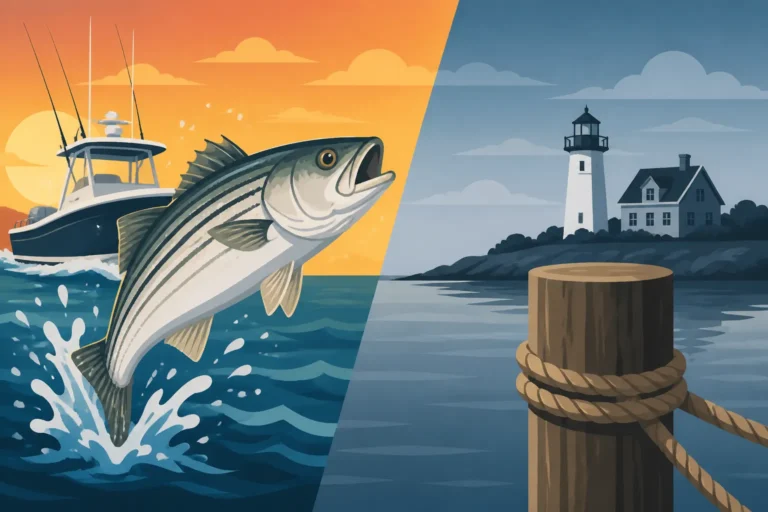
- Striped Bass: The king of our inshore waters, known for powerful runs and explosive topwater strikes. You'll find a wealth of information in Striped Bass Fishing in Massachusetts.
- Bluefish: Aggressive, hard-fighting, and sharp-toothed, bluefish offer non-stop action.
- Tautog (Blackfish): Found around rocky structure, these bottom dwellers are strong pullers and delicious to eat.
- Fluke (Summer Flounder): A popular bottom fish, known for its flat profile and ambush attacks on bait.
- Scup (Porgy): Abundant and tasty panfish, excellent for light tackle fun.
Offshore anglers aim for true pelagic monsters and deep-water species:
- Bluefin Tuna: The ultimate prize, these powerful migratory fish can weigh hundreds of pounds and offer legendary battles. You'll want to read up on Bluefin Tuna Fishing off Massachusetts.
- Yellowfin Tuna: Another hard-fighting tuna species, prized for its speed and culinary value.
- Mako and Thresher Sharks: Apex predators that provide thrilling sport fishing opportunities.
- Cod and Haddock: Though less common on dedicated tuna trips, these groundfish can be targeted in specific offshore bottom fishing excursions.
Here's a quick comparison table to summarize the distinctions:
| Feature | Inshore Charter | Offshore Charter |
|---|---|---|
| Location | Bays, estuaries, harbors, nearshore reefs | Open ocean, canyons, banks (e.g., Stellwagen) |
| Distance from Shore | Within sight of land, up to a few miles | Miles to dozens of miles offshore, out of sight of land |
| Water Depth | Shallow to moderate (tens of feet) | Deep to very deep (hundreds to thousands of feet) |
| Typical Duration | Half-day (4 hrs), 3/4 day (6 hrs) | Full-day (10-12+ hrs), extended, or overnight |
| Cost Shape | Generally more affordable | Significantly higher investment |
| Target Species | Striped Bass, Bluefish, Tautog, Fluke, Scup | Bluefin Tuna, Yellowfin Tuna, Sharks, Cod, Haddock |
| Tackle Used | Medium to medium-heavy spinning/baitcasting | Heavy conventional tackle, stand-up gear |
| Boat Size | Smaller to medium-sized center consoles/cuddy cabins | Larger, more robust sportfishing yachts |
| Physical Demands | More relaxed, suitable for all ages | More demanding, battles can last hours |
| Seasickness Risk | Lower | Higher |
Planning Your Trip: What to Consider
When you're trying to decide which type of charter is best for you, there are a few critical factors to weigh. First and foremost, consider your budget. Offshore trips are a significant investment, so be realistic about what you're willing to spend. Second, think about your time commitment. Do you have a full day (or more) to dedicate to fishing, or would a shorter trip better fit your schedule?
Your experience level and tolerance for rough seas are also crucial. If you're a novice angler or susceptible to seasickness, an inshore trip will likely provide a much more enjoyable experience. For seasoned veterans craving a challenge and accustomed to open water, offshore is where the real adventure lies. Finally, consider your desired catch. Are you dreaming of a monster tuna, or would you be thrilled with a cooler full of fresh striped bass and tautog?
When you're ready to start looking, platforms like FishingBooker are incredibly helpful. You can easily filter by location, target species, and trip type (inshore vs. offshore), and read reviews from other anglers to find the perfect match. This makes comparing options, captains, and vessels much simpler. Remember, you'll also need to be aware of Massachusetts Recreational Fishing Rules and Bag Limits for whatever species you target.
Choosing the Right Charter for You
Ultimately, the "right" charter isn't about one being inherently better than the other; it's about matching the experience to your expectations, preferences, and preparedness. Massachusetts offers incredible opportunities for both inshore and offshore angling, each promising a memorable day on the water.
Family Fun vs. Big Game Thrills
If your primary goal is a fun, relaxed outing with family or friends, especially if children or less experienced anglers are involved, an inshore charter is probably your best bet. These trips offer plenty of action on accessible species, usually in calmer waters, and are typically shorter and more affordable. They provide a fantastic introduction to fishing and a wonderful way to enjoy the beauty of the Massachusetts coastline. Think about how much fun it would be for the kids to reel in their first legal striped bass or bluefish! You can explore options like Family-Friendly Fishing Charters in Massachusetts to find trips specifically geared towards a fantastic family day.
However, if you're an avid angler seeking a significant challenge, the thrill of battling a true leviathan, and an adventure far from land, then an offshore charter is calling your name. These trips are for those who dream of big fish, are prepared for the physical demands, and relish the unpredictable nature of the open ocean. It's an investment in an unforgettable, adrenaline-pumping experience that few other fishing trips can match. If you're pondering a charter versus a party boat, which is a different experience altogether, you might want to look at Choosing Between a Charter and a Party Boat.
Local Knowledge and Booking Resources
Regardless of whether you choose an inshore or offshore adventure, the captain's local knowledge is paramount. An experienced Massachusetts charter captain will know the intricate currents of the Cape Cod Canal for striped bass, or the precise coordinates of an offshore humps where bluefin tuna are feasting. They understand the patterns of the fish, the nuances of the tides, and the ever-changing conditions of our waters. Always seek out captains with a proven track record and excellent communication. Websites like FishingBooker allow you to browse reputable captains, read detailed descriptions of their trips, and see what past clients have to say, which is an invaluable resource when planning your trip.
Don't forget the practicalities! Make sure everyone in your party understands the Massachusetts Saltwater Recreational Fishing Permit Explained requirements, as almost all adults will need one for saltwater fishing, whether inshore or offshore. Also, review What to Bring on a Massachusetts Fishing Charter to ensure you're prepared for your day on the water, no matter where you're heading. Booking directly through a platform like FishingBooker often streamlines the process, allowing you to secure your date and get all your questions answered well in advance.
Massachusetts truly offers an angler's paradise, from its sheltered bays to its deep ocean canyons. Understanding the difference between inshore and offshore charters is the first step in unlocking the perfect fishing adventure for you. Tight lines!
Disclaimer
This article is for general informational purposes only and does not constitute professional advice. Laws, prices and regulations vary by location and change over time. Consult a qualified professional for guidance on your specific situation.