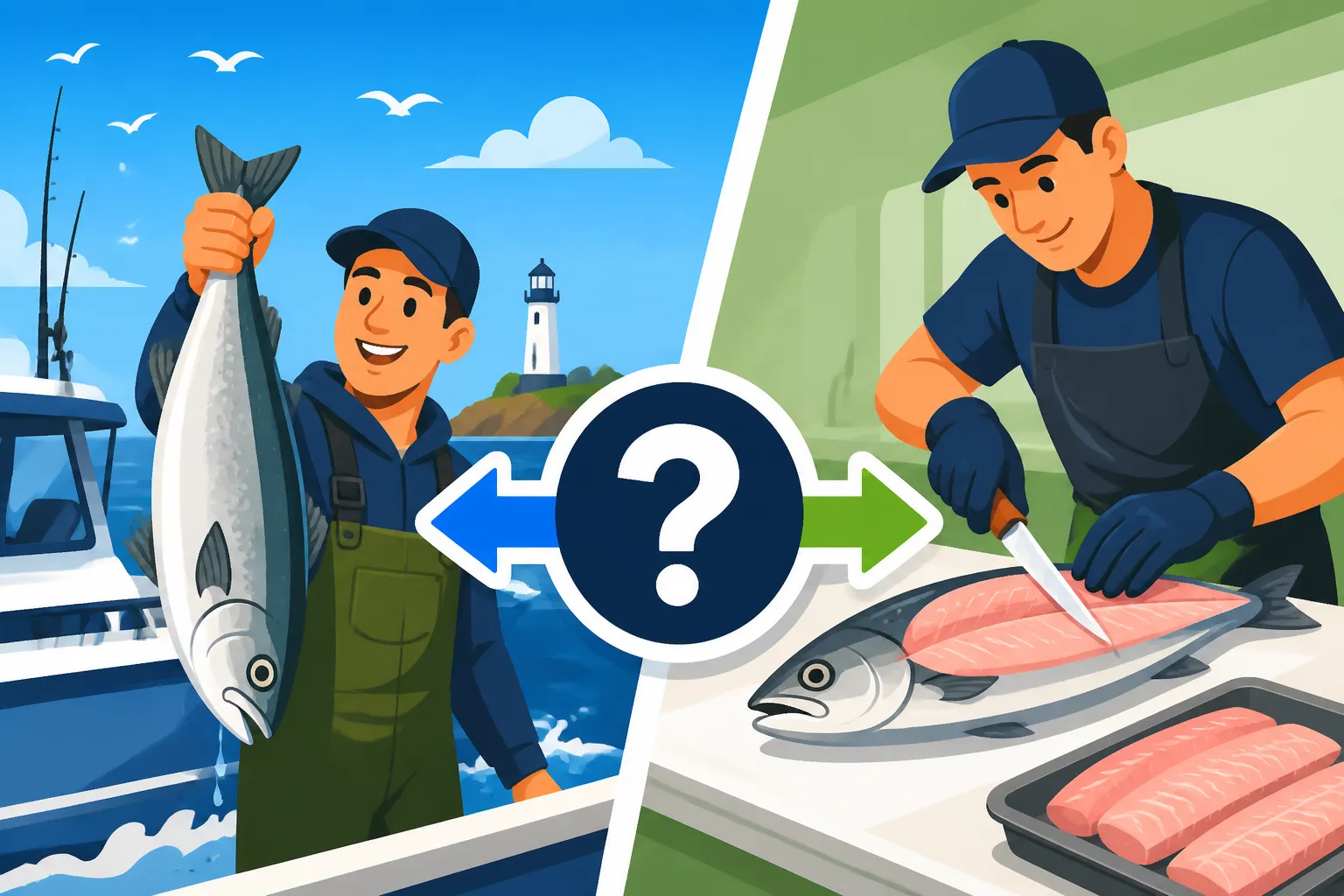
Whether the charter cleans and fillets your fish
One of the common questions I hear from folks gearing up for a Massachusetts fishing charter is, "What happens to the fish after we catch them? Does the crew clean them for us?" It's a completely fair question that often gets overlooked in the excitement of booking a trip, and the answer isn't always a simple yes or no. This guide is here to clarify what you can generally expect regarding fish cleaning and filleting services on Massachusetts fishing charters, helping you set realistic expectations for your day on the water.
The General Expectation: It Depends!
When you book a fishing charter in Massachusetts, whether it's out of a bustling port like Gloucester or a charming Cape Cod harbor, you might envision the crew expertly filleting your catch right there on deck or back at the dock. Sometimes that's exactly what happens, and other times, you might find yourself with a cooler full of whole fish and a bit of a puzzle to solve. The truth is, there's no single, universal answer across all charter operations, and understanding why can save you a lot of surprise or disappointment.
Why There's No Universal "Yes" or "No" Answer
Fishing charters are small businesses, and like any business, they offer a range of services tailored to their particular operation, target species, and clientele. Some captains pride themselves on being a "full-service" operation, where every aspect of your trip, including the final presentation of your fillets, is handled with care. For others, the focus is squarely on getting you to the fish, helping you catch them, and getting you safely back to shore. The cleaning of fish might be seen as an optional add-on, a service for which they might charge extra, or even something they simply don't have the time or facilities to offer. Factors like boat size, crew size, turnaround time between trips, and even local regulations or dock policies can all play a role in their decision.
Factors Influencing the Service
A number of things can influence whether a Massachusetts fishing charter will clean and fillet your fish. For instance, a private charter that specifically targets large, trophy striped bass might have a different approach than a party boat going for bottom fish like scup or fluke. If you're on a multi-day offshore tuna trip, the sheer volume and size of the fish might necessitate a different arrangement compared to a half-day inshore trip. The crew's availability is also key; on a busy day with back-to-back trips, the captain and first mate might simply not have the extra hour to dedicate to filleting fish before their next group arrives. It's not about being unhelpful; it's often about practical logistics and efficiency.
Understanding Different Charter Approaches to Fish Cleaning
Because there's no one-size-fits-all answer, it’s helpful to understand the different ways Massachusetts fishing charters typically handle fish cleaning and filleting. Knowing these common approaches will better prepare you to ask the right questions when booking your next adventure.
Charters That Include Cleaning and Filleting
Some Massachusetts fishing charters proudly advertise their trips as "all-inclusive," and this often extends to fish cleaning. These captains understand that for many anglers, especially those visiting from out of state or who don't have the space or tools to clean fish themselves, this is a huge value-add. On such charters, once you're back at the dock, the crew will typically take your legal catch and professionally clean, gut, and fillet them right there. They might even bag them for you, ready for the cooler. This service is usually factored into the overall price of the trip. It’s a fantastic perk, especially after a long day battling fish, and can make your post-trip experience much more enjoyable. Just imagine arriving home with neatly packaged fillets, ready for the grill or freezer! When you're browsing platforms like FishingBooker, you might see this explicitly mentioned in the charter's description.
Charters That Offer Cleaning for an Additional Fee
This is perhaps the most common scenario you'll encounter. Many reputable Massachusetts fishing charters are happy to clean and fillet your fish for you, but they will charge an extra fee for the service. This fee compensates the crew for their time, skill, and the effort involved in properly processing your catch. The cost can vary, sometimes charged per fish, per pound, or as a flat rate for the entire cooler. It’s an optional service, meaning if you prefer to clean your own fish or know someone who will do it for you, you don't have to pay for it. This arrangement provides flexibility for both the charter and the angler. It's a good idea to inquire about these costs beforehand, so you're not caught off guard at the end of your trip. Sometimes, this fee is a standard rate that goes directly to the mate as part of their tips, acknowledging their hard work beyond just helping you reel them in.
Charters That Do Not Offer Cleaning Services
While less common, some Massachusetts fishing charters simply do not offer fish cleaning or filleting services. This might be due to a variety of reasons:
- Logistics: The boat might not have the appropriate cleaning station, or the dock might have restrictions on fish processing.
- Time Constraints: Especially on very busy days or if they have another trip departing immediately, the crew might not have the time.
- Specialized Trips: Some charters focus solely on catch-and-release, or on specific large species like bluefin tuna, where the processing is often handled by a commercial dealer or requires specialized equipment beyond what the charter typically provides.
- Crew Preference: Some captains and mates prefer to focus on the fishing experience itself and leave the processing to the anglers.
If you book with a charter that doesn't provide cleaning, don't fret! You'll just need to be prepared to handle your catch yourself or explore other options for processing. This is where planning ahead really pays off. For those unfamiliar with the process, you might find yourself needing to learn some new skills or seeking out a local fish market that offers cleaning services. Remember to check Massachusetts Recreational Fishing Rules and Bag Limits to ensure you're only keeping legal fish.
What to Ask and Confirm Before Your Trip
To avoid any unwelcome surprises, the best course of action is always to communicate clearly with your charter captain or booking agent before your trip. Being proactive will ensure your expectations align with the services provided, allowing for a smooth and enjoyable fishing experience.
Key Questions to Clarify When Booking
When you're making that exciting phone call or sending an email to book your Massachusetts Fishing Charter Costs trip, make sure to add a few crucial questions to your list:
- "Do you offer fish cleaning and filleting services after the trip?"
- "Is fish cleaning included in the price, or is there an additional fee?"
- "If there's a fee, what is it? Is it per fish, per pound, or a flat rate?"
- "If cleaning isn't offered, are there any facilities nearby where I can clean my fish myself, or a local fish market that provides the service?"
Don't be shy! These are standard questions, and a professional charter operator will be happy to provide clear answers. It's much better to know upfront than to be left holding a cooler full of whole fish when you had expected neat fillets. Understanding the How Many People Can Join a Massachusetts Charter can also impact the crew's ability to dedicate time to cleaning.
Discussing Expectations for Different Fish Species
Sometimes the cleaning service can depend on the species you target. For instance, cleaning a limit of small mackerel or tautog might be straightforward, while processing several large striped bass or a substantial fluke could be a much bigger job.
- Striped Bass: For species like striped bass, which are often kept within a specific slot limit, filleting can be a bit more involved. Ensure your charter is familiar with the Massachusetts Striped Bass Size and Bag Limit.
- Fluke/Flounder: Fluke are popular table fare, and proper filleting requires a bit of skill to maximize the meat. Ask if they're experienced with handling species like these, especially considering Massachusetts Fluke Size Limits Explained.
- Bottom Fish: Many charters specializing in bottom fishing for species like scup, black sea bass, or cod will typically offer cleaning services, as these fish are highly desired for their fillets.
It's a good idea to confirm if their cleaning services cover the types of fish you expect to catch.
How to Confirm Cleaning Services with Platforms Like FishingBooker
If you're booking through an online platform like FishingBooker, you'll often find a section detailing the amenities and services offered by each charter. Look for specific mentions of "fish cleaning," "filleting services," or "fish processing." If it's not explicitly stated, the platform usually provides a way to directly message the captain or charter operator. This is your opportunity to ask those key questions mentioned above in writing, ensuring you have a record of the conversation. Many captains are very responsive to these inquiries, understanding that clear communication leads to happier customers. Don't forget that most charters also expect a tip for good service, and that often includes a well-cleaned catch; knowing Massachusetts Charter Boat Tipping Etiquette is helpful.
| Scenario for Fish Cleaning on a Massachusetts Charter | What to Expect |
|---|---|
| Included in Charter Price | Crew will clean, gut, and fillet your legal catch. Fish are usually bagged. No extra cost. |
| Available for an Additional Fee | Crew will clean/fillet for a fee (per fish, per pound, or flat rate). Fee goes directly to crew or is added to final bill. |
| Not Offered | No cleaning services provided by the charter. You'll need to clean your fish yourself or find an alternative service ashore. |
| Species-Specific Cleaning | Cleaning availability or method might vary based on the type, size, or number of fish caught (e.g., small bottom fish vs. large pelagic species). Always clarify if targeting specific fish. |
Tips for Handling Your Catch if Cleaning is Not Included
So, you've booked your Massachusetts fishing charter, had a fantastic day on the water, and now you have a cooler full of fresh, whole fish, but no cleaning service. Don't let this be a downer! With a little preparation, you can still ensure your catch makes it home in prime condition, ready for your culinary adventures. It's all part of being a well-prepared angler.
Preparing for Self-Cleaning: Bringing Coolers and Ice
The absolute most important thing you can do if you plan to transport whole fish is to ensure they are properly iced down immediately. Fish quality deteriorates rapidly if not chilled.
- Bring Extra Coolers: Don't just rely on the boat's cooler for your catch. Bring your own, specifically for your fish. A large, well-insulated cooler dedicated to your prize catches is essential.
- Plenty of Ice: Fill your cooler with ice. Not just a few cubes – I'm talking about a good, solid layer of ice. As soon as you catch a fish you intend to keep, get it on ice. The colder, the better. This preserves the quality of the meat and makes cleaning easier later. You might even want to ask whether you can bring your own cooler on a charter boat.
- Basic Cleaning Tools: If you're going to clean them yourself at home, make sure you have a sharp fillet knife, a sturdy cutting board, and possibly a scaler ready. Knowing how to properly gut and gill a fish will help keep them fresh even longer on ice. This will also ensure that when you get home, you're not scrambling to find the right tools. For many, cleaning fish is part of the overall experience and a skill worth mastering.
Remember, proper handling starts the moment the fish comes aboard. Keeping fish cool isn't just about freshness; it's also about respecting the resource and ensuring the best possible taste when you finally cook it. Be sure to understand your Massachusetts Fishing License Requirements by Age and have proof of your Carrying Proof of Your Massachusetts Fishing License.
Finding Shoreside Cleaning Services
If your charter doesn't offer cleaning and you're not keen on doing it yourself, you might be in luck. In many major Massachusetts fishing ports, you can sometimes find shoreside fish cleaning services. These are typically independent operators who set up near the docks, especially during peak season. They often charge a fee, similar to what a charter might, but they specialize in high-volume, efficient cleaning.
- Ask Your Captain: Your charter captain or mate is often the best resource for local knowledge. They can tell you if there's a reliable fish cleaner operating nearby.
- Check Local Marinas/Docks: Sometimes marinas or public docks have designated cleaning stations, or you might spot signs for local services.
- Local Fish Markets: In some towns, local fish markets might offer cleaning services, especially if you also plan to purchase other seafood from them.
It's a good idea to scout these options before your trip if cleaning your own fish isn't something you're comfortable with. A quick search online or a call to the local Chamber of Commerce might also yield some leads.
Respecting Regulations and Waste Disposal
No matter who cleans your fish, it's absolutely crucial to respect all Massachusetts fishing regulations, particularly bag limits and size restrictions. The crew on your charter will help you adhere to these rules, but ultimately, it's your responsibility as an angler. Make sure you are familiar with the Massachusetts Fishing Regulations Pamphlet, Explained.
- Bag Limits: Never keep more fish than the legal daily bag limit. This applies whether the charter cleans your fish or not.
- Size Limits: Ensure all kept fish meet the minimum and maximum size requirements for that species.
- Waste Disposal: If you're cleaning fish yourself, be mindful of proper waste disposal. Never dump fish carcasses or offal in inappropriate places. Many marinas or towns have designated disposal areas for fish waste. If you're on a charter that cleans fish, they will handle the disposal according to local environmental guidelines. This is a critical aspect of responsible angling and maintaining clean waterways and docks for everyone to enjoy.
By being prepared, asking the right questions, and understanding the various options, you can ensure that your Massachusetts fishing charter experience is enjoyable from start to finish, including bringing home a delicious, well-handled catch.
Disclaimer
This article is for general informational purposes only and does not constitute professional advice. Laws, prices and regulations vary by location and change over time. Consult a qualified professional for guidance on your specific situation.