Kayak Fishing Guides on Cape Cod
The allure of kayak fishing on Cape Cod is undeniable, offering an intimate connection with the water and its abundant marine life. But let's be real, navigating the Cape's diverse waters, understanding its unique currents, and knowing where the fish are biting can be a daunting task, especially for those new to the area or kayak fishing itself. This guide is here to shed light on how kayak fishing guides on Cape Cod can turn a potentially frustrating outing into an unforgettable angling adventure, covering everything from what they offer to how to find the perfect one for you.
Why Consider a Kayak Fishing Guide on Cape Cod?
Kayaking on Cape Cod is a unique way to experience the region, blending tranquility with the thrill of the catch. For many anglers, the idea of paddling out and finding fish from such a minimalist vessel is a dream come true. However, it's also a highly specialized form of fishing that comes with its own set of challenges, particularly in an area as diverse and dynamic as Cape Cod. This is where a knowledgeable guide truly shines, offering an invaluable service that can dramatically improve your experience and success.
The Unique Advantages of a Guided Kayak Trip
One of the biggest benefits of hiring a kayak fishing guide on Cape Cod is tapping into their deep local knowledge. These aren't just folks who own kayaks; they are seasoned professionals who spend countless hours on the water. They know the secret coves, the subtle rips, and the prime feeding grounds that would take you years to discover on your own. They understand how the tides influence fish movement in specific areas and can put you on fish when others are struggling. This expertise isn't something you can easily glean from a map or an online forum; it's earned through experience.
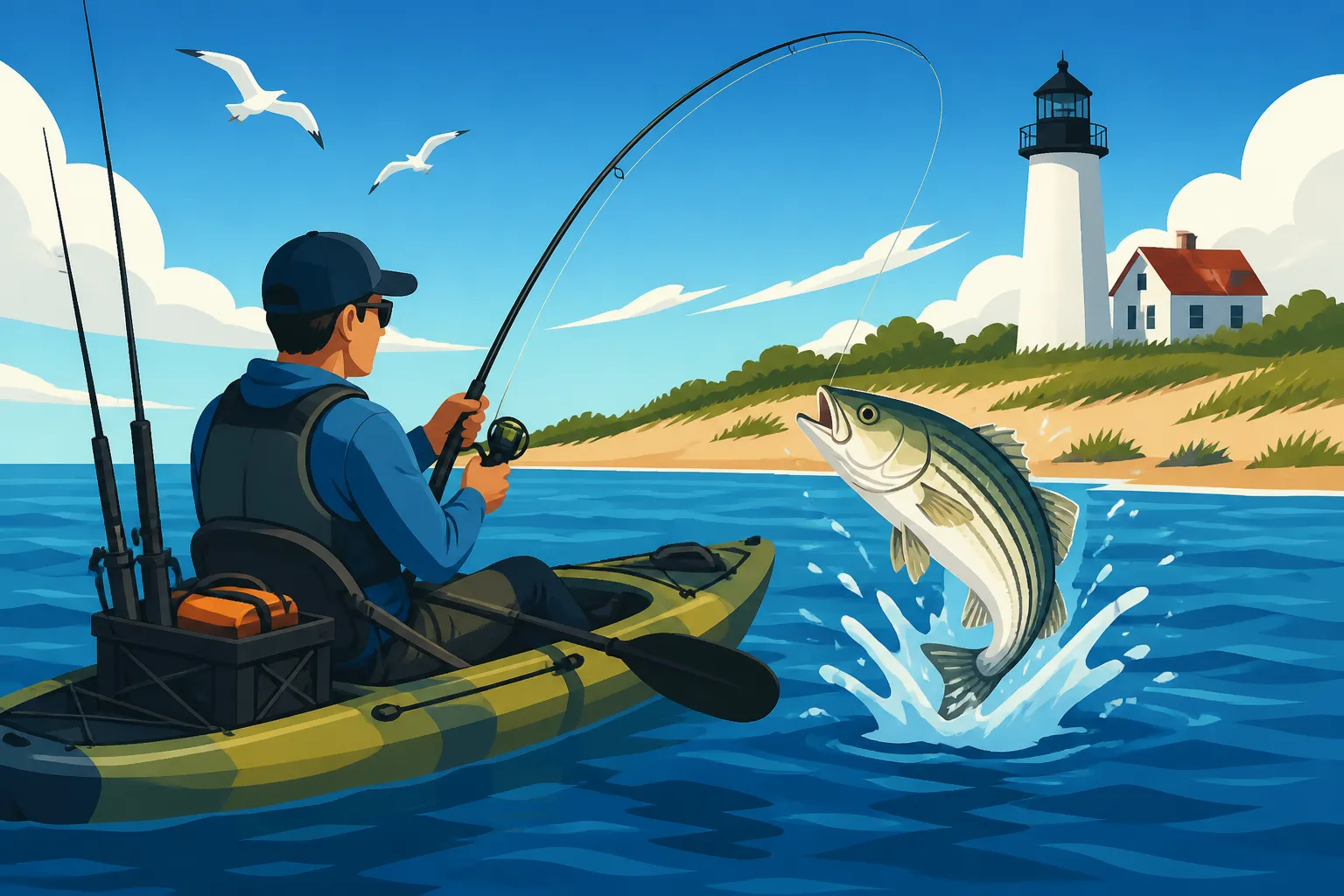
Beyond just finding fish, a guide provides crucial instruction and safety oversight. If you're new to kayak fishing, learning proper paddling techniques, how to cast from a seated position, or safely land a feisty striped bass from a small craft can be intimidating. A good guide will coach you through these skills, making sure you're comfortable and confident. They're also your eyes and ears for potential hazards, constantly monitoring weather changes, boat traffic, and challenging currents, ensuring your safety throughout the trip. It's like having a personal coach and bodyguard all rolled into one, allowing you to focus on the joy of fishing.
Moreover, a guided trip offers a highly customized experience. Whether you're targeting specific species, want to learn particular techniques like fly fishing from a kayak, or simply desire a serene paddle with a chance to catch dinner, a guide can tailor the outing to your preferences. They often provide all the necessary gear, from high-quality kayaks and paddles to top-notch rods, reels, and a selection of proven baits and lures, saving you the expense and hassle of acquiring specialized equipment yourself. This means you can show up with minimal personal gear and dive straight into the action.
Overcoming Cape Cod's Kayak Fishing Challenges
Cape Cod's waters are beautiful but can also be quite challenging for kayak anglers. The strong tidal currents in areas like the Cape Cod Canal Fishing Guide for Massachusetts Anglers can be overwhelming for inexperienced paddlers. Without a clear understanding of the ebb and flow, you could find yourself fighting against a powerful current, exhausting yourself before you even get a bite. Guides are experts in reading the water and planning trips around optimal tidal windows, ensuring you're paddling with the current when it matters and are in safe zones.
Navigation itself can be a hurdle. Cape Cod boasts a complex coastline with countless bays, estuaries, salt ponds, and inlets. Knowing which areas are productive at different times of the year, or even different times of day, requires intimate familiarity. Shallow shoals, oyster beds, and submerged structures can present hazards to a kayak, not to mention dense fog or sudden weather changes. A guide navigates these complexities with ease, taking you to spots that are safe, accessible, and most likely to hold fish, allowing you to relax and enjoy the scenery rather than constantly checking a chart or GPS.
Lastly, identifying and understanding target species behavior is critical for success. While many anglers know of striped bass or bluefish, knowing where they'll be feeding, what they're feeding on, and how to present your lure effectively can be a mystery. Guides specialize in the Best Saltwater Fishing Spots on Cape Cod, Massachusetts and are dialed into current fishing patterns. They can tell you why a particular lure works best on a certain tide, or when to switch from topwater to subsurface presentations. This deep understanding significantly increases your chances of hooking into quality fish, turning an uncertain venture into a productive day on the water.
What to Expect on a Cape Cod Kayak Fishing Excursion
Embarking on a guided kayak fishing trip on Cape Cod is an experience unlike any other. It combines the peacefulness of kayaking with the excitement of fishing, all under the watchful eye of an expert. While each guide and trip will have its unique flavor, there are some common elements you can generally expect when you book your adventure.
Typical Trip Structure and Gear Provided
Most kayak fishing trips on Cape Cod begin early in the morning, often just as the sun is rising or even before dawn, to capitalize on prime feeding times for many species. Your guide will typically meet you at a predetermined launch point, which could be a quiet boat ramp, a secluded beach access, or a designated public landing. They'll greet you, go over the day's plan, discuss target species, and conduct a brief but thorough safety briefing. This is your chance to ask any last-minute questions and get comfortable with the agenda.
Once the briefing is complete, your guide will help you get set up with your kayak and gear. This usually involves fitting you with a personal flotation device (PFD), adjusting your kayak seat for comfort, and demonstrating proper paddling techniques. All necessary fishing equipment – rods, reels, a selection of lures, and sometimes live bait – will be provided. Many guides use high-quality fishing kayaks, often pedal-driven models like those from Hobie or Old Town, which allow for hands-free propulsion, making it easier to fish while maneuvering. They'll ensure you're comfortable with how to use the rudder system and any pedal drives. You'll then launch, usually in calm, sheltered waters, before heading out to the fishing grounds.
A typical trip lasts anywhere from a half-day (4-5 hours) to a full day (6-8 hours). Throughout the excursion, your guide will constantly be assessing conditions, moving you to different spots if the bite slows, and offering tips and techniques to improve your casting, retrieval, and fish-fighting skills. They're there to help you maximize your time on the water and make the most of every opportunity. When your trip concludes, the guide will assist with landing the kayaks, and if you've caught any keepers, they will often offer to clean and fillet your fish, ready for you to take home and enjoy. This seamless experience is a hallmark of a professional kayak fishing guide.
Safety Protocols and Environmental Considerations
Safety is paramount on any guided fishing trip, and kayak fishing is no exception. Reputable Cape Cod kayak fishing guides prioritize your well-being above all else. Before you even get on the water, they'll conduct a comprehensive safety briefing, covering everything from how to properly wear your PFD (which is typically required to be worn at all times) to what to do in the unlikely event of a capsize. They'll also explain communication procedures and emergency plans, often carrying VHF radios and satellite communication devices. These guides are often certified in first aid and CPR, providing an extra layer of reassurance.
Weather and water conditions on Cape Cod can change rapidly, and a good guide is constantly monitoring these factors. They will check marine forecasts, tide charts, and wind predictions before and during the trip, and they won't hesitate to reschedule or modify a trip if conditions are deemed unsafe. This might mean sticking to more sheltered bays during a windy day or postponing entirely if a storm is approaching. Their expertise in reading the local waters, including understanding the impact of currents and boat traffic, allows them to make informed decisions that ensure a safe and enjoyable outing. You can always ask about their cancellation policy for bad weather; most guides are very accommodating.
Beyond immediate safety, professional kayak fishing guides also instill a strong sense of environmental stewardship. They practice and promote catch-and-release, especially for sensitive species or those outside the Massachusetts Striped Bass Size and Bag Limit, and educate clients on proper fish handling techniques to ensure the health of the fish. They adhere strictly to all Massachusetts Recreational Fishing Rules and Bag Limits and encourage clients to do the same, often carrying copies of local regulations. Guides are often passionate advocates for conservation, sharing their knowledge about the local ecosystem and the importance of preserving it for future generations. This commitment helps ensure that the beautiful fishing grounds of Cape Cod remain vibrant and productive.
Choosing the Right Kayak Fishing Guide for Your Needs
Deciding to hire a kayak fishing guide is a fantastic first step, but finding the right one for your particular adventure can feel a bit overwhelming. Cape Cod has a variety of guides, each with their own specialties, preferred fishing styles, and personalities. Taking the time to research and ask the right questions will ensure you find a guide who matches your expectations and delivers the experience you're hoping for.
Researching Guides and Their Specialties
Start your search by looking for guides who explicitly advertise kayak fishing services on Cape Cod. Many general fishing charters operate larger boats, but kayak guiding is a niche that requires different expertise and equipment. Online platforms can be incredibly helpful here. For example, many anglers find it helpful to browse platforms like FishingBooker, which list various guides and often include customer reviews, photos, and detailed descriptions of their trips. This allows you to compare different offerings, see what others have experienced, and get a feel for a guide's reputation before making contact.
Pay close attention to a guide's listed specialties. Some guides might focus primarily on fly fishing for striped bass in shallow estuaries, while others might offer trips targeting bluefish or even light tackle offshore adventures. If you have a specific fish in mind, or a particular technique you want to learn, seek out a guide whose expertise aligns with those goals. It's also worth checking if they cater to specific experience levels – some guides love introducing beginners to the sport, while others might prefer to work with more experienced kayak anglers looking to refine their skills. Don't be shy about looking for guides who have been operating for many years; experience often translates to deeper knowledge of the waters and better fish-finding abilities.
Word-of-mouth recommendations are also golden. If you know other anglers who have had positive experiences with Cape Cod kayak guides, ask them for referrals. Local bait shops and tackle stores are often hubs of information and can recommend trusted guides. When you find a guide that catches your eye, review their website or social media pages. A professional online presence, clear communication about their services, and testimonials from past clients are all good indicators of a reputable operation. Don't underestimate the importance of finding a guide whose passion for kayak fishing is evident; that enthusiasm often translates into a more enjoyable and memorable trip for you.
Questions to Ask Before Booking Your Trip
Once you've narrowed down your choices, it’s time to start asking questions. This is crucial for clarifying expectations and ensuring there are no surprises on the day of your trip. First and foremost, inquire about the types of trips they offer and what species they typically target during the time you plan to visit. For instance, if you're keen on landing a big striper, ask about their success rates and the Best Time of Year to Fish in Massachusetts for that particular species. A good guide will be transparent about what's realistic given the season and conditions.
Next, delve into the logistics and what's included in the price. Ask specifically if all necessary gear (kayak, paddle, PFD, rods, reels, tackle, bait) is provided. Confirm whether your Massachusetts Saltwater Recreational Fishing Permit Explained is required and if the guide handles any specific permits for the waters you'll be fishing (though you are responsible for your own recreational license). It's also wise to ask about what you should bring, such as appropriate clothing, snacks, drinks, sunscreen, and a cooler for any fish you plan to keep. Some guides provide water, but it's always good to be prepared.
Finally, discuss safety measures, cancellation policies, and payment terms. What safety equipment do they carry on board? What's their protocol for bad weather? Many guides, particularly those found through services like FishingBooker, will have clear policies regarding deposits and cancellations, especially concerning weather. Understand their tipping etiquette – while not mandatory, it's customary to tip a guide for a job well done. By asking these detailed questions upfront, you can ensure a smooth booking process and head out on your Cape Cod kayak fishing adventure feeling fully prepared and confident.
Premier Kayak Fishing Locations and Target Species
Cape Cod is a kayak angler's paradise, offering an incredible variety of environments, from sheltered salt ponds to expansive bays and nearshore ocean waters. Each type of habitat holds different species and presents unique fishing opportunities. Knowing where to go and what to target can greatly enhance your guided trip.
Inshore and Estuary Hotspots
For many kayak anglers, the inshore waters and estuaries of Cape Cod are the bread and butter. These sheltered areas, with their intricate network of tidal creeks, shallow flats, and oyster beds, are perfect for stable kayak fishing and often teeming with life. Spots like Barnstable Harbor, Nauset Marsh, and the various salt ponds around Falmouth or Orleans are prime examples. Here, you'll often find excellent opportunities for targeting schoolie striped bass, especially in the spring and fall. These smaller stripers provide consistent action and are a fantastic way to hone your kayak fishing skills. They love to ambush baitfish around spartina grass edges and oyster reefs.
Bluefish are another popular target in these inshore areas, particularly during the warmer summer months. They often school up in harbors and estuaries, chasing baitfish with aggressive strikes that can be incredibly exciting from a kayak. Guides will often put you on schools of Massachusetts Bluefish Bag Limit and Season as they terrorize bait, and their willingness to strike a variety of lures makes for a fun fight. Flounder, including winter and summer flounder (fluke), can also be found in the sandy bottoms of these estuaries. Fishing for them involves drifting or slowly paddling over sandy patches, using small jigs or bait rigs.
These protected waters are not only excellent for fishing but also offer stunning scenery and wildlife viewing. Kayaking through a quiet marsh at sunrise, with ospreys circling overhead and seals popping their heads up to watch you, is an experience in itself. Your guide will know the best times and tides to access these areas, ensuring you don't get stuck in mud flats at low tide or miss the prime feeding windows. They often have specific spots where they know resident fish like to hang out, offering consistent action in a peaceful setting.
Nearshore Opportunities for Larger Game
While inshore waters are fantastic, some kayak anglers crave the thrill of larger game, and Cape Cod's nearshore waters deliver. With a guide, and often using more robust, ocean-ready kayaks, you can venture beyond the immediate shelter of the bays to fish jetties, rocky shorelines, and deeper rips. The waters around Monomoy Island, the outer beaches of Chatham, or the inlets of Buzzards Bay can offer incredible fishing for bigger striped bass and robust bluefish. Here, the fish tend to be larger, taking advantage of stronger currents and deeper water to hunt.
During late summer and early fall, the nearshore waters off Cape Cod can also attract highly sought-after pelagic species like bonito and false albacore. These fast-moving, hard-fighting fish provide an adrenaline-pumping challenge for kayak anglers. Targeting "albies" or bonito often involves chasing schools of baitfish on the surface, making accurate casts to breaking fish, and being prepared for a blistering run once hooked. Your guide will be instrumental in finding these elusive schools and positioning you for the best shot. Bonito and False Albacore off Cape Cod fishing is a specialty trip, and you'll want a guide with experience in this exciting, high-energy fishery.
Venturing into these nearshore environments requires a higher level of safety and navigational expertise, which is precisely why a guide is so valuable. They are adept at managing sea conditions, understanding offshore currents, and navigating potential hazards like boat traffic or sudden swells. With a guide, you can confidently explore these more exposed areas, knowing you have an experienced hand leading the way and keeping you safe while you pursue those trophy-sized fish. Whether you're casting around structure for a monster striper or chasing a school of albies, the nearshore waters of Cape Cod offer unforgettable kayak fishing action.
Navigating Costs and Booking Your Adventure
Planning a guided kayak fishing trip on Cape Cod means considering the investment. It’s natural to wonder about the financial commitment, but understanding what goes into the cost and how to secure your booking will make the process much smoother and ensure you get the most value from your adventure.
Understanding Kayak Fishing Guide Fees
The cost of a kayak fishing guide on Cape Cod can vary quite a bit, typically depending on the duration of the trip, the number of anglers, and the specific species or techniques being targeted. Generally, you can expect to pay a fee that reflects the guide's expertise, the use of high-quality equipment (kayaks, rods, reels, tackle, bait), and the personalized nature of the experience. Half-day trips are usually more affordable and a great option for beginners or those with limited time, offering a taste of the action without a full-day commitment. Full-day trips, naturally, come at a higher price point but provide more time on the water, often allowing access to multiple fishing spots or more extensive exploration.
It’s important to clarify what exactly is included in the quoted price. Most reputable guides will include all fishing gear, kayaks, paddles, and PFDs. Some might also provide water and light snacks, but it's always best to confirm. What's typically not included are your personal fishing license (you'll need to purchase your Massachusetts Freshwater Fishing License Costs and Rules or Massachusetts Saltwater Recreational Fishing Permit Explained separately, depending on where you're fishing), gratuities for the guide, and any personal food or drink you wish to bring. If you’re targeting specific, more challenging species like bluefin tuna (though rare for kayaks, some very specialized guides might offer this for smaller tuna), the cost could be significantly higher due to specialized gear and longer trips offshore.
When comparing prices, remember that you're not just paying for a kayak rental; you're investing in a professional's knowledge, experience, and dedication to your safety and success. A guide who consistently puts clients on fish and provides an exceptional experience is worth their weight in gold. Don't be afraid to ask for a detailed breakdown of costs so you know exactly what you're getting. While prices might seem like a lump sum, they cover insurance, maintenance of expensive equipment, fuel, and the countless hours a guide spends scouting locations and monitoring conditions when they're not even on the water with clients.
How to Secure Your Spot
Once you’ve found the perfect kayak fishing guide for your Cape Cod adventure, securing your spot is straightforward but requires prompt action, especially during peak season. Guides, particularly the highly sought-after ones, often book up weeks or even months in advance. The first step is usually to contact the guide directly, either by phone or email, to check their availability for your desired dates. Be flexible if you can, as this might increase your chances of finding an opening.
Most guides will require a deposit to confirm your booking. This deposit typically ranges from a percentage of the total trip cost to a fixed amount, and it reserves your date on their calendar. Payment methods vary, but many accept credit cards, online payments, or checks. Ensure you understand their cancellation policy before paying the deposit. What happens if you need to cancel? What if the guide cancels due to unsafe weather conditions? A clear policy protects both parties and is a hallmark of professional operation. Many guides listed on platforms like FishingBooker have standardized booking and cancellation terms, which can offer an added layer of confidence.
After your booking is confirmed, your guide will usually provide detailed instructions on where and when to meet, what to bring, and any other pertinent information. It’s always a good idea to confirm with your guide a few days before your trip, especially to get an update on weather forecasts and current fishing conditions. This allows for any last-minute adjustments and ensures everyone is on the same page. By being proactive and clear in your communication, you can look forward to a seamless and exciting guided kayak fishing trip on the beautiful waters of Cape Cod.
Essential Safety Tips for Kayak Fishing on Cape Cod
While a guided kayak fishing trip on Cape Cod offers the distinct advantage of having an experienced professional at your side, understanding fundamental safety practices is still crucial. Even with a guide, being prepared and knowledgeable about the unique challenges of kayak fishing, especially in a dynamic environment like the Cape, ensures a safer and more enjoyable outing.
Preparing for Cape Cod's Dynamic Waters
Cape Cod's waters are known for their beauty, but they can also be unpredictable. The weather can change rapidly, with calm mornings giving way to strong winds and choppy seas in the afternoon. Before any trip, even a guided one, always check the marine forecast. Pay attention to wind speed and direction, as even a gentle breeze can make paddling challenging, especially when battling a current. Your guide will undoubtedly be monitoring this, but being informed yourself adds an extra layer of preparedness. If conditions look questionable, trust your guide's judgment to reschedule; they prioritize your safety above all else.
Tides and currents are powerful forces on Cape Cod, particularly in inlets, harbors, and areas like the Cape Cod Canal. Understanding their influence is key to safe kayak fishing. A guide will plan your trip around optimal tidal windows, but it's helpful for you to be aware. Strong currents can quickly pull a kayak off course or make paddling back to shore incredibly difficult. Always assume the water is colder than it looks, especially in the spring and fall. Dressing in layers and wearing moisture-wicking, quick-drying clothing is essential. In cooler months, proper immersion gear like a dry suit or wetsuit might be necessary, and your guide will advise on this.
Even when fishing in relatively calm waters, unexpected situations can arise. It's always a good practice to file a "float plan" with someone on shore, letting them know where you're going, your expected return time, and who you're with. While your guide will have their own safety protocols, this small step adds a layer of personal responsibility and ensures someone knows your whereabouts. Familiarize yourself with the area you'll be fishing, even if you're relying on your guide's expertise, to understand potential landmarks or bailout points.
Emergency Preparedness and Best Practices
Carrying essential safety gear is non-negotiable for kayak fishing. While your guide will provide a PFD and likely other safety equipment, make sure you know how to use it. A whistle or other sound-signaling device is critical for alerting others to your presence or in an emergency. Many guides will also carry a VHF radio for communication with other boats or rescue services. Having a fully charged cell phone in a waterproof case is also advisable, though signal strength can be unreliable in some remote areas. Knowing how to Carry Proof of Your Massachusetts Fishing License is also important, as authorities may check your documentation.
Self-rescue techniques are fundamental skills for any kayaker. While a capsize might seem daunting, knowing how to right your kayak and re-enter it from the water can be a lifesaver. Your guide can offer basic instruction on this. Always try to stay with your kayak if you do capsize, as it provides flotation and is easier for rescuers to spot. Understanding the limitations of your kayak and your own physical abilities is also important. Don't push yourself beyond your comfort zone, especially in unfamiliar waters or challenging conditions.
Finally, responsible angling practices contribute to both safety and environmental sustainability. Properly handling fish, especially those you plan to release, is important for their survival. Never litter; always pack out everything you pack in. Be respectful of other boaters, wildlife, and private property. By following these safety tips and best practices, even with a professional guide leading the way, you can ensure your kayak fishing adventure on Cape Cod is not only productive but also safe and enjoyable for everyone involved.
| Category | Typically Provided by Guide | Client Should Consider Bringing |
|---|---|---|
| Vessel & Gear | Fishing Kayak, Paddle, PFD (life vest), Rods, Reels, Tackle | Personal Sunglasses, Hat, Appropriate Clothing |
| Bait & Lures | Live bait, plastics, topwater lures (species-specific) | Favorite lures (if preferred), Terminal tackle |
| Safety Equipment | Whistle, Signal Light, First-Aid Kit, VHF Radio, Anchor | Personal medications, Sunscreen, Bug spray |
| Refreshments | Often water/snacks (confirm with guide) | Extra water, Snacks, Lunch, Cooler for fish |
| Documentation | Guide handles permits (you still need your MA license/permit) | Valid Massachusetts Fishing License Guide |
Disclaimer
This article is for general informational purposes only and does not constitute professional advice. Laws, prices and regulations vary by location and change over time. Consult a qualified professional for guidance on your specific situation.