Cape Cod Canal Guided Fishing Trips
The Cape Cod Canal, a true marvel of engineering and a renowned fishing destination, presents an incredible challenge to even the most seasoned anglers. Its ferocious tides, constantly shifting currents, and deep, rocky bottom can be incredibly intimidating, often leading to frustration and lost gear for those unfamiliar with its nuances. This comprehensive guide will demystify the process of navigating this legendary waterway by exploring the immense benefits of hiring a skilled guide for your Cape Cod Canal fishing adventure, ensuring you maximize your chances of a successful and memorable trip.
Why the Cape Cod Canal Demands a Guide
The Cape Cod Canal isn't just another body of water; it's a dynamic, powerful tidal river that behaves more like a wild ocean current than a sheltered bay. For newcomers, or even experienced anglers from other regions, it can feel like trying to solve a complex puzzle with missing pieces. This unique environment is precisely why a local guide isn't just a luxury, but often a necessity for a productive and enjoyable outing.
Navigating the Tides and Currents
One of the Canal's most defining, and often most challenging, features is its incredibly strong tidal currents. These currents, which can reach speeds of up to 5 knots (around 6 miles per hour), reverse direction every six hours as the ocean tides ebb and flow. Understanding these tides – not just when they change, but how they influence different sections of the Canal, create eddies, and concentrate baitfish – is a lifetime pursuit for many local anglers. Without this intricate knowledge, you might find yourself casting into dead water, constantly losing tackle to the bottom, or simply struggling to keep your lure in the strike zone.
A guide brings years, often decades, of experience reading these currents. They know which specific stages of the tide will be most productive for certain species and techniques, and exactly where to position you to take advantage of the swirling water. They can teach you how to "work" the current, allowing it to carry your lure naturally, mimicking injured baitfish, rather than fighting against it. This isn't something you can easily pick up from a book or a quick online search; it's an intuitive skill developed over countless hours on the water.
Mastering the Terrain and Techniques
Beneath the surface, the Cape Cod Canal is a rugged landscape of rock piles, ledges, drastic depth changes, and hidden snags. These underwater structures are precisely where striped bass, bluefish, and other predators lie in wait, ambush points perfectly suited to the Canal's fast-moving environment. However, knowing where these structures are and how to fish them without constantly snagging is the real trick. Many anglers arrive armed with standard fishing gear, only to find their favorite lures quickly disappearing into the Canal's unforgiving depths.
Local guides are intimately familiar with every rock, every drop-off, and every productive piece of bottom structure. They've spent years mapping the Canal in their minds, learning the subtle visual cues on the surface that indicate underwater features. More importantly, they've perfected the specialized techniques required to fish these areas effectively. Whether it's the precise retrieve for jigging a soft plastic, the specific angle for casting a Canal-style plug, or the art of drift fishing bait, a guide can fast-track your learning curve. They'll show you how to choose the right lure weight, how to feel the bottom, and how to differentiate between a snag and a subtle strike, saving you time, frustration, and a significant amount of tackle.
Targeting Specific Species
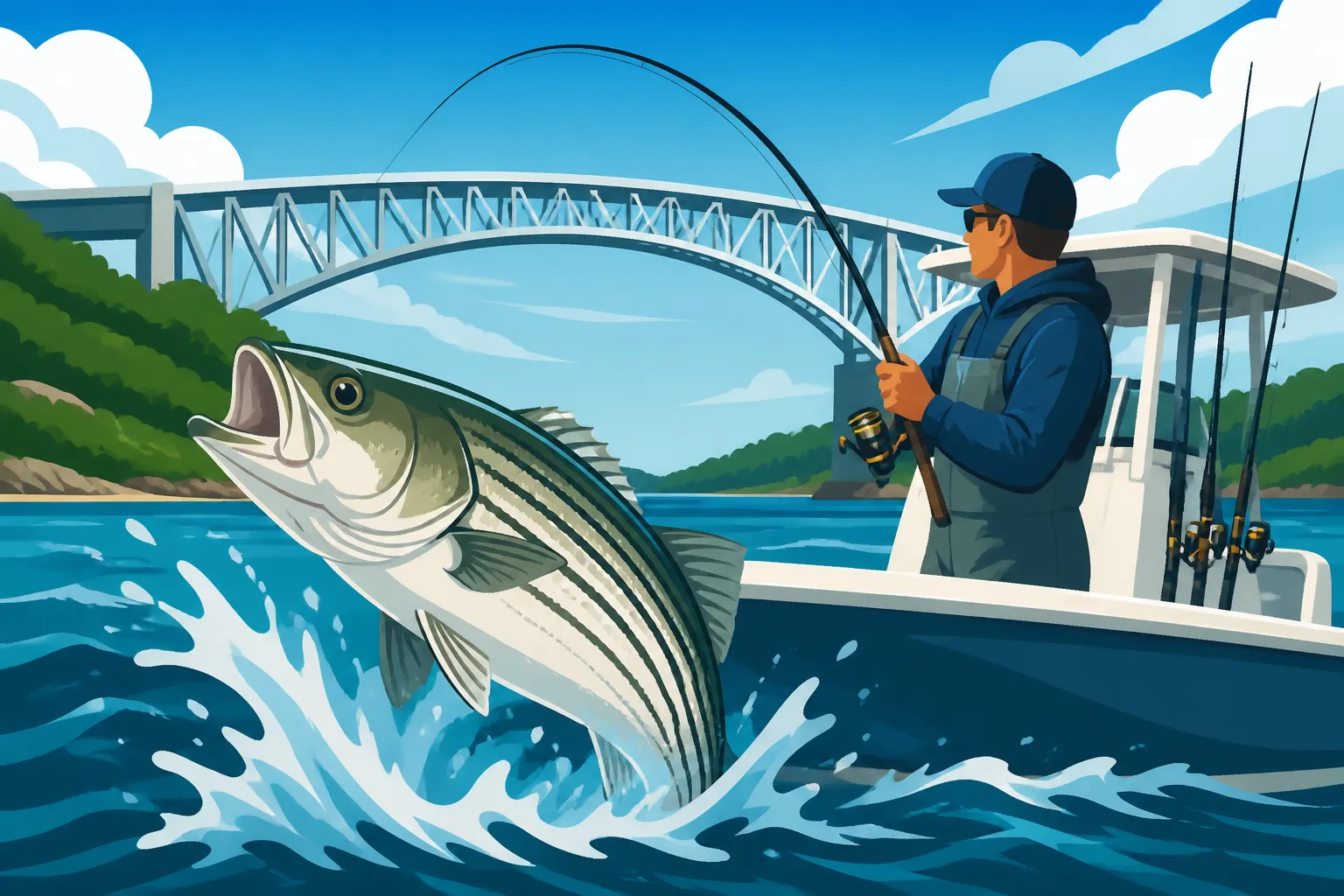
While the Cape Cod Canal is famous for its striped bass, it's also a hotspot for massive bluefish, tautog, and even some migratory species throughout the year. Knowing when and where to target each species, and with what bait or lure, is crucial for success. Striped bass, for instance, might be found hugging the bottom in deep holes during a strong current, or busting bait on the surface during slack tide. Bluefish often patrol different areas and respond to more aggressive presentations.
A good guide understands these seasonal patterns and behavioral nuances. They know when the big striped bass are migrating through, which tides favor the bluefish blitzes, and even the subtle signs that indicate the presence of a specific baitfish species that the predators are feeding on. Instead of blindly casting, hoping for a bite, a guide will put you in the right place at the right time, with the right setup, significantly increasing your chances of hooking into that trophy fish you've been dreaming of. This focused approach means less wasted time and more quality fishing, which is, after all, why you sought a guide in the first place. For instance, knowing the Massachusetts Striped Bass Slot Limit Explained is vital, and a guide will always ensure you're compliant.
Types of Guided Trips Available for the Canal
The Cape Cod Canal offers a diverse range of fishing experiences, and just as varied are the types of guided trips you can book. Depending on your preference for boat or shore, your physical ability, and your budget, you'll find options tailored to help you conquer this unique waterway. It's not a one-size-fits-all situation, and understanding the differences will help you pick the perfect adventure.
Shore-Based Guiding
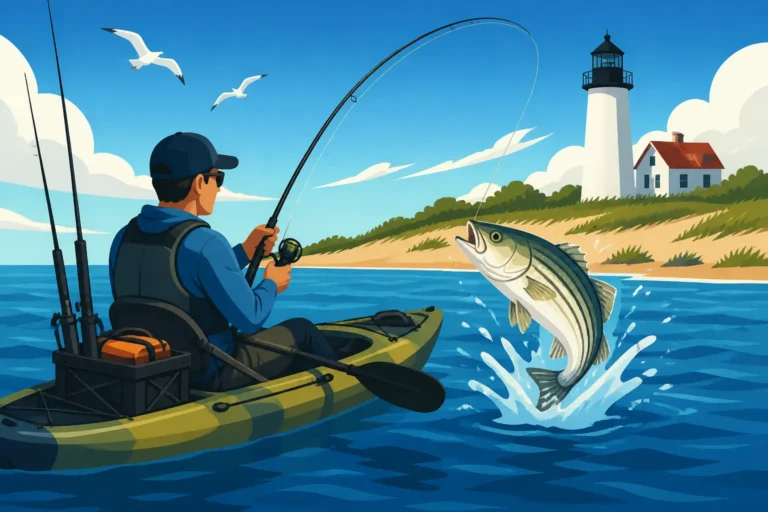
Many passionate anglers prefer to feel the solid ground beneath their feet, embracing the challenge of surfcasting the Canal's banks. Shore-based guides specialize in teaching these techniques. These trips typically involve a guide meeting you at a pre-determined access point along the Canal. From there, you might walk or even drive to various spots, with the guide providing expert advice on casting angles, lure selection for the current conditions, and how to work the bottom without getting snagged. This is often an excellent option for those who want to learn the intricacies of specific land-based fishing spots, understanding how the terrain changes the current flow, or who simply enjoy the solitude and connection to the land that shore fishing offers.
These guides are invaluable for beginners looking to learn the ropes of Canal surfcasting, providing hands-on instruction on everything from proper casting mechanics to knot tying and lure retrieval. They know the best spots to hit during certain tides and how to navigate the sometimes-crowded shorelines effectively and respectfully. They can also point out crucial landmarks and teach you how to interpret the subtle visual cues on the water's surface that indicate fish activity or hidden structure. Plus, a shore-based trip can often be a more budget-friendly option compared to boat charters, making it accessible to more anglers eager to learn.
Boat-Based Guiding
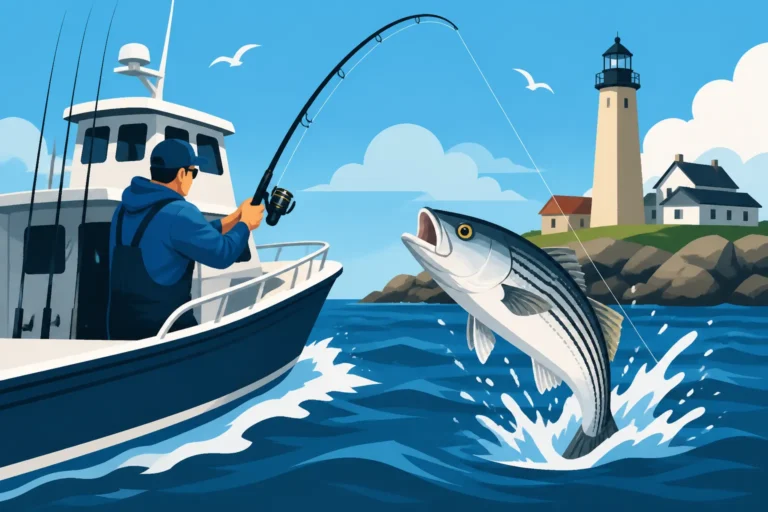
For those who crave access to more remote areas of the Canal or prefer the comfort and maneuverability of a vessel, boat-based guided trips are the way to go. These guides typically operate custom-built center consoles or specialized skiffs designed to handle the Canal's strong currents and variable depths. A boat gives you the freedom to move quickly between hot spots, chase down breaking fish, and explore areas that are completely inaccessible to shore anglers. This can be particularly effective when fish are holding in deep channels or actively feeding in the middle of the Canal where shore casts can't reach.
On a boat-based trip, the guide will skillfully navigate the currents, positioning the boat precisely to maximize your casting opportunities or to drift bait through productive zones. They can utilize fish finders and other electronics to locate schools of bait and target fish, offering a distinct advantage. These trips are fantastic for anglers who want a comprehensive Canal experience, combining trolling, jigging, and bait fishing from a mobile platform. When considering a boat trip, remember that Massachusetts Recreational Fishing Rules and Bag Limits still apply, and your guide will ensure you're compliant. For those interested in deeper insights, you might also look into Massachusetts Striped Bass Charters that operate near the Canal for similar experiences.
Specialized Trip Options
Beyond the general shore and boat trips, some guides offer highly specialized experiences tailored to particular interests or techniques. For instance, dedicated fly fishing guides for the Canal are becoming more popular. They'll teach you how to cast heavy sinking lines, select appropriate fly patterns to imitate local baitfish, and present flies effectively in strong currents – a truly advanced and rewarding challenge. These trips cater to experienced fly anglers looking to push their skills in a unique environment.
Other specialized trips might focus exclusively on night fishing for trophy striped bass. The Canal comes alive after dark, offering a different set of challenges and rewards. Guides experienced in night operations know the specific lures, techniques, and safety protocols required for success under the stars. They can put you on fish that are often too wary to bite during daylight hours. When searching for these specific experiences, platforms like FishingBooker can be very useful for filtering guides by their specialties, ensuring you find someone who perfectly matches your desired adventure.
What to Expect from a Cape Cod Canal Guided Trip
Embarking on a guided fishing trip on the Cape Cod Canal is an exciting prospect, but knowing what to anticipate can help you make the most of your adventure. It's more than just getting on a boat or meeting someone on shore; it's an opportunity to learn, to challenge yourself, and hopefully, to land some incredible fish. Think of it as an educational journey as much as a fishing expedition.
Gear, Bait, and Expertise Provided
One of the biggest advantages of a guided trip is that the burden of gear selection and bait preparation is lifted from your shoulders. Reputable Canal guides typically provide all the necessary high-quality fishing rods and reels, meticulously spooled with appropriate line, and pre-rigged with the specialized lures and baits proven effective for the Canal's conditions. This means you don't need to invest in expensive, heavy-duty tackle specifically for this unique fishery, nor do you have to guess which jigs or plugs will work best on a given day. They'll have a cooler full of fresh bait, if bait fishing is on the agenda, saving you the hassle of sourcing it yourself.
Beyond the physical gear, you're paying for the guide's unparalleled expertise. They are essentially a walking, talking encyclopedia of the Cape Cod Canal. They will explain why they chose a particular spot, how the current is behaving, what baitfish are present, and precisely how to work your lure to maximize strikes. They'll offer casting tips, help you identify bites that might feel unfamiliar, and provide immediate feedback to improve your technique. It’s an immersive learning experience that would take years to acquire on your own. This is where you can truly grasp the nuances of Jigging Techniques for Cape Cod Canal Stripers or understand the subtle differences in rod action needed for various lures.
Trip Logistics and Duration
Most guided Canal trips, whether by boat or from shore, are offered in half-day (typically 4-5 hours) or full-day (6-8 hours) formats. The duration often depends on the target species, the tides, and the physical demands of the fishing style. Your guide will communicate the meeting time and location well in advance, usually a convenient public access point near the Canal. It's critical to be punctual, as Canal fishing is heavily tide-dependent, and missing even a few minutes of a prime tide swing can make a big difference.
A typical boat trip might start with a quick run to a promising spot, followed by periods of jigging, casting, or trolling as the guide monitors conditions and fish activity. Shore-based trips often involve walking to several key spots, with the guide demonstrating casting techniques and helping you interpret the water. Be prepared for varying weather conditions; dress in layers, and bring rain gear even if the forecast looks clear. The guide will handle navigation, safety protocols, and ensuring everyone has a fair chance at catching fish, making the logistics seamless so you can focus on fishing.
Learning the Ropes
A guided trip on the Cape Cod Canal is perhaps one of the best educational opportunities an angler can have. Don't view it solely as a chance to catch fish (though that's certainly a major goal!), but as an intensive workshop designed to elevate your fishing skills. Your guide will likely share local lore, explain the Canal's history, and provide context for why certain areas fish better than others. They'll teach you about the specific baitfish that migrate through, what predatory fish key in on, and how to identify their feeding patterns.
Beyond practical fishing techniques, you'll learn about conservation efforts, ethical angling practices, and how to properly handle and release fish. Many guides are passionate educators who love sharing their knowledge. Don't be shy to ask questions – about the tides, the gear, the fish behavior, or even the best local eateries. The more engaged you are, the more you'll absorb. This learning aspect is a huge return on investment, equipping you with insights and skills that you can apply to your future solo fishing trips, both on the Canal and elsewhere. You'll gain a deeper understanding of Cape Cod Canal Fishing Guide for Massachusetts Anglers from a true expert.
Choosing the Right Canal Fishing Guide
Deciding to book a guided trip is the first step; choosing the right guide is equally important. Not all guides are created equal, and finding someone whose expertise, personality, and approach align with your expectations can make all the difference between a good trip and a truly memorable one.
Researching Reputable Guides
The Cape Cod Canal has a strong community of dedicated guides, many of whom have spent their lives learning its secrets. Start your search by looking for guides with extensive experience specifically on the Canal, rather than just general saltwater guides. Look for guides who are known for targeting the species you're most interested in, be it trophy striped bass or feisty bluefish. Online reviews and testimonials are incredibly valuable for gauging a guide's professionalism, fishing success, and teaching style. Websites like FishingBooker are excellent resources for finding local guides, comparing their offerings, reading past client reviews, and seeing their availability. This kind of platform offers a consolidated view of options, making your research much easier than scouring individual websites.
Don't hesitate to check out a guide's social media presence or personal website. Many guides post photos of their catches and offer detailed descriptions of their trips, giving you a good sense of what to expect. Pay attention to how they interact with clients in photos and comments; you want someone patient, knowledgeable, and enjoyable to spend several hours with on the water. A truly reputable guide will also be properly licensed and insured, ensuring your safety and peace of mind, so don't be afraid to ask about their credentials, including their U.S. Coast Guard captain's license if booking a boat trip.
Understanding Pricing and Inclusions
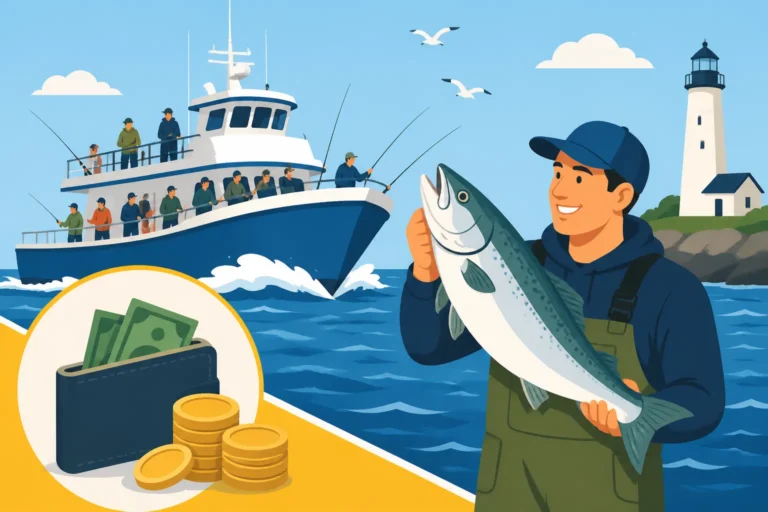
Guide fees for Cape Cod Canal trips can vary widely depending on the type of trip (shore vs. boat), duration (half-day vs. full-day), and the guide's experience and reputation. It's crucial to get a clear understanding of the pricing structure before you book. Most guides will quote a flat rate for the trip, which typically includes the guide's time, all necessary fishing gear (rods, reels, lures), and bait. However, always confirm what is and is not included. For example, some guides might provide snacks and drinks, while others expect you to bring your own.
What about fishing licenses? Generally, charter boat operations will cover the Massachusetts recreational saltwater permit for all passengers. However, if you're doing a shore-based guided trip, you'll almost certainly need your own Massachusetts Fishing License Guide. It's always best to clarify this with your guide beforehand to avoid any last-minute surprises or delays. Tipping is also a customary practice in the guiding industry; consider what's appropriate based on your satisfaction with the trip and the guide's effort. A conversation about expectations around Is Tipping Expected on a Massachusetts Fishing Charter? is always a good idea. Make sure you understand any cancellation policies, especially for weather, which can be found in discussions like Massachusetts Charter Fishing Cancellation Policies.
Communicating Your Expectations
Before finalizing your booking, have an open and honest conversation with your prospective guide about your fishing goals and expectations. Are you a complete beginner hoping for a basic introduction to the Canal? Are you an experienced angler looking to learn advanced techniques for targeting large striped bass? Do you prefer light tackle action or are you set on catching a trophy? Being upfront about your skill level and what you hope to achieve will help the guide tailor the trip to your needs and ensure a more satisfying experience for everyone.
Discuss the time of year you plan to visit and the species that are typically active then. If you have a specific target in mind, like mastering How to Catch Striped Bass in Massachusetts from the Canal, make sure the guide specializes in that. A good guide will appreciate your honesty and will be able to tell you realistically what's possible given the conditions and season. This pre-trip communication sets the foundation for a successful partnership and helps manage expectations, ensuring that both you and the guide are on the same page for your Cape Cod Canal adventure.
Maximizing Your Guided Canal Fishing Experience
You've invested time and money into a guided trip on the Cape Cod Canal, so why not make the absolute most of it? A successful trip isn't just about catching fish; it's about learning, enjoying the process, and ensuring you're prepared. Here are some tips to enhance your guided experience.
Preparation and What to Bring
Even though your guide provides much of the essential gear, there are crucial items you should bring to ensure your comfort and safety. First and foremost, check the weather forecast for the day of your trip, but always dress in layers. Conditions on the Canal can change rapidly, and it can often be colder or windier right on the water than inland. A good quality waterproof jacket and pants are almost always a wise choice. Bring polarized sunglasses to reduce glare and help you see into the water, and a hat for sun protection. Sunscreen is also non-negotiable, even on cloudy days.
Pack enough water and snacks to stay hydrated and energized throughout your trip. Fishing, especially in the Canal's currents, can be physically demanding. If you have any personal medications, remember to bring them. Consider a small waterproof bag for your phone, camera, and other personal items. And of course, don't forget your valid Massachusetts fishing license (unless clarified otherwise by a boat charter that covers it) and any relevant permits. For instance, if you are a nonresident, ensure you understand the Massachusetts Fishing License for Nonresidents requirements. This preparation allows you to focus entirely on fishing and learning, rather than being distracted by discomfort.
Etiquette and Safety on the Canal
Respecting your guide and the environment is paramount. Listen attentively to your guide's instructions, especially regarding safety. The Cape Cod Canal, with its strong currents and commercial traffic, can be a dangerous place if not treated with caution. Your guide is there to ensure your safety first and foremost. Be mindful of casting space, especially if there are multiple anglers on a boat or crowded shorelines. Avoid casting over other lines. When a fish is hooked, follow your guide's directions to land it efficiently and safely, minimizing stress on both the fish and your gear.
Communication is key. If you need a break, feel unwell, or have any concerns, speak up. Good guides appreciate open communication. Remember that guides work hard to put you on fish and ensure a great experience, so showing appreciation for their effort, regardless of the size of the catch, goes a long way. This includes being ready to tip appropriately at the end of the trip. The Canal can also be a busy place, so observing proper boating etiquette if on a boat, or respecting private property and public access rules if on shore, are essential for a positive experience.
Applying What You've Learned
A guided trip is an investment in your fishing education. To truly maximize its value, actively engage with your guide and commit to applying what you learn. Take mental notes – or even physical ones, if appropriate – about the tackle they use, the specific retrieve patterns, the locations they choose, and how they read the water. Ask "why" questions: "Why did we choose this lure here?" or "Why is this tide better for this spot?" Understanding the reasoning behind their actions is far more valuable than simply mimicking them.
After the trip, take some time to reflect on the experience. What techniques did you learn that you can apply elsewhere? How has your understanding of currents, structure, and fish behavior changed? The goal isn't just to catch fish on that day, but to gain skills that will make you a more confident and successful angler for years to come. Your guide has given you a blueprint for tackling the Canal; now it's up to you to continue building on that knowledge in your future outings. The information you gather on things like the Best Tide for Fishing the Cape Cod Canal from a seasoned pro will be invaluable for your next solo adventure.
Comparison of Canal Guided Trip Types
To help you decide which type of guided trip might be best for your Cape Cod Canal adventure, here's a quick comparison:
| Feature | Shore-Based Guided Trip | Boat-Based Guided Trip |
|---|---|---|
| Access | Public access points, walking trails | All areas of the Canal, including remote sections |
| Movement | Walking, driving to various spots on land | Rapid movement between hot spots via boat |
| Techniques | Primarily surfcasting, jigging from shore | Jigging, casting, trolling, bait fishing from boat |
| Visibility | Limited to shore and nearshore structures | Enhanced by fish finders and electronics for underwater features |
| Physical Demand | Moderate to high (walking, casting heavy lures) | Moderate (standing, casting, less walking) |
| Cost | Generally lower than boat trips | Generally higher due to boat operation and maintenance |
| Learning Focus | Reading currents from shore, land-based casting skills | Boat handling, advanced electronics use, varied techniques |
| Ideal For | Beginners to shore fishing, budget-conscious, those who enjoy land-based challenges | Anglers seeking comprehensive access, deeper understanding, higher comfort |
| Permits | Angler must have personal MA fishing license (freshwater and/or saltwater) | MA recreational saltwater permit often covered by charter; confirm for details |
Disclaimer
This article is for general informational purposes only and does not constitute professional advice. Laws, prices and regulations vary by location and change over time. Consult a qualified professional for guidance on your specific situation.