Jigging Techniques for Cape Cod Canal Stripers
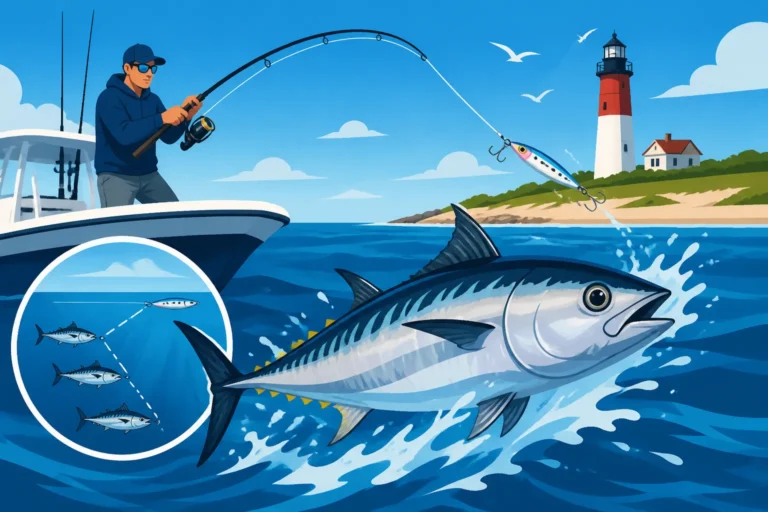
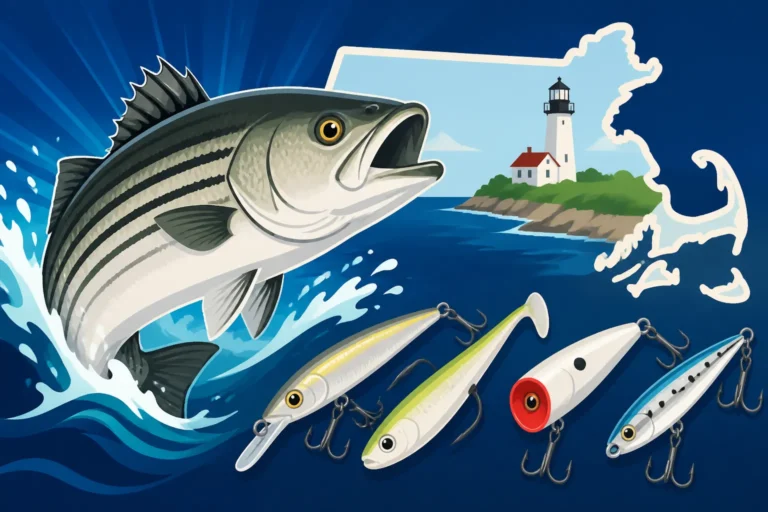
Jigging for striped bass in the Cape Cod Canal is an experience unlike any other in Massachusetts. It's exhilarating, challenging, and can be incredibly rewarding, but let's be honest, it can also be downright frustrating. The powerful currents, the rocky bottom, and the sheer number of anglers mean that without the right techniques and gear, you might just find yourself snagging constantly and heading home empty-handed. This comprehensive guide is designed to help you cut through the chaos, understand the unique demands of the Canal, and truly master the art of jigging to consistently hook into those elusive stripers.
Understanding the Cape Cod Canal's Unique Challenges
Fishing the Cape Cod Canal isn't like casting into a quiet pond or a gentle ocean surf. This is a man-made waterway that connects Buzzards Bay to Cape Cod Bay, creating a tidal flow that's more akin to a raging river. Understanding these specific challenges is the first step toward successful jigging.
The Mighty Current and Its Impact
The sheer force of the current in the Cape Cod Canal is, without a doubt, its most defining characteristic and its biggest challenge for anglers. Tidal exchanges between Buzzards Bay and Cape Cod Bay funnel immense volumes of water through this relatively narrow channel, creating currents that can easily exceed 4-5 knots, and sometimes even more in certain sections. This isn't just about making your lure move; it dictates everything from your jig weight selection to your casting angles and retrieve speed. A lightweight jig in a strong current will simply get swept away, never reaching the bottom where the stripers are often holding. You'll feel your line pulling taut, but it's the current, not a fish. Furthermore, this powerful flow constantly churns up baitfish and disorients them, making the Canal a natural ambush point for hungry stripers. Your goal with jigging is to mimic a struggling baitfish, swept by the current, making an easy meal for a bass hunkered down out of the main flow.
Bottom Structure and Snags
Beneath the swirling surface of the Canal lies a veritable minefield of rocks, ledges, and debris. This isn't a smooth, sandy bottom; it's rugged, uneven terrain, designed to withstand the immense erosive power of the currents. For anglers, this means a constant battle against snags. Losing jigs is just part of the game here, and if you're not mentally prepared for it, you'll get discouraged quickly. Striped bass often use these underwater structures as current breaks, hiding behind them to conserve energy while waiting for bait to be swept by. Your job is to get your jig down to their strike zone without getting irrevocably stuck. This requires a delicate touch, an understanding of the bottom contours, and a willingness to adjust your technique on the fly. Knowing how to feel the difference between a bump on the bottom and a strike can take time, but it's crucial for effective jigging.
Targeting Big Stripers in the Ditch
The Cape Cod Canal is legendary for producing some truly massive striped bass, often referred to affectionately as "ditch pickles." These are not your average schoolie stripers; these are powerful, mature fish that have learned to thrive in this challenging environment. They are opportunistic predators, often lurking near the bottom or along the channel edges, waiting for the perfect moment to ambush baitfish. Jigging is particularly effective for these larger fish because it allows you to present a substantial lure directly in their face, mimicking the larger bait they prefer. The sheer size and power of a Canal striper can be astounding, and hooking into one on a jig rod is an unforgettable experience. They fight with incredible determination, using the current to their advantage, making every landed fish a hard-earned trophy. Focusing your efforts on areas known for deeper water, strong current breaks, and pronounced bottom structure will increase your chances of connecting with these giants.
Essential Jigging Gear for the Canal
Having the right equipment isn't just about comfort; it's about efficacy and durability when you're fishing a place as demanding as the Cape Cod Canal. Skimping on gear here is a recipe for frustration and lost fish.
Rods, Reels, and Line Selection
For serious Canal jigging, you need a setup that can handle heavy lures, strong currents, and even stronger fish. A sturdy rod is paramount. Look for a fast-action spinning rod, typically between 8.5 to 10 feet in length, rated for casting heavy lures—often 3 to 8 ounces, sometimes even more. A medium-heavy to heavy power rod will provide the backbone needed to cast those heavier jigs and fight powerful stripers in strong currents. Brands like St. Croix, Lamiglas, or custom rod builders often have specific models designed for this kind of rigorous use.
When it comes to reels, you'll want a robust spinning reel in the 6000 to 8000 size range, known for its smooth drag system and strong gearing. Think Shimano Saragosa, Daiwa BG, or Penn Spinfisher V or VI. These reels need to withstand saltwater exposure and repeated battles with hard-fighting fish. A reel with a high retrieve rate can also be beneficial when you need to quickly pick up slack or work a jig rapidly through the water column.
Your line choice is critical. Braided line is almost universally preferred for Canal jigging due to its zero stretch, which provides superior sensitivity to feel subtle bites and bottom structure, and its incredible strength-to-diameter ratio. Opt for 40 to 60-pound test braided line. While it's strong, braid is also susceptible to abrasion, so you'll always want to tie on a leader of fluorocarbon or monofilament. A 40 to 60-pound test fluorocarbon leader, typically 3-5 feet long, offers excellent abrasion resistance against rocks and sharp barnacles, plus it's less visible to the fish. You can find quality braided line and fluorocarbon leaders easily on platforms like Amazon, making it convenient to stock up.
Choosing the Right Jigs: Weight, Shape, and Color
The variety of jigs available can be overwhelming, but for the Canal, specific characteristics are key. The most important factor is weight. You need to match your jig weight to the current speed. On a strong tide, you might need a 4-ounce jig, while on a slacker tide, a 2-ounce might suffice. Anglers often carry jigs from 1 ounce all the way up to 6 or 8 ounces to adapt to changing conditions. Heavier jigs help you get to the bottom quickly and stay there.
When it comes to shape, epoxy jigs, metal jigs, and bucktail jigs are popular choices. Epoxy jigs like the A.O.T. Epoxy Jigs mimic baitfish and cast a mile. Metal jigs, such as the famous Canal-specific offerings from Gibbs Lures or the traditional Crippled Herring jigs, are dense, sink fast, and have a shimmering action that drives stripers wild. Bucktail jigs, often tipped with a soft plastic trailer like a Hogy or Z-Man, offer a more subtle, pulsating action that can be irresistible to finicky fish.
Color can sometimes make a difference, though presentation often trumps color in the Canal. Common choices include white, chartreuse, olive, pink, or natural baitfish patterns like mackerel or sand eel. Having a few different colors and styles on hand allows you to experiment and see what the stripers are keying in on that particular day. Don't be afraid to try something unexpected if the bite is slow. Many anglers have their favorite go-to Canal jigs, and you'll quickly develop yours.
Here's a quick guide to jig weight considerations for typical Canal currents:
| Current Speed (knots) | Recommended Jig Weight (ounces) | Notes |
|---|---|---|
| 0-1 (Slack Tide) | 1-2 oz | Lighter jigs, easier to work, longer hang time. |
| 1-2 (Building/Dying) | 2-3 oz | Moderate weight, good for feeling the bottom without heavy drag. |
| 2-3 (Moderate Flow) | 3-4 oz | Standard weight for many conditions, gets down effectively. |
| 3-4 (Strong Flow) | 4-6 oz | Heavy jigs required to reach the bottom and maintain contact. |
| 4+ (Very Strong Flow) | 6-8+ oz | Max weight, often requires specialized tackle to manage. |
Note: These are general guidelines; actual jig weight needed can vary based on line diameter, casting distance, and specific location in the Canal.
Terminal Tackle and Accessories
Beyond the main rod and reel, a few key pieces of terminal tackle and accessories will make your jigging experience much smoother.
- Swivels and Snaps: High-quality barrel swivels (size 3-5) and strong snap swivels are essential for connecting your leader to your braid and for quickly changing jigs. Spro Power Swivels are a popular, durable choice.
- Split Rings and Treble Hooks: Many jigs come with decent split rings and treble hooks, but often upgrading them to stronger, corrosion-resistant versions (like Owner ST-66 or VMC 9626 hooks) can prevent straightened hooks and lost fish. Some anglers prefer to swap the treble for a single, stout inline hook to reduce snags and make hook removal easier.
- Pliers and Cutters: A good pair of saltwater-resistant pliers (like Danco or Rapala) for crimping, hook removal, and cutting line is indispensable. Bring a sharp pair of braid scissors or line cutters too.
- Bait/Tackle Bag: A comfortable, durable bag or backpack to carry your jigs, leaders, pliers, and other essentials is a must. You'll be walking and climbing rocks, so having your gear organized and accessible is important.
- Headlamp: If you plan on fishing before dawn or after dusk (which are often prime times), a reliable headlamp with a red-light option will be invaluable for tying knots and navigating.
- Waders and Boots: While not strictly terminal tackle, proper footwear and waders are critical for comfort and safety. Choosing reliable gear, which you can often find readily on Amazon, makes a huge difference. You'll be standing on wet, slippery rocks for hours.
- Fish Grips and Measuring Tape: For safely handling large stripers and ensuring they meet the Massachusetts Striped Bass Slot Limit Explained, a set of fish grips and a legal measuring device are crucial.
Mastering Jigging Techniques for Stripers
Jigging isn't just about dropping a lure; it's an art form that involves a dynamic interplay between angler, current, and fish. There are several effective techniques, each with its nuances.
Vertical Jigging: The Classic Approach
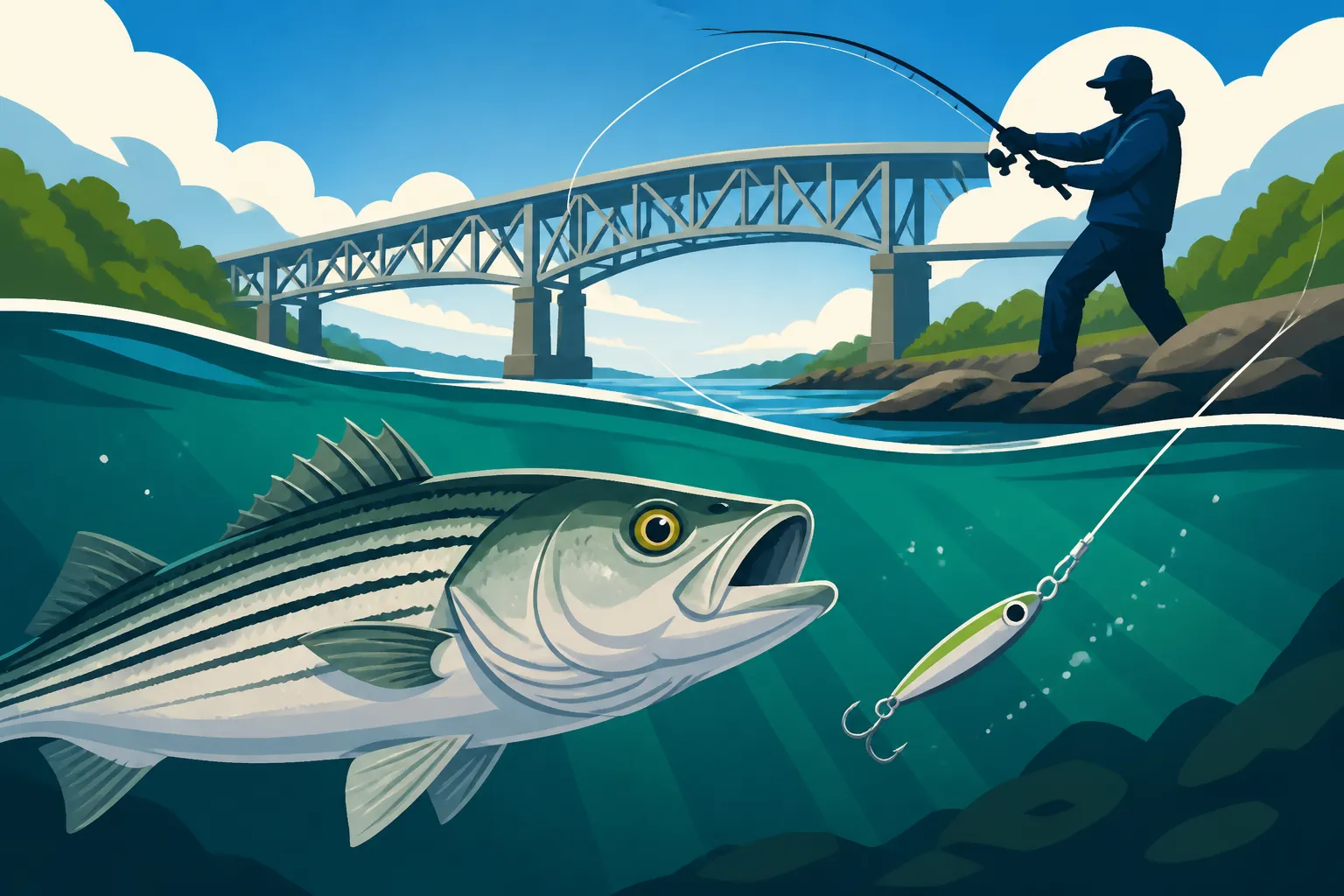
Vertical jigging is perhaps the most direct and often the most effective method for targeting stripers hunkered down near the bottom in strong currents. The idea is simple: get your jig to the bottom and work it vertically. After casting slightly upstream and letting your jig sink, you'll feel it hit the bottom. The key here is to maintain a constant "feel" of the bottom. You do this by quickly lifting your rod tip, perhaps 1-3 feet, and then allowing the jig to flutter back down on a semi-slack line, reeling up the slack just enough to keep contact without moving the jig too far off the bottom.
The strike often comes on the fall, as the jig appears like a wounded baitfish tumbling in the current. It can be a subtle "thump" or a sudden, aggressive pull. It’s crucial to set the hook immediately and with authority when you feel anything out of the ordinary. Experiment with the height and speed of your lifts, as well as the pause between each jig. Sometimes a rapid series of short hops works, other times a slower, longer lift and fall is more appealing. The goal is to make your jig dance tantalizingly right in the strike zone, which is typically within a foot or two of the bottom. This technique is particularly effective in deeper sections of the Canal or when fishing from a boat.
Casting and Sweeping Jigs
This technique is a staple for shore anglers at the Canal. Instead of a purely vertical retrieve, you're using the current to your advantage to sweep the jig across the bottom. You'll make a long cast, often slightly upstream and out, allowing the jig to sink to the bottom. Once it hits, you want to retrieve just fast enough to keep the jig bouncing or "sweeping" along the bottom, letting the current do most of the work to carry it downstream.
The rod tip is key here: keep it pointed towards the line, maintaining tension but allowing the jig to drift. You're not actively pumping the rod as much as in vertical jigging; instead, you're using long, slow sweeps of the rod, dropping it back to allow the jig to touch down, and then reeling in slack as the current moves the jig along. Think of it like a pendulum swing. The jig should be occasionally making contact with the bottom, kicking up puffs of sand or mud, mimicking a struggling sand eel or mackerel. Strikes can occur at any point in the sweep, often when the jig is making contact or just as it lifts off the bottom. This method covers a lot of water and is extremely effective for stripers that are spread out or actively feeding. This is often the preferred method during Best Tides for Striped Bass Fishing in Massachusetts]).
Working the Bottom: Bounce and Drag
Sometimes, the stripers are truly glued to the bottom, especially when the current is raging, or they're feeling a bit lethargic. This is where a slower, more deliberate "bounce and drag" technique comes into play. After casting and letting your jig sink, instead of lifting the rod high, you're working the jig with very short, subtle hops, barely lifting it off the bottom, or even just dragging it.
Imagine your jig as a crab or a bottom-dwelling baitfish trying to stay put in the current. You'll feel the jig bumping and grinding against the rocks and sediment. This technique requires excellent feel and a good understanding of the bottom structure to avoid immediate snags. Often, a slow, methodical retrieve, punctuated by brief pauses, can trigger strikes from cautious stripers. The key is to keep the jig in the strike zone for as long as possible, right where the big bass are hiding from the current. This method is especially useful when baitfish are scarce, and stripers are less inclined to chase fast-moving lures. Don't be afraid to let your jig sit for a second or two in promising pockets or eddies before moving it again.
Reading the Canal: Tides, Currents, and Conditions
The Cape Cod Canal is a dynamic environment where success often hinges on your ability to interpret and adapt to the ever-changing conditions. It’s a bit like a complex puzzle that keeps shifting.
Decoding the Tides: East vs. West Flow
Understanding the tidal flow is arguably the single most important factor for jigging in the Canal. The tide essentially dictates the speed and direction of the current, which in turn influences fish behavior and where they hold. The Canal experiences two main flows: the East Current (from Buzzards Bay into Cape Cod Bay) and the West Current (from Cape Cod Bay into Buzzards Bay). Each flow has its distinct characteristics and optimal fishing spots.
Typically, the first 2-3 hours of a strong flow are prime time. As the current builds, baitfish get swept along, and stripers position themselves in ambush points. During the absolute peak of the tide (mid-flow), the current can be too strong to effectively fish many areas, making it hard for your jig to reach the bottom and for stripers to comfortably feed. The last 2-3 hours of a strong flow, as the current begins to slow, can also be very productive as baitfish become disoriented and stripers sense an easier meal.
Slack tide, the brief period when the current reverses, can be hit or miss. Sometimes it offers a window for lighter jigs and a more relaxed retrieve, but often the bite dies down during this transition. Knowledge of the tidal charts is essential. Websites and apps provide real-time and predicted tide information for the Canal. Many experienced anglers plan their entire trip around these tidal windows, often focusing on Best Time of Day to Fish the Cape Cod Canal]) for optimal results.
Impact of Wind and Weather
While the tide is king, wind and other weather conditions certainly play a significant role. A strong headwind can make casting heavy jigs incredibly difficult, reducing your effective range and increasing line bow in the current, making it harder to feel bites. Conversely, a tailwind can help with casting distance but might make controlling your jig in the current more challenging. Crosswinds are often the most problematic, creating significant line belly that makes bottom contact and bite detection nearly impossible.
Rain, fog, and changes in barometric pressure can also influence striper activity. Often, a steady rain can improve fishing, especially if it's accompanied by low light conditions. Fog can disorient baitfish and create a low-visibility hunting environment for stripers, but it also adds a layer of navigational challenge for boaters and shore anglers. Always check the marine forecast in addition to standard weather reports before heading to the Canal, paying particular attention to wind speed and direction, as these factors can dictate which side of the Canal is fishable, or if you should even venture out.
Prime Times and Locations
Stripers in the Canal are often most active during periods of low light: dawn, dusk, and throughout the night. These are typically when they feel most comfortable hunting and when baitfish are often more vulnerable. However, good fishing can certainly be had during the day, especially on overcast days or when schools of baitfish are present.
Certain sections of the Canal are legendary for their productivity. Areas like the East End, West End, and specific "rip rap" sections in between offer varied depths, current breaks, and bottom structure that appeal to stripers. The railroad bridge area, for instance, is a well-known hotspot. Other popular spots include the power plant outflow and multiple culverts that add varied flows and bait concentrations. Experienced jig fishermen will often scout these Cape Cod Canal Striped Bass Fishing Spots]) at low tide to identify underwater features they can't see at high tide, like submerged rocks, drop-offs, and eddies, which become prime ambush points for stripers when the current is running. Your ability to locate and precisely cast to these spots will greatly increase your success.
Advanced Strategies and Troubleshooting
Even with the best gear and techniques, the Canal can throw curveballs. Advanced strategies help you adapt, and troubleshooting helps minimize frustration.
Adapting to Finicky Fish
Sometimes, the stripers are just not cooperating. They might be present, but they're refusing to strike. This is when adaptation becomes key. First, try changing your jig. If you've been using a metal jig, switch to a bucktail with a soft plastic trailer for a softer, more subtle presentation. If you're on a single color, try something brighter or a more natural pattern. You can also experiment with different trailer types; sometimes adding a small Berkley Gulp! or a specific soft plastic tail can make all the difference.
Beyond lure choice, vary your retrieve. If a fast, aggressive jigging motion isn't working, slow it down. Try a dead-stick approach, letting the jig flutter more naturally in the current with minimal rod action. Sometimes, a very subtle twitch, barely moving the jig off the bottom, is all it takes to trigger a strike from a wary fish. Pay close attention to what other successful anglers are doing if you see them hooking up, but always be willing to try something different if nothing else is working. The fish's mood can change hourly, so don't get stuck on one technique.
Dealing with Snags and Break-offs
Snags are an inevitable part of Canal jigging. If you're not occasionally getting snagged, you're probably not fishing close enough to the bottom where the stripers are. However, minimizing break-offs is crucial. When you feel a snag, don't just yank hard. First, try to "bowstring" your line by pointing your rod directly at the snag and pulling straight back, then quickly letting go. The recoil can sometimes free the jig. Another technique is to walk upstream or downstream, changing the angle of your pull. Often, this can dislodge a jig caught between rocks.
If all else fails and you're truly stuck, try to break off cleanly. Point your rod directly at the snag, engage your reel's drag, and pull steadily until the line breaks. This avoids snapping your rod. To minimize damage, use a cheaper leader material than your main braid, ensuring the leader is the sacrificial link. And always carry plenty of extra jigs! Losing a few is a small price to pay for landing a trophy striper. Regularly check your leader for nicks and abrasions; even a small imperfection can lead to a break-off on a big fish.
Night Jigging for Stripers
Night jigging in the Cape Cod Canal is an entirely different beast and can be incredibly productive for larger striped bass. Under the cover of darkness, stripers are often bolder and more aggressive, moving into shallower water or more exposed areas they might avoid during the day. The absence of boat traffic and human activity also contributes to a more natural feeding environment.
For night jigging, light discipline is paramount. Use a headlamp with a red-light option to protect your night vision and avoid spooking fish. Your jigging techniques generally remain the same, but you might find success with slower retrieves and jigs that have a distinct silhouette. Glow-in-the-dark jigs or those with reflective tape can also be effective. The key is to rely more on feel and less on sight. Listen for splashes, pay attention to the subtle tugs on your line, and stay focused. Fishing at night requires extra caution due to reduced visibility, so always be aware of your surroundings, footing, and proximity to the water's edge. Carrying proof of your Massachusetts Fishing License Guide]) is also essential, day or night.
Safety First: Staying Safe While Jigging
The Cape Cod Canal, while an incredible fishing destination, is also a place that demands respect. Its powerful currents and rocky shores present real hazards that anglers must be aware of.
Footing and Awareness
The Canal's banks are primarily composed of granite riprap—large, uneven boulders that can be incredibly slippery when wet with dew, rain, or sea spray. One misstep can lead to a serious fall. Always wear appropriate footwear with excellent traction, such as studded wading boots or specialized fishing shoes. Prioritize steady footing over getting to that seemingly perfect, but precarious, casting spot. Move slowly and deliberately, especially in low light conditions or when the rocks are wet.
Beyond footing, situational awareness is vital. The Canal is a working waterway, with commercial and recreational boat traffic navigating its channels. Always be aware of passing vessels, especially larger ones, as their wakes can cause unstable footing and throw unexpected waves onto the shore. Pay attention to other anglers around you, especially when casting, to avoid accidental hook-ups or tangles. During the peak season, the banks can be crowded, so maintaining a respectful distance and communicating with fellow anglers is important for everyone's safety and enjoyment. Many anglers will also explore different areas in the Canal to find less crowded spots, as outlined in articles like Where to fish the Cape Cod Canal for striped bass]).
Channel Navigation and Boat Traffic
If you're fishing from a boat in the Canal, understanding the rules of navigation and the nuances of the channel is non-negotiable. The Canal is a designated federal navigation channel, and marine traffic has the right-of-way. Always keep a watchful eye out for tugboats, barges, recreational boats, and even large commercial ships. The currents can make maneuvering challenging, so anticipate movements and give plenty of space.
For shore anglers, it's easy to get absorbed in the fishing, but remember that the water right in front of you is a busy thoroughfare. Never cast directly into the path of an oncoming vessel. If fishing near bridges, be aware of restrictions and potential hazards. Understanding the Fishing License Rules for Massachusetts Boaters]) is also crucial if you venture out onto the water yourself. The Canal's swift currents also pose a risk if you were to accidentally fall in; wearing a PFD (Personal Flotation Device) is highly recommended, especially for solo anglers or those fishing in less accessible areas.
Emergency Preparedness
Being prepared for an emergency can make all the difference. Always let someone know where you are going and when you expect to return, especially if you're fishing alone or at night. Carry a fully charged cell phone. While cell service is generally good along the Canal, accidents can happen in remote sections.
A basic first-aid kit, including items for cuts, scrapes, and punctures (from hooks!), is a wise addition to your tackle bag. A whistle can be used to signal for help. If you're new to the area or feel uncertain about certain sections, consider joining an experienced angler or hiring a local guide. There are many excellent Cape Cod Canal Fishing Guides in Massachusetts]) who can not only put you on fish but also teach you the nuances of safe navigation and fishing practices in this challenging environment. Remember, no fish is worth risking your safety. Always prioritize your well-being over a potential catch. The thrill of landing a big striper is amazing, but getting home safely is the ultimate prize.
Disclaimer
Please note that fishing regulations, including bag limits, size restrictions, and seasons, can change. Always consult the latest Massachusetts Division of Marine Fisheries (Mass DMF) regulations before heading out to fish. This guide is for informational purposes only and should not replace official sources.