Where to fish the Cape Cod Canal for striped bass
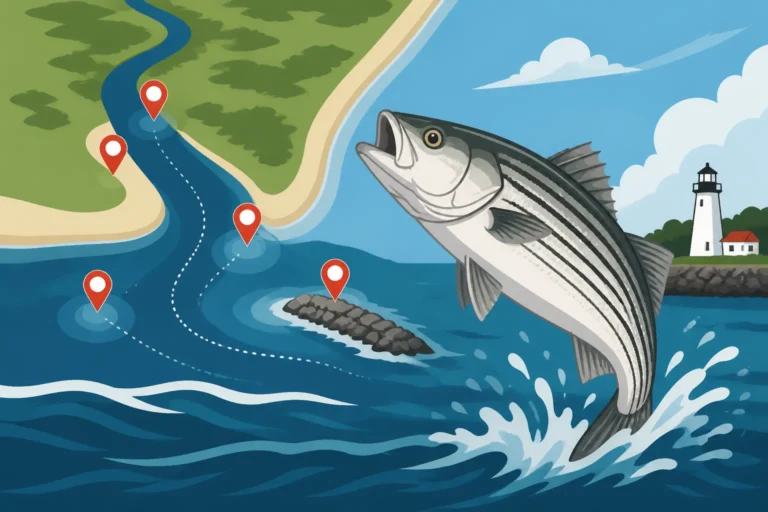
Fishing the Cape Cod Canal for striped bass can feel like trying to catch a greased watermelon in a hurricane, especially for newcomers. The incredibly strong currents, the crowds, and the sheer unpredictability of these powerful fish can be genuinely frustrating, leaving many anglers wondering where to even begin. This guide is here to cut through the confusion and pinpoint the most productive spots along the Canal where you have the best chance of hooking into those elusive striped bass.
Understanding the Cape Cod Canal's Unique Challenges for Striped Bass
The Cape Cod Canal isn't just any fishing spot; it's a dynamic, man-made waterway that presents a unique set of circumstances for both fish and fishermen. If you don't understand these nuances, you'll spend more time untangling your line and less time reeling in a monster.
The Powerful Current and Tides
First and foremost, the Canal is defined by its incredible current. Connecting Buzzards Bay and Cape Cod Bay, the tides surge through this narrow channel, creating flows that can reach up to 4-5 knots. This isn't your average river drift; it's a torrent that can easily pull your line, sinkers, and even you if you're not careful. This powerful current is a double-edged sword: it makes fishing challenging, but it's also what draws the baitfish, and thus the striped bass, into the Canal in massive numbers.
Anglers often get overwhelmed trying to decide when to fish. Do you fish the incoming tide? The outgoing? Slack tide? It’s a constant puzzle, and getting it wrong means your lure might just sit there doing nothing, or it might get swept away before it even reaches the fish. The fish themselves use the current to their advantage, ambushing baitfish that are struggling against the flow. Knowing when and where they'll set up shop in this rush of water is critical. For more on this, check out our guide on How to Fish a Falling Tide at the Cape Cod Canal.
Navigating the Crowds and Access Points
Another significant challenge, especially during peak seasons, is the sheer number of anglers flocking to the Canal. On a good day, particularly during the spring or fall run, the Canal banks can be lined shoulder-to-shoulder with fishermen. This means you’re not just competing with the fish; you’re competing for casting space, parking, and even a sliver of peace. It can feel intimidating, and finding a productive spot without stepping on someone's toes requires a bit of local knowledge and respect.
Access points are generally well-marked, but parking can be a nightmare. Many of the prime fishing locations have limited parking, and during busy times, you might find yourself walking a considerable distance with all your gear. It’s a workout, for sure, but it’s part of the Canal experience. Knowing the specific parking areas and when to arrive (usually very early) can make all the difference in getting a good start to your day. Our guide on Where to park for Cape Cod Canal fishing delves into this more.
Top Productive Spots for Striped Bass in the Cape Cod Canal
The Cape Cod Canal, despite its formidable reputation, has several key areas that consistently produce good numbers of striped bass. These spots are popular for a reason – they offer strategic advantages due to current breaks, depth changes, or access to baitfish.
East End: Scusset Beach to Sagamore Bridge
The eastern end of the Canal, stretching from Scusset Beach to the Sagamore Bridge, is a legendary section. This area is often the first to see the major runs of striped bass, especially in the spring. The current here can be absolutely brutal, but it's also where you'll find significant rips and eddies that stripers love to hold in.
Scusset Beach Area: This is a great starting point for many anglers. The beach itself offers excellent surfcasting opportunities, particularly during the outgoing tide as baitfish are flushed out of the Canal into Cape Cod Bay. There's ample parking (though it fills up fast on weekends), and the jetties provide good casting platforms. Anglers often target the boulder fields and drop-offs just beyond the jetties. The challenge here is making long casts to reach the fish, and having the right gear is paramount.
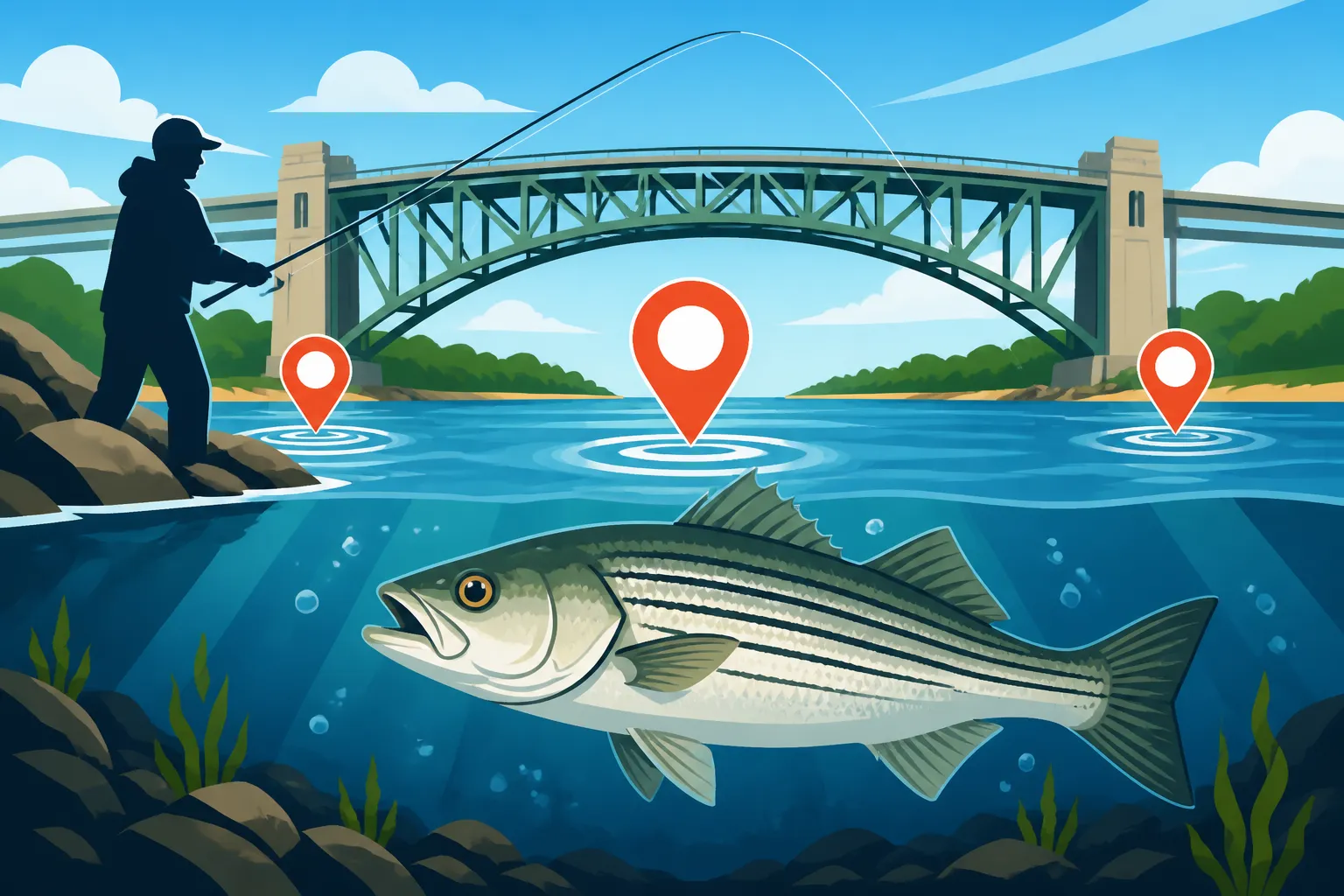
Sagamore Bridge: Both sides of the Sagamore Bridge offer fantastic fishing. On the north side, the "Power Plant" area (though the plant is decommissioned, the name sticks) creates complex currents and eddies that hold bait and bass. The rock piles and structure around the bridge pilings are classic ambush points for large stripers. On the south side, the banks near the bridge offer similar opportunities, with deep water and strong currents. You'll often see anglers here "chunking" (using cut bait) or jigging heavy lures into the depths. The bridge itself acts as a massive current break, and knowing how to fish the edges of that break is key.
Mid-Canal: Bourne Bridge to Power Plant
The middle section of the Canal, roughly between the two bridges and extending towards the former power plant, is characterized by its deeper waters and more uniform current. This area can be less hectic than the bridge zones but no less productive, especially when large schools of bait are moving through.
The "Ditch" Area (West of Sagamore Bridge): This section refers to the deeper, straighter stretches of the Canal. While it lacks the dramatic structure of the bridge areas, the deep channels here are perfect for trolling or for shore anglers using large, heavy jigs or swimmers that can get down to where the fish are holding. The trick here is often finding the bait. If you see birds diving, that's your cue. Fishing during the Best Time of Day to Fish the Cape Cod Canal can also make a huge difference in this more open section.
Bourne Bridge: Similar to the Sagamore, the Bourne Bridge offers significant structure and turbulent water that striped bass find irresistible. The areas directly under and around the bridge are honey holes, but they require precise casting and heavy tackle to avoid snagging. The currents are incredibly strong here, so using appropriate jigging techniques, as discussed in Jigging Techniques for Cape Cod Canal Stripers, is essential. Both the north and south sides provide excellent vantage points, but be prepared for a fight once you hook a fish in this powerful flow.
West End: Phinney's Harbor to Hog Island
The western end of the Canal, extending towards Buzzards Bay, often gets less attention than the eastern side but can be incredibly productive, especially during the fall run when stripers are heading south.
Tidal Flats and Drop-offs: As the Canal opens into Buzzards Bay, you'll find more tidal flats and deeper drop-offs. These areas are excellent for striped bass that are staging to enter or exit the Canal. The current here, while still strong, can be a bit more forgiving than the mid-Canal, allowing for a wider range of techniques. Fly fishing can even be effective in certain spots during slower current periods.
Hog Island Channel: Just outside the main Canal entrance on the Buzzards Bay side, the Hog Island Channel is a notable area. It's a natural choke point where baitfish often congregate before entering the Canal, making it a prime feeding ground for striped bass. Boat anglers frequently target this area, but shore access can also yield results. These areas tend to be less crowded than the main Canal banks, offering a more relaxed fishing experience if you’re willing to explore. You might consider looking at local guides on platforms like FishingBooker if you want to explore these less accessible but productive spots by boat.
Essential Gear and Techniques for Canal Stripers
You simply cannot show up to the Canal with light freshwater gear and expect to land a decent striped bass. The conditions demand robust equipment and specific methods. It's an investment, but one that pays off when you hook into a true Canal monster.
Rods, Reels, and Line for the Canal
For Canal fishing, power and durability are paramount. You're dealing with strong currents, heavy lures, and powerful fish.
- Rods: Think heavy-duty surf rods. A rod in the 10 to 12-foot range, rated for casting weights from 3 to 8 ounces, is ideal. Look for models with a fast action to handle heavy lures and provide the backbone needed to fight big stripers in strong current. Brands like Lamiglas, St. Croix, and Century are popular among serious Canal anglers, though there are excellent options at various price points.
- Reels: A large, durable spinning reel (size 7000-10000) or a conventional reel capable of holding a substantial amount of heavy braided line is essential. The drag system must be incredibly smooth and powerful, as Canal stripers will test it to its limits. Penn Spinfisher, Shimano Saragosa, and Daiwa Saltist are common choices that stand up to the abuse.
- Line: Braided line is the standard. It offers superior strength-to-diameter ratio, no stretch for better sensitivity, and excellent casting distance. A 40-65 lb test braid is common. You'll typically tie a fluorocarbon or monofilament leader of 40-80 lb test, about 3-6 feet long, using a strong knot like an FG knot or an Albright knot. The leader provides abrasion resistance against rocks and sharp teeth.
Proven Lures and Baits for Striped Bass
What you throw into the Canal depends heavily on the conditions, time of day, and what baitfish are present. Adaptability is key.
Jigs and Soft Plastics: Bucktail jigs, often tipped with a piece of pork rind or a soft plastic trailer, are Canal staples. Their weight helps them get down in the current. Al Gag's Whip-It Fish and similar soft plastic paddle tails rigged on heavy jig heads are also incredibly effective. Colors like white, chartreuse, and olive green are perennial favorites. Jigging is a very active technique; you're constantly working the lure to mimic a wounded baitfish. Our guide on Best Lures for Striped Bass in Massachusetts provides a broader overview, but for the Canal, heavy jigs are king.
Plugs and Swimmers: Large, heavy subsurface swimmers and pencil poppers are excellent, especially when stripers are actively feeding on the surface or just below it. Big wooden or plastic plugs that can be cast a country mile are invaluable. Brands like Guppy Lures, Gibbs Lures, and Super Strike make some of the most sought-after Canal plugs. Fishing these requires a good understanding of current and how to "work" the lure to make it appear alive.
Live Bait and Chunking: While less common for the fast-paced action of casting and jigging, live eels or fresh chunks of menhaden (pogies) or mackerel can be incredibly effective, especially for larger, more sluggish fish holding in deeper holes or eddies. This is often done with a weighted rig, allowing the bait to sit on the bottom or drift naturally with the current. This method often requires patience but can yield impressive results.
Reading the Canal: Tides, Time of Day, and Seasonal Considerations
Mastering Canal fishing is less about luck and more about understanding the complex interplay of natural forces and fish behavior. It’s like a giant puzzle, and the tides are the most important piece.
Mastering the Tides: Crucial for Success
This cannot be stressed enough: the tides dictate everything in the Cape Cod Canal. The fish feed most actively during specific points in the tidal cycle, usually when the current is running strong.
- Incoming Tide (East to West): When the tide is incoming, water flows from Cape Cod Bay (east) through the Canal towards Buzzards Bay (west). Stripers often position themselves on the eastern side of the Canal, facing east, or in eddies and current breaks, ambushing baitfish being swept in.
- Outgoing Tide (West to East): Conversely, when the tide is outgoing, water flows from Buzzards Bay (west) through the Canal towards Cape Cod Bay (east). Fish will move to the western side, facing west, or find current breaks to conserve energy while waiting for bait.
- Slack Tide: This is the period of minimal current, occurring roughly around high and low tide. While some anglers find success during slack tide by targeting deeper holes with bait, it's generally considered less productive for active striper feeding compared to the strong current. However, it can be a good time to re-tie, refuel, and reposition before the next surge.
- The Turn of the Tide: The critical moments are often the hour before and the hour after the peak of the tide. This is when baitfish are most disoriented, and striped bass are often most aggressive. Predicting these times accurately, perhaps using a local tide chart or app, is vital.
Best Times to Hit the Canal
Beyond the tidal cycle, the time of day and year play a huge role.
- Dawn and Dusk: Like most predatory fish, striped bass are often most active during low light conditions. Sunrise and sunset are prime times, coinciding with the movements of baitfish. Many dedicated Canal anglers are on the banks well before dawn.
- Night Fishing: Don't overlook night fishing! Large stripers, especially, are notoriously nocturnal. They use the cover of darkness to hunt, and big eels or dark-colored plugs can be deadly. However, fishing the Canal at night requires extra caution due to the strong currents and slippery rocks.
- Seasonal Runs:
- Spring Run (May-June): This is when migratory stripers first arrive in Massachusetts waters, moving into the Canal to feed after their long journey north. This is often when the biggest fish of the season are caught. Understanding When striped bass season starts in Massachusetts is crucial.
- Summer (July-August): Fishing can be tougher during the heat of summer, with fish often moving into deeper, cooler water or feeding primarily at night. However, localized schools of smaller fish can still provide action.
- Fall Run (September-November): As temperatures drop, stripers begin their migration south, once again passing through the Canal in large numbers, often gorging themselves on baitfish before winter. This can be as epic as the spring run, sometimes even more so, especially for larger fish. For an even more detailed breakdown, consider our guide on the Best time of year to fish the Cape Cod Canal.
Here's a quick reference table for Canal fishing:
| Factor | Best Conditions for Striped Bass | Considerations & Tips |
|---|---|---|
| Tide Phase | Strong current (incoming/outgoing) | Fish the edges of current breaks; learn local tide charts. |
| Time of Day | Dawn, Dusk, Night | Low light offers ambush advantages; bring headlamps for night fishing. |
| Season | Spring Run (May-June) | First big wave of migratory fish; often larger individuals. |
| Fall Run (Sept-Nov) | Fish gorging before migration; can be incredibly active. | |
| Bait Presence | High concentrations of baitfish | Look for bird activity, bait schools on surface; match your lures to the prevalent bait. |
| Location | Current breaks, bridge structures | Eddy lines, boulder fields, drop-offs are key ambush points. |
| Weather | Overcast, light chop | Can stimulate feeding; avoid dangerously high winds/seas if boating. |
Planning Your Trip to the Cape Cod Canal
A successful Canal trip isn't just about showing up with gear; it involves careful planning, especially regarding regulations, access, and safety.
Parking and Regulations
As mentioned, parking can be a real headache. There are designated parking areas along both sides of the Canal, but they fill up fast, especially on prime fishing days. Always park in designated spots to avoid tickets or towing. Respect private property.
Licenses and Permits: Before you even cast a line, make sure you're properly licensed. For saltwater fishing in Massachusetts, you'll need a Massachusetts Saltwater Recreational Fishing Permit. It's a non-transferable permit and is required for anglers age 16 and older. Make sure you understand the Massachusetts Fishing License Guide and the specifics of the Massachusetts Saltwater Recreational Fishing Permit Explained. You can often purchase these online through MassFishHunt.
Bag Limits and Size Restrictions: Striped bass regulations in Massachusetts are subject to change, so it's critical to know the current slot limit and bag limits. The slot limit is designed to protect larger breeding fish. Keeping an undersized or oversized fish can result in significant fines. Always double-check the latest rules, which are typically found in the Massachusetts Recreational Fishing Rules and Bag Limits or on the MassWildlife website. For specific details on this, our article on the Massachusetts Striped Bass Slot Limit Explained is a great resource.
Safety First: What You Need to Know
The Canal is a powerful body of water and demands respect.
- Footing: The banks of the Canal are often rip-rap (large, irregular rocks) that can be slippery, especially when wet or covered in algae. Wear appropriate footwear with good grip – wading boots or sturdy hiking boots are a must.
- Current Awareness: Never underestimate the current. It can easily pull you off your feet if you're too close to the edge or if you lose your balance. Be mindful of your surroundings, especially if fishing at night.
- Casting Space: Be courteous to other anglers. Give them space and be aware of your backcast, especially with heavy lures that could cause serious injury. If the spot is too crowded, move on.
- Gear Check: Ensure your gear is in good working order. Knots should be checked regularly. A snapping line or a malfunctioning reel can be dangerous in these conditions.
If you're new to the Canal or feel overwhelmed, consider hiring a local guide. Guides not only know the best spots and techniques but also prioritize your safety. You can often find reputable guides through services like FishingBooker, where local experts who specialize in Canal fishing can offer invaluable insight and ensure you have a productive and safe trip. They might even teach you how to catch striped bass from the surf in Massachusetts effectively, a technique that is very popular on the Canal's eastern shore.
Ultimately, fishing the Cape Cod Canal for striped bass is an experience unlike any other. It can be frustrating, exhilarating, and incredibly rewarding, often all within the same tide cycle. With the right knowledge, gear, and a healthy dose of patience, you'll be well on your way to hooking into one of Massachusetts' most prized game fish.
Disclaimer
Please remember that fishing regulations, including licenses, seasons, and bag limits, can change. Always check the most current regulations from the Massachusetts Division of Marine Fisheries (MassDMF) or MassWildlife before heading out. This guide is for informational purposes only and does not supersede official regulations.