Where to fish with a canoe or kayak in Massachusetts
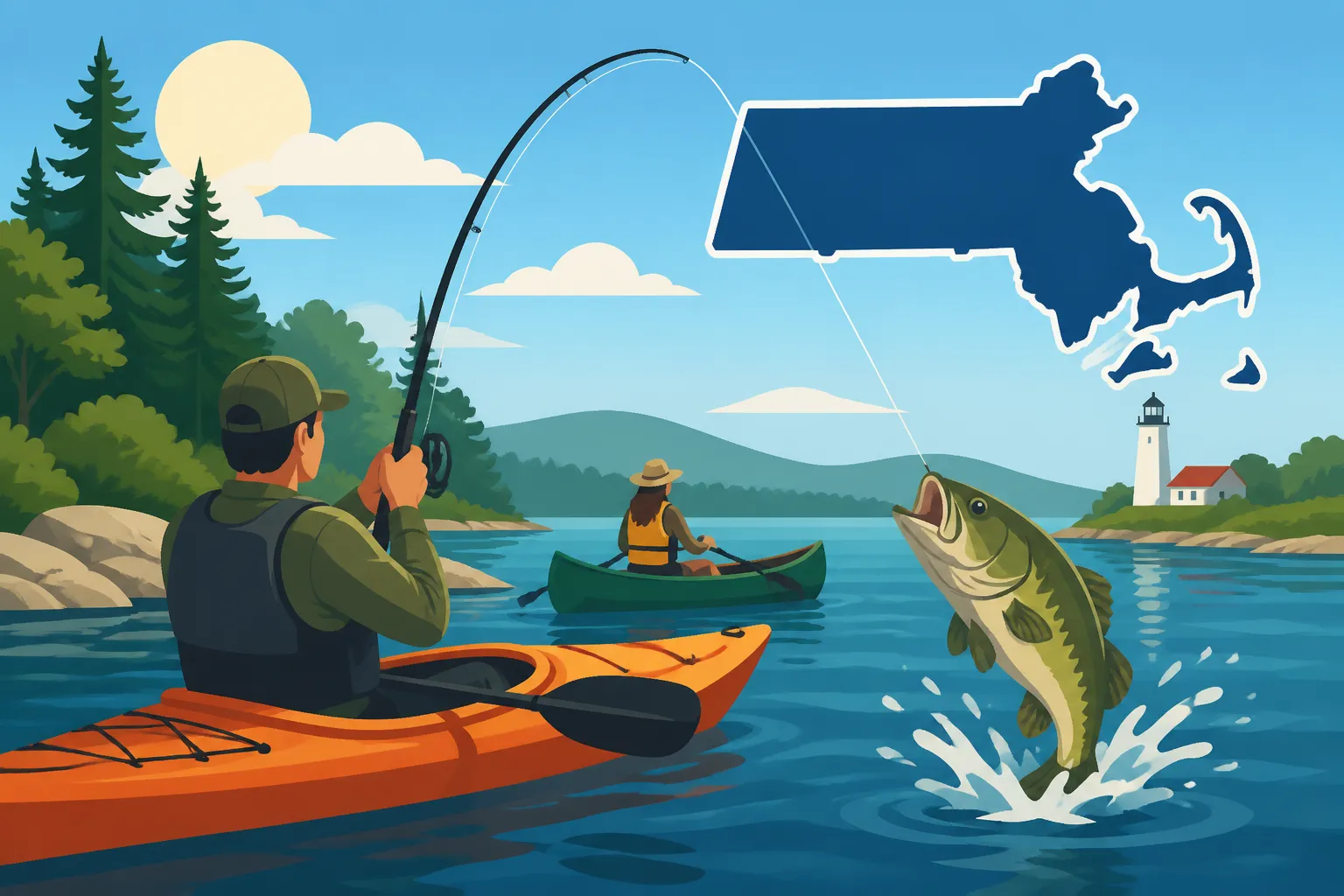
There's a special kind of freedom that comes with launching a canoe or kayak onto the tranquil waters of Massachusetts, a feeling that dedicated anglers know well. No crowded boat ramps, no roaring engines spooking the fish – just you, your paddle, and the promise of a peaceful day on the water. However, finding those truly prime spots, especially ones suited for smaller, paddle-powered crafts, can sometimes feel like searching for a needle in a haystack. This guide is here to cut through the confusion and point you toward some of the best freshwater and saltwater locations across the Commonwealth where your canoe or kayak will shine.
The Undeniable Appeal of Kayak and Canoe Fishing in Massachusetts
Fishing from a kayak or canoe isn't just a different way to fish; it's an entirely different experience altogether. It strips away a lot of the complexity and brings you closer to the environment, allowing for a more intimate and often more productive angling adventure. Massachusetts, with its diverse waterways, offers incredible opportunities for this style of fishing, from placid ponds to winding rivers and protected coastal nooks.
Unlocking Secluded Waters and Unique Perspectives
One of the biggest frustrations for many anglers is getting to those hard-to-reach spots that larger boats simply can't access. Think about those shallow coves choked with lily pads, the narrow channels winding deep into marsh grass, or the hidden corners of a pond where fallen trees create perfect fish habitat. This is precisely where a canoe or kayak becomes your superpower. You can glide silently into these areas, exploring nooks and crannies that remain untouched by others, often finding fish that see far less pressure.
Beyond just access, paddlecraft offer a unique perspective. Being low to the water gives you a different vantage point, allowing you to observe fish behavior and subtle changes in the environment more keenly. It’s an immersive experience that deepens your connection to the sport and the natural world around you. You'll spot structure, observe baitfish schools, and identify promising ambush points for predators in a way you just can't from a high-sided powerboat or the shore.
The Art of Stealth: Approaching Fish Undetected
Another massive advantage of fishing from a canoe or kayak is the unparalleled stealth. Unlike motorboats that announce their arrival with engine noise and prop wash, a paddlecraft allows for a nearly silent approach. This is incredibly beneficial when targeting wary species like bass in clear water or striped bass cruising shallow flats. You can paddle within casting distance without alerting the fish to your presence, leading to more natural presentations and, ultimately, more strikes.
Imagine slowly paddling along a shoreline, barely disturbing the water, and spotting a dark shadow lurking under an overhanging branch. With a quick, quiet cast, your lure lands perfectly, and the fish strikes. That kind of moment is what kayak and canoe fishing is all about. This quiet advantage also extends to the subtle movements you make while fishing. Even a slight paddle stroke to reposition can be done with minimal disturbance, keeping you in the zone and the fish unaware. For those who cherish the tranquility of fishing as much as the catch itself, the silent glide of a kayak or canoe is simply unmatched.
Freshwater Havens for Paddle-Powered Anglers
Massachusetts boasts an incredible array of freshwater opportunities perfect for canoes and kayaks, from small, intimate ponds to expansive lakes and meandering rivers. These waters offer everything from feisty largemouth bass to elusive trout, making them ideal for a day of peaceful paddling and angling.
Serene Ponds and Lakes for Bass, Panfish, and Pickerel
Many of the Commonwealth's ponds and lakes, especially those with smaller launch areas or limited parking, are fantastic spots for paddlecraft. They're often less crowded than larger, more accessible bodies of water, providing a more serene experience.
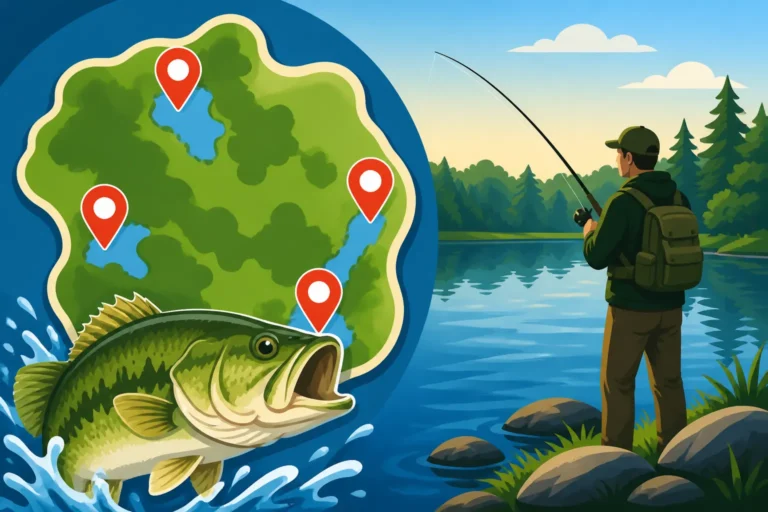
For fantastic largemouth bass fishing, look no further than spots like Long Pond in Lakeville or Assawompset Pond in Lakeville and Freetown. These expansive but often shallow water bodies are perfect for exploring weed lines, lily pads, and submerged timber with a kayak. You can present topwater lures in the early morning or evening, or probe deeper structure with jigs and soft plastics throughout the day. These ponds also hold an abundance of yellow perch, crappie, and chain pickerel, offering consistent action for a variety of panfish species. Wompatuck State Park Pond Fishing also offers a great option for family-friendly, accessible pond fishing.
Further west, Lake Quinsigamond offers diverse fishing, but its smaller coves and quieter sections are ideal for kayaks, particularly if you're targeting largemouth bass. For a truly iconic, albeit sometimes crowded, experience, Walden Pond is a surprisingly good spot for fishing, though its recreational popularity means early mornings or weekdays are best for quiet angling. Here, you might find trout and bass. And if you're looking for consistent action in central Massachusetts, Otis Reservoir is another large waterbody where a kayak allows you to break away from the main boat traffic and find quieter fishing grounds, especially for pickerel and bass. Remember that you’ll need to understand the nuances of the Massachusetts Freshwater Daily Catch Limits before you head out.
Dynamic Rivers for Trout and Smallmouth Bass Adventures
The rivers of Massachusetts present a different kind of challenge and reward for canoe and kayak anglers. The flow of the water, the ever-changing current, and the unique structure found in river systems make for exciting fishing.
The Deerfield River, particularly its delayed-harvest sections, is renowned for its trout fishing. While often associated with fly fishing from shore, a lightweight kayak or canoe can be an excellent tool for drifting through slower stretches and accessing prime pools that are difficult to reach on foot. You'll find brook, brown, and rainbow trout here, and a quiet approach is key. Similarly, the Housatonic River in the Berkshires offers exceptional trout opportunities, with sections that are very accessible for small boats. The challenge of navigating the current while presenting your flies or lures adds another layer of enjoyment to the experience.
For smallmouth bass, the Connecticut River is an absolute powerhouse. While a large river, its numerous coves, eddies, and feeder creek mouths are tailor-made for kayak exploration. You can fish rocky drops, current breaks, and submerged timber, targeting these hard-fighting bass. The Charles River in Boston also offers surprisingly good fishing for smallmouth and largemouth bass in its quieter upstream sections, away from the city bustle. A canoe or kayak is perfect for navigating these urban waterways, offering a unique blend of nature and cityscapes. Further north, the Merrimack River, particularly its calmer stretches near Haverhill and Lowell, also holds good populations of bass and other freshwater species, with many accessible launch points for paddlecraft.
Coastal Frontiers: Saltwater Kayak and Canoe Fishing Opportunities
Massachusetts's coastline, with its intricate network of bays, estuaries, and salt ponds, is a phenomenal playground for saltwater kayak and canoe anglers. The ability to explore shallow flats and protected marsh edges opens up a world of opportunities for targeting popular inshore species.
Protected Bays, Estuaries, and Salt Ponds
When it comes to saltwater, safety is paramount, especially in a small craft. This is why protected bays, estuaries, and salt ponds are often the first choice for kayak and canoe anglers venturing into the brine. These areas offer calmer waters, shelter from strong winds, and often abundant baitfish, which, in turn, attract predatory species.
Buzzards Bay is a vast and varied fishery, but its numerous sheltered coves and inlets are perfect for paddlecraft. You can target striped bass, bluefish, tautog, and fluke by quietly paddling along rocky shorelines, mussel beds, and grass flats. Similarly, Ipswich Bay and the myriad coves and estuaries around Cape Ann, including Salem Sound, provide excellent striped bass and bluefish opportunities, especially during the spring and fall runs. Here, you can cast soft plastics, topwater plugs, or even fly fish in relative tranquility.
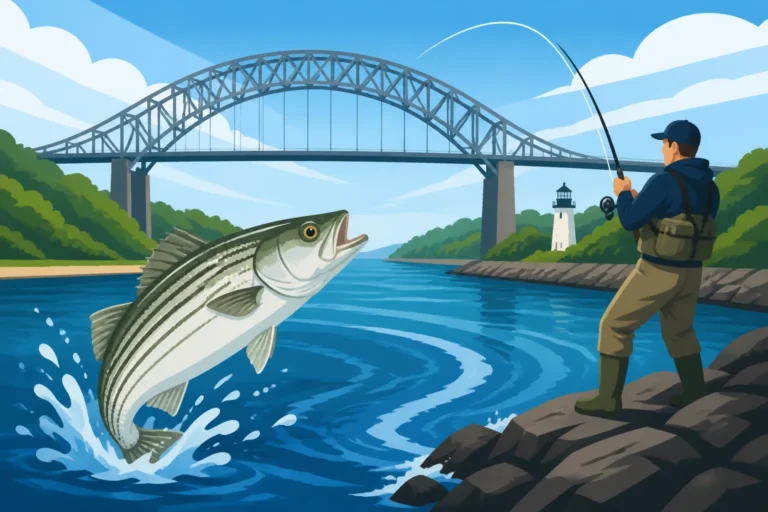
On Cape Cod, the protected waters of Waquoit Bay, Barnstable Harbor, and the back side of Nauset Marsh are legendary for their shallow-water striped bass fishing. Kayaks and canoes allow anglers to silently stalk cruising bass in mere feet of water, making for incredibly exciting sight-fishing opportunities. For those looking for calmer waters and a variety of species, Provincetown Harbor offers sheltered fishing for striped bass, bluefish, and various bottom fish, while New Bedford Harbor, despite its industrial activity, has quiet corners that can be surprisingly productive. Always be aware of the Massachusetts Saltwater Bag Limits by Species and the Massachusetts Striped Bass Slot Limit Explained, which are critical for staying within legal harvesting guidelines.
Nearshore Ocean Access and Safety Considerations
For the more experienced and adventurous kayak angler, venturing just beyond the immediate protection of the bays into nearshore ocean waters can unlock access to different fish and experiences. However, this requires a higher level of skill, preparation, and constant awareness of weather and sea conditions.
From numerous beaches and rocky points, a kayak can extend your casting range significantly beyond what's possible from shore, giving you access to deeper rips and structure for species like larger striped bass, bluefish, and even black sea bass. Areas along the outer Cape, the South Shore, and parts of the North Shore offer these possibilities. You can launch directly from a beach and paddle out to accessible rock piles, jetties, or submerged shoals.
It is absolutely crucial to emphasize safety here. Before venturing into open or semi-open coastal waters, you must have a thorough understanding of marine weather, tides, and currents. Always check the forecast meticulously, consider the wind direction and strength, and never go out alone. Wear your PFD, carry a VHF radio, a whistle, a knife, and a visible flag. A reliable means of communication like a marine radio or waterproof cell phone in a dry bag is non-negotiable. Knowing the "Massachusetts Recreational Fishing Rules and Bag Limits" is also crucial for compliance.
Essential Gear, Safety Protocols, and Trip Planning Tips
Embarking on a kayak or canoe fishing adventure in Massachusetts requires more than just a fishing license and a paddle. Proper gear, a solid understanding of safety, and careful planning are paramount to ensuring a successful and enjoyable day on the water.
Choosing Your Paddlecraft and Must-Have Safety Equipment
Selecting the right canoe or kayak for fishing depends largely on where and how you plan to fish. Sit-on-top kayaks are incredibly popular for fishing due to their stability, ease of re-entry if you capsize, and ample deck space for gear. Brands like Old Town and Hobie offer models specifically designed for anglers, featuring rod holders, gear tracks, and even pedal drives for hands-free propulsion. Canoes, while perhaps less common for solo fishing, offer more capacity for gear or a fishing buddy and are excellent for exploring calmer lakes and rivers.
Regardless of your chosen craft, safety equipment is non-negotiable. A properly fitted Personal Flotation Device (PFD) is the most important item; it should be worn at all times on the water, not just stowed away. You'll also need a sound-producing device like a whistle, a visible light for low-light conditions (even if you plan to be off the water before dark, things can change), and a paddle leash to prevent losing your paddle. For saltwater, a marine-band VHF radio for emergency communication is highly recommended. Always carry a first-aid kit, a knife, and plenty of water and snacks. Understanding Massachusetts Ice Fishing Safety and Ice Thickness is vital if you're venturing out in colder months, as conditions can change rapidly.
Navigating Regulations and Finding Launch Points
Before you even think about putting your boat in the water, make sure you're properly licensed. In Massachusetts, this means understanding the distinctions between freshwater and saltwater permits. Generally, if you're fishing in freshwater, you'll need a Massachusetts Fishing License Guide, which covers freshwater species. For saltwater, a Massachusetts Saltwater Recreational Fishing Permit Explained is required for anyone 16 years or older. You can easily find out more about the Massachusetts Freshwater Fishing License Costs and Rules and the Massachusetts Fishing License Requirements by Age to ensure you're covered.
Finding suitable launch points for kayaks and canoes is crucial. Many state parks, municipal boat ramps, and MassWildlife fishing access sites have designated areas or are shallow enough for easy hand-launching. Websites like the Massachusetts Department of Fish and Game (MassWildlife) provide maps and details on public access points. Local bait and tackle shops are also invaluable resources for local knowledge on prime spots and easy access points. Always scout your launch point beforehand, if possible, to assess parking, accessibility, and the approach to the water. Some of the best hidden fishing spots away from crowds in Massachusetts are often found by doing a little extra legwork.
Considering a Guided Kayak Fishing Experience
If you're new to kayak fishing, new to Massachusetts, or simply want to fast-track your learning curve and get straight to the action, considering a guided kayak fishing trip can be incredibly beneficial. Local guides possess an intimate knowledge of the waterways, fish behavior, and effective techniques for paddle-powered angling. They can provide all the necessary gear, from specialized kayaks to tackle, and ensure you're fishing safely and effectively.
Platforms like FishingBooker allow you to browse and book experienced kayak fishing guides across Massachusetts. A guide can teach you essential paddle techniques, how to approach fish stealthily, and the best lures or baits for the current conditions. They're also an invaluable source of information on local regulations, conservation efforts, and the nuances of particular fishing spots. Whether you're targeting striped bass on Cape Cod, trout on the Deerfield, or largemouth bass in a secluded pond, booking through a service like FishingBooker ensures you connect with a reputable professional who can tailor the experience to your skill level and fishing goals. This is especially useful if you're wondering if Are Kayak Fishing Guides Available on Cape Cod? or in other specific regions. A good guide will not only help you catch fish but also impart knowledge that will make you a more confident and independent kayak angler for years to come.
| Water Type | Target Species | Common Lures/Bait | Typical Kayak/Canoe Spots | Best Time |
|---|---|---|---|---|
| Freshwater Ponds/Lakes | Largemouth Bass, Smallmouth Bass, Chain Pickerel, Panfish (Perch, Crappie) | Worms, Soft Plastics, Jigs, Spinnerbaits, Topwater Plugs, Shiners | Long Pond, Assawompset Pond, Lake Quinsigamond, Otis Reservoir, Walden Pond, Wompatuck Ponds | Spring, Summer (early/late), Fall |
| Freshwater Rivers | Trout (Brook, Brown, Rainbow), Smallmouth Bass, Shad | Flies, Spinners, Small Plugs, Worms, Crayfish Imitations | Deerfield River, Housatonic River, Connecticut River, Charles River | Spring, Fall (Trout); Summer (Bass) |
| Saltwater Bays/Estuaries | Striped Bass, Bluefish, Tautog, Fluke, Black Sea Bass | Soft Plastics, Spoons, Plugs, Live/Cut Bait (eels, bunker, crabs) | Buzzards Bay (protected coves), Ipswich Bay, Salem Sound, Waquoit Bay, Barnstable Harbor, Provincetown Harbor | Late Spring, Summer, Early Fall |
| Nearshore Ocean | Striped Bass, Bluefish, Cod, Haddock | Larger Plugs, Live Bait, Jigs, Metal Lures | Coastal beaches, rocky points, jetties (with extreme caution) | Summer, Fall |
Disclaimer
The information provided in this guide is for general informational purposes only and is subject to change. Fishing regulations, season dates, and access rules are set by the Massachusetts Division of Fisheries and Wildlife (MassWildlife) and other governing bodies, and anglers are responsible for knowing and adhering to all current rules and regulations. Always prioritize safety on the water and consult official sources for the most up-to-date information before planning any fishing trip.