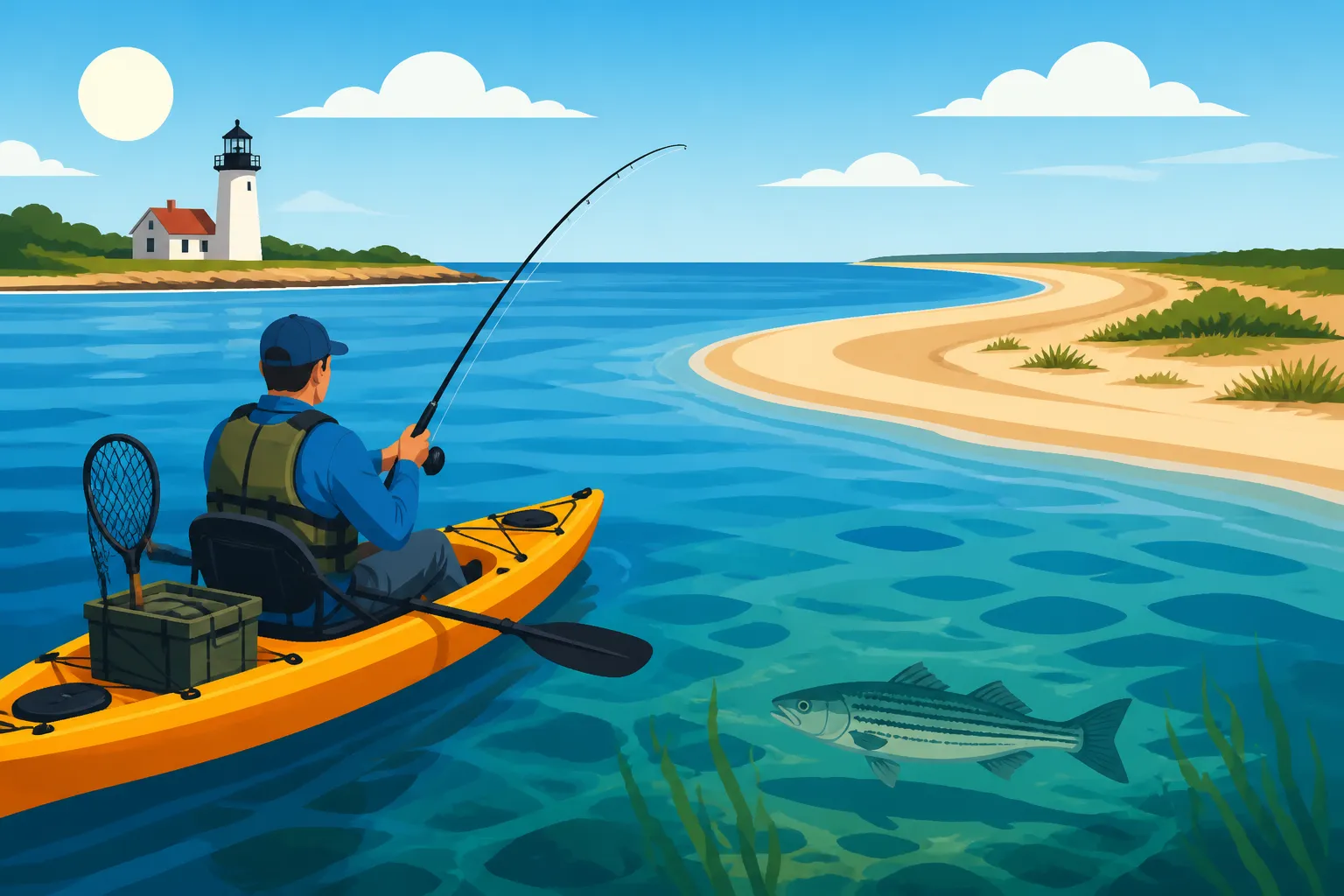
Best kayak fishing spots on Cape Cod
Many anglers dream of exploring Cape Cod's renowned waters, but navigating crowded boat ramps, busy beaches, or the expense of traditional charters can often feel like a barrier. If you're looking for an intimate, stealthy, and incredibly rewarding way to experience the Cape's diverse fisheries, kayak fishing is your absolute answer. This comprehensive guide will paddle you through the best kayak fishing spots on Cape Cod, from serene salt ponds to exciting nearshore opportunities, ensuring you have all the insider knowledge for a successful and memorable trip.
The Undeniable Appeal of Kayak Fishing on Cape Cod
Cape Cod, with its unique geography of protected bays, winding estuaries, and countless ponds, is practically custom-made for kayak fishing. It's a place where the simplicity of a paddle and the stealth of a shallow-draft boat open up a world of angling possibilities that are often out of reach for others.
Accessing the Unreachable, Silently
One of the biggest frustrations for many anglers is limited access to prime fishing grounds. Larger boats need deep water and formal ramps, while shore anglers are confined to public beaches or jetties. Kayaks, however, offer unparalleled access. Think about those hidden coves, skinny backwaters, and marshy creeks that larger boats simply can't reach, or those shorelines that are just too far to cast to. On Cape Cod, with its intricate network of estuaries and shallow bays, a kayak transforms these "no-go" zones into your own private fishing paradise. You're not just limited to publicly accessible boat ramps; many smaller, less crowded launch points, often just a patch of sand or a quiet road end, become viable entry points.
This quiet approach isn't just about avoiding the crowds; it's a huge advantage for stealth. Fish, especially wary species like striped bass, are far less likely to be spooked by the silent glide of a kayak compared to the roar of an outboard motor or the splash of a cast from a busy shore. You can approach structure, intricate shorelines, and schools of baitfish with minimal disturbance, often getting right into the action where others can only observe from afar. It's a truly immersive experience, connecting you directly with the water, the surrounding wildlife, and its inhabitants in a way that feels almost primitive and incredibly rewarding.
Imagine slipping into a tidal creek on an early summer morning, the only sound the soft dip of your paddle, as the sun begins to paint the sky with vibrant colors. You're deep within the marsh, where finger mullet dart and crabs scuttle along the banks. This is precisely where big stripers often lay in wait, perfectly camouflaged, ready to ambush unsuspecting baitfish. A kayak allows you to be right in the heart of this action, presenting your lure or bait precisely where the fish are hiding, giving you a distinct edge over anglers stuck on crowded shores or confined to bigger boats.
A Diverse Array of Fish Species Awaits
Cape Cod isn't just about one or two fish species; it's a veritable smorgasbord for anglers, and kayak enthusiasts are uniquely positioned to target a wide variety of them. Whether you're chasing the explosive fight of a striped bass, the toothy aggression of a bluefish, or the subtle tug of a flounder, the Cape's diverse waters provide ample opportunity. Freshwater enthusiasts aren't left out either, with numerous ponds and lakes offering excellent bass, pickerel, and even trout fishing.
For saltwater pursuits, the vast network of bays, harbors, and salt ponds are teeming with striped bass from their spring arrival through the fall migration. Bluefish often follow in their wake, providing intense battles on light tackle and testing the strength of your leader. Bottom fish like fluke (summer flounder) and scup are also readily accessible from a kayak, especially in slightly deeper channels or around submerged structure like oyster beds and rocky areas. Even the elusive tautog, known for its powerful pull, can be targeted around rocky areas if you're comfortable with the specific techniques and stealth required. For those interested in deeper insights into what's biting when, checking resources like FishingBooker can sometimes help reveal peak seasons and species, offering a great starting point for your planning.
Beyond the popular game fish, kayak fishing also opens up opportunities for catching smaller, but equally fun, species like sea bass, cunner, and even mackerel closer to shore or around jetties. Each offers a different challenge and a chance to hone your skills, making every outing unique. Remember to always consult the Massachusetts Recreational Fishing Rules and Bag Limits before heading out, as regulations can change by species and season, and staying informed is part of being a responsible angler.
Prime Kayak Fishing Hotspots on Cape Cod
Cape Cod's unique geography provides an incredible array of kayak fishing environments, each with its own charm and target species. From serene freshwater ponds to dynamic saltwater estuaries, there's a perfect spot for every skill level and preference.
Calm Bays and Backwaters: Ideal for Beginners and Inshore Action
If you're just starting out with kayak fishing or simply prefer a more relaxed paddle, Cape Cod offers numerous sheltered locations that are perfect. These areas are fantastic for building confidence, practicing casting from your kayak without worrying about strong currents, and targeting a variety of inshore species without battling open ocean swells or significant boat chop. They are typically characterized by shallower water, slower currents, and plenty of marsh grass, eelgrass, and oyster beds, which are natural magnets for small baitfish and, subsequently, their predators.
Barnstable Harbor, located on the north side of the Cape, is a prime example of such a spot. Its extensive marsh system, numerous creeks, and relatively protected main channels are perfect for chasing striped bass and bluefish on incoming tides. The calm waters make for a pleasant paddle, and there's plenty of intricate marsh structure, mud flats, and channel edges to explore. Access is easy from various points, including the popular public boat ramp off Millway, which offers ample parking. These sheltered areas are great for throwing soft plastics, small topwater lures, or even fishing live or cut bait under a bobber or on a simple bottom rig.
Similarly, Wellfleet Harbor and its surrounding estuaries on the Outer Cape offer analogous opportunities, with incredible, wild scenery to boot. The harbor system, especially the quieter back channels and tidal creeks, can be incredibly productive for schoolie stripers and smaller bluefish. These spots are not just about the fishing; they offer a truly immersive experience with abundant birdlife and a sense of peaceful solitude that's hard to find in more populated areas.
Further south, the protected waters of Waquoit Bay in Falmouth provide a sanctuary for both anglers and wildlife. Its many fingers, coves, and islands create a labyrinth of fishable water, rich with bait. You can target schoolie stripers, larger bass, and bluefish here, particularly around the many small islands, grass flats, and channels. It's also an excellent spot for targeting fluke by drift fishing with bucktails or Gulp! baits along the sandy bottom areas, especially on a moving tide. You'll find several public access points here, making it a convenient choice for a day of relaxed paddling and fishing. For specific local insights or if you're looking to gain some experience, sometimes an experienced guide found through services like FishingBooker can offer tailored advice for these intricate spots, helping you navigate the channels and find the fish.
Salt Ponds and Estuaries: Striper and Bluefish Havens
Cape Cod is dotted with a multitude of larger salt ponds and intricate estuary systems that offer exceptional kayak fishing for bigger game. These dynamic environments, where fresh and saltwater mix, are incredibly productive, attracting large numbers of baitfish, which in turn draw in impressive striped bass and bluefish. The incoming and outgoing tides here act as natural conveyors, bringing food to waiting predators and creating prime ambush points along channel edges, points, and current seams.
Popponesset Bay in Mashpee, connected to the expansive Nantucket Sound, is a fantastic spot known for its consistent action. The channels connecting the inner ponds to the main bay can be absolute highways for stripers and blues, especially during a strong tide. Kayak anglers can position themselves strategically at pinch points, around rocky outcrops, or along the edges of current seams where baitfish are swept past. Early morning or late evening often yield the best results with topwater plugs or soft plastics mimicking baitfish like silversides, menhaden, or mackerel. Remember to check Massachusetts Striped Bass Slot Limit Explained for legal keeping sizes, as rules are strictly enforced to protect this prized species.
Another gem is Pleasant Bay, a vast and complex estuary system on the Outer Cape, stretching across Orleans, Harwich, Chatham, and Brewster. Its sheer size and varied bottom structure—from rocky areas to expansive eelgrass beds and sandy flats—make it incredibly diverse. You can target large stripers here, especially around the numerous inlets, outflows, and the many smaller islands within the bay, or venture further into the bay for bluefish that cruise the open water. Kayak access is plentiful from several town landings, but be mindful of boat traffic, especially during peak summer months. Drift fishing a live mackerel or menhaden, if you can secure one, can be incredibly effective here for a trophy-sized fish.
Nearshore Ocean Access: For the More Adventurous Kayaker
For those with more experience, a higher comfort level in open water, and a keen eye on safety, certain nearshore ocean areas on Cape Cod can provide exhilarating kayak fishing. This isn't for the faint of heart and requires careful attention to weather, tides, and robust safety protocols. However, the rewards can be significant, offering opportunities for larger game fish that typically frequent deeper, more exposed waters, often outside the range of most shore anglers. Think about the thrill of hooking into a substantial striped bass, a powerful bluefish, or even a fast-moving bonito just a short distance from the beach.
Along the south side of Cape Cod, particularly from areas like Monomoy (near Chatham) or the beaches around Nauset and Orleans, during periods of exceptionally calm seas, brave kayak anglers can access rips and shoals that hold large schools of bait and predatory fish. These areas can be incredibly productive for larger striped bass, aggressive bluefish, and during their seasonal runs, hard-fighting false albacore or bonito. However, strong currents, significant boat traffic from larger vessels, and rapidly changing conditions demand a high level of situational awareness, advanced paddling skills, and comprehensive safety preparedness, including a marine VHF radio and a personal locator beacon. Always consider the Massachusetts Saltwater Recreational Fishing Permit Explained requirements, particularly if venturing into federal waters further offshore.
While challenging, the opportunity to target these powerful species from the intimate setting of a kayak is unmatched. Trolling tubes and worms, or casting large topwater plugs and stick baits into the rips, can be highly effective. Understanding the Best Time of Year to Fish in Massachusetts for these migratory species is key to planning a successful, albeit adventurous, outing. Always check the forecast thoroughly and choose your days wisely, preferring light winds, minimal swell, and a stable weather pattern. This is not the time to push your limits.
Freshwater Gems: A Different Kind of Challenge
While Cape Cod is undoubtedly famous for its saltwater fishing, it would be a mistake to overlook its abundant freshwater ponds and lakes. These tranquil spots offer a fantastic change of pace, particularly during times when the ocean might be too rough, or when you simply prefer the quiet solitude and consistent action of freshwater angling. Kayaks are absolutely perfect for these environments, allowing you to slip silently into tree-lined coves, shallow weed beds, and along lily pad fields where largemouth and smallmouth bass, as well as chain pickerel and panfish, love to hide.
Ponds like Long Pond in Harwich and Brewster, and Mashpee-Wakeby Pond, are legendary for their bass fishing. These large glacial ponds have extensive shallow areas with lily pads, submerged timber, and sharp drop-offs that are prime habitat for largemouth bass, and often respectable smallmouth bass as well. Kayak anglers can work these areas with precision, using soft plastics (like Senkos or creature baits), spinnerbaits, and topwater frogs to target the biggest bass hiding in thick cover. Don't forget, you'll need a Massachusetts Freshwater Fishing License Costs and Rules for these spots.
Smaller, lesser-known ponds across the Cape, often found within state parks or conservation areas, can also hold surprising populations of pickerel, yellow perch, and even stocked trout. These smaller waters are often ideal for inflatable kayaks or lighter, more portable craft, providing easy access and a chance for a peaceful day on the water away from the bustling coastline. These spots are fantastic for a family outing, offering plenty of action for younger anglers. Always be respectful of private property and follow all local regulations regarding access and specific species limits.
Here’s a quick overview of some top kayak fishing spots on Cape Cod:
| Location Category | Example Spot | Primary Species Targeted | Best Conditions | Notes for Kayak Anglers |
|---|---|---|---|---|
| Calm Bay/Backwater | Barnstable Harbor | Striped Bass, Bluefish, Flounder | Incoming Tide, Light Wind | Excellent for beginners, great for soft plastics. |
| Salt Pond/Estuary | Pleasant Bay | Striped Bass, Bluefish | Strong Tides | Watch for boat traffic, diverse structure, fall run is hot. |
| Nearshore Ocean (Advanced) | Monomoy (Chatham) | Striped Bass, Bluefish, Bonito, False Albacore | Calm Seas, Low Swell | Advanced paddlers only, full safety gear essential, high reward. |
| Freshwater Pond | Long Pond (Harwich/Brewster) | Largemouth Bass, Smallmouth Bass, Pickerel | Any, less tide-dependent | Peaceful, great for topwater lures and weedless baits. |
| Tidal River | Red River (Harwich) | Striped Bass, Bluefish, White Perch | Moving Tides | Skinny water access, great for fly fishing. |
Essential Gear and Safety Considerations for Cape Cod Kayak Anglers
Getting out on the water in a kayak is an incredible experience, but to make it safe and successful, having the right gear and prioritizing safety are non-negotiable. The dynamic nature of Cape Cod waters demands preparedness.
Must-Have Gear for Kayak Fishing
Kayak fishing requires specific gear to ensure comfort, efficiency, and safety on the water. Beyond the kayak itself, which should be stable and designed for fishing (think dedicated fishing kayaks with good tracking and ample storage, perhaps pedal-drive models like those from Hobie for hands-free propulsion, or a stable sit-on-top from Wilderness Systems or Old Town for versatility), a good, lightweight paddle is crucial. Even with a pedal drive, a paddle is essential for getting in and out of tight spots, shallow water, or navigating currents. A comfortable, adjustable seat is also non-negotiable for long hours on the water, making a huge difference in your enjoyment and stamina.
When it comes to fishing tackle, consider at least two rod and reel setups: one for heavier, bait-specific or jigging applications (like targeting bottom fish or larger stripers), and another for lighter, casting lures (for schoolies or smaller freshwater species). A variety of lures suitable for Cape Cod species are essential. For saltwater, think soft plastics (like Hogy or Z-Man baits), topwater plugs (such as Pencil Poppers, Whopper Ploppers, or Spook Jr.'s), and bucktail jigs in various weights. For freshwater, rubber worms, spinnerbaits, and frogs are critical. Don't forget a net – a large, rubberized landing net is critical for safely landing fish, especially larger striped bass, protecting their slime coat and making release easier. Pliers (especially saltwater-rated ones), a measuring tape, and a stringer or a small cooler for any keepers are also vital.
Storage solutions are key in a kayak, where space is at a premium. Waterproof dry bags are an absolute must for your phone, car keys, wallet, and any sensitive electronics you bring along. Rod holders (flush mount or track-mounted, depending on your kayak setup) keep your rods secure while paddling or battling a fish, preventing them from going overboard. A compact, waterproof fish finder with GPS can be a game-changer, revealing submerged structure, depth contours, and bait schools, giving you a huge advantage in unfamiliar waters. Many compact, battery-powered options are available that are perfect for kayak mounting. When planning your trip, consulting a reliable platform like FishingBooker can sometimes offer insights into what specific gear local guides typically recommend for certain species or locations, giving you a valuable head start.
Prioritizing Safety on Cape Cod Waters
Safety is absolutely paramount when kayak fishing, especially in the dynamic and sometimes unpredictable waters of Cape Cod. Always, always, wear a U.S. Coast Guard-approved Personal Flotation Device (PFD) – don't just have it on board. This isn't just a suggestion; it's a non-negotiable requirement. Even strong swimmers can get into serious trouble in cold water, unexpected currents, or after an accidental capsize. Brightly colored clothing, a safety flag mounted on a pole, and reflective tape increase your visibility to other boaters, which is particularly important in busy areas like larger bays or around boat channels.
Carry essential safety gear: a whistle or air horn (for signaling), a sharp knife (to cut tangled line or rope), a waterproof first-aid kit, and a light source (like a headlamp) if there's any chance of being out after dusk or before dawn. A marine VHF radio is highly recommended for communicating with other vessels and summoning help in an emergency, as cell phone service can be spotty or nonexistent in some remote areas of the Cape. Always tell someone your float plan – where you're going, your planned route, your expected return time, and who to call if you don't check in. This simple step can be a lifesaver.
Pay close attention to weather forecasts, tides, and currents. Cape Cod weather can change rapidly and unexpectedly. Strong winds can quickly turn a calm, pleasant paddle into a dangerous struggle against whitecaps and chop, especially on larger bays or open stretches. Never go out if the conditions exceed your skill level or your kayak's capabilities. Understanding How Wind Direction Affects Surf Fishing on Cape Cod can also be indirectly helpful for kayak anglers, as wind directly impacts wave action, current strength, and overall paddling conditions. Cold water immersion is a serious risk outside of peak summer; dress in layers of synthetic materials (not cotton, which loses insulation when wet) and consider a dry suit or wetsuit for cooler months to protect against hypothermia.
Planning Your Kayak Fishing Adventure
A successful kayak fishing trip on Cape Cod is about more than just showing up at a spot with a rod. It's about thoughtful planning, understanding the natural elements, and adapting to the ever-changing environment.
Decoding Tides, Currents, and Weather
Successfully kayak fishing on Cape Cod heavily relies on understanding the environment around you. Tides are perhaps the most critical factor, especially in saltwater estuaries, bays, and around tidal creeks. Incoming tides often bring cooler, clearer, and more oxygenated water, pushing baitfish into shallower areas, making them prime feeding grounds for actively feeding stripers and bluefish. Outgoing tides, conversely, can concentrate bait in deeper channels, at outflows from ponds, or along specific points, creating perfect ambush opportunities for predators. Knowing when the tide changes and how it impacts water flow and fish behavior at your specific location is absolutely crucial. Apps like "Tide Chart" and local NOAA (National Oceanic and Atmospheric Administration) resources are invaluable tools for this planning.
Currents, particularly in narrow channels, around points, or where larger bodies of water meet, can be incredibly strong and pose a significant challenge for kayak anglers. While strong currents can concentrate fish by forcing bait through pinch points, they can also make paddling extremely difficult and potentially dangerous if you're not prepared. A good rule of thumb is to always paddle against the current on your way out, so you have the current assisting you on your way back when you might be tired or have a heavy fish in tow. Pay close attention to how the current interacts with submerged structure, as this often creates eddies and slack water where fish hold, conserving energy and waiting for an easy meal. The Best Tide for Fishing the Cape Cod Canal might be very different from what works in a calm salt pond, so always research the specific dynamics of your chosen spot.
Weather, particularly wind, dictates a kayak angler's comfort and safety, and can dramatically affect fishing conditions. A light, steady breeze can be refreshing and help with drift, but anything over 10-15 knots can quickly make paddling arduous, create choppy conditions (especially on larger bays), and kick up challenging waves that can exhaust you or even lead to capsizing. Always check the marine forecast for wind speed and direction, as well as wave height, before launching. Strong winds can also impact water clarity by stirring up the bottom and can affect bait movement, so it's not just about comfort but also about fishing success. If it's too windy, consider heading to a more sheltered pond or rescheduling your trip entirely for another day.
Choosing the Right Season and Species
Cape Cod's fishing opportunities change significantly with the seasons, and understanding these patterns will greatly increase your chances of success. Each season offers unique advantages and target species for the kayak angler.
Spring (late April to early June) sees the highly anticipated arrival of migratory striped bass, along with the warming waters that bring baitfish back into the bays and estuaries. This is an incredibly exciting time for inshore kayak fishing, as the fish are hungry after their long migration north. You'll find plenty of action with schoolie stripers in the back bays and tidal creeks, often willing to hit a variety of lures. This is also a good time for freshwater bass as they become more active post-spawn.
Summer (June through August) offers the widest variety of species, making it incredibly popular. You can target larger striped bass, aggressive bluefish, tasty fluke (summer flounder), scup, and even bonito and false albacore if you venture nearshore in calm conditions. However, summer also brings significantly more boat traffic, crowded waterways, and warmer water temperatures. Early mornings and late evenings are often the most productive and pleasant times to be on the water, both for cooler temperatures and active fish. Always be aware of Massachusetts Saltwater Bag Limits by Species which can vary throughout the year and are crucial to respect.
Fall (September to late October) is often considered the most rewarding season by many kayak anglers on Cape Cod. The "fall run" sees large schools of baitfish migrating south along the coast, with impressive numbers of striped bass and bluefish aggressively feeding to build up their reserves before their winter migration. Water temperatures are still comfortable for paddling, crowds begin to thin out after Labor Day, and the fishing can be truly exceptional. This is a prime time for targeting trophy stripers with a variety of techniques, from topwater plugs to live bait. Even into late fall, some tautog fishing can be productive from a kayak around rocky areas before they move to deeper wintering grounds. Planning your trip around these seasonal movements is key to maximizing your kayak fishing adventure on Cape Cod.
Disclaimer
The information provided in this guide is for general informational purposes only. Fishing regulations, conditions, and access points can change frequently. Always consult the latest Massachusetts Division of Marine Fisheries (MassDMF) and MassWildlife regulations before fishing. Exercise extreme caution and prioritize safety when kayak fishing, especially in open or tidal waters.