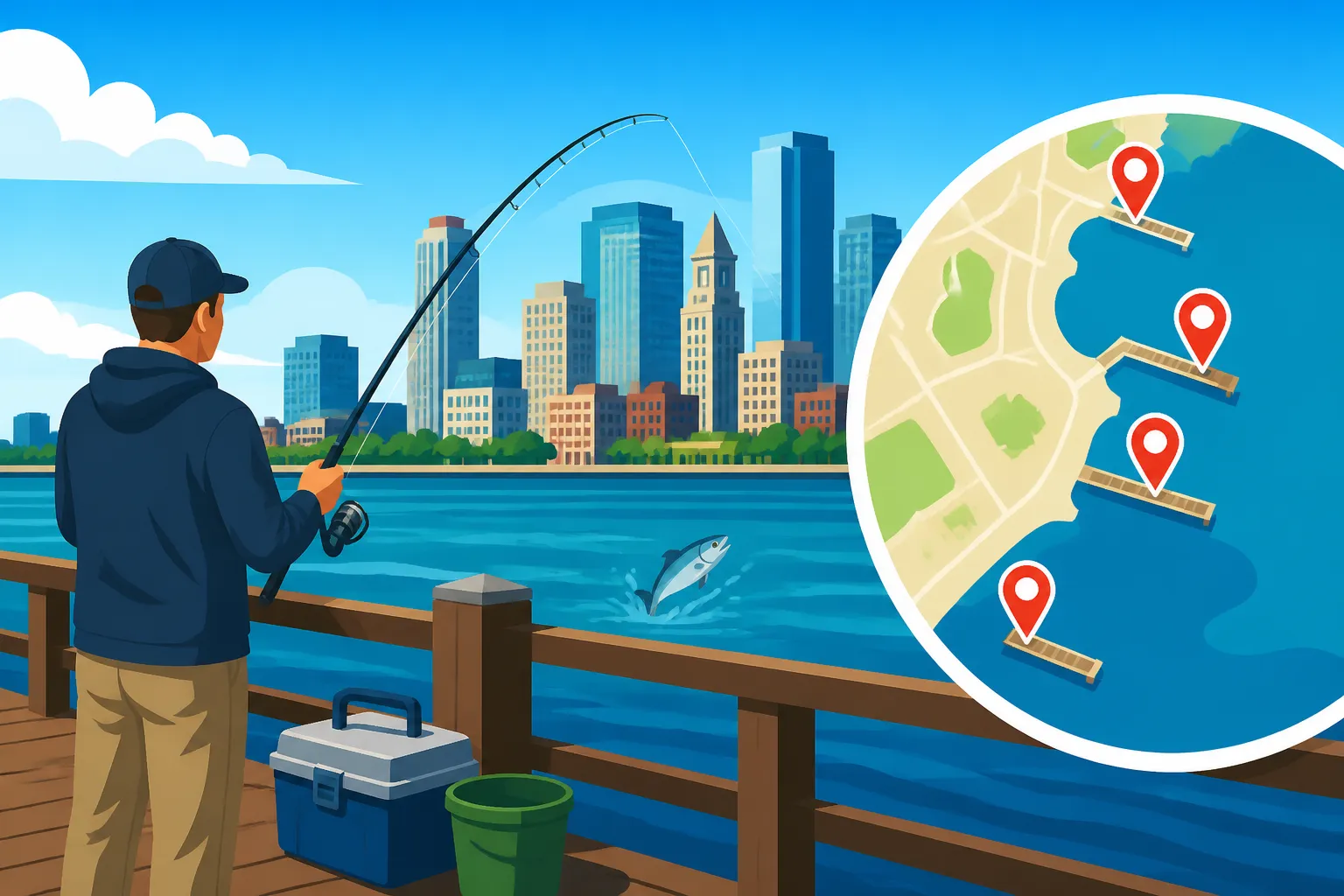
Where to fish from a pier in Boston
Finding a solid spot to drop a line in Boston without needing a boat can feel like a real challenge. You're looking for that perfect blend of easy access, good fishing, and perhaps a nice view, but often the city's busy waterfront can seem more geared towards ferries and fancy restaurants than casting a rod. This guide will cut through the noise, showing you exactly where to find those prime fishing piers in Boston, what you can expect to catch, and how to make the most of your urban angling adventure.
Uncovering Boston's Best Fishing Piers
Boston might be famous for its history and seafood restaurants, but it also offers some surprisingly good public access for anglers looking to fish from shore, particularly from its various piers and waterfront parks. While deep-sea monsters are usually reserved for boat charters, you can absolutely enjoy a productive day casting from these accessible spots. It's all about knowing where to go and what to look for.
Castle Island Pier and Shoreline
Castle Island, home to Fort Independence, is arguably one of Boston's most iconic and popular fishing spots. It's not just a pier; it's more of a causeway and expansive shoreline offering various fishing opportunities. You can fish directly off the "Sugar Bowl" area near the fort, or along the rock-lined causeway stretching out into Dorchester Bay. It's a fantastic place because it offers both protected inner harbor areas and more exposed points to cast into deeper water.
The sheer accessibility and the fantastic views of the city skyline and harbor make it a favorite for many. Plus, with amenities like restrooms, a snack shack (Sully's), and ample parking, it's a great spot for a family outing. You'll often see a mix of anglers here, from those casually dunking bait to serious surfcasters throwing large plugs. The currents here can be quite strong, especially near the main channel, so be prepared with appropriate tackle.
LoPresti Park Pier in East Boston
Over in East Boston, LoPresti Park offers another excellent public pier for anglers. This pier juts out into Boston Harbor, providing unique views of the downtown skyline and Logan Airport. It’s a bit quieter than Castle Island, making it a good option if you prefer a less crowded fishing experience, though it can still draw a crowd on nice days. The pier itself is well-maintained and provides ample space for casting.
LoPresti Park is particularly known for its potential to hold baitfish, which in turn attracts larger predators. The structure of the pier and its proximity to deeper water channels make it a prime location for various species. Access is easy, with street parking usually available nearby, and the park often has benches and green space for a comfortable day by the water.
Piers Park and Other East Boston Waterfront Spots
East Boston truly is a hub for accessible shore fishing. Besides LoPresti, Piers Park offers another picturesque location, although fishing directly from its main structures might be more limited due to design geared towards passive recreation. However, the surrounding shoreline and smaller jetties within the park area can still offer opportunities. It’s a good idea to explore the entire East Boston waterfront, as there are often smaller, less-known spots that locals frequent.
These East Boston locations benefit from their proximity to the main shipping channels of Boston Harbor, which are essentially underwater highways for many fish species. The tidal flow here is consistent, bringing nutrients and baitfish with it, making for dynamic fishing conditions throughout the day. If you're looking for a change of scenery or a different angle on the harbor, these spots are definitely worth checking out.
What You Can Expect to Catch from Boston Piers
The beauty of pier fishing in Boston is the diversity of species that move through the harbor. While you're primarily targeting saltwater fish, the brackish nature of some areas means you might even encounter some surprises. Knowing what to expect can help you tailor your gear and techniques for the best chance of success.
Common Saltwater Species
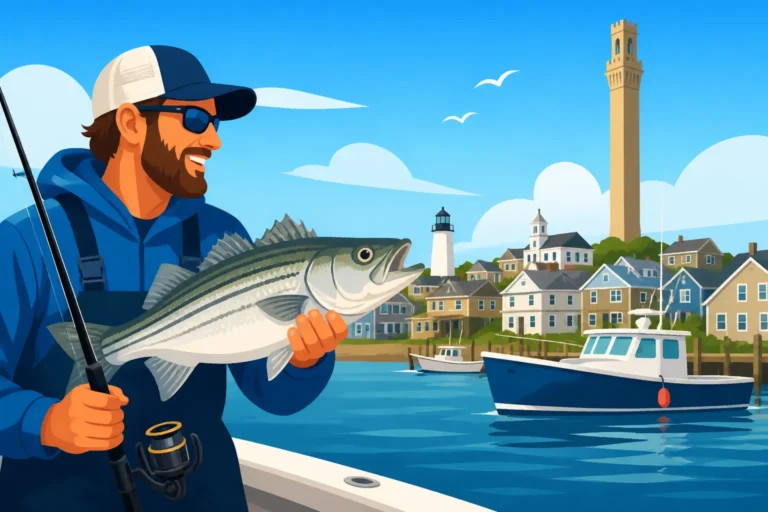
The undisputed king of Boston Harbor is, without a doubt, the striped bass. These powerful fish frequent the harbor from late spring through fall, chasing baitfish. Fishing from a pier gives you a unique vantage point to target them, especially during dawn and dusk or strong tidal movements. You'll often find them cruising the pier pilings or ambushing bait at the edge of current seams. For more in-depth knowledge, check out our guide on How to Catch Striped Bass in Massachusetts.
Another prevalent species, especially during the warmer summer months, is the bluefish. Known for their aggressive strikes and sharp teeth, bluefish provide thrilling action. They often move in schools, so if you catch one, there are likely many more around. Other common catches include winter flounder, especially in early spring and late fall, which prefer sandy or muddy bottoms. Scup (porgy) are also abundant during summer and early fall, offering consistent action for anglers using smaller baits.
Table: Common Fish Species and Seasons for Boston Pier Fishing
| Species | Best Season | Typical Size Range | Key Characteristics |
|---|---|---|---|
| Striped Bass | Late Spring – Fall | 18-40+ inches | Strong fighters, ambush predators, migratory |
| Bluefish | Summer – Early Fall | 15-30 inches | Aggressive, sharp teeth, travel in schools |
| Winter Flounder | Early Spring – Fall | 10-18 inches | Bottom feeder, delicate bite, flatfish |
| Scup (Porgy) | Summer – Early Fall | 8-15 inches | Abundant, schooling fish, good panfish |
| Mackerel | Late Spring – Fall | 10-18 inches | Fast swimmers, baitfish, good for eating or bait |
| Tautog | Spring & Fall | 12-25 inches | Structure-oriented, strong pull, good eating |
Seasonal Visitors and Baitfish
Beyond the staples, Boston's piers see various seasonal visitors. Spanish mackerel or bonito might make an appearance during peak summer, offering fast-paced light tackle opportunities. You can also catch plenty of baitfish, like Atlantic mackerel, using sabiki rigs. These small, schooling fish are not only fun to catch, but they also make excellent live bait for larger predators like striped bass and bluefish. Our Massachusetts Saltwater Bag Limits by Species guide will help you understand the regulations for keeping your catch.
Don't be surprised if you hook into a tautog (also known as blackfish) around the pilings of the piers, especially during their spring and fall runs. These notoriously strong fighters love structure and can be a real challenge to pull out. Keep an eye on local reports and fishing forums; they're great resources for real-time information on what's biting where. Sometimes, even the presence of commercial vessels or recreational boats, which you can often find listed on platforms like FishingBooker, can indicate productive areas as fish follow the disturbance or bait churned up by propellors.
Essential Gear and Techniques for Boston Pier Fishing
Successfully fishing from a Boston pier doesn't require a huge investment in specialized equipment, but having the right tools for the job will definitely increase your chances of a rewarding experience. It's about being versatile and prepared for the variety of conditions and species you might encounter.
Rods, Reels, and Line
For general pier fishing in Boston, a medium to medium-heavy spinning rod, typically 7 to 9 feet long, is a versatile choice. This length allows for decent casting distance without being unwieldy in a potentially crowded pier environment. Pair this with a reliable spinning reel in the 4000-6000 size range, spooled with 20-30 lb braided line. Braided line offers superior casting distance and sensitivity, which is crucial for detecting subtle bites in current or deeper water.
You'll want to use a fluorocarbon leader of 20-40 lb test, typically 2-4 feet long, connecting it to your main line with a strong knot like a FG or Albright knot. The leader provides abrasion resistance against barnacle-covered pilings and fish teeth, plus it's less visible to the fish. Having a backup rod, perhaps a lighter setup for catching baitfish or smaller panfish, can also be a game-changer when the primary target isn't biting.
Baits and Lures
Live bait is often king when targeting larger fish from a pier. Mackerel, eels, and herring are all excellent choices for striped bass and bluefish. You can sometimes catch mackerel right from the pier using a sabiki rig, making them readily available and incredibly effective. If live bait isn't an option, fresh cut bait like squid, clams, or bunker (menhaden) fished on a bottom rig can be deadly for flounder, scup, and tautog.
When it comes to artificial lures, a variety should be in your tackle bag. Metal spoons and kastmasters are great for casting long distances and attracting bluefish and mackerel. Soft plastic paddle tails or jerk shads rigged on jig heads are highly effective for striped bass, especially when bounced along the bottom or retrieved through the mid-water column. Topwater plugs can create exciting strikes during low light conditions. Bucktail jigs with a strip of Gulp! or pork rind are versatile and can catch almost anything from striped bass to flounder. Experimentation is key; sometimes what works one day won't the next.
Essential Accessories and Techniques
Beyond your rod and reel, a few key accessories will make your pier fishing experience much smoother. A long-handled net or a gaff is essential for landing larger fish safely, as you'll be high above the water. Pliers for hook removal, a tape measure to check legal sizes, a cooler with ice for your keepers, and a small tackle box stocked with hooks, sinkers, swivels, and leader material are all must-haves. Don't forget sunscreen, a hat, and plenty of water, as you'll be exposed to the elements.
As for techniques, versatility is your friend. Bottom fishing with bait is effective for flounder, scup, and tautog. For striped bass and bluefish, you can cast and retrieve lures, or float live bait under a bobber or free-line it with just a sinker, letting the current do the work. Understanding the tides is critical in Boston Harbor; fish often feed most actively during moving water, especially around the change of tides. You can research local tide charts online or through fishing apps before your trip.
Navigating Regulations and Maximizing Your Pier Fishing Success
Fishing in Boston Harbor, like anywhere else in Massachusetts, requires adherence to specific regulations. Understanding these rules is not only important for conservation but also to avoid potential fines. A little preparation goes a long way in ensuring a legal and enjoyable outing.
Licensing and Permitting
First and foremost, if you're 16 years of age or older, you need a Massachusetts Saltwater Recreational Fishing Permit to fish from any public pier in Boston. This permit is relatively easy to obtain and can be purchased online through the MassFishHunt system, or from authorized vendors. It's a small investment that directly supports conservation efforts and ensures you're fishing legally. You can find all the details in our comprehensive Massachusetts Fishing License Guide.
It's crucial to understand that saltwater and freshwater licenses are separate in Massachusetts. Even if you hold a freshwater license, it won't cover your saltwater pier fishing adventure. Always carry proof of your permit with you, either a physical copy or a digital image on your phone, as environmental police do conduct checks. For specific age-related requirements, our guide on Massachusetts Fishing License Requirements by Age provides clear information.
Understanding Bag Limits and Seasons
Massachusetts has strict bag limits and size restrictions for various fish species, particularly popular ones like striped bass, bluefish, and tautog. These regulations are designed to protect fish populations and ensure sustainable fishing for future generations. Before you head out, familiarize yourself with the current regulations for the species you intend to target. This information is readily available on the MassWildlife website or in their annual fishing regulations pamphlet.
For instance, striped bass have a specific slot limit, meaning you can only keep fish within a certain size range, and there's a daily bag limit per angler. Bluefish also have a daily bag limit, while tautog limits and seasons can vary significantly depending on the time of year. Always measure your fish carefully and release any that are undersized, oversized, or exceed your daily limit. Knowing the rules, as explained in resources like Massachusetts Saltwater Bag Limits by Species, is a sign of a responsible angler.
Pier Etiquette and Safety Tips
When fishing from a public pier, practicing good etiquette is key to a pleasant experience for everyone. Be mindful of others' space, especially if the pier is crowded. Avoid casting over other anglers' lines, and clean up after yourself, taking all trash, including discarded lines and bait packaging, with you. A clean fishing spot is a welcoming fishing spot.
Safety should always be a priority. Wear appropriate footwear, be aware of your surroundings, and never turn your back on the water, especially on busy piers where boat traffic might be present. If fishing at night, a headlamp is indispensable. Be cautious around children and remind them of the dangers of hooks and sharp objects. While many people fish from Boston's piers on their own, for those looking for a guided experience, especially if venturing into more complex parts of the harbor, looking up a local charter on platforms like FishingBooker can offer a safer and more educational outing. They often know the regulations implicitly and can provide guidance.
Disclaimer
Please remember that fishing regulations, seasons, and bag limits are subject to change. Always consult the official Massachusetts Division of Marine Fisheries (MassDMF) or MassWildlife websites for the most current and accurate information before heading out on your fishing trip. This guide is for informational purposes only and should not be considered legal advice.