Best beaches for surfcasting on Cape Cod
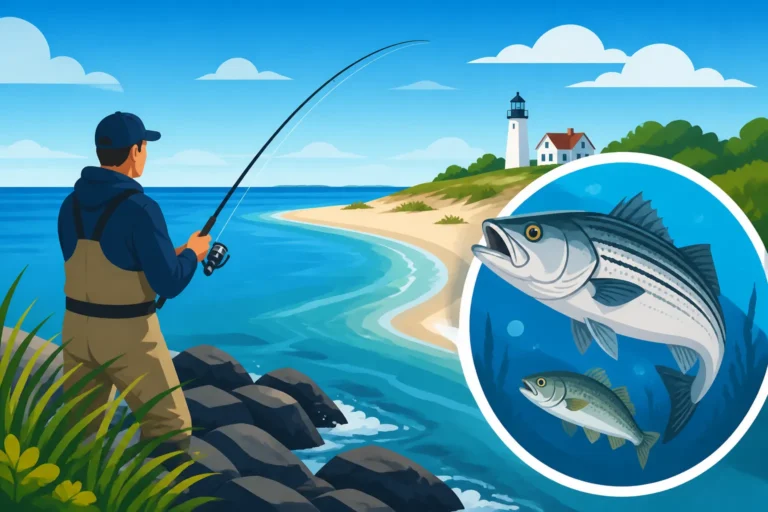
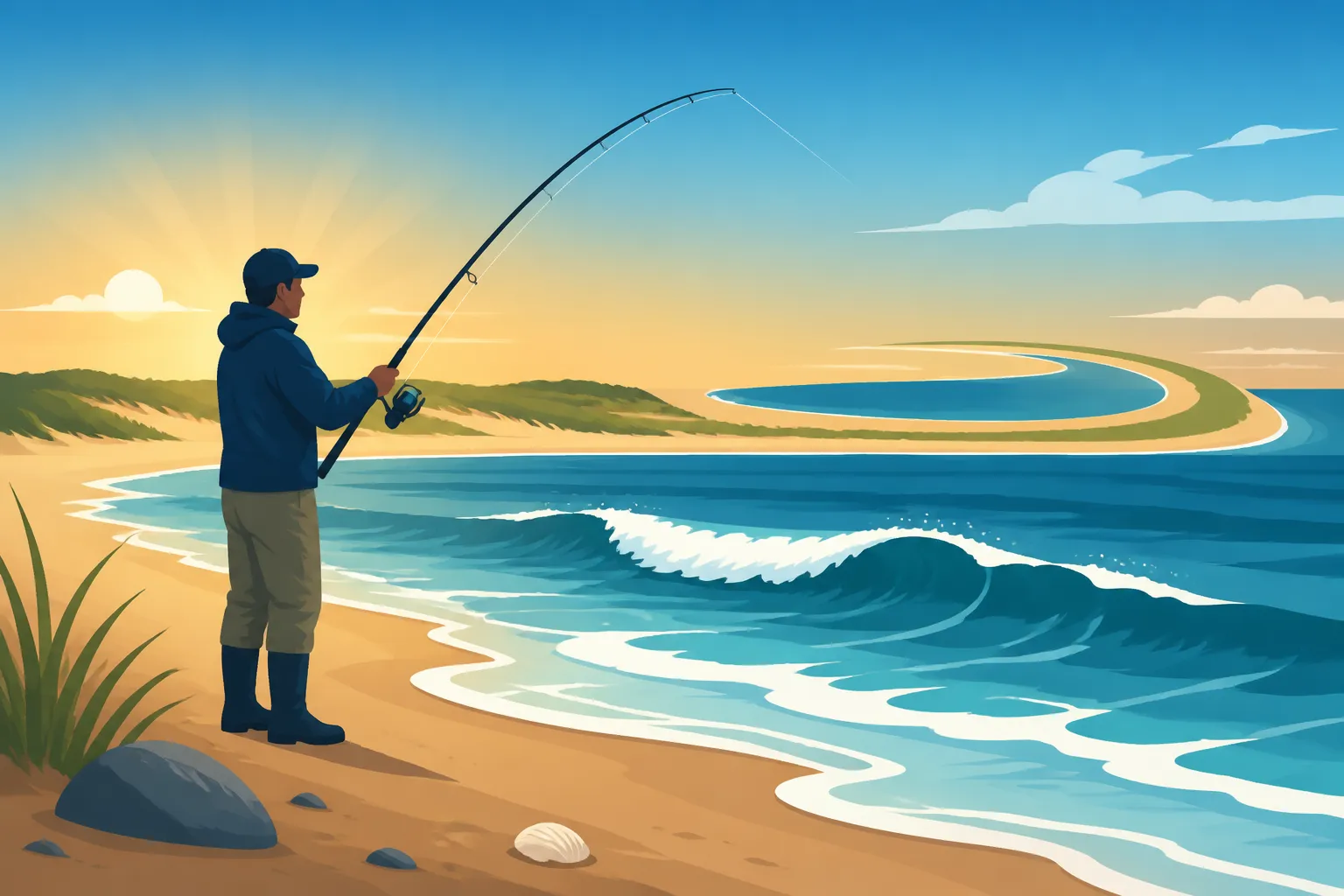
Standing on a windswept Cape Cod beach, casting into the churning Atlantic, is a dream for many anglers, but knowing which beach and how to approach it can feel like trying to find a needle in a haystack. The vast expanse of shoreline, the ever-changing tides, and the elusive nature of game fish like striped bass can be incredibly daunting, especially for those new to surfcasting or even seasoned anglers visiting for the first time. This guide is designed to cut through that confusion, providing you with an in-depth look at the best beaches for surfcasting on Cape Cod, complete with tips on what to expect and how to maximize your chances of a successful outing.
The Undeniable Appeal of Cape Cod Surfcasting
Cape Cod, with its iconic sandy hook jutting into the Atlantic, is a unique geological and ecological wonderland, making it a prime destination for surfcasting enthusiasts from all over. The dynamic coastline, sculpted by powerful ocean currents and glacial retreat, creates a diverse range of fishing environments, from dramatic cliffs and expansive sandy flats to boulder-strewn points and deep channels. It's not just the scenery that draws people; it's the incredible fishing opportunities, particularly for migratory species that hug the coastline.
Why Cape Cod is a Surfcasting Mecca
What truly sets Cape Cod apart as a surfcasting haven is its strategic location along the Atlantic migratory routes. Each spring, vast schools of baitfish, followed closely by predatory species like striped bass, bluefish, and even false albacore, make their way north along the coast, often concentrating around the Cape's numerous points and inlets. The sheer variety of habitat also plays a huge role. You can find sheltered bays, calm flats, and pounding surf all within a relatively short drive, offering different experiences and target species depending on the conditions and your preference. This geological diversity creates a multitude of rips, currents, and drop-offs that ambush migrating fish, making them accessible to shore-bound anglers. It’s a place where you can truly connect with the ocean's raw power and the ancient rhythm of the tides, all while pursuing some of the most sought-after game fish on the East Coast.
Many anglers find themselves drawn to the Cape not just for the fish, but for the profound sense of place. There's a rich history of surfcasting here, a tradition passed down through generations. You're fishing in the footsteps of legends, on beaches that have seen countless sunrises and monumental catches. It's a challenging endeavor, demanding patience, skill, and an understanding of the environment, but the rewards—a screaming reel, a bent rod, and the thrill of landing a powerful fish from the sand—are unparalleled. The accessibility of such incredible fishing from shore is a major draw, allowing anglers to avoid the cost and logistics of a boat while still experiencing world-class action.
Seasonal Patterns and Target Species
Understanding the ebb and flow of the seasons is paramount to successful surfcasting on Cape Cod. The fishing changes dramatically from spring to fall, with different species becoming active and available at various times. The season generally kicks off in late April to early May when the first migratory striped bass arrive, often followed by schools of smaller "schoolie" stripers. As the water warms through June and July, larger striped bass become more prevalent, and aggressive bluefish invade the waters, offering explosive topwater action. False albacore and bonito make thrilling, albeit challenging, appearances in late summer and early fall, providing a high-speed, light-tackle challenge.
The fall run, from late September through November, is arguably the most anticipated period for many surfcasters. This is when vast numbers of striped bass, bluefish, and other species migrate south, feeding voraciously before their long journey. During this time, the beaches can come alive with blitzing fish, offering some of the most exciting and productive fishing of the year. Beyond these marquee species, anglers might also encounter tautog, scup, and various flounder species in certain areas, particularly on the calmer, bay-side beaches or around structure. For detailed information on specific times, you can always check the general Massachusetts Fishing Seasons Explained. It's essential to consult local regulations, as bag limits and size restrictions, like the Massachusetts Striped Bass Slot Limit Explained, can change season to season.
Premier Outer Cape Surfcasting Beaches
The Outer Cape is truly where the Atlantic opens up, offering miles of pristine, wild coastline that provides some of the most dynamic and productive surfcasting opportunities anywhere. These beaches are exposed to the full force of the ocean, creating powerful waves, strong currents, and deep cuts that attract baitfish and, consequently, large predators. Be prepared for a walk, often a long one, but the solitude and potential for trophy fish make it all worthwhile.
Nauset Beach Orleans
Nauset Beach in Orleans is a legendary surfcasting spot, renowned for its incredible striped bass and bluefish action, particularly during the spring and fall runs. This expansive, sandy beach stretches for miles, offering a mix of open sand, occasional submerged structure, and ever-shifting sandbars and troughs. What makes Nauset so productive is its dynamic nature; the constant churning of the surf creates pockets where baitfish get trapped, drawing in larger predatory fish. Anglers often target the areas around the inlets and outflows, where currents create natural ambush points.
Surfcasters here typically use heavy spinning gear, capable of casting large plugs, metals, or bait rigs far beyond the breaking waves. Early mornings and late evenings, especially around high tide, are often the most productive times. Fishing the beach can involve covering a lot of ground, walking for miles to find active fish or promising structure. While it's a popular spot, its sheer size often allows for a sense of solitude, giving you plenty of room to cast without interference. Remember to be mindful of swimmers and sunbathers during peak summer days, and always respect the beach environment.
Coast Guard Beach and Marconi Beach Eastham/Wellfleet
Moving north into the National Seashore, Coast Guard Beach in Eastham and Marconi Beach in Wellfleet offer classic Outer Cape surfcasting experiences. These beaches are characterized by dramatic dunes, wide sandy expanses, and an unrelenting Atlantic swell. The sheer wildness of these locations contributes to their allure. Both beaches can be fantastic for striped bass and bluefish, particularly when schools of baitfish, like sand eels or pogies, are present. Access to Coast Guard Beach requires a shuttle in summer, while Marconi has more direct parking.
At Coast Guard Beach, the long walk to the water, often over soft sand, means packing light is key. Anglers frequently fish the "wash" – the area where waves crash and recede – using jigs, soft plastics, or chunks of bait. Marconi Beach, perched atop a steep dune, offers panoramic views and excellent access to deep water closer to shore. The steep drop-off at Marconi can be advantageous, allowing anglers to reach deeper channels where fish might hold without needing extremely long casts. Both locations require a certain level of fitness and preparation, but the rewards of catching a powerful fish in such a pristine, iconic setting are immense.
Race Point Beach and Herring Cove Provincetown
At the very tip of Cape Cod, in Provincetown, lies Race Point Beach and Herring Cove, two distinct but equally fantastic surfcasting destinations. Race Point, facing the open Atlantic, is famous for its dramatic sand flats, ever-shifting rips, and powerful currents. It's a hotspot for large striped bass, especially during the fall migration, as well as bluefish and, occasionally, even bluefin tuna feeding close to shore. Anglers often drive on the beach (with a special permit) to access more remote areas, targeting deeper troughs and turbulent water where bait concentrates.
Herring Cove, on the other hand, faces west into Cape Cod Bay, offering slightly calmer waters but still subject to strong currents and deep channels. While less exposed than Race Point, it can be incredibly productive, especially during bait migrations. Night fishing here can be exceptional for large striped bass, which move into the shallower waters under the cover of darkness. Both beaches benefit from their proximity to Stellwagen Bank, a rich feeding ground, which often funnels large fish past their shores. If you're looking for guidance on catching these powerful fish, checking out How to Catch Striped Bass in Massachusetts can offer invaluable insights. For those who want to find a local expert for these challenging spots, platforms like FishingBooker can connect you with guides who know the intricate nuances of these waters and can even provide a "Cape Cod Canal Guided Fishing Trips" experience if you want to explore further.
Other Notable Cape Cod Surfcasting Locations
While the Outer Cape beaches steal much of the spotlight for their raw Atlantic power, other areas of Cape Cod offer excellent, and sometimes more accessible, surfcasting opportunities. These spots might not always see the same massive swells, but they hold their own unique charm and can be incredibly productive for a variety of species.
South Side Beaches Falmouth to Chatham
The south-facing beaches of Cape Cod, stretching from Falmouth through Hyannis and all the way to Chatham, offer a different surfcasting experience. These beaches are influenced by Nantucket Sound, which can be calmer than the open Atlantic but still produces a respectable surf, especially during southerly winds or after storms. Locations like Kalmus Beach in Hyannis, Craigville Beach in Centerville, and the beaches along the South Monomoy wilderness offer excellent opportunities for striped bass, bluefish, and scup.
These beaches are often more family-friendly, with easier access and shallower gradients, making them great for beginners or those looking for a less intense outing. Anglers here often target the calmer conditions with lighter tackle, focusing on bait-and-wait techniques with clam, squid, or mackerel, or casting smaller lures. The numerous jetties and rock structures found along these stretches also provide excellent cover for fish and structure for anglers to target. These spots can be particularly good for anglers hoping to try their hand at "Massachusetts Surf Fishing Techniques" in more manageable conditions.
| Beach Name | Location | Primary Species | Best Conditions | Notable Features | Access (Summer) |
|---|---|---|---|---|---|
| Nauset Beach | Orleans | Striped Bass, Bluefish | Incoming/Outgoing Tide | Expansive sandy beach, shifting sandbars, good rips | Parking Fee |
| Coast Guard Beach | Eastham | Striped Bass, Bluefish | All Tides | Dramatic dunes, deep water near shore | Shuttle bus (parking lot often fills by 8 AM) |
| Marconi Beach | Wellfleet | Striped Bass, Bluefish | All Tides | Steep drop-off, deep channels | Parking Lot (fills quickly) |
| Race Point Beach | Provincetown | Striped Bass, Bluefish, Tuna | All Tides, Night Fishing | Wide flats, strong rips, permit for oversand driving | Parking Lot, Oversand Permit |
| Herring Cove | Provincetown | Striped Bass, Bluefish | Incoming Tide, Night Fishing | Calmer, deep channels, west-facing | Parking Lot |
| Kalmus Beach | Hyannis | Striped Bass, Bluefish, Scup | Incoming Tide | Jetties, calmer Nantucket Sound waters | Parking Fee |
| Craigville Beach | Centerville | Striped Bass, Bluefish, Scup | Incoming Tide | Sandbars, popular for family fishing | Parking Fee |
Bay-Side Beaches for a Different Experience
While not strictly "surfcasting" in the traditional sense of heavy ocean surf, the beaches on the Cape Cod Bay side, such as Skaket Beach in Orleans or Mayflower Beach in Dennis, offer a unique and often productive experience, especially during the extreme low tides that expose vast sand flats. These areas are incredibly popular for striped bass during the spring and fall, particularly for anglers who enjoy wading or kayak fishing the flats. The water here is generally much calmer, but strong currents can still be present, particularly around creek mouths and tidal channels.
The approach to fishing these bay-side beaches is often different, favoring lighter tackle, stealth, and a focus on sight-fishing for cruising stripers on the flats. Fly fishing can be particularly effective here. While the massive waves are absent, the challenge comes from reading the subtle movements of the tide over the flats and anticipating where fish will move to feed. It's a tranquil yet rewarding way to experience fishing on Cape Cod, offering a contrast to the powerful ocean beaches. These spots are fantastic for an angler who enjoys a more nuanced, observational style of fishing, especially for the elusive "Massachusetts Freshwater vs Saltwater License Differences" related to where you're fishing.
Essential Gear and Techniques for Cape Cod Surfcasting
Successfully tackling the diverse surfcasting environments of Cape Cod requires more than just a rod and reel. It demands thoughtful preparation, the right tools, and an understanding of the techniques best suited for these waters. The relentless nature of the ocean, the size of the fish, and the often-long walks to prime spots mean your gear needs to be robust and reliable.
Rod, Reel, and Line Selection
For the heavy surf of the Outer Cape, a sturdy surf rod is non-negotiable. Most experienced surfcasters opt for rods between 9 to 12 feet in length, providing the leverage needed for long casts and the backbone to handle powerful fish in strong currents. A good rule of thumb is to match the rod to the lures or baits you intend to cast – a rod rated for 2-6 oz lures is a versatile choice for many situations. Pairing this with a robust spinning reel, typically in the 6000 to 10000 size range, is essential. Look for reels with strong drag systems and excellent saltwater sealing to withstand the harsh environment. Brands like Penn, Shimano, and Daiwa are popular choices known for their durability.
Line choice is equally critical. Braided line, with its superior strength-to-diameter ratio and lack of stretch, has become the standard for surfcasters. A 30 to 50 lb test braided line allows for long casts and excellent sensitivity, letting you feel even the subtlest bites. It's crucial to attach a leader, usually 30 to 60 lb fluorocarbon or monofilament, to the end of your braid. This leader provides abrasion resistance against rocks and fish teeth and offers a level of invisibility that can be crucial in clear water. Without a proper leader, your expensive braided line can quickly fray and snap, leading to lost fish and gear.
Baits and Lures That Work
The most effective baits and lures on Cape Cod often depend on the season, the presence of specific baitfish, and the target species. For striped bass and bluefish, versatility is key.
Popular Lures:
- Plugs: Topwater poppers and walk-the-dog lures are incredible for aggressive bluefish and stripers, especially at dawn or dusk. Subsurface swimmers and metal-lipped darters excel in turbulent water, mimicking fleeing baitfish. Pencil poppers are iconic for their ability to draw explosive strikes.
- Metal Jigs: Tins and Kastmasters are heavy, cast far, and imitate various baitfish. They are excellent when fish are feeding on sand eels or silversides.
- Soft Plastics: Large paddle tail swimbaits, like those from Ron-Z or Bill Hurley, rigged on weighted hooks, are incredibly effective. They can be fished slow or fast, mimicking a wounded baitfish, and are often deadly at night. Soft plastic eels are also a fantastic choice, especially when fished slowly in rips.
- Bucktail Jigs: A classic for a reason, bucktails can imitate squid, crabs, or various baitfish. Tipped with a pork rind or soft plastic trailer, they are incredibly versatile and effective in almost any condition.
Effective Baits:
- Live Bait: Live eels are absolute killers for large striped bass, especially after dark. Mackerel, menhaden (pogies), and herring (where legal and available) are also potent live baits.
- Chunk Bait: Fresh chunks of mackerel, pogies, or even bluefish are irresistible to striped bass and bluefish. Fished on a fish-finder rig, these can be very productive.
- Clams: Particularly effective for species like scup and even stripers, especially in areas with a softer bottom.
The best approach is often to observe what the fish are feeding on – "match the hatch" – and adjust your lure or bait accordingly. Sometimes, a subtle presentation is needed, while other times, a flashy, aggressive lure will draw strikes.
Reading the Beach and Water
One of the most valuable skills a surfcaster can develop is the ability to read the beach and water. This involves understanding how currents, waves, and bottom structure influence where fish will hold and feed. Look for areas where the waves are breaking differently, indicating changes in depth or submerged structure.
- Rips and Currents: Turbulent areas where opposing currents meet or where currents flow around a point or structure are often prime feeding zones. Baitfish get disoriented, and predators lie in wait.
- Troughs and Cuts: Look for darker water running parallel to the beach, often between sandbars. These are deeper channels where fish will travel and feed, especially on a falling tide.
- Undertows and Eddies: Areas where the water swirls and creates eddies can also concentrate bait.
- Foam Lines: The frothy water created by breaking waves can provide cover for baitfish and predators, making it an excellent place to cast.
- Bird Activity: Gulls, terns, and other seabirds diving or congregating often indicate the presence of baitfish, which means game fish are likely nearby. If you see birds working, head there!
Understanding these visual cues can significantly improve your chances of finding fish, even on seemingly barren stretches of sand. It takes practice and observation, but learning to "read the water" is a lifelong skill that pays dividends on every outing.
Mastering the Tides and Conditions
Surfcasting on Cape Cod isn't just about casting a line; it's about timing. The ocean is a living, breathing entity, constantly changing with the tides, weather, and seasons. To be truly successful, you need to develop an understanding of these dynamics and how they impact fish behavior. Knowing the best time to cast or when to simply pack up and wait for better conditions can be the difference between a memorable day and a frustrating one.
Understanding Tides and Currents
Tides are the heartbeat of surfcasting, dictating when and where fish will feed. On Cape Cod, with its varied coastline, tidal influences can be complex. The open Atlantic side experiences a typical semi-diurnal tide (two high tides and two low tides each day), while Cape Cod Bay has a much greater tidal range, exposing vast mudflats at low tide.
- Incoming Tide: As the tide rises, it pushes baitfish closer to shore and into new feeding grounds. This is often a highly productive time, especially the last two hours before high tide. Striped bass and bluefish will move into shallower areas to ambush prey.
- Outgoing Tide: As the water recedes, it can pull baitfish out of bays and estuaries, concentrating them in channels and rips. The first few hours of the outgoing tide, or the period just before low tide, can be excellent, particularly in areas with strong outflows.
- Slack Tide: The period of minimal water movement at the peak of high or low tide is generally the least productive, as currents are weak and fish activity tends to slow.
Beyond the simple ebb and flow, understanding moon phases and their impact on tidal strength is also beneficial. Full and new moons bring stronger "spring tides" with greater water movement, which can sometimes lead to more active feeding. Conversely, quarter moons result in weaker "neap tides." Knowing the tide tables for your specific beach is non-negotiable. Many anglers use apps or online resources to track real-time tide data for their chosen fishing spots.
Best Times of Day and Night
While tides are crucial, the time of day also plays a significant role. Generally, low light conditions are preferred by predatory fish, making dawn and dusk prime times for surfcasting.
- Dawn Patrol: The period just before and after sunrise is often magical. The fading darkness provides cover for predators, and baitfish are often moving around. The calm before the day's activity can lead to incredible topwater action.
- Dusk and Evening: Similar to dawn, dusk offers another excellent window. As the sun sets, fish become more active. The period after dark, especially for larger striped bass, can be exceptionally productive. Many trophy stripers are caught by patient anglers who brave the night.
- Night Fishing: Don't shy away from fishing under the stars. Striped bass, in particular, are nocturnal feeders and feel much safer hunting in the dark. Large soft plastics, live eels, and dark-colored plugs often shine at night. Remember to bring a headlamp (with a red light setting to preserve night vision), dress warmly, and be extra cautious of slippery rocks and uneven terrain.
During bright daylight hours, fishing can still be productive, but fish often move to deeper water or seek refuge in cooler, shaded areas. Focusing on deeper channels, rips, or fishing around structure can yield results even in the midday sun. However, if you're looking for consistent action and larger fish, those low-light hours are your best bet.
Safety First: Know Before You Go
Surfcasting on Cape Cod, while exhilarating, demands respect for the ocean's power. Safety should always be your top priority. The conditions can change rapidly, and powerful waves, strong undertows, and slippery rocks pose real risks.
- Check the Forecast: Always check marine weather forecasts before heading out. High winds, heavy surf, and approaching storms can make fishing dangerous.
- Tide Charts are Your Friend: Consult tide charts and understand how rapidly the water can rise or fall, especially in areas with large tidal swings or treacherous currents. Don't get stranded on a sandbar by a rising tide.
- Dress Appropriately: Waders are essential for keeping dry and warm, but be aware of their limitations. Always wear a wading belt to prevent water from filling your waders if you fall. Dress in layers to adapt to changing temperatures.
- Footwear: Felt-soled boots or Korkers are crucial for traction on slippery rocks and jetties. A fall can be serious, especially when carrying heavy gear.
- Fish with a Buddy: Whenever possible, fish with a friend, especially in remote areas or at night. If fishing alone, let someone know where you're going and when you expect to return.
- Be Aware of Your Surroundings: Look out for rogue waves, breaking surf, and any other potential hazards. Don't turn your back on the ocean.
- Oversand Driving Permits: If you plan to drive on the beach, ensure you have the necessary permits from the relevant town or the Cape Cod National Seashore. This often requires a four-wheel-drive vehicle and specific safety equipment.
For those venturing into unfamiliar territory, or perhaps hoping to learn the specific nuances of a particular beach from a seasoned local, considering a guided trip can be an excellent option. Platforms like FishingBooker can help you find experienced Cape Cod fishing guides who can teach you the ropes, share local knowledge, and ensure a safe and productive outing. They can even provide "Massachusetts Fishing Guide License Requirements" details if you're curious about the pros.
Disclaimer
Please note that fishing regulations, including licensing requirements, bag limits, and size restrictions, are subject to change. Always consult the latest rules and regulations published by the Massachusetts Division of Marine Fisheries or MassWildlife before heading out. This guide is for informational purposes only and does not constitute professional advice.