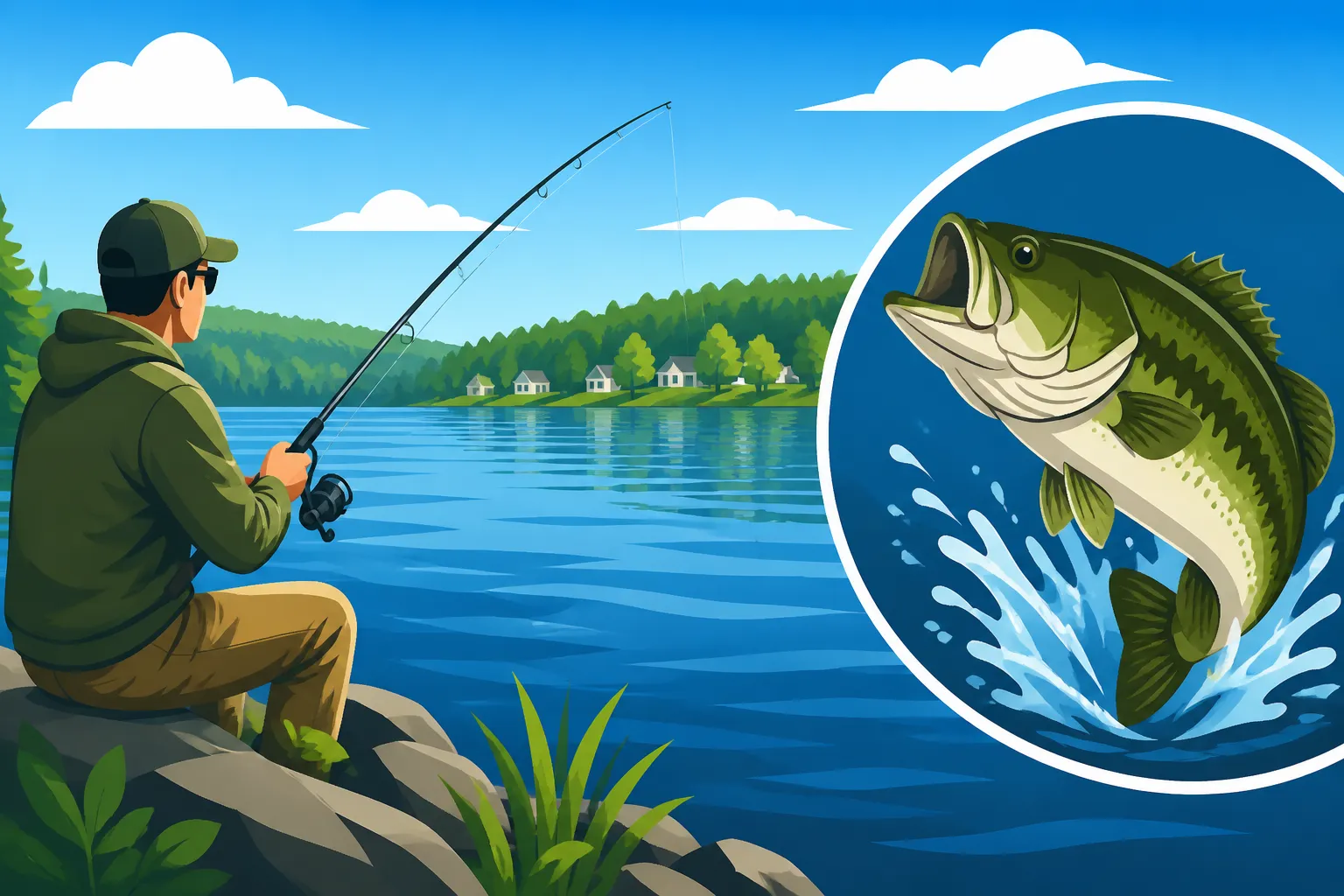
Lake Quinsigamond Fishing Spots in Massachusetts
Navigating a new fishing spot can feel like trying to solve a puzzle, especially when it’s a sprawling urban lake like Lake Quinsigamond. With its unique blend of bustling shoreline and hidden depths, knowing where to drop a line for the best chance at success can be a real head-scratcher. This guide aims to take the guesswork out of your next outing, pinpointing the most productive fishing spots and offering seasoned advice to help you reel in some fantastic catches on Lake Quinsigamond.
Unraveling the Mystique of Lake Quinsigamond
Lake Quinsigamond, a long, narrow lake spanning parts of Worcester and Shrewsbury, is far more than just a pretty body of water. It's a prime fishing destination with a surprising amount of diversity, offering something for every angler, from the casual weekend warrior to the dedicated bass hound. Its urban setting means easy access, but don't let the proximity to the city fool you; this lake holds some serious lunkers.
A Geological Story and Diverse Depths
Lake Quinsigamond's formation dates back to the last glacial period, carved out by retreating ice sheets. This geological history has left behind a fascinating and varied bottom structure that’s a haven for fish. You’ll find everything from shallow, weedy flats to sudden, deep drop-offs and rocky humps that break up the lake bed. The maximum depth of the lake hovers around 85 feet, particularly in its central and northern basins, while other areas, especially towards the south, can be considerably shallower.
This varying topography is critical because different fish species prefer different depths and structures. For instance, largemouth bass often lurk in the shallower, vegetated areas, while smallmouth bass might prefer the rocky drop-offs and deeper points. Understanding these depth variations is your first step to unlocking the lake's potential. Imagine trying to catch a fish that prefers cool, deep water in a shallow, sun-drenched cove – not going to happen! The lake's distinct basins, separated by narrows and bridges, each have their own character and fishing opportunities.
Ecosystem Health and Water Features
Despite its urban surroundings, Lake Quinsigamond boasts a relatively healthy ecosystem that supports a robust fish population. While it experiences some urban runoff, ongoing conservation efforts by local groups and state agencies help maintain its vitality. The lake is fed by several small streams and drains into the Quinsigamond River, contributing to a moderate flow that helps keep the water oxygenated, especially in the narrower sections.
Crucially, the lake features a mix of submerged vegetation, docks, fallen trees, and rocky shores. These "fish magnets" provide essential cover, ambush points, and spawning grounds. Healthy weed beds, particularly coontail and milfoil, are abundant in shallower areas and are absolute goldmines for baitfish and the predators that hunt them. Keep an eye out for bridges like the Route 9 bridge, which creates shadows and structure that can hold fish, especially during bright, sunny days. These man-made structures mimic natural cover and often concentrate bait and game fish alike.
Prime Fishing Hotspots on Lake Quinsigamond
Alright, let's get down to brass tacks: where are the best places to actually cast a line? Lake Quinsigamond, being a long and segmented body of water, has several distinct areas that consistently produce good fishing. Knowing these spots can save you hours of aimless casting and put you right on top of the action.
The Northern Basins: Shallow Delights and Weed Edges
The northernmost section of Lake Quinsigamond, particularly the areas closer to Worcester, features expansive shallow flats and numerous coves. These areas warm up quickly in the spring, making them prime spots for pre-spawn bass and panfish. Look for significant weed lines here, as they provide excellent cover and foraging grounds.
One highly productive area is near the Lake Quinsigamond State Park boat launch. While it’s a busy spot for boaters, the surrounding shallow waters and docks often hold largemouth bass, especially early in the season. Further north, the secluded coves near the Lincoln Street Boat Launch are fantastic for flipping jigs or Texas-rigged plastics into heavy cover. These coves are often quieter and less disturbed, making them perfect for targeting larger, wary bass. As you work these northern basins, focus on areas where the weeds meet open water or where docks provide overhead shade. These transition zones are where predatory fish love to lie in wait.
Mid-Lake Structures: Bridges, Humps, and Deep Water
Moving south, the mid-lake section becomes more complex, characterized by deeper water, prominent points, and man-made structures like bridges. The Route 9 bridge is arguably the most famous landmark on the lake and a notorious fish magnet. The pilings and rip-rap around the bridge create current breaks and deep pockets where both largemouth and smallmouth bass congregate. It's a high-pressure spot, so stealth and precise casting are key.
Further south, you'll encounter various submerged humps and rock piles, particularly in the wider, open sections of the lake. These underwater structures don't always show up clearly on standard maps, so a good fish finder is invaluable here. These mid-lake humps act as feeding stations for smallmouth bass, perch, and even crappie. Try jigging or drop-shotting around these areas. The narrows, like those around the White City area, also create current that can concentrate baitfish, drawing in predators. Any point or peninsula extending into the main lake, particularly those with a quick drop-off, is worth investigating with crankbaits or deep-diving jerkbaits.
Southern Reaches: Connecting Waters and Quieter Zones
The southernmost part of Lake Quinsigamond transitions into narrower channels and eventually connects to Flint Pond. This area often has slightly more current, which can be beneficial for certain species. While generally shallower than the main lake, it features its own unique structures and quieter environments.
The areas leading into Flint Pond, near the town of Shrewsbury, can be excellent, especially for species that might move between the two bodies of water. Look for bridge abutments and deeper pockets near the channel. The shorelines here are often less developed, offering more natural cover like fallen trees and lily pads that are perfect for topwater action during warmer months. FishingBooker lists several local guides who specialize in these specific southern areas, offering invaluable local knowledge for those looking for a guided experience. These guides often know the subtle nuances of where fish are holding based on current conditions, something that takes years to learn on your own.
Targeting the Lake's Abundant Species
Lake Quinsigamond is a fantastic multi-species fishery, meaning you're unlikely to go home empty-handed, no matter your preference. From hard-fighting bass to plentiful panfish, there’s a diverse population waiting for your hook.
Largemouth and Smallmouth Bass: The Lake's Top Predators
Massachusetts is renowned for its bass fishing, and Lake Quinsigamond definitely contributes to that reputation. Both largemouth and smallmouth bass thrive here, offering exciting action for anglers. Largemouth bass tend to prefer the shallower, weedy areas and submerged cover, while smallmouth bass often hug rocky points, drop-offs, and deeper, open-water structures.
For largemouth, target weed edges, lily pads, docks, and fallen trees. Popular techniques include flipping jigs, Texas-rigged worms, and pitching creature baits into heavy cover. Topwater lures like poppers and frog imitations are incredibly exciting in the early morning or late evening, especially around shallow weed beds or overhanging trees. When fishing for smallmouth, switch to crankbaits, jerkbaits, or Ned rigs worked along rocky bottom or sudden depth changes. Drop-shotting finesse worms is also deadly when they're holding tight to structure in deeper water. Remember, smallmouth often school, so if you catch one, there are likely more nearby! Don't forget to check the Massachusetts Freshwater Daily Catch Limits before you go. If you're really looking to hone your skills, our guide on How to Catch Largemouth Bass in Massachusetts offers even more detailed techniques.
Pickerel and Perch: Ice Fishing Favorites and Year-Round Fun
Chain pickerel are abundant in Lake Quinsigamond and provide spirited fights, especially on light tackle. They are ambush predators, so target them around weed beds, submerged logs, and docks. Spinnerbaits, spoons, and live shiners are excellent choices for pickerel. While often considered a nuisance when targeting bass, pickerel are fun to catch and are surprisingly good table fare if properly prepared.
Yellow perch are another common catch and are particularly popular during the winter for ice fishing. They school up, so once you find a school, you can often catch several in quick succession. Small jigs tipped with a grub, minnow, or wax worm are highly effective. For year-round perch fishing, look for them around weed edges and slightly deeper flats. Our article on What a Chain Pickerel Looks Like can help you properly identify your catch!
Crappie and Panfish: Abundant and Accessible
Lake Quinsigamond is home to healthy populations of both black and white crappie, along with various sunfish species like bluegill and pumpkinseed. These panfish are fantastic targets for beginners, kids, or anyone looking for consistent action. Crappie tend to suspend around submerged brush, bridge pilings, and deep docks, especially in spring and fall.
Small jigs, often tipped with a tiny plastic grub or a live minnow, are the go-to baits for crappie. Fish them under a bobber or slowly troll them through known crappie haunts. Bluegill and pumpkinseed can be caught almost anywhere there's vegetation or shallow cover, readily taking worms, crickets, or tiny artificial lures. For those looking to learn more about targeting these schooling fish, our detailed guide on Crappie Fishing in Massachusetts Ponds will provide even more insights into successful strategies.
| Species | Preferred Habitat | Best Time to Catch | Common Baits/Lures |
|---|---|---|---|
| Largemouth Bass | Shallow weeds, docks, fallen trees | Spring, Summer (dawn/dusk), Fall | Jigs, plastics, topwater, spinnerbaits |
| Smallmouth Bass | Rocky points, deep drop-offs, bridge pilings | Spring, Summer, Fall | Crankbaits, jerkbaits, Ned rigs, drop-shots |
| Chain Pickerel | Dense weed beds, submerged logs | Year-round (esp. Spring/Fall) | Spinnerbaits, spoons, live shiners |
| Yellow Perch | Weed edges, deeper flats, schooling | Year-round (esp. Ice Fishing) | Small jigs, minnows, wax worms |
| Black Crappie | Suspended cover, bridge pilings, brush piles | Spring, Fall | Small jigs, minnows |
| Bluegill/Sunfish | Shallow vegetation, docks | Spring, Summer | Worms, crickets, small artificials |
Seasonal Strategies for Success
Fishing on Lake Quinsigamond isn't a one-size-fits-all affair. The lake changes dramatically with the seasons, and so too should your approach. Adapting your techniques to the time of year is crucial for consistent success. You can also review our general guide on Massachusetts Fishing Seasons Explained for a broader understanding of the state's fishing calendar.
Spring's Awakening: Pre-Spawn and Shallow Water Action
As ice melts and water temperatures begin to climb in early spring, fish in Lake Quinsigamond start to become active, moving from deeper wintering grounds to shallower areas. This pre-spawn period is characterized by aggressive feeding as fish bulk up for spawning. Look for largemouth bass and panfish in the northern coves and shallow flats where the sun penetrates best, warming the water fastest.
Spinnerbaits, lipless crankbaits, and jerkbaits worked slowly along weed edges are incredibly effective for bass. For panfish, simple bobber-and-worm setups or small jigs can yield excellent results. As the water warms further and fish move onto beds, sight fishing for bass can be productive, but always remember to practice catch and release during this sensitive time to protect the spawning population. Early spring is also a great time to target pickerel as they become very active after the winter lull.
Summer's Bounty: Early Mornings, Late Evenings, and Deeper Water
Summer brings warmer water temperatures, pushing many fish into deeper, cooler water during the day. This doesn't mean fishing shuts down, but it requires a strategic shift. Focus your efforts on the early morning hours, late evenings, or after dark for surface activity. During the brightest parts of the day, target deeper points, humps, and areas around the Route 9 bridge where fish can find cooler water and current.
For bass, try deep-diving crankbaits, jigs, and Carolina-rigged plastics on drop-offs or around submerged structure. Topwater action, especially for largemouth, can be fantastic at dawn and dusk around lily pads and dense vegetation. Smallmouth bass will often be suspended over deeper water or tight to rock piles. Don't overlook the shade provided by docks; pitching jigs or soft plastics under them can entice a strike from a wary bass seeking refuge from the sun. The warmer months are also excellent for catching crappie and other panfish using small jigs or live bait near brush piles.
Fall Feast: Active Feeding and Schooling Behavior
Fall is a favorite season for many anglers, and for good reason! As water temperatures cool, fish become incredibly active, feeding aggressively to build up fat reserves for the coming winter. This "fall bite" can be spectacular on Lake Quinsigamond. Both largemouth and smallmouth bass will often school up and chase baitfish in open water, providing fast-paced action.
Look for schooling baitfish on your fish finder, and where there's bait, there are usually predators. Covering water with lipless crankbaits, swimbaits, and jerkbaits is a great strategy. Trolling spoons or stickbaits can also be effective, especially for smallmouth and pickerel. Shore anglers will find success casting from points and areas with deeper access. The cooler temperatures make daytime fishing much more comfortable and productive, making it a prime season to visit. Many anglers find success booking trips through services like FishingBooker during the fall, as local guides know exactly where the fish are schooling up.
Winter Wonderland: Ice Fishing Opportunities
When Lake Quinsigamond freezes over, a new world of fishing opportunities opens up, particularly for ice anglers. The lake offers excellent ice fishing for yellow perch, crappie, and pickerel, and even some hardy bass. Safety, of course, is paramount when ice fishing. Always check ice thickness and conditions before venturing out.
Popular spots for ice fishing include the shallower northern basins, particularly around the state park and where weed beds provide cover. Small jigs tipped with bait like wax worms, spikes, or minnows are irresistible to perch and crappie. Tip-ups are highly effective for pickerel and bass, baited with live shiners. For those interested in this winter pursuit, our guide on Massachusetts Ice Fishing License Requirements and Best Ice Fishing Ponds in Massachusetts offers essential information to get you started safely and legally.
Access Points and Amenities
Getting onto and around Lake Quinsigamond is relatively straightforward, thanks to several public access points and local resources. This accessibility is one of the lake's biggest draws, making it easy for anglers from all over to enjoy a day on the water.
Public Boat Ramps and Launches
For those with a boat, there are a couple of primary public boat ramps available. The most prominent is located at Lake Quinsigamond State Park in Worcester. This ramp is well-maintained and offers ample parking, though it can get quite busy during peak season, especially on weekends. It provides excellent access to the main lake basin.
Another useful public launch is the Lincoln Street Boat Launch on the northern end of the lake, also in Worcester. This is a bit more suitable for smaller boats, kayaks, and canoes, offering access to the quieter northern coves and shallower areas. Always ensure your vessel meets any specific requirements for use on the lake, and have your Fishing License Rules for Massachusetts Boaters in order.
Shoreline Access and Kayak-Friendly Spots
Even if you don't have a boat, there are plenty of opportunities for shore fishing on Lake Quinsigamond. The Lake Quinsigamond State Park itself offers various spots along its shoreline, from grassy banks to small rocky areas, perfect for casting a line. The Route 9 bridge area also provides some limited shore access, though it can be busy and requires caution due to traffic.
For kayak and canoe anglers, the smaller launches and numerous coves around the northern and southern ends of the lake are ideal. These paddle craft allow you to access tighter spots and quieter waters that larger boats can't reach, often leading to less pressured fish. Exploring the nooks and crannies with a paddle can be incredibly rewarding.
Local Resources: Bait Shops and Tackle Stores
Worcester and Shrewsbury, the towns bordering Lake Quinsigamond, offer several local resources for anglers. You'll find bait and tackle shops where you can pick up live bait (shiners, worms), lures, and any forgotten gear. These shops are also fantastic sources of up-to-date local fishing reports and advice, often sharing insights into what's biting and where. A quick web search for "bait shops near Lake Quinsigamond" will usually yield several options.
Additionally, if you're looking for an enhanced fishing experience or want to learn the ropes from a seasoned professional, consider hiring a local guide. Platforms like FishingBooker feature experienced Lake Quinsigamond guides who can provide boats, tackle, and expert knowledge, significantly increasing your chances of a memorable day on the water. They often know the hidden gems and specific techniques that can make all the difference.
Essential Tips for Lake Quinsigamond Anglers
Even with the best spots in mind, a little extra knowledge can go a long way in ensuring a successful and enjoyable fishing trip to Lake Quinsigamond.
Understanding Lake Structure and Contour
Lake Quinsigamond’s diverse underwater landscape is its greatest asset. Don't just cast aimlessly. Invest time in understanding the lake's structure. A good depth finder on your boat is invaluable, allowing you to identify drop-offs, humps, and submerged timber that attract fish. Even from shore, you can often "read the water" by observing changes in water color, currents around points, or obvious weed beds.
Look for areas where different types of structure converge—a rocky point that drops into a weed bed, for instance, is a classic fish-holding spot. Changes in bottom composition, from soft mud to hard rock, can also be key indicators. These transitions often harbor baitfish, and consequently, predatory game fish. Don't be afraid to try different depths in the same area until you find where the fish are holding.
Gear Up Right: Tackle and Lure Selection
While you don't need a boatload of expensive gear, having the right tackle for the conditions and target species will make a huge difference. For bass, a medium-heavy rod with a baitcasting reel is versatile for jigs, plastics, and heavier lures. A medium-light spinning rod is perfect for smaller finesse baits, crappie, and panfish. Line choice is also important; fluorocarbon offers sensitivity and invisibility, while braided line excels in heavy cover.
As for lures, always have a good selection of plastics (worms, creature baits), jigs (football, swim, flipping), crankbaits (shallow and deep divers), and topwater lures. Spinnerbaits and chatterbaits are excellent for covering water and triggering reaction strikes. Don't forget live bait like shiners or worms, which can be irresistible to many species, especially panfish and pickerel. Our guide on Largemouth Bass Fishing in Massachusetts offers a deep dive into specific gear recommendations.
Safety and Regulatory Awareness
Safety on the water is paramount. Always wear a life jacket, especially when boating or kayaking. Inform someone of your fishing plans and expected return time. Be mindful of changing weather conditions, as strong winds can quickly whip up choppy waters on Lake Quinsigamond.
Beyond personal safety, it's crucial to be aware of and adhere to all Massachusetts fishing regulations. This includes having a valid Massachusetts Fishing License Guide, understanding specific bag limits, and knowing minimum size requirements for certain species. Penalties for fishing without a license or violating regulations can be steep. You can obtain your license easily online via MassFishHunt, and our article on How MassFishHunt Works for Buying a Massachusetts License can walk you through the process. Always consult the most current Massachusetts fishing regulations pamphlet before you head out, as rules can change.
Disclaimer
Please remember that fishing conditions, regulations, and fish populations can change. Always consult the latest Massachusetts Division of Fisheries and Wildlife (MassWildlife) regulations before your trip. This guide is for informational purposes only and does not guarantee fishing success or personal safety. Exercise caution and good judgment when on the water.