Whether charter prices include fishing licenses
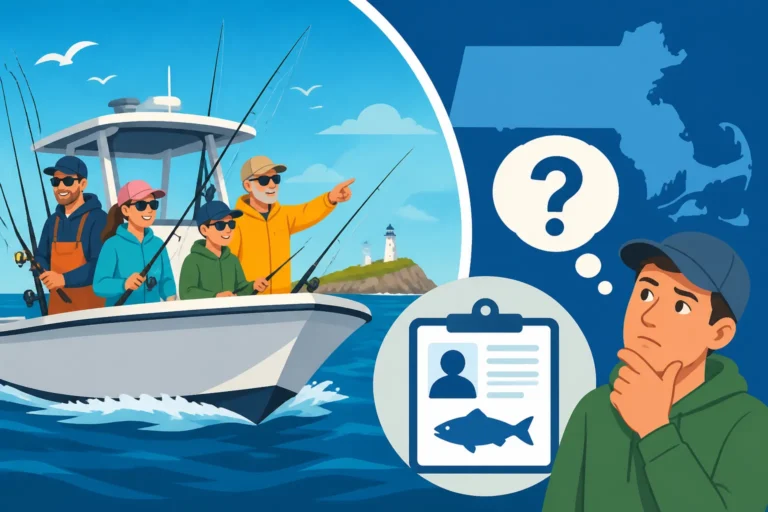
One of the most common questions and sources of confusion for folks looking to book a Massachusetts fishing charter is whether the price they see includes their fishing license. It's a completely valid concern, as nobody wants to get out on the water, excited for a day of angling, only to discover they're not legally permitted to fish, or worse, face a hefty fine. This guide is here to untangle that knot of uncertainty, explaining exactly what you can expect regarding fishing licenses when you book a charter in the Bay State.
The General Rule: What Most Massachusetts Fishing Charters Include (and Don't)
Let's cut right to it: in the vast majority of cases, the price you pay for a Massachusetts fishing charter does not include your individual fishing license or recreational permit. This might seem counterintuitive at first glance, especially if you're used to "all-inclusive" vacation packages, but there are some very good reasons why it works this way.
Why Licenses Aren't Usually Included in the Base Price
Think of it this way: your charter captain holds a specific commercial license that allows them to operate a for-hire vessel and transport passengers for fishing. This is often a United States Coast Guard (USCG) license, which is a whole different ballgame from a recreational fishing license. What a USCG license is and why charter captains need one Their license covers their ability to run the business, but it doesn't automatically extend to cover every single passenger on board for their individual recreational fishing privileges.
The state of Massachusetts, like many other states, requires nearly every individual angler to hold their own valid fishing license or permit. This is a personal responsibility. The fees generated from these licenses are crucial for funding wildlife and fisheries conservation efforts, stocking programs, habitat restoration, and enforcement. It's how we ensure that the fantastic fishing opportunities we enjoy in Massachusetts continue for future generations. If charter captains included the license cost, it would complicate tracking who has paid, where the funds go, and how the state verifies compliance. It’s simply more efficient and legally sound for each angler to obtain their own.
What Charter Fees Typically Cover
So, if the license isn't usually included, what does that charter fee cover? Well, it covers a lot! When you book a charter, you're paying for the expertise of a seasoned captain who knows the local waters, the tides, and where the fish are biting. You're paying for their boat, which is often a significant investment, along with all the associated costs like fuel, maintenance, and insurance.
Crucially, the charter fee almost always includes all the necessary fishing gear – rods, reels, tackle, and terminal tackle specific to the target species. You won't need to worry about bringing your own fancy setup unless you specifically prefer to. Fresh bait, often a significant expense, is also typically provided. Many charters also offer amenities like a cooler for your catch, ice, and sometimes even complimentary bottled water. And, of course, the captain or mate will usually clean and fillet your catch at the end of the day, making dinner prep a breeze. When you're comparing options, it's always smart to ask What's included in a full-day charter price to make sure you know exactly what you're getting for your investment.
Understanding Massachusetts Fishing License Requirements for Charter Guests
To avoid any last-minute stress or, worse, potential fines, it's really important to understand the specific license requirements for fishing in Massachusetts, especially as a charter guest. The rules can vary slightly depending on whether you're heading for fresh or saltwater, your age, and your residency status.
Freshwater vs. Saltwater Permits for Charter Trips
Massachusetts has a clear distinction between freshwater and saltwater fishing permits. If your charter is heading out into the Atlantic Ocean, Cape Cod Bay, or any tidal estuary for species like striped bass, bluefish, or cod, you'll need a Massachusetts Saltwater Recreational Fishing Permit. This permit is relatively straightforward and covers you for all recreational saltwater fishing.
However, if you've somehow found a charter that specializes in navigating a large freshwater lake or river like the Connecticut River for bass, trout, or pike, then you would need a Massachusetts Freshwater Fishing License. While most fishing charters operate in saltwater, it's vital to clarify the type of water you'll be fishing on with your captain, particularly if you're targeting specific species that might overlap. Understanding Massachusetts Freshwater vs Saltwater License Differences is key before your trip.
Age and Residency Factors for Licenses on Charters
The good news for some is that not everyone needs a license. Children under a certain age are typically exempt from needing a freshwater or saltwater permit. For instance, kids generally don't need a saltwater permit if they are under 16 years old. Freshwater rules can be a bit different, so it's best to confirm the exact age cut-off for the specific type of fishing you plan to do. Do Kids Need a Fishing License in Massachusetts? provides more details on this.
Similarly, there can be specific rules or even discounts for Massachusetts residents versus non-residents, and for seniors. Massachusetts residents often pay a lower fee for their licenses. Non-residents, on the other hand, will pay a higher rate, and might have options for shorter-term permits, like a 3-day license, if they're just visiting. Seniors, depending on their age, might be eligible for free or discounted licenses. For example, Massachusetts Senior Fishing License Discounts can save older anglers some money. Always check the MassWildlife website for the most current information regarding these specific categories, or simply ask your charter captain for guidance if you're unsure. This is particularly important for group trips where anglers might come from various states or age groups.
The Captain's Role and Their License
It’s easy to confuse the captain’s license with your own. The charter captain and any professional crew members are required to hold specific commercial licenses and endorsements to operate a for-hire vessel with passengers on board. This ensures they meet strict safety standards, have undergone necessary training, and are legally allowed to charge for their services. This might include a USCG Master's license, often called a "Captain's License."
However, their commercial license does not cover you, the recreational angler, for your individual right to fish. You are still required to possess your own valid recreational fishing permit. Think of it like this: a taxi driver has a commercial license to drive people, but you still need your personal driver's license to get behind the wheel yourself. The captain ensures the boat and operation are legal, while you ensure you are legal to fish from it.
How to Ensure You're Legally Covered Before Your Trip
Booking a charter should be an exciting experience, not a nerve-wracking one. A little proactive planning goes a long way in ensuring your day on the water is smooth and enjoyable, especially when it comes to getting your fishing license sorted out.
Proactively Asking Your Charter Captain About License Requirements
The absolute best thing you can do is communicate directly with your charter captain or the booking agent before you finalize your trip. Don't assume anything. A simple question like, "Do I need to purchase a separate fishing license, or is it included in the charter price?" will clear up any doubts immediately. Most reputable captains will appreciate you asking and will be happy to guide you on how and where to obtain the correct permit. They want you to have a great, worry-free time just as much as you do.
When you're browsing for charters on platforms like FishingBooker, you'll often find a section detailing what's included and excluded. It's always wise to double-check this information and, if it's not explicitly stated, send a message to the captain through the platform. This provides a written record and ensures there are no surprises on the day of your trip. Don't be shy; clarity is key for a fantastic fishing adventure. Many online resources like FishingBooker also provide general guidelines about what to expect with charter bookings.
Purchasing Your License: Options and Timing
Once you confirm you need a license, the process to obtain one in Massachusetts is relatively simple. The easiest and most common way is to purchase it online through the MassFishHunt licensing system. This allows you to do it from the comfort of your home, print it out immediately, or save it to your phone. How to Buy a Massachusetts Fishing License Online walks you through this process step-by-step.
Alternatively, you can often buy licenses in person at designated vendors, such as bait and tackle shops, sporting goods stores, or certain municipal offices. This can be a good option if you prefer a physical card or have questions for a local expert. Just be sure to do this well in advance of your trip, as some smaller vendors might have limited hours or may not be open right before your early morning departure. It's not something you want to scramble for at 4 AM on the day of your charter.
Carrying Proof of Your License
Having purchased your license is one thing; having proof of it with you on the water is another. Massachusetts law requires you to carry proof of your valid fishing license or permit while you are actively fishing. This can be a physical printout, or in many cases, a digital copy on your smartphone. Many anglers prefer to keep a screenshot on their phone or even a photo of their physical license.
However, technology can fail, batteries die, or screens crack. So, while a digital copy is generally accepted, it's always a good idea to have a backup, like a laminated printout stored in a waterproof bag in your tackle box or bag. You don't want to be in a situation where a Massachusetts Environmental Police officer asks for your license, and you can't produce it. Being prepared means you can focus on fishing! Learn more about the acceptable forms of proof in Carrying Proof of Your Massachusetts Fishing License.
Common Misconceptions and Special Cases
Even with all the information out there, certain misunderstandings persist about fishing licenses and charters. Let's tackle a few of these head-on to ensure you're fully informed.
Party Boats vs. Private Charters
Often, people wonder if party boats (also known as head boats) operate under different rules than private charters. A party boat typically carries a larger group of individuals who may not know each other, each paying for their spot on the boat. These boats usually operate on a fixed schedule, often targeting bottom fish like flounder, scup, or cod.
The rule remains the same: for almost all recreational fishing on a party boat in Massachusetts, each individual angler (who isn't exempt by age or disability) is still required to have their own valid Massachusetts Saltwater Recreational Fishing Permit. The captain's commercial license covers the boat and the business, not your personal angling permit. So, if you're planning a trip on a larger vessel out of Gloucester, Plymouth, or another port, assume you need your own permit. It’s part of the cost of a Massachusetts fishing charter and ensures everyone is legally compliant.
"All-Inclusive" Claims and Fine Print
Some charter operations might advertise "all-inclusive" trips, and while this sounds fantastic, it's crucial to understand what "all-inclusive" specifically entails. In most cases, it means everything related to the fishing itself – gear, bait, tackle, and fish cleaning – but still typically excludes your personal fishing license. The term often refers to the fishing equipment and services, not personal regulatory requirements.
Always read the fine print or, better yet, ask directly. If a charter genuinely includes the license fee, it will usually be explicitly stated, or they will direct you on how they handle it (e.g., they might purchase it for you with your information and include it in a slightly higher overall price). This is less common but not unheard of, especially with high-end, bespoke trips. For most standard charters found on platforms like FishingBooker, assume the license is a separate purchase. Understanding these nuances is key, especially if you're booking something like Booking a Massachusetts Charter for a Bachelor Party where coordinating for many individuals can get tricky.
What About Group Trips or Kids' Charters?
When you're organizing a trip for a group of friends, a family outing, or a special kids' fishing charter, the individual license requirement still applies to each person who is legally required to have one. It's not a "one license per boat" situation. If you're planning a family charter with young children, remember that kids under a certain age are exempt, which is a nice bonus. Are Cape Cod Charters Good for Kids? often highlights that these trips are tailored to be fun and accessible, but still require proper licensing for those of age.
For larger groups, it’s the responsibility of the trip organizer to ensure everyone is properly licensed. Imagine the disappointment if half your party can't legally fish! It's a good idea to send out a reminder to everyone attending to get their license beforehand, along with other essential items like sunscreen, hats, and appropriate clothing. Always refer to the official Massachusetts Fish & Wildlife website for the most current rules and exemptions.
| Feature | Typically Included in Charter Price | Typically Not Included in Charter Price | Notes |
|---|---|---|---|
| Charter Boat & Captain | Yes | No (This is the service itself) | Captain holds commercial license, not recreational for passengers. |
| Fishing Gear (Rods, Reels, Tackle) | Yes | No | High-quality gear usually provided, specific to target species. |
| Bait | Yes | No | Fresh, live, or artificial bait as appropriate for the trip. |
| Fish Cleaning & Filleting | Often (Ask to confirm) | No | Many captains offer this as a complimentary service post-trip. |
| Individual Fishing License | No | Yes | Required for most anglers; personal responsibility to purchase. |
| Food & Drinks | Sometimes (Bottled water common) | Yes (Bring your own snacks/lunch) | Check with captain; bring plenty of water and food you prefer. |
| Gratuity for Crew | No | Yes (Industry standard is 15-20%) | Tipping is customary for good service; bring cash. |
| Sunscreen, Hats, Sunglasses | No | Yes | Essential personal items for comfort and safety. |
| Cooler for Your Catch | Sometimes (Large onboard coolers) | Yes (Often advised to bring your own for transport) | Confirms you have a way to take your fillets home. What to Bring on a Massachusetts Fishing Charter |
In conclusion, while the allure of an "all-inclusive" fishing trip is strong, it's a nearly universal truth that your personal Massachusetts fishing license or saltwater permit is a separate responsibility. Think of it as your passport to the fishing grounds. By proactively communicating with your charter captain, understanding the state's requirements, and purchasing your license in advance, you can step aboard with confidence, ready to enjoy a fantastic day of fishing on the beautiful waters of Massachusetts.
Disclaimer
This article is for general informational purposes only and does not constitute professional advice. Laws, prices and regulations vary by location and change over time. Consult a qualified professional for guidance on your specific situation.