Is Fall a Good Time to Book a Massachusetts Charter?
Oh, the crisp air, the vibrant foliage, the scent of salt mixed with turning leaves… If you're pondering whether to book a Massachusetts fishing charter once summer fades, you're tapping into one of the state's best-kept secrets. Many anglers hang up their hats after Labor Day, missing out on some of the most spectacular, uncrowded, and often productive fishing the Bay State has to offer. This guide is all about helping you understand why fall isn't just a good time to book a charter; for many species, it's the time.
The Allure of Fall Fishing in Massachusetts
There's something truly magical about fishing in Massachusetts during the fall. It's a season of transition, not just in the landscape, but beneath the waves and in the rivers. While the summer months are undeniably popular, autumn brings a unique set of advantages that can make for an unforgettable charter experience.
Cooler Temperatures and Fewer Crowds
Let's be honest, those dog days of summer can be brutal on the water. The sun beats down, the humidity saps your energy, and the sheer volume of boats, jet skis, and recreational traffic can make finding peace and quiet a challenge. Fall flips that script entirely. The air temperatures become delightfully crisp, often requiring just a light jacket in the morning and a comfortable sweatshirt by afternoon. This means you can fish longer without feeling exhausted by the heat, making the whole experience much more enjoyable.
The dip in temperature also ushers in a significant reduction in crowds. The summer vacationers have packed up, the kids are back in school, and the marinas feel a little less frenetic. This translates to less competition on the prime fishing grounds. Imagine having a favorite casting spot on the Cape Cod Canal Fishing Guide for Massachusetts Anglers almost entirely to yourself, or cruising through Boston Harbor without dodging dozens of pleasure craft. It's a calmer, more focused angling environment where the only real competition is between you and the fish.
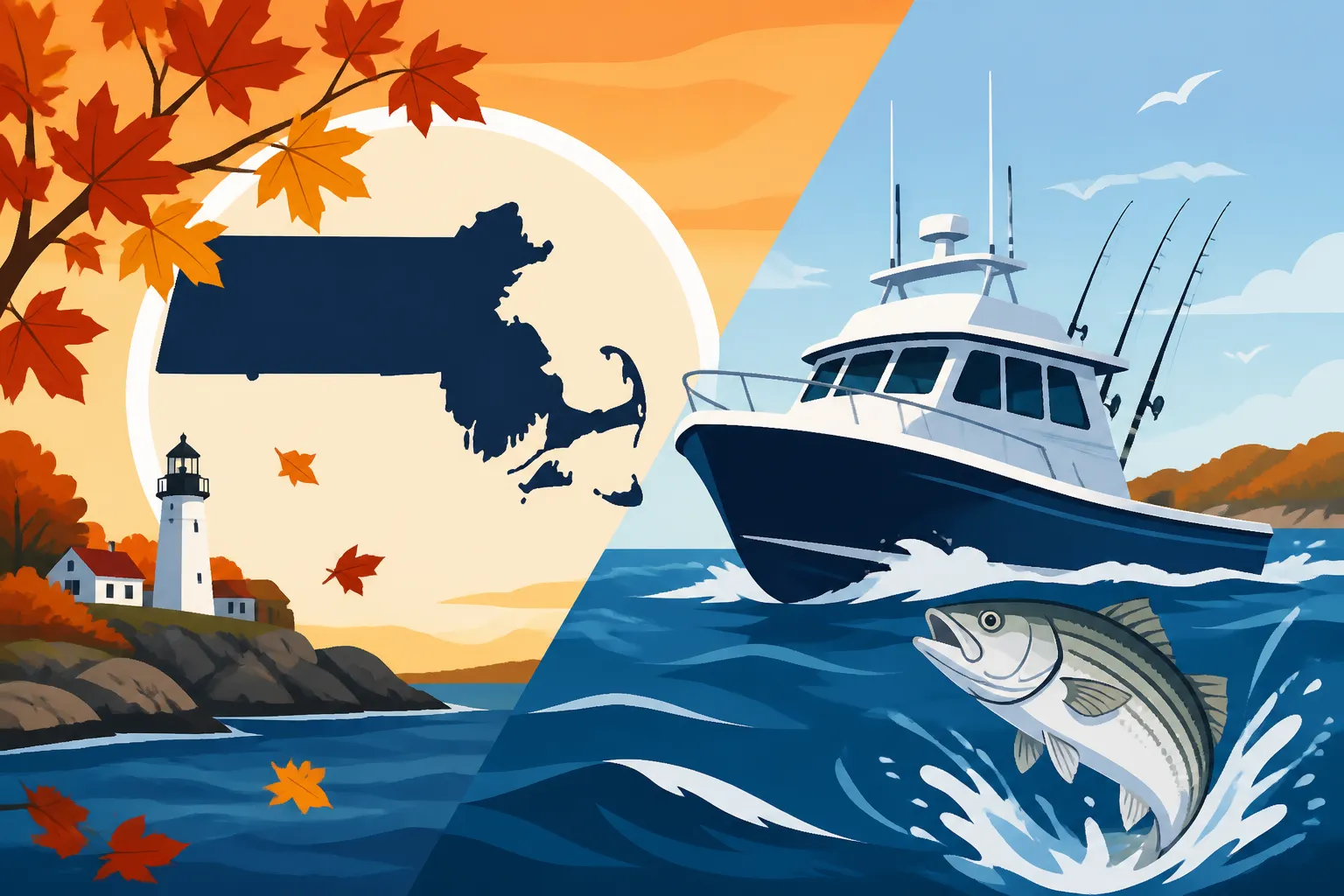
Beyond the practical benefits, there's an undeniable tranquility that settles over the Massachusetts coastline and its inland waters in autumn. The vibrant greens of summer give way to breathtaking reds, oranges, and golds along the shorelines, especially as you head further north or inland toward the Connecticut River Fishing in Massachusetts. The early morning fog lifting off the water, the quiet hum of the boat engine, and the absence of bustling summer noise create a serene backdrop for your fishing adventure. It’s an opportunity to truly connect with the natural beauty of Massachusetts, often feeling like you have a private slice of paradise all to yourself.
The Striper Fall Run Frenzy
If there’s one reason to book a fall fishing charter in Massachusetts, it’s the legendary striped bass fall run. As the water temperatures begin to drop, striped bass, along with other migratory species, start their journey south from their northern feeding grounds. This isn't just a slow trickle; it's often a mass exodus where huge schools of bass become incredibly active, feeding ravenously to build up fat reserves for their long migration.
During this period, stripers can be found in a variety of places, from shallow estuaries and river mouths to open coastal waters and the rips around the islands. They are often chasing massive schools of baitfish like bunker, mackerel, and herring, creating explosive surface action that can be seen from a distance. A good charter captain knows how to spot these feeding frenzies, positioning the boat right in the middle of the action for non-stop casting opportunities.
The sheer excitement of the fall run is hard to match. Whether you're jigging with artificials, casting topwater plugs, or live-lining eels, the chances of hooking into multiple big fish are incredibly high. It's not uncommon to experience a "blitz" where fish are hitting almost anything you throw at them. This heightened activity makes for a thrilling and often successful trip, showcasing why How to Catch Striped Bass in Massachusetts during the fall is a top-tier angling experience.
Other Species on the Move
While striped bass often steal the show during the fall, they are far from the only game in town. Other exciting species are also on the move, offering diverse fishing opportunities that can keep your rod bent and your reel screaming.
Bluefish, known for their aggressive strikes and powerful fights, often linger well into the fall, frequently mixing with striped bass schools as they both gorge on baitfish. These toothy critters provide excellent light tackle action and can be a blast to catch. Their willingness to hit a wide variety of lures and baits means a bluefish encounter is always a possibility on a fall striper trip.
For those who crave speed and a truly challenging fight, the fall is prime time for false albacore (often affectionately called "albies") and bonito, especially around the waters of Cape Cod and the islands. These pelagic speedsters are smaller tuna relatives that put up an incredible battle on light tackle, making them a favorite among experienced anglers. Catching an albie requires precision casting, quick retrieves, and a bit of luck, but the reward of their blistering runs is unmatched. Charters specifically targeting these fish are incredibly popular for a good reason – they offer an adrenaline rush like no other.
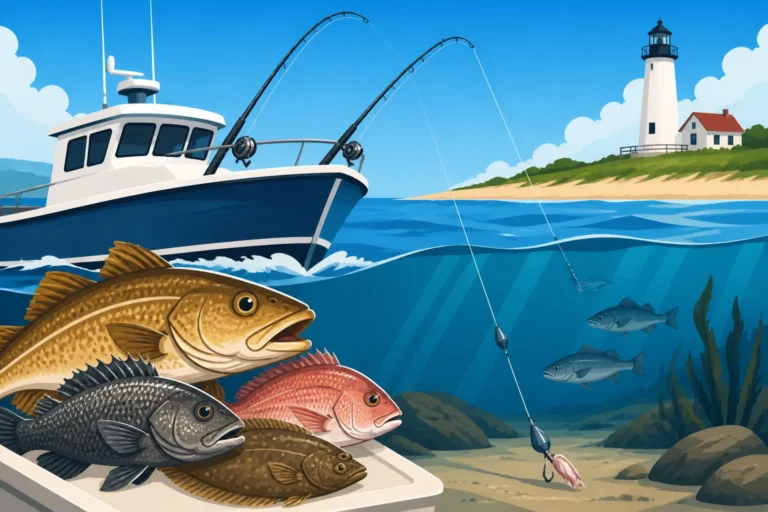
Furthermore, as the water cools, bottom fish like tautog (also known as blackfish) become more active and start to gather in rocky areas, around wrecks, and near jetties. The fall tautog bite can be fantastic, offering a different style of fishing that requires patience and skill. Tautog Fishing in Massachusetts often hits its stride as the air turns colder, providing another excellent option for anglers looking for a challenging and tasty catch. Depending on the early fall regulations and water temperatures, you might also find opportunities for black sea bass or even a late-season fluke before they move offshore.
What to Expect from a Fall Charter Experience
Embarking on a fall fishing charter in Massachusetts is a unique adventure, distinct from its summer counterpart. The environment changes, the fish behavior shifts, and your approach to preparation will need to adapt accordingly. Understanding these differences will help you make the most of your trip.
Targeting Specific Fall Species
When you step aboard a Massachusetts fishing charter in the fall, particularly from September through November, the primary target species often revolves around the migratory patterns of the big three: striped bass, bluefish, and false albacore/bonito. Your captain will likely have their finger on the pulse of the fall run, knowing exactly where the baitfish are congregating and where the game fish are feeding most aggressively. The goal is often to intercept these actively migrating schools, which can lead to incredible, fast-paced fishing.
For striped bass, the approach might vary from trolling large swimming plugs, live-lining eels or pogies, or casting artificial lures like topwater poppers or soft plastics into visible blitzes. The captains are experts at reading the water, identifying bird activity, and using their sonar to locate the densest schools of bait and fish. This dynamic style of fishing means you're often moving from spot to spot, following the fish, rather than anchoring down in one place for hours.
Then there's the thrill of chasing "albies" and bonito. This is often a sight-fishing game, where captains will run at high speeds to get ahead of busting schools, putting anglers in position to make quick, accurate casts with small jigs or resin lures. The fight these fish put up on light tackle is legendary, offering an exhilarating challenge for any angler. Charters specializing in these speedy pelagics provide the specific gear and expertise needed to hook and land these powerful fighters. While bluefin tuna can still be found offshore in early fall, particularly in September, these trips are typically dedicated Massachusetts Bluefin Tuna Charters and are distinct from inshore fall run charters due to the distance, gear, and cost involved.
Gear, Attire, and Preparation
Preparing for a fall fishing charter means thinking about layering, as temperatures can fluctuate quite a bit throughout the day. A cold morning can quickly turn into a surprisingly warm afternoon, only to chill down again as the sun begins to set. Start with a moisture-wicking base layer, add a fleece or wool mid-layer, and top it with a waterproof and windproof outer shell. A warm hat and gloves are essential, especially for those early morning runs out to the fishing grounds. Waterproof boots are also highly recommended to keep your feet dry and comfortable.
While most reputable charters provide all the necessary fishing gear, including rods, reels, bait, and tackle, it's always a good idea to confirm with your captain beforehand. If you have a favorite lucky lure or a specific light tackle setup you prefer for albies, ask if you can bring it along. The captain's gear is generally top-notch and suited for the conditions, but personal comfort can enhance the experience.
Beyond clothing and fishing gear, don't forget personal essentials. Sunglasses are crucial for spotting fish and protecting your eyes, even on cloudy days. Sunscreen is still important, as the fall sun can still pack a punch, especially with reflection off the water. Bring enough water and snacks to last the trip, and consider packing motion sickness medication if you're prone to seasickness, as fall seas can sometimes be choppier than summer's calmer waters. Remember that platforms like FishingBooker often have detailed listings describing what's included and what you should bring.
Navigating Weather and Conditions
Fall weather in Massachusetts can be incredibly beautiful, but it can also be notoriously unpredictable. One day might be calm and sunny, perfect for fishing, while the next could bring strong winds, rain, or heavy seas. This variability is something experienced charter captains are very adept at managing. They continuously monitor marine forecasts, radar, and local conditions to make informed decisions about whether to sail.
Safety is always the top priority. If the weather conditions are deemed unsafe or would make for an extremely uncomfortable and unproductive trip, your captain will communicate any cancellations or rescheduling options well in advance. It's important to be flexible with your schedule if you're planning a fall charter, especially if you're traveling from out of town. Having a backup day or two built into your travel plans can save you disappointment.
Despite the potential for challenging conditions, a skilled captain often knows how to find fish even when the weather isn't perfect. They might seek out more sheltered bays, inlets, or lee shores, or adjust their fishing techniques to match the prevailing conditions. They have years of experience reading the water and the skies, making them invaluable guides during the more dynamic fall season. So, while you might encounter a bit more chop or a sudden squall, rest assured that your captain is prepared to make the best of it and ensure your safety and enjoyment.
Booking Your Fall Fishing Adventure
Once you're convinced that fall is the time to hit the waters of Massachusetts, the next step is to actually book your trip. This involves a bit of planning and research to ensure you find the right charter for your autumn angling aspirations.
When to Book and How to Choose
Just because the summer crowds are thinning doesn't mean you can always book a fall charter last minute. The peak of the fall run for striped bass and the short, intense season for false albacore can still create high demand for experienced captains. It's often wise to start looking and booking your fall trip several weeks, or even a couple of months, in advance, especially if you have specific dates or a particular weekend in mind. Popular captains fill up their schedules quickly, especially on weekends when the weather is ideal.
When choosing a charter, consider what you want to catch. Some captains are renowned striper specialists, others excel at the elusive albies, and some might even pivot to tautog or offshore cod depending on the specific timing and conditions. Look at their past fishing reports, photos, and customer reviews to get a sense of their expertise. Don't hesitate to call the captain directly to discuss your fall fishing goals – they can provide invaluable insights into what's biting, where, and when.
A good captain will be transparent about what species are most active and what the realistic expectations are for a fall trip. They'll also tell you if they specialize in a certain type of fishing (e.g., fly fishing for stripers, jigging for tuna). Platforms like FishingBooker are excellent resources for comparing different charters, their availability, and reading reviews from other anglers who have fished with them in the fall. This allows you to select a captain whose focus aligns perfectly with your angling desires.
Potential Cost Considerations
The cost of a Massachusetts fishing charter in the fall can vary widely, just as it does in the summer, depending on factors like boat size, trip duration, target species, and the captain's experience. Generally, fall charter prices might be comparable to summer rates, but considering the often-hotter fishing action, many anglers feel they get even better value for their money.
Half-day trips are a popular option for fall striper and albie fishing, offering a good balance between fishing time and cost. These trips are often action-packed and can be more budget-friendly than full-day offshore excursions. For dedicated bluefin tuna trips, the cost will naturally be higher due to the fuel, specialized gear, and longer duration involved in targeting these pelagic giants.
It's crucial to clarify what is included in the charter price. Most charters will cover the use of rods, reels, bait, and tackle. However, always confirm whether fish cleaning and filleting services are included or if there's an additional charge. Gratuity for the captain and mate is also customary and greatly appreciated for a well-run trip, usually ranging from 15-20% of the trip cost. Check the individual charter listings on websites or through booking services like FishingBooker for specific pricing details, cancellation policies, and any potential extra fees, as these can differ significantly from one operation to another.
The Benefits of a Guided Fall Trip
Attempting to navigate the complexities of fall fishing on your own can be challenging, especially when fish are highly migratory and weather can be unpredictable. This is where the true value of a guided fall trip shines. Charter captains possess an unparalleled depth of local knowledge, having spent countless hours on the water. They know the currents, the tides, the baitfish movements, and the specific haunts where various species gather as temperatures drop. This expertise is absolutely critical for finding actively feeding fish during the dynamic fall run.
Beyond finding the fish, captains also ensure your safety. Fall waters can be rougher, and a professional captain knows the local waters intimately, understanding how to navigate changing conditions, spot potential hazards, and operate their vessel safely. They are equipped with the latest marine electronics and safety gear, providing peace of mind so you can focus on fishing.
A charter trip also offers an incredible learning opportunity. You'll gain insights into the best fall fishing techniques, from specific lure presentations for albies to interpreting sonar readings for stripers. Many anglers use charters not just to catch fish, but to improve their own skills and understanding of the local fishery. This hands-on experience with an expert can dramatically shorten your learning curve. Plus, the convenience of having all the right gear, bait, and local knowledge provided means you can simply show up, cast a line, and enjoy the thrill of Massachusetts fall fishing without any of the logistical headaches.
Key Fall Fishing Locations and Targets
Massachusetts offers a diverse range of fishing environments, and in the fall, certain areas truly come alive with activity. Knowing where to focus your efforts, or where your chosen charter captain will likely take you, can enhance your appreciation for the season's offerings.
Coastal Hotspots for Striped Bass
When the fall run is in full swing, the entire Massachusetts coastline becomes a potential hotspot for striped bass, but some areas are consistently exceptional. The Cape Cod Canal is legendary. This man-made waterway funnels huge amounts of migrating baitfish, and in turn, massive schools of stripers. Charter captains who specialize in the Canal often use specific jigging and casting techniques tailored to its strong currents, putting anglers on some truly impressive fish. Best Time of Year to Fish in Massachusetts for stripers here is often late summer into fall.
Further south, the Outer Cape beaches, including those around Monomoy and Nauset, become prime surfcasting and boat fishing grounds as stripers chase bait right into the breakers. The waters around Martha's Vineyard and Nantucket Sound are also incredible. These islands act as natural staging areas and feeding grounds, with charters working the rips and shoals for both large striped bass and bluefish. Nantucket Sound and Martha's Vineyard Fishing Areas in Massachusetts are fantastic during this season.
Closer to the metropolitan areas, Boston Harbor and the adjacent North Shore waters continue to hold strong numbers of striped bass well into the fall. The baitfish remain plentiful in these estuaries and bays, drawing in hungry stripers. A charter operating out of Boston can put you on productive grounds for large bass and even bluefish, often within sight of the city skyline. Best Places to Fish in Boston Harbor, Massachusetts remain active even as the leaves turn. No matter where you decide to fish, relying on a seasoned charter captain's knowledge of current fish movements is paramount, as the bite can shift quickly from one area to another.
Chasing False Albacore and Bonito
For many light tackle enthusiasts, fall is synonymous with chasing the "funny fish" – false albacore and bonito. These powerful, fast-swimming pelagics typically arrive in Massachusetts waters in late summer and can remain active through September and often into October, particularly around Cape Cod and its islands. The waters around Falmouth, Woods Hole, and the Elizabeth Islands are prime territory for these speed demons.
Chasing albies and bonito is a highly visual and exhilarating form of fishing. It involves running at speed to intercept busting schools of fish, making quick casts with small jigs, epoxy lures, or flies, and then holding on for dear life as these fish take off on blistering runs. Charters specializing in these species are equipped with the right light tackle and possess the keen eye needed to spot the subtle signs of feeding fish. It’s a game of quick reactions and accurate casting, and a successful albie trip is one of the most rewarding experiences an angler can have.
If you're looking for an intense, fast-paced fishing adventure that truly tests your angling skills, booking a charter specifically for false albacore and bonito in the early to mid-fall is an absolute must. The memories of these hard-fighting fish ripping line off your reel will last a lifetime. Best fishing spots on Cape Cod, Massachusetts frequently include the areas where these magnificent fish hunt.
Freshwater Opportunities in the Fall
While the spotlight often shines on saltwater species during the Massachusetts fall run, it's worth remembering that the state's freshwater fisheries also experience a resurgence in activity. Many freshwater fish, like their saltwater cousins, begin to feed aggressively in preparation for the colder months, making for excellent angling even inland.
Trout fishing in Massachusetts rivers and streams can be fantastic in the fall. As water temperatures cool and oxygen levels improve, trout become much more active and willing to feed. Many streams receive fall stockings from MassWildlife, supplementing the wild populations. Massachusetts Trout Stocking Schedule often extends into autumn, providing fresh targets. Fly anglers particularly enjoy the fall for its hatches and the beauty of fishing amidst vibrant foliage.
Similarly, bass fishing in Massachusetts ponds and lakes can be incredibly productive. Largemouth and smallmouth bass feed heavily, moving from their deeper summer haunts to shallower waters to chase baitfish. This period, sometimes referred to as the "fall feed," can offer opportunities to catch some of the largest bass of the year. Whether you prefer throwing crankbaits, jigs, or even topwater lures on warmer afternoons, fall bass can be incredibly aggressive. Some specialized freshwater guides and charters also operate in the fall, offering tailored trips to these productive inland waters. Largemouth Bass Fishing in Massachusetts can be a blast in October.
Fall really does offer something for every angler in Massachusetts, whether your passion lies in the salt or the sweetwater. The mild weather and hungry fish combine to create a fishing season that many pros would argue rivals, if not surpasses, the popularity of summer.
| Feature | Summer Charter Experience | Fall Charter Experience |
|---|---|---|
| Primary Targets | Striped Bass, Bluefish, Fluke, Seabass, Offshore Tuna/Shark | Striped Bass (Fall Run), Bluefish, False Albacore, Bonito, Tautog |
| Crowd Levels | High recreational traffic, busy marinas and fishing spots | Significantly lower, more serene, less competition |
| Weather | Hot, humid, stable seas (can be very calm) | Cooler, crisp air, potential for wind/choppy seas, variable |
| Fish Activity | Consistent, but can be slow during heat spells | Often frenzied feeding, "blitzes" during migration |
| Attire | Light clothing, sun protection, hats | Layered clothing, waterproofs, warm hat, gloves, boots |
| Scenery | Green foliage, busy beaches | Stunning fall foliage, quieter coastal landscapes |
| Booking Window | Often booked months in advance | Can find openings, but popular dates for run fill quickly |
Disclaimer
This article is for general informational purposes only and does not constitute professional advice. Laws, prices and regulations vary by location and change over time. Consult a qualified professional for guidance on your specific situation.