Cheapest fishing charters on Cape Cod
Oh, the dream of a Cape Cod fishing trip! Picture it: the salty air, the anticipation of a tug on the line, the sun glinting off the water. It’s an iconic New England experience. But let’s be real, when you start looking into fishing charters, that dream can quickly turn into a nightmare of dollar signs, leaving you wondering if you need to take out a second mortgage to afford a day on the water. It’s a common frustration, feeling like these amazing experiences are out of reach. But don't despair! This guide is here to unravel the mystery of charter pricing and show you exactly how to find more budget-friendly fishing experiences on Cape Cod, proving that an unforgettable day isn't always the most expensive one.
Understanding Why Cape Cod Charters Cost What They Do
Before we dive into how to save money, it’s helpful to understand why fishing charters on Cape Cod have the price tags they do. It’s not just the captain pulling up to the dock and taking you out for a joyride; there's a whole lot of operational cost that goes into running a professional fishing vessel. When you grasp these underlying factors, it becomes much clearer where potential savings can be found, and what trade-offs might be involved.
The Overhead Behind Every Trip
Think about what it takes to keep a fishing boat running safely and efficiently. First, there's the boat itself – the initial purchase, constant maintenance, and repairs are huge expenses. Engines need regular servicing, hull cleanings, and occasional major overhauls. Then, there's the fuel. A single offshore tuna trip can burn through hundreds of gallons of diesel, and those prices fluctuate. Bait, especially live bait, isn't cheap and needs to be fresh. Rods, reels, lines, lures, and tackle all wear out, break, or get lost, requiring constant replacement.
Beyond the physical assets, captains need commercial insurance, which is substantial, and hold specialized licenses, like a US Coast Guard Captain's license, which requires rigorous training and renewal. There are also dockage fees, permits, and safety equipment that needs to be inspected regularly. All these add up significantly, and these costs have to be factored into the price per trip. When you book a charter, you're not just paying for a ride; you're contributing to the entire infrastructure that allows that captain to operate a safe, legitimate, and well-equipped fishing business.
Trip Length and Target Species
The type of fishing trip you choose plays a massive role in its cost. Generally, longer trips cost more because they consume more fuel, require more bait, and demand more of the captain's time and expertise. A half-day inshore trip, perhaps targeting striped bass or bluefish close to shore, will almost always be more affordable than a full-day offshore excursion chasing tuna or shark. The further out you go, the more fuel you burn, the more specialized and expensive the gear becomes, and the higher the stakes for the fish you're targeting.
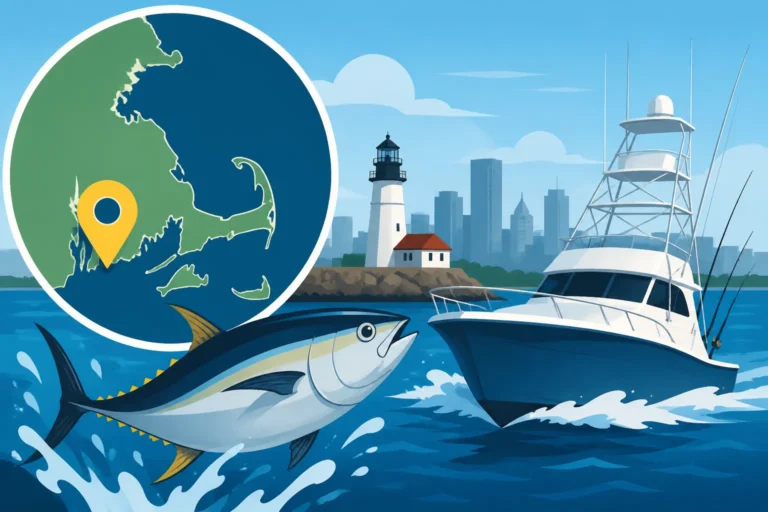
Speaking of target species, the type of fish you're hoping to catch also influences the price. Bluefin tuna charters, for example, are consistently among the most expensive trips available. This isn't just because of the distance traveled, but also the heavy-duty, high-performance gear required to land these giants, the extensive amount of specialized bait, and the deep knowledge captains need to find and fight these powerful fish. In contrast, a trip focused on bottom fishing for fluke, scup, or sea bass, while still a fantastic experience, generally requires less specialized gear and fuel, thus lowering the cost. You can learn more about specific regulations for different fish in Massachusetts Recreational Fishing Rules and Bag Limits.
Strategies for Finding More Affordable Cape Cod Fishing Experiences
Now that we understand the costs, let's talk about how to get out on the water without emptying your wallet. There are definitely smart ways to enjoy the incredible fishing opportunities that Cape Cod offers, even on a tighter budget. It's all about making informed choices and being a little flexible.
Prioritize Half-Day or Shorter Inshore Trips
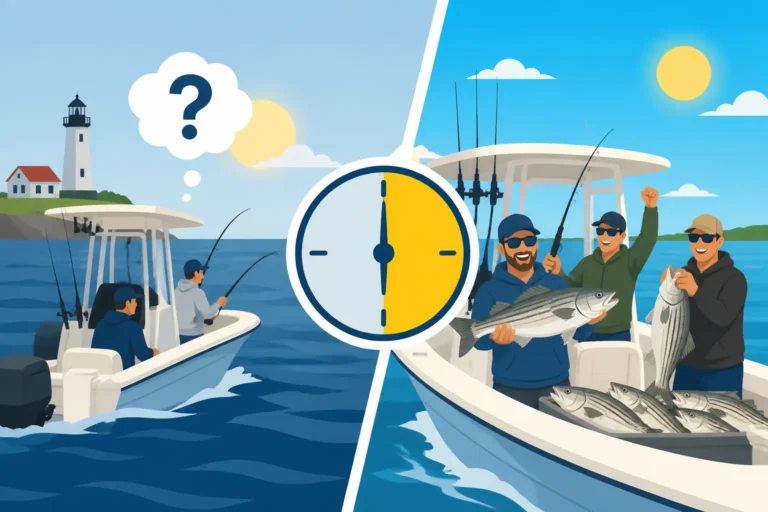
One of the most effective ways to reduce your charter cost is to opt for a half-day trip or focus on inshore fishing. Instead of a full 8-hour offshore adventure, a 4-5 hour trip closer to shore can still yield fantastic results and shave a significant amount off the price. These trips often target species like striped bass, bluefish, or various bottom fish, which are abundant in the bays and nearshore waters of Cape Cod.
For example, a morning or afternoon trip targeting stripers around the many harbors or shallow flats can be incredibly productive and a blast for anglers of all skill levels. You might not be heading to the tuna grounds far offshore, but you’ll still experience the thrill of the fight and the beauty of the Cape Cod coastline. These shorter trips require less fuel and captain time, making them inherently more economical. Many captains specialize in these trips because they are perfect for families, beginners, or those who simply want a great fishing experience without the full-day commitment or expense. You might even explore fantastic shore fishing spots like those found in Cape Cod Canal Fishing Guide for Massachusetts Anglers if you want to minimize boat time and cost.
Consider Party Boats Over Private Charters
If you're an individual or a small group looking for the absolute most cost-effective way to get on the water, a party boat (often called a head boat) is usually your best bet. Unlike private charters where you book the entire boat, party boats sell individual spots to multiple anglers. This spreads the cost of the boat, captain, crew, fuel, and bait among many people, dramatically reducing the per-person price.
While party boats offer less personalized attention than a private charter, they are incredibly efficient fishing machines. They usually operate on a schedule, targeting common species like flounder, scup, sea bass, or cod, depending on the season. Often, your rod, reel, and bait are included in the price, and the boat's commercial permit covers your fishing license requirement, meaning you don't need to worry about getting your own Massachusetts Saltwater Recreational Fishing Permit Explained. This makes them an excellent option for beginners, families, or solo anglers. Platforms like FishingBooker often list various party boat options, allowing you to easily compare schedules and prices. For a deeper dive, check out our guide on Massachusetts Party Boat and Head Boat Fishing.
| Feature | Private Charter | Party Boat (Head Boat) |
|---|---|---|
| Cost Structure | Fixed price for the boat | Per-person ticket price |
| Cost Per Person | Generally higher (unless maxing out group) | Generally much lower |
| Group Size | Private group, typically 1-6 anglers | Large group, many individual anglers (20+ common) |
| Target Species | Customizable (tuna, striper, shark, bottom) | Set by captain (often bottom fish, general saltwater) |
| Flexibility | High (departure time, duration, location) | Low (set schedule, routes, and fishing spots) |
| Inclusions | Varies; often includes bait/tackle; license for passengers on licensed boat | Often includes rod, reel, bait; boat permit covers license |
| Experience | Personalized, hands-on, focused on your group | Less personal, more communal, good for beginners |
Go During the Off-Peak Season or Weekdays
Just like booking a vacation, timing can significantly impact the price of a fishing charter. Peak season on Cape Cod, typically July and August, sees the highest demand and therefore often the highest prices. If your schedule allows, consider booking your trip during the shoulder seasons—late spring (May-June) or early fall (September-October). The fishing can still be phenomenal during these times, and some captains might offer slightly reduced rates or special deals to fill their schedules.
Similarly, booking a charter on a weekday rather than a weekend can sometimes lead to better availability and potentially a more favorable rate. Weekends are always in high demand, especially during the summer. By being flexible with your dates and avoiding the absolute busiest times, you might find a captain more willing to work with you on pricing or offer a slight discount. Plus, going on a weekday often means less boat traffic on the water, making for a more serene fishing experience. Don't underestimate the quality of fishing outside the peak summer; sometimes, the Best Time of Year to Fish in Massachusetts for a specific species might actually be in the shoulder months!
Maximizing Value When Booking Your Charter
Finding a "cheap" charter isn't just about the lowest sticker price; it's also about getting the most bang for your buck and ensuring you don't encounter unexpected costs. Value means finding a good price with clear inclusions and a great experience.
Group Up and Split the Cost
This is perhaps the single most effective way to make a private charter more affordable on a per-person basis. Most private charters are priced per boat, not per person, up to a certain maximum number of passengers (usually 6). This means whether you bring one friend or five, the base price of the trip remains the same. The more people you have in your group, the lower the cost becomes for each individual.
For example, if a half-day private charter costs $800, and you go alone, it's $800 for you. But if you gather five friends, that same $800 charter now costs each person just over $133. That's a huge difference! If you don't have enough people in your immediate circle, consider reaching out on local fishing forums, social media groups, or even asking the charter company if they have a waitlist of individuals looking to join a group. You'd be surprised how many people are in the same boat (pun intended!) looking to split costs. This strategy is key to understanding Massachusetts Fishing Charter Costs.
Look for Inclusions and Avoid Hidden Fees
When comparing charter prices, always dig a little deeper than the headline number. Some charters might advertise a lower base price but then charge extra for things that others include as standard. Key things to clarify upfront are:
- Bait and Tackle: Is all the necessary gear provided, or do you need to bring your own? Is live bait extra?
- Fishing Licenses: For private charters, passengers typically still need their own Massachusetts saltwater recreational fishing permit. However, some licensed charter boats operate under a blanket permit for their customers, or offer assistance in obtaining one. Always confirm this. Do Charter Passengers Need Their Own Massachusetts Saltwater Permit? will clarify the rules for you.
- Fish Cleaning: Does the captain or crew clean and fillet your catch at the end of the day, or is that an additional service?
- Fuel Surcharges: While not common for inshore trips, some longer offshore trips might have a fuel surcharge depending on current prices.
Asking these questions upfront ensures there are no surprises when it's time to settle the bill. Reputable booking platforms, like FishingBooker, usually have clear listings of what's included with each charter, making it easier to compare apples to apples. This transparency helps you avoid any "hidden" costs that can quickly make a seemingly cheap trip more expensive.
Don't Be Afraid to Ask About Specials
It never hurts to politely inquire if a charter company has any specials, last-minute deals, or off-season discounts. Captains want to fill their boats, and sometimes they have unexpected cancellations or open slots they'd prefer to fill, even if it's at a slightly reduced rate. Being flexible with your dates and times, perhaps being able to go on short notice, can make you an attractive client for these kinds of opportunities.
While you shouldn't expect captains to deeply discount their services, a friendly inquiry might reveal a weekday special or a deal for booking multiple trips. Building a good relationship with a captain can also pay dividends for future bookings. You can usually get a good sense of a charter's typical offerings and standard prices when you're Booking a Fishing Charter on Cape Cod.
Realistic Expectations for Budget-Friendly Fishing
When you're actively seeking out the "cheapest" options, it's important to set realistic expectations for your experience. "Affordable" doesn't mean "subpar," but it might mean a slightly different kind of fishing adventure than a top-tier, high-cost booking. Managing these expectations will ensure you still have a fantastic time.
Focus on the Experience, Not Just Trophy Fish
While every angler dreams of landing a massive striped bass or a giant tuna, a budget-friendly trip might shift the focus slightly. You're still going to catch fish, and you're still going to have a blast, but the emphasis might be more on consistent action, learning new techniques, or simply enjoying a beautiful day on the water. For example, a productive day catching a good number of keeper-sized scup or sea bass, or even just some smaller but feisty striped bass, is still incredibly fun and rewarding, especially if you're on a family trip or fishing with beginners.
Sometimes, the most memorable trips aren't about the size of the fish, but the camaraderie, the scenery, and the simple joy of being out on the ocean. A more affordable inshore trip can provide just as many laughs and cherished memories as an expensive offshore one. It’s all about embracing the journey and appreciating the opportunity to fish in some of the best fishing spots on Cape Cod, Massachusetts.
Gear and Comfort Level May Differ
To keep costs down, some budget-friendly charters might operate older boats or have less high-tech, brand-new gear than their more expensive counterparts. This isn't necessarily a bad thing – a well-maintained older boat is perfectly safe and functional, and seasoned gear still catches plenty of fish! However, it's something to be aware of if you're expecting luxury amenities or top-of-the-line equipment.
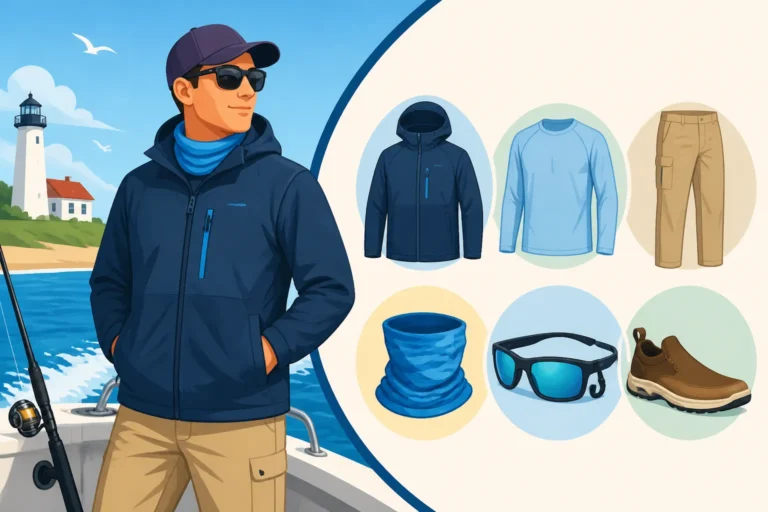
Don't hesitate to ask about the boat type, what kind of gear they provide, and what amenities are available (e.g., a private head/bathroom, enclosed cabin if the weather is iffy). While a basic setup might be all you need, knowing what to expect in terms of comfort and equipment can prevent any disappointment on the day of your trip. The most important thing is that the boat is safe, clean, and the captain is experienced and professional. Always make sure you know What to Bring on a Massachusetts Fishing Charter so you're prepared for any conditions. For those interested in freshwater options, there are also guides available on How to Catch Largemouth Bass in Massachusetts which can be very affordable if you use your own gear from shore.
Disclaimer
This article is for general informational purposes only and does not constitute professional advice. Laws, prices and regulations vary by location and change over time. Consult a qualified professional for guidance on your specific situation.