Tautog Fishing in Massachusetts
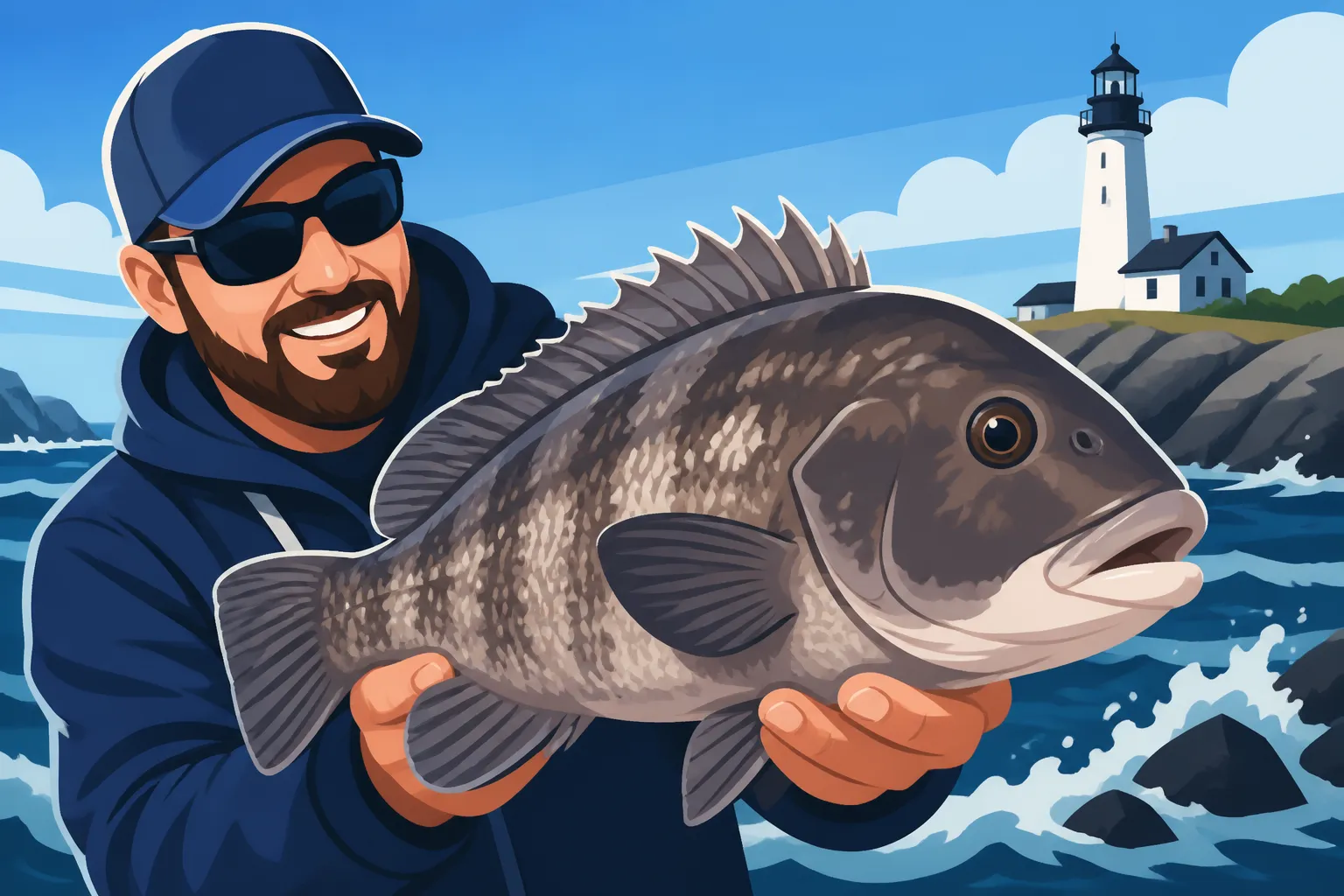
For many anglers in Massachusetts, the mention of tautog (often affectionately called "blackfish") conjures images of stubborn battles against a truly formidable adversary. These fish are notorious for their powerful, head-down fighting style and their preference for snag-ridden, rocky bottom structures that can test even the most experienced fisherman's patience. If you've ever felt the sheer frustration of a tautog peeling line and burying itself in a crevice, or the subtle tap-tap-tap that indicates a bite before they seemingly vanish, you know what I'm talking about. This comprehensive guide is designed to equip you with the knowledge and strategies needed to successfully target and land these elusive, yet incredibly rewarding, fish in the diverse waters of the Commonwealth.
Understanding Tautog: The Elusive "Blackfish" of Massachusetts Waters
Tautog are truly a special fish, a species that embodies resilience and cunning. They aren't flashy jumpers or long-distance runners; instead, they are masters of their rocky domain, using their environment to their advantage every single time they feel a hook. Getting to know them is the first step in learning how to catch them.
What Makes Tautog Such a Unique Game Fish?
What sets tautog apart from many other Massachusetts species is their physiology and behavior. They possess powerful crushing jaws equipped with blunt, conical teeth designed perfectly for prying shellfish, crabs, and barnacles off rocks – their primary diet. This unique dental structure gives them an incredible bite strength, making them adept at cracking open the hard shells of green crabs or mussels. Their stout, thick bodies are built for navigating tight spaces within rocky structures, allowing them to exert immense leverage against an angler's line, often "sticking" you in the rocks before you even know what's happened.
Behaviorally, tautog are somewhat territorial and incredibly structure-oriented. They rarely stray far from their preferred rocky havens, making them predictable in terms of location but challenging in terms of extraction. They're also known for a very subtle bite, sometimes just a slight "tap" or pressure change on the line, which can be easily missed if you're not hyper-focused. This delicate bite, coupled with their powerful immediate dive, is why they earn their reputation as one of the most frustrating, yet addictively fun, fish to target. Many anglers spend years trying to master the tautog bite, and even then, there are days when they simply outsmart you.
Where Do Tautog Live in Massachusetts?
Tautog are primarily found in temperate coastal waters, and Massachusetts provides an ideal habitat with its extensive rocky shorelines, numerous jetties, and countless inshore and offshore rock piles. They thrive in areas with abundant natural or artificial structure, preferring depths ranging from shallow intertidal zones to offshore wrecks and reefs, often down to 100 feet or more. Think of any place where the bottom isn't soft sand or mud, but rather a chaotic jumble of rocks, boulders, and ledges, and you've likely found potential tautog habitat.
Throughout Massachusetts, you'll find them congregated around prominent features like rock jetties, bridge pilings, mussel beds, and oyster reefs. They also inhabit natural rock formations and underwater ledges that provide shelter and a food source. Artificial structures such as sunken barges, old piers, and even discarded car tires can become prime tautog residences. Essentially, if there's hard structure where they can hide, ambush prey, and escape predators, you're likely to find tautog. From the rocky shores of the North Shore down through Boston Harbor, around Cape Cod, and into Buzzards Bay, their presence is widespread wherever these conditions exist.
Identifying Tautog: Key Features and Size
Identifying tautog is usually straightforward once you've seen a few. They have a distinctive, somewhat oval-shaped body that is compressed laterally, with a deep profile. Their coloration can vary quite a bit, but they are typically mottled dark olive green to black or brown on their backs, fading to a lighter, often whitish, belly. This dark, camouflaged coloring helps them blend in perfectly with the rocky bottoms they inhabit. You might notice some lighter patches or irregular bars on their sides, especially on larger individuals.
One of their most defining features, beyond their powerful jaws, is a long dorsal fin that runs almost the entire length of their back, with a spiny front section and a softer, rayed rear section. Their tail fin is typically rounded. Juvenile tautog tend to be lighter in color with more distinct barring, which helps them hide among seagrass and shallower rocks. As they mature, they become darker and more robust. When it comes to size, tautog are slow-growing but can live for a significant number of years, reaching impressive weights. While many anglers primarily catch "market" sized fish (just over the legal limit), large tautog can easily exceed 10-15 pounds, and trophy specimens in Massachusetts can weigh 20 pounds or more, offering an incredible challenge.
Essential Gear for Massachusetts Tautog Fishing
Tautog fishing isn't about finesse tackle; it's about brute strength and durability. These fish demand gear that can withstand immense pressure and repeated abuse against unforgiving structures. Trying to cut corners on your setup will only lead to frustration, broken lines, and lost fish. Investing in the right tools from the start will save you headaches and put more blackfish in your cooler.
Rod and Reel Setup: Heavy Duty for Heavy Hitters
When targeting tautog, your rod and reel combo needs to be robust. For most situations in Massachusetts, especially from shore or shallower depths, a medium-heavy to heavy action conventional (baitcasting) rod between 7 and 8 feet is ideal. You want a rod with a strong backbone to pry fish out of the rocks, but also a relatively sensitive tip to detect those notoriously subtle bites. Fiberglass or composite rods are often preferred for their durability and shock absorption, which can be crucial when a big tog makes a sudden dive. Some anglers even use short, stout boat rods if they are fishing very tight to structure from a vessel.
Matching this rod with a high-quality conventional reel is paramount. Look for a reel with strong gears, a reliable drag system, and a good retrieve ratio, typically around 5:1 or 6:1. Capacity for at least 200-300 yards of braided line is a good starting point. Popular choices include reels from reputable brands known for their saltwater performance. A robust reel ensures you have the cranking power to turn a stubborn fish and the drag consistency to prevent line breakage when the fish makes its initial powerful run. Remember, this isn't a game of gentle persuasion; it's a test of strength.
Line and Leader Choices: Abrasion Resistance is Key
Your line choice is critical, as it's the only thing connecting you directly to the fish and the structure. Braided line is almost universally preferred for tautog fishing due to its superior strength-to-diameter ratio and lack of stretch. The lack of stretch significantly enhances bite detection, allowing you to feel even the slightest tap. I usually recommend 30-50 lb test braided line for most Massachusetts tautog scenarios. Heavier braid (up to 65 lb) might be warranted if you're fishing exceptionally heavy cover or targeting truly massive fish in deeper water.
However, braid's Achilles' heel is its lack of abrasion resistance, which is a huge problem when fishing around jagged rocks. This is where your leader comes in. You absolutely need a heavy monofilament or fluorocarbon leader to absorb the shock of the bite and, more importantly, to withstand the constant scraping against rocks. A 40-80 lb test fluorocarbon leader is a common choice, typically 3-5 feet long. Fluorocarbon is less visible underwater and more abrasion-resistant than monofilament. Attach your leader to your braided mainline with a strong knot like an FG knot or an Albright knot. Don't skimp on leader strength; it's often the weakest link in a tautog fight. You can find excellent quality leader material on Amazon or at your local tackle shop.
Terminal Tackle: Jigs, Rigs, and Hooks Designed for Tautog
When it comes to terminal tackle, simplicity and strength are key. Tautog fishing often involves either a traditional "tog rig" or a specialized tautog jig. The traditional rig usually consists of a sinker (bell, bank, or Sputnik style, weighing from 1-6 ounces depending on current and depth) at the bottom, with one or two snelled hooks tied above it on dropper loops or via a three-way swivel. The hooks themselves are crucial: tautog have thick mouths and are experts at bending weak hooks. Use strong, sharp, wide-gap hooks, typically J-hooks in sizes 1/0 to 5/0, specifically designed for bottom fishing and tough-mouthed fish. Octopus style hooks are a popular choice.
Tautog jigs have gained immense popularity in recent years, especially for their effectiveness in reducing snags and providing a more direct feel for the bite. These jigs are typically heavy, compact, and designed to stand upright on the bottom, presenting the bait in a natural way. They come in various weights and colors, often with a large, strong hook molded into the lead head. Using a jig can dramatically decrease the amount of tackle you lose, as the single hook is less prone to snagging than a two-hook rig with a bottom sinker. Both rigs and jigs have their time and place, and many successful anglers carry both options. Make sure to stock up, as you will lose tackle when tautog fishing – it's just part of the game.
| Gear Component | Recommended Specifications | Key Benefit |
|---|---|---|
| Rod | 7-8 ft, Medium-Heavy to Heavy Action, Conventional | Power to extract fish from structure, sensitive tip for bites |
| Reel | Conventional, strong drag, 5:1-6:1 ratio, 200-300+ yds braid | Cranking power, reliable drag, durability |
| Main Line | 30-50 lb Braided Line | No stretch for bite detection, high strength |
| Leader | 40-80 lb Fluorocarbon, 3-5 ft length | Abrasion resistance, stealth, shock absorption |
| Hooks | 1/0 – 5/0 Strong, Wide-Gap J-Hooks (e.g., Octopus style) | Penetrates tough mouth, resists bending |
| Sinker (Rigs) | 1-6 oz Bell, Bank, or Sputnik | Reaches bottom, holds in current |
| Jigs | 1-6 oz Tautog Jigs (various colors) | Reduces snags, direct bite feel, natural presentation |
Mastering the Art of Tautog Bait Presentation
Tautog are opportunistic feeders, but they do have their favorites. Presenting your bait correctly is just as important as having the right gear. Understanding what they like and how to make it appealing will significantly increase your chances of success. It’s not just about putting bait on a hook; it’s about making it irresistible.
The Best Baits for Massachusetts Tautog
Hands down, the undisputed king of tautog baits in Massachusetts is the crab. Green crabs are the most common and readily available choice, and tautog absolutely devour them. You can usually find them at local bait shops, or, with a little effort, catch them yourself in shallow rocky areas or under seaweed at low tide. Other effective crab species include fiddler crabs, hermits, and even Asian shore crabs, though these might be harder to source. The key is fresh, lively crabs. Some anglers even use blue crabs, cutting them into pieces, but whole green crabs are typically preferred.
Beyond crabs, other shellfish can also be highly effective. Clams (especially sea clams or surf clams) are a great alternative, particularly if crabs are scarce or if you're fishing a spot where clams are a natural food source. Mussels are another excellent bait, as tautog frequently feed on them directly off rocks. Squid can work in a pinch, often cut into strips, but it's usually not as productive as fresh crab or clam. The freshest bait possible is always your best bet. If you can get your hands on some lively green crabs, you're already halfway there.
Rigging Your Bait for Maximum Effectiveness
How you rig your bait can make all the difference between a productive day and a frustrating one. When using whole green crabs, you'll want to remove their legs and sometimes even crack their shell slightly to release their scent and make them easier for the tautog to crush. Hooking the crab correctly is vital: run your hook through the crab's belly, entering from the underside and exiting through the top shell, ensuring the hook point is exposed and clear. For larger crabs, you might break them in half or quarters and hook through a leg socket or the shell, again making sure the hook is exposed. The goal is to present the bait naturally while making sure the hook is ready to set.
If you're using clams, shuck them and thread the tough neck portion onto the hook, leaving the softer belly dangling freely. This ensures the bait stays on the hook through casts and small nibbles. For mussels, simply shuck them and hook through the tough adductor muscle. The general rule is to hide as much of the hook as possible within the bait, but always leave the barb exposed for a solid hookset. Remember, tautog have those strong jaws, and you want that hook to penetrate. Practicing your bait rigging at home can save you precious time on the water.
Techniques for Fishing Bait on Structure
Tautog fishing is all about being in the structure, not just near it. Whether you're using a traditional rig or a jig, the goal is to get your bait down to the rocks where the tautog are hiding. Cast your line just past your desired structure, allowing the sinker or jig to settle quickly to the bottom. Once it hits, immediately engage your reel and take up any slack. You want to feel the bottom; if you're not bumping rocks occasionally, you're likely not in the right spot. The challenge, of course, is doing this without getting hopelessly snagged.
Maintain constant, light contact with the bottom. Often, this means keeping your rod tip up and gently lifting and lowering it, feeling for the nuances of the bottom topography. A slight drift can sometimes be beneficial, allowing your bait to bounce naturally across a rocky ledge. However, too much drift will lead to constant snags. It's a delicate balance of feeling the structure, keeping your bait in the strike zone, and minimizing your chances of getting stuck. If you're on a boat, the captain will often try to "hold" you over a specific piece of structure, allowing you to drop straight down. When fishing from shore, precise casting is paramount to land your bait in the sweet spot.
Key Techniques for Successful Tautog Fishing in Massachusetts
Catching tautog is often less about brute force and more about finesse and understanding their behavior. They are not shy, but they are incredibly cunning, especially when it comes to stealing bait. Developing a feel for their bite and knowing when to set the hook is an art form that takes practice.
Bottom Fishing: The Classic Tautog Approach
Bottom fishing with a traditional tautog rig is perhaps the most common and time-tested method in Massachusetts. Once your bait-laden rig hits the bottom, the key is patience and concentration. Tautog bites are famously subtle. You might feel a series of light taps – a "test" bite – as the fish approaches and mouths the bait. This is where most anglers go wrong, setting the hook too early. Instead, resist the urge to strike immediately. Wait for a solid "thump" or a feeling of steady pressure, indicating the fish has taken the bait into its mouth and is starting to move. This can be surprisingly hard to discern, especially when fishing in choppy water or a strong current.
When you feel that decisive take, drop your rod tip slightly towards the water to give the fish a moment to fully commit, then quickly and firmly set the hook with an upward sweep of the rod. It's a fine line between waiting long enough and not waiting so long that they swallow the hook too deeply or steal the bait entirely. Once hooked, immediately start reeling to pull the fish away from the structure it will instinctively try to reach. A strong, steady retrieve is crucial; give them an inch, and they'll take a mile (or, more accurately, bury themselves in a rock). This is a technique where every second counts.
Jigging for Tautog: An Active and Rewarding Method
Tautog jigging has seen a surge in popularity, and for good reason. It offers a more active style of fishing and can significantly reduce snags, especially in extremely rocky environments. The concept is simple: a heavy jig with a single, strong hook is tipped with a piece of crab or clam. You drop the jig straight down to the bottom, right into the strike zone. Once on the bottom, gently lift and drop the jig, giving it a subtle "dance" that mimics a crab scuttling along the rocks. You're not aggressively jigging like you would for cod; it's more of a gentle persuasion.
The beauty of jigging is the direct connection to the fish. Because there's less line and fewer components, the bite detection is often much clearer than with a traditional rig. A tautog taking a jig usually feels like a solid "thump" or a sudden weight. When you feel it, set the hook immediately and hard. The goal is to get that hook firmly into their tough mouth. The single hook on a jig is also less likely to get snagged in crevices, making it ideal for targeting tight pieces of structure. Many anglers find jigging to be a more engaging and effective way to target larger tautog. You can find a wide array of specialized tautog jigs from various manufacturers on Amazon, ensuring you have options for different conditions.
Reading the Conditions: Tides, Currents, and Weather
Tautog fishing is heavily influenced by environmental factors. Tides and currents, in particular, play a massive role. Tautog are often most active during moving tides, especially the incoming or outgoing tide. This moving water dislodges food items, making them more available, and often concentrates the fish in specific ambush points. Slack tide, when the water movement is minimal, can sometimes be slower, though tautog can still be caught then, albeit with a less aggressive bite. Knowing the tide charts for your specific fishing location is non-negotiable.
Current strength will also dictate the weight of your sinker or jig. Too light, and you won't get to the bottom; too heavy, and you lose feel. Adjust your tackle accordingly. Best Bait for Tautog Fishing in Massachusetts often takes into account these tidal flows. Weather, too, has an impact. While tautog are hardy, extremely cold water or sudden massive temperature drops can make them lethargic. Overcast days with light winds often provide ideal conditions, as bright sun can sometimes make them shy. Keep an eye on the marine forecast; safety always comes first, especially when fishing from a boat or exposed jetties.
Prime Tautog Fishing Spots in Massachusetts
Massachusetts offers a wealth of prime tautog habitat, from its intricate coastline to its numerous inshore and offshore structures. Knowing where to focus your efforts is key to success, as these fish are incredibly localized. Whether you prefer fishing from shore or have access to a boat, there are plenty of options available.
Rocky Shorelines and Jetties
For shore-bound anglers, Massachusetts' extensive network of rocky shorelines, jetties, and rock-strewn beaches provides excellent opportunities to target tautog. Places like the rocky points along the North Shore, the many jetties guarding harbors from Boston to Cape Ann, and the numerous breakwaters found throughout the state are prime locations. These structures provide the perfect combination of hard bottom, shelter, and abundant food sources (crabs, mussels, barnacles). Key areas might include the rock walls of the Cape Cod Canal Fishing Guide for Massachusetts Anglers (though be mindful of regulations there) or the numerous jetties around Scituate, Plymouth, and other South Shore towns.
When fishing these areas from shore, focus your efforts close to the rocks, casting into the crevices and along the edges of the structure. Tautog will often hold tight to these features, waiting for an unsuspecting crab to drift by. Be prepared for snags and bring plenty of extra terminal tackle. A long-handled net or gaff is essential for landing fish from high jetties. Early mornings and late evenings, particularly during a moving tide, can be the most productive times. Always check local access rules and be mindful of slippery rocks and unpredictable waves.
Wrecks, Reefs, and Ledge Systems
For boat anglers, the true bounty of Massachusetts tautog fishing lies in the countless offshore wrecks, natural reef systems, and underwater ledges. These spots, often found in deeper waters, can hold impressive concentrations of large tautog. From Stellwagen Bank (though often deeper than typical tog grounds) to the numerous inshore and offshore rockpiles found around Cape Cod and the Islands, opportunities abound. Areas with significant depth changes, sudden drops, or distinct rock formations are prime candidates. Many local fishing charts and bathymetric maps will highlight these types of structures.
Utilizing a good fishfinder and GPS is invaluable for locating these precise spots. Once you've marked a promising wreck or ledge, careful boat positioning is crucial to anchor or drift over the structure without getting your line hopelessly fouled. Anglers often spend time sounding out an area, marking individual rocks or pieces of wreckage that hold fish, and then returning to those exact spots. This is where you might encounter some of the largest tautog the state has to offer, often fish that have had years to grow unmolested in their underwater sanctuaries. Targeting these specific features is key for Massachusetts Tautog Size and Bag Limit by Season.
Navigating Inshore Harbors and Estuaries
Don't overlook the potential of inshore harbors and estuaries for tautog, especially during the shoulder seasons. While not always home to the largest fish, these areas can offer consistent action and easier access. Bridge pilings, docks, seawalls, and rock-lined channels within protected harbors can all hold tautog. These spots often warm up faster in the spring and stay warmer longer into the fall, making them good early and late-season destinations. Places like Boston Harbor, Salem Sound, and Buzzards Bay have numerous smaller structures that attract blackfish.
Fishing these areas often involves shorter casts and a keen awareness of boat traffic. Lighted bridge pilings at night can sometimes attract baitfish, which in turn might draw tautog, offering a unique nighttime opportunity. Remember that urban areas often have stricter regulations regarding fishing from certain structures, so always check local ordinances. These accessible spots are fantastic for a quick trip or for introducing new anglers to the thrill of tautog fishing. Always ensure you are aware of Massachusetts Recreational Fishing Rules and Bag Limits for these specific areas.
Massachusetts Tautog Regulations: What Every Angler Needs to Know
Fishing in Massachusetts, especially for popular species like tautog, comes with specific rules and regulations designed to protect fish stocks and ensure sustainable fishing for future generations. Ignoring these rules can lead to hefty fines and loss of fishing privileges. It’s your responsibility as an angler to stay informed.
Understanding Size and Bag Limits
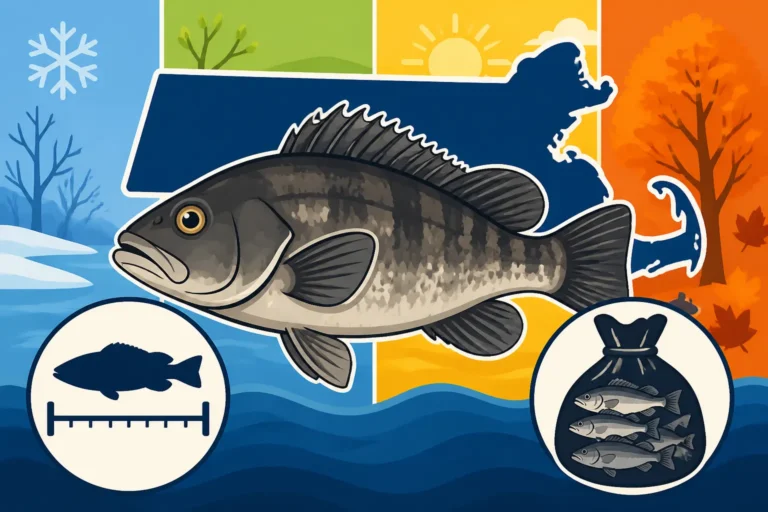
Tautog in Massachusetts are subject to specific size and bag limits, which often vary by season or even by month. This is a critical detail that many anglers overlook, leading to potential violations. For instance, the bag limit (the number of fish you can keep) might be one fish per angler during certain parts of the year, while in peak season, it could increase to several fish. The minimum size limit (the smallest fish you are legally allowed to keep) also needs to be strictly adhered to. It's usually a measurement from the tip of the snout to the end of the tail.
These fluctuating regulations are typically put in place to protect spawning fish or to manage the population during periods of high fishing pressure. It's imperative to check the most current regulations published by the Massachusetts Division of Marine Fisheries (DMF) before every fishing trip. Their website or a current regulations pamphlet will have the precise numbers. A measuring device is an absolute necessity on your boat or in your tackle box, and always measure your fish immediately upon catching it. Releasing undersized fish unharmed is crucial for conservation. For the most up-to-date information, specifically look for Massachusetts Tautog Size and Bag Limit by Season and Minimum size for tautog in Massachusetts.
Open Seasons and Why They Matter
Just like size and bag limits, tautog fishing in Massachusetts is often governed by specific open seasons. This means there are certain times of the year when you are legally allowed to fish for and keep tautog, and other times when it is closed. These seasons are implemented to protect the species during critical biological periods, such as spawning, ensuring that enough fish can reproduce to maintain a healthy population. Fishing during a closed season, even if you intend to release the fish, can sometimes still be illegal depending on specific regulations (though often catch-and-release is allowed in closed seasons if the species is not fully protected).
Typically, the tautog season in Massachusetts will include spring and fall periods, with potential variations or closures in between. The fall run is particularly popular, as tautog tend to feed aggressively in preparation for winter. Knowing When tautog season opens in Massachusetts is crucial for planning your trips. These seasons are not arbitrary; they are the result of scientific assessment and management efforts to ensure the long-term viability of the tautog fishery. Always consult official sources for the precise opening and closing dates for tautog each year.
Licensing Requirements for Tautog Fishing
To legally fish for tautog in Massachusetts, you absolutely need to possess the proper fishing license. Since tautog are a saltwater species, you will need a Massachusetts Saltwater Recreational Fishing Permit. This permit is required for any recreational angler aged 16 or older fishing in marine waters, regardless of whether you're fishing from a boat, pier, or the shore. There are very few exemptions, so if you're planning to target tautog, consider this permit a mandatory piece of gear.
The permit helps fund conservation efforts, fisheries management, and habitat protection, so it's a small price to pay for the privilege of enjoying our fantastic fishery. Make sure your permit is current and that you carry proof of it with you while fishing, whether a physical copy or an electronic version on your phone. Non-residents also need to purchase this permit. You can easily purchase your Massachusetts Saltwater Recreational Fishing Permit Explained online through the MassFishHunt system, or from authorized vendors throughout the state. It's the foundation of legal and responsible fishing in Massachusetts.
Advanced Tips for Consistent Tautog Catches
Once you've got the basics down, there are always little tricks and nuances that can elevate your tautog game. These advanced tips often come from years of experience on the water and can make the difference between a few fish and a banner day.
The Importance of Stealth and Presentation
Tautog, despite their tough appearance, can be surprisingly wary, especially in shallower waters or high-pressure areas. Noise on the boat deck, heavy footsteps on a jetty, or even shadows cast over the water can spook them. Minimize unnecessary noise and sudden movements. Approach your fishing spot quietly, and once there, try to move with purpose but not with commotion. Think of it as hunting; you're trying to sneak up on them.
Beyond stealth, presentation is critical. Ensure your bait is fresh and lively, and that it's hooked in a way that looks natural and tempting to a tautog. Avoid excessive weights if the current allows, as a lighter sinker can make your bait drift more naturally. When using jigs, try different colors and sizes until you find what the fish are responding to on a given day. Sometimes, the slightest change in the jig's movement – a faster twitch, a longer pause – can trigger a bite. Bottom Fishing for Tautog in Massachusetts often benefits from this subtle approach.
Fishing the Bite Window: When Tautog are Most Active
While tautog can be caught throughout the day, there are often specific "bite windows" when they are most active. These periods are usually tied to tidal movement, as mentioned before, but can also be influenced by other factors like light conditions or water temperature fluctuations. Pay close attention to when you start getting bites. Is it just as the tide turns? Or only during the strongest current? Identifying these patterns on a particular day can help you maximize your time.
Sometimes, a bite window might only last an hour or two, so being in the right place at the right time is paramount. If the bite slows down, consider moving to a slightly different spot on the same structure or even changing your bait or presentation. Experienced anglers often keep detailed logs of their trips, noting tides, weather, and bite times, helping them predict future bite windows. Don't be afraid to experiment, and if something isn't working, change it up.
Conservation and Sustainable Practices
As responsible anglers, we all have a role to play in the conservation of tautog and other marine species. Adhering strictly to all Massachusetts Fishing License Requirements by Age and regulations (size limits, bag limits, and seasons) is the absolute minimum. But true conservation goes beyond that. Consider practicing catch and release for larger breeding fish, especially if you've already met your bag limit. These larger fish are crucial for future generations.
When practicing catch and release, handle fish gently. Use circle hooks when possible, as they are less likely to deep-hook a fish, increasing its survival chances. Unhook fish quickly while they are still in the water, or if you must bring them aboard, minimize their time out of the water. Support organizations that advocate for sustainable fisheries management and participate in data collection efforts if available. By being good stewards of the resource, we ensure that tautog fishing remains a vibrant tradition in Massachusetts for years to come.
Common Challenges and How to Overcome Them
Tautog fishing is not without its frustrations. It's a challenging endeavor that can test the patience of even the most seasoned angler. Understanding the common pitfalls and having strategies to overcome them is just as important as knowing the right bait.
Snags and Lost Tackle: The Inevitable Frustration
If you're tautog fishing, you will get snagged. It's an undeniable truth. Their preferred habitat – rocky, jagged bottoms – is a tackle graveyard. The frustration of losing rig after rig, jig after jig, can be disheartening and expensive. However, there are ways to minimize the losses. First, always bring plenty of spare terminal tackle. Seriously, bring more than you think you'll need.
Employing tautog jigs, as discussed, is one of the best ways to reduce snags compared to traditional rigs with bottom sinkers. When using rigs, consider tying your dropper loops or snelled hooks with lighter monofilament than your main leader. That way, if a hook snags, the lighter line might break, allowing you to retrieve your sinker and the rest of your rig. If you do get snagged, try a few different maneuvers: point your rod directly at the snagged line and pull firmly, or release some line and then quickly reel tight to try and pop it free. Sometimes changing your fishing angle or drifting can also help free a stubborn snag. Losing tackle is part of the game, but smart strategies can reduce the frequency.
Dealing with "Sticky" Bites and Finicky Fish
Tautog are infamous for their "sticky" bites – those maddeningly subtle taps that feel like a bite but never quite develop into a solid take. Or, even worse, they're just expertly stealing your bait without ever getting hooked. This is often a sign of finicky fish, perhaps due to high pressure, cold water, or just a particular mood. Don't get discouraged; instead, adjust your approach.
If you're experiencing a lot of stolen bait, try downsizing your hook slightly or using smaller pieces of bait. Sometimes, a smaller offering is easier for them to swallow whole, leading to a better hookup. Another trick is to change your bait entirely – if crabs aren't working, try clams or vice-versa. Experiment with different presentations: if you're jigging, try a longer pause between lifts; if bottom fishing, try letting your bait sit perfectly still for a longer period. Sometimes, the problem isn't your technique, but simply that the fish aren't hungry. If all else fails, a move to a different piece of structure might be in order.
Weathering the Elements: Staying Comfortable and Safe
Massachusetts weather, particularly during the prime spring and fall tautog seasons, can be notoriously unpredictable. A sunny, calm morning can quickly turn into a windy, choppy afternoon, or a warm front can be chased by a sudden cold snap. Staying comfortable and safe on the water is paramount. Always dress in layers, even if the forecast looks mild. Waterproof outer shells are essential, especially on a boat where spray can quickly soak you. Non-slip footwear is crucial when navigating slippery rocks or a wet boat deck.
Beyond comfort, safety is non-negotiable. If you're fishing from a boat, always have all required safety gear, including PFDs (personal flotation devices) for everyone aboard. Check the marine forecast before heading out, and if conditions are questionable, err on the side of caution. Tautog fishing often takes you to exposed jetties or rougher waters, so being prepared for the elements is not just about comfort, but about personal safety. Don't let a sudden change in weather cut your trip short or, worse, put you in danger. Fishing License Rules for Massachusetts Boaters are also essential to review.
Disclaimer
This article is for general informational purposes only and does not constitute professional advice. Laws, prices and regulations vary by location and change over time. Consult a qualified professional for guidance on your specific situation.