How big channel catfish get in Massachusetts
There's nothing quite like feeling that solid tug on your line, the unmistakable fight of a powerful fish that makes your heart pound. For many anglers in Massachusetts, the channel catfish offers just that thrill, but a common question I hear is, "Just how big do these whiskered wonders really get around here?" It's a valid curiosity, especially if you're dreaming of a monster cat. This guide will dive deep into the typical sizes you can expect, the factors that influence their growth, and where in our beautiful Commonwealth you might just hook into that legendary lunker.
The Allure of Channel Catfish in Massachusetts Waters
Channel catfish are incredibly popular, and for good reason. They're tenacious fighters, relatively common in many freshwater systems, and can provide some excellent table fare. But the mystique around them often centers on their potential size. We've all heard tales of giant catfish, and it's natural to wonder if those stories hold true for the ponds and rivers of Massachusetts.
A Brief Introduction to Channel Cats
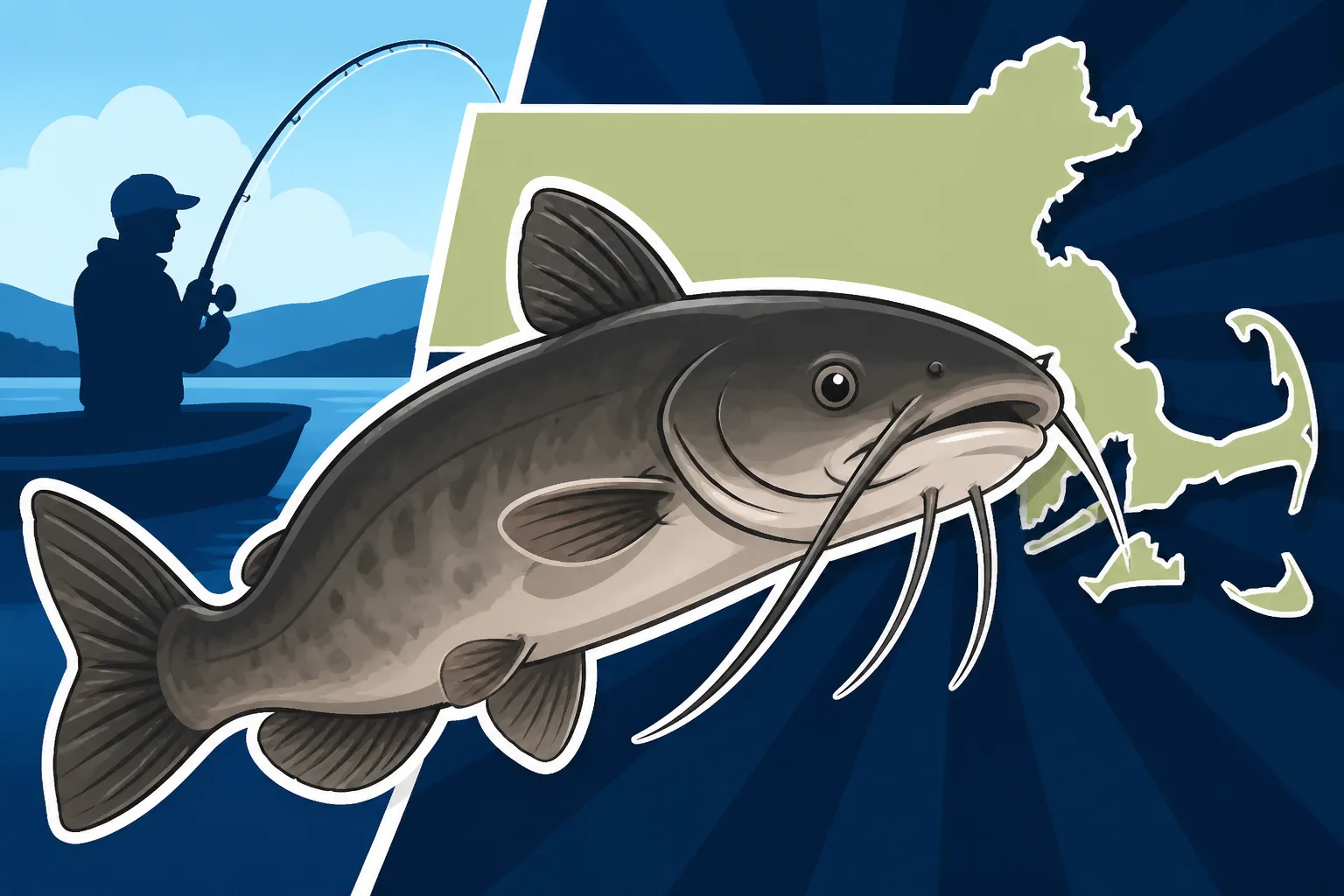
Channel catfish (Ictalurus punctatus) are easily recognizable by their sleek, often spotted bodies, deeply forked tail, and, of course, their prominent barbels or "whiskers" around the mouth. They're primarily bottom feeders, using those barbels to sense food in murky water or low light conditions. While not native to all Massachusetts waterways, they are well-established in many of our ponds, lakes, and larger rivers, often introduced by MassWildlife to enhance recreational fishing opportunities. They're quite adaptable, thriving in a variety of habitats from clear-running rivers to nutrient-rich ponds. You can learn more about various species in the state by checking out our Freshwater Fish Species in Massachusetts guide.
Why Size Matters to Anglers
For many anglers, size isn't just about bragging rights (though that's certainly part of the fun!). A larger fish offers a more exhilarating battle, pushing your gear and skills to their limits. There's also the culinary aspect; a bigger catfish means more fillets for the frying pan, though many prefer the taste of smaller, younger cats. For others, it's about the challenge of pursuing a trophy, that one fish that stands out from all the rest. The frustration often comes when you consistently catch smaller fish when you know there are bigger ones lurking. It's a quest for the exceptional, and in Massachusetts, those exceptional channel cats are definitely out there.
Unpacking Their Size: What to Expect in Massachusetts Waters
So, let's get down to the brass tacks: what's a realistic expectation for channel catfish size in Massachusetts? While we might not have the massive cats found in some Southern states, Massachusetts certainly holds its own when it comes to respectable and even trophy-sized channel catfish.
The Typical Catch
When you're fishing for channel catfish in Massachusetts, most of what you'll encounter will likely fall into the 1 to 5-pound range. These are energetic fish, often measuring between 14 and 20 inches, and they put up a fantastic fight on light to medium tackle. Catching a handful of these in an outing is considered a great day by many. They're common in many of the ponds and lakes stocked by the state for recreational fishing.
A channel catfish in the 5 to 10-pound range is a truly solid fish for Massachusetts. These are often 20 to 26 inches long and require a bit more muscle to bring to the net. Landing one of these will definitely give you a sense of accomplishment. They're a testament to good habitat and sufficient food sources. These are the fish that start to make your drag sing and test the knots on your line.
Factors Driving Growth
Several critical factors influence how large a channel catfish can grow in a given Massachusetts waterway:
- Food Availability: This is perhaps the most significant factor. Catfish are opportunistic omnivores, eating everything from insects, crustaceans, and mollusks to small fish, decaying organic matter, and even plant material. Waters rich in diverse food sources will naturally support faster growth and larger fish. If there's an abundance of baitfish or other aquatic organisms, catfish can bulk up quickly.
- Water Quality and Temperature: Clean, well-oxygenated water is crucial for healthy fish growth. Catfish are generally tolerant of a range of conditions, but consistently good water quality, especially in warmer months, allows them to thrive. Water temperature affects their metabolism; warmer water (within their comfortable range) generally means faster growth, as they can feed and digest more efficiently. Massachusetts waters, with their distinct seasons, provide a growth cycle that allows for good size development.
- Habitat Structure: Deep holes, submerged cover (like logs, rocks, or weed beds), and stable banks provide channel catfish with places to hide, ambush prey, and escape predators. Waters with varied and abundant structure often hold larger, older fish. Think about those dark, quiet corners of a pond or the deeper sections of a river.
- Population Density: In waters where channel catfish are overpopulated, competition for food can be intense, leading to stunted growth. Conversely, a healthy, balanced population, perhaps managed through stocking programs, can produce larger individual fish. This is where MassWildlife's management efforts really make a difference, ensuring that populations aren't too dense for the available resources.
- Genetics: While harder to observe directly, the genetic potential of a fish population plays a role. Some catfish strains simply have the genetic makeup to grow larger than others.
To keep track of your impressive catches, having a reliable fishing scale is crucial. You can find a wide variety of accurate digital scales on platforms like Amazon that will help you document those bigger fish.
The Elusive Giants: Massachusetts Trophy Catfish
While catching a 10-pound channel catfish in Massachusetts is an achievement, true "trophy" cats in the Commonwealth can reach even more impressive dimensions. We're talking about fish that push well into the double digits—15, 20 pounds, or even more. These are the fish of legends, often exceeding 30 inches in length, with broad heads and powerful bodies.
Catching a channel catfish of this size in Massachusetts is a rare and memorable event, often the result of dedicated effort, the right conditions, and a bit of luck. These fish have managed to avoid anglers and predators for many years, growing steadily in prime habitat. The Massachusetts state record for channel catfish stands as a testament to the fact that genuinely massive specimens exist, proving that patience and persistence can pay off with a truly exceptional catch. While I can't give you the exact numbers, know that the record is quite formidable!
Where to Seek Out Massachusetts' Larger Channel Catfish
If you're serious about targeting bigger channel catfish, understanding their preferred haunts and feeding patterns is key. Massachusetts offers several types of water bodies where these giants are more likely to reside.
Prime Habitats for Growth
To find those larger channel catfish, you generally want to focus on waters that offer a combination of depth, good forage, and some protection.
- Large Rivers: The Connecticut River, which flows through western Massachusetts, is arguably one of the best places to find larger channel catfish. Its sheer size, depth, and abundant food sources (including smaller fish, mussels, and invertebrates) allow cats to grow to impressive sizes. Look for deeper pools, areas with slower currents, and structure like fallen trees or rock piles. You can find more specific information in our Connecticut River Fishing in Massachusetts guide.
- Deep Ponds and Lakes: Many of Massachusetts' larger, deeper ponds and lakes also hold substantial channel catfish populations. These often have ample space for fish to grow, diverse ecosystems, and sometimes specific stocking efforts. For example, some municipal reservoirs or larger state-managed ponds that aren't overly pressured can be excellent choices. Explore our list of Best Freshwater Ponds and Lakes in Massachusetts for ideas.
- Nutrient-Rich Waters: While not always the clearest, waters that are rich in nutrients tend to support a denser food web, which can translate to bigger fish. Catfish are scavengers and thrive where food is plentiful, even if it means slightly murkier conditions.
- Areas with Submerged Structure: As bottom dwellers, channel catfish love structure. This could be anything from old submerged timber, rock ledges, bridge pilings, or even dense weed beds that provide cover and attract baitfish. These spots offer ambush points and security, allowing larger fish to feel safe and feed without constantly being exposed.
Strategies for Targeting Big Cats
Catching a trophy channel catfish isn't always about luck; it often involves deliberate strategy and the right gear.
- Bait Selection: Forget the tiny worms if you're after a monster. Larger channel cats prefer larger, scentier baits. Cut bait (pieces of mackerel, herring, or even bluegill), chicken livers, and specially formulated stink baits are often highly effective. You might even find some specialized bait holders or rigging tools on Amazon that help keep your bait on the hook effectively.
- Fishing Deep Holes and Channels: Catfish, especially the bigger ones, often retreat to deeper, cooler water during the day, becoming more active feeders in shallower areas during low light. Focus your efforts on the deepest sections of ponds or river channels, especially near structure.
- Night Fishing: This is often when the biggest channel catfish come out to play. Under the cover of darkness, they're more confident moving into shallower feeding flats. Equip yourself with a good headlamp (many reliable options are available on Amazon) and be prepared for some exciting nocturnal battles.
- Heavy-Duty Tackle: While you don't need saltwater gear, using a medium-heavy rod with a robust reel spooled with strong, abrasion-resistant line (perhaps 15-20 lb test mono or braided line) will greatly increase your chances of landing a big one. These fish can be surprisingly powerful, and you don't want to lose that fish of a lifetime because of inadequate gear.
Remember, always check the current Massachusetts Freshwater Daily Catch Limits and other regulations before you head out, and make sure you have your Massachusetts Fishing License Guide in order.
Angler Expectations and Realities
It's easy to get caught up in the dream of landing a monster, but it's important to set realistic expectations when fishing for channel catfish in Massachusetts.
What Most Anglers Will Catch
For the casual angler, or those just starting out, the majority of your channel catfish catches will be in the 1 to 5-pound range. These are abundant, fun to catch, and provide plenty of action. Don't underestimate the joy of catching these smaller, feisty fish! They're excellent for honing your skills, and if you're looking for dinner, they're often considered to have the best flavor. This common size makes channel catfish a very accessible species for many anglers in the Commonwealth.
The Thrill of a Truly Big Catfish
Every now and then, though, you'll feel that different kind of tug – the heavy, determined pull of a much larger fish. This is the moment when all those hours spent on the water pay off. The fight is more protracted, the runs are more powerful, and bringing a 10, 15, or even 20-pound channel catfish to the net in Massachusetts is a genuinely thrilling experience. It's a testament to the richness of our local waters and the potential they hold. These fish aren't just big; they're old, wise, and have earned their impressive size. Landing one is a story you'll be telling for years.
Conservation and Responsible Angling
Regardless of the size of the fish you're after, practicing responsible angling is paramount. If you're planning to release a larger fish, handle it carefully. Use appropriate landing nets, minimize its time out of water, and revive it thoroughly before letting it go. If you're keeping fish for the table, respect the Massachusetts Freshwater Daily Catch Limits and only take what you'll use. The health of our fisheries depends on all of us being good stewards of the resource.
Fishing for channel catfish in Massachusetts is a rewarding pursuit, offering everything from consistent action with smaller, delicious fish to the occasional heart-stopping battle with a true trophy. Knowing what to expect regarding their size, understanding their habits, and employing the right strategies will greatly enhance your success and enjoyment on the water.
| Channel Catfish Size Category | Typical Length (inches) | Typical Weight (pounds) | Catch Frequency in MA | Characteristics |
|---|---|---|---|---|
| Common Catch | 14-20 | 1-5 | High | Energetic fighters, great for action and eating. Found widely. |
| Good Catch | 20-26 | 5-10 | Moderate | Strong fight, requires more effort. Found in well-managed or larger waters. |
| Trophy Catch | 26-30+ | 10-20+ | Low | Powerful, memorable battle. Often found in specific, deep, and rich habitats like the Connecticut River. |
Disclaimer
This article is for general informational purposes only and does not constitute professional advice. Laws, prices and regulations vary by location and change over time. Consult a qualified professional for guidance on your specific situation.