Minimum size for black sea bass in Massachusetts
It's incredibly frustrating, isn't it, when you're out on the water, you hook into a beautiful black sea bass, and then that familiar wave of doubt hits you: "Is this fish a keeper? What's the minimum size this year?" Massachusetts fishing regulations can sometimes feel like a moving target, especially for popular species like black sea bass. It's not just about knowing the rules, it's about confidently applying them so you can enjoy your day without worrying about breaking the law. This guide is here to clear up all that confusion, giving you the definitive scoop on the minimum size for black sea bass in Massachusetts, along with critical details on seasons, bag limits, and best practices to keep you fishing legally and responsibly.
Understanding the Black Sea Bass Minimum Size Limit in Massachusetts
Let's cut right to the chase because this is often the most pressing question on an angler's mind. The regulations for black sea bass, like many species, are designed to protect the population and ensure sustainable fishing for generations to come. It's a delicate balance between allowing recreational anglers to enjoy their sport and safeguarding the future of the fishery. Trust me, I've spent countless hours out on the water, and there's nothing worse than thinking you've got a keeper only to find it's just shy of the mark.
The Current Recreational Size Requirement
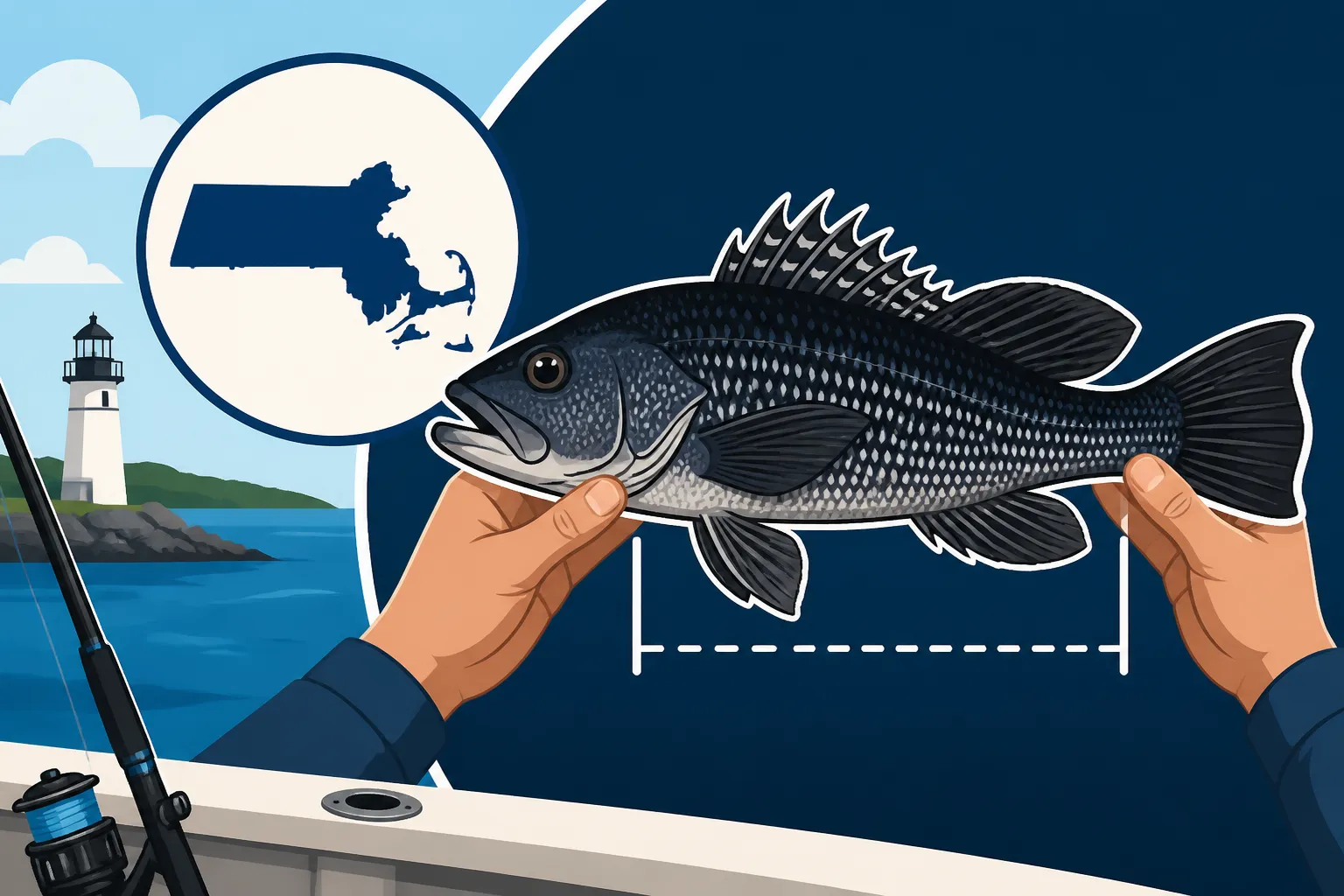
For recreational anglers in Massachusetts, the minimum size for black sea bass is specific and strictly enforced. You'll need to measure your fish from the tip of its snout to the end of its tail, ensuring it meets or exceeds the current legal length. This isn't just a suggestion; it's a hard and fast rule. If a fish doesn't make the cut, it needs to go back into the water as quickly and gently as possible. It's really important to double-check these regulations each season, as they can sometimes shift based on stock assessments and conservation needs. You can always refer to the official state guidelines or pick up a physical copy of the Massachusetts fishing regulations pamphlet at your local bait and tackle shop. Having a reliable measuring device, like a Fish Grip or a simple measuring board, is an absolute must-have in your tackle box. Many anglers find great, durable options on Amazon that are easy to use and clearly marked.
These size limits are put in place for a good reason, and it's all about letting fish mature and reproduce. Smaller fish haven't had the chance to contribute to the next generation, so releasing them helps keep the fishery healthy. It's a fundamental part of Massachusetts Recreational Fishing Rules and Bag Limits.
Why Size Limits Exist for Black Sea Bass
You might wonder why all these specific measurements are necessary. It's not to make our lives harder, I promise! Size limits, in the world of fisheries management, are a crucial tool for conservation. For black sea bass, a sexually dimorphic species where males tend to grow larger and mature later, these limits are particularly important. By protecting the smaller, younger fish, we allow them time to grow, reach sexual maturity, and contribute to the spawning population. Think of it as investing in the future of the species. When enough fish are allowed to reach maturity and spawn, the overall population remains robust, and we continue to have healthy numbers of black sea bass to target in future seasons.
It's also about maintaining a balanced ecosystem. Black sea bass play a vital role in the marine food web, both as predators and as prey. Overfishing any particular size class could have ripple effects throughout the ecosystem. The science behind these decisions is complex, involving biologists, researchers, and public input, all working towards sustainable fishing. The goal is to avoid the boom-and-bust cycles that have plagued other fisheries in the past. If you're passionate about understanding more, you can learn about the broader context of Massachusetts Fishing Seasons Explained and how all these rules intertwine.
Black Sea Bass Seasons and Bag Limits: What Else You Need to Know
While the minimum size is a critical piece of the puzzle, it's only one part of the black sea bass regulations here in Massachusetts. Anglers also need to be keenly aware of the open seasons and daily bag limits, which dictate when you can fish for them and how many you can keep. These rules often change in conjunction, so understanding the whole picture is key to a successful and legal outing.
Navigating the Seasonal Changes
Black sea bass seasons in Massachusetts are not static; they typically have specific start and end dates, and sometimes even different regulations apply during various phases of the season. This is primarily because black sea bass migrate and their spawning patterns dictate when they are most vulnerable to fishing pressure. During certain times of the year, particularly during peak spawning, regulations might become more restrictive to offer maximum protection. For example, some years might see a tighter bag limit or even a brief closure during critical reproductive periods.
Imagine planning a trip for a specific weekend, only to discover that the black sea bass season hasn't opened yet, or it's temporarily closed. It's a real bummer! That's why checking the most current Massachusetts Saltwater Fishing Seasons before heading out is so important. These dates are publicly available through the Massachusetts Division of Marine Fisheries (DMF) and are usually updated annually. A quick check of their website or a call to your local bait shop can save you a wasted trip. Always fish within the legal season to ensure you're not inadvertently breaking the rules, which could lead to penalties.
Daily Bag Limits and Possession Rules
Beyond the minimum size, you'll also encounter daily bag limits and possession rules for black sea bass. The daily bag limit specifies the maximum number of legal-sized black sea bass an individual angler can keep in a single day. This limit is designed to spread the catch among more anglers and prevent any single person from taking an excessive amount of fish. For instance, if the daily limit is 5 fish, you cannot keep 6, no matter how many you catch.
Possession limits are also important, particularly for multi-day trips or when transporting your catch. Sometimes, the possession limit might be the same as the daily bag limit, meaning you can't have more than the daily limit in your possession at any given time, regardless of when they were caught. Other times, it might be a cumulative total over several days. Always ensure you understand these distinctions. Exceeding the bag limit is just as serious an offense as keeping an undersized fish. I've heard stories of anglers who didn't realize their multi-day cooler full of fish exceeded the possession limit, leading to an unpleasant encounter with enforcement. It's all part of the larger framework of Massachusetts Saltwater Bag Limits by Species.
Here's a simplified table to illustrate the types of regulations you might encounter for black sea bass in Massachusetts. Remember, these are illustrative and you must check current regulations.
| Regulation Type | Description | Example (Illustrative) | Importance |
|---|---|---|---|
| Minimum Size | Smallest legal length from snout to tail tip. | 15 inches | Allows fish to mature and spawn. |
| Daily Bag Limit | Maximum number of legal-sized fish an individual can keep per day. | 5 fish per angler | Prevents overfishing; distributes catch. |
| Season Dates | Period of the year when fishing for the species is legally permitted. | May 18 – Sept 4 | Protects fish during vulnerable periods (e.g., spawning). |
| Possession Limit | Maximum number of fish an individual can have in possession (e.g., in cooler). | Same as daily bag limit | Prevents accumulation of catch over time. |
Essential Tips for Measuring and Handling Black Sea Bass
Getting the fish to the boat or shore is only half the battle. Once you've got that feisty black sea bass, you need to know how to properly measure it and, if it's undersized, how to release it safely. Mismeasuring can lead to fines, and improper handling can harm the fish, defeating the conservation purpose of these regulations.
How to Accurately Measure Your Catch
Accuracy is paramount when measuring your black sea bass. The official measurement in Massachusetts is typically "total length," which means from the tip of the snout to the furthest tip of the tail, with the tail compressed. This isn't always as straightforward as it sounds, especially with a squirming fish! Here's a step-by-step approach:
- Use a Reliable Measuring Device: Don't guess! A sturdy measuring board or a tape measure affixed to a flat surface is ideal. Many bait shops and online retailers like Amazon sell specialized fish measuring boards that are durable and easy to read. A cheap, flimsy tape measure can stretch or be hard to hold straight, leading to inaccurate readings.
- Lay the Fish Flat: Place the fish on its side on your measuring device, ensuring its mouth is closed and its snout is touching the starting point (usually a flat stop at one end of the board).
- Compress the Tail: Gently squeeze or push the tail fin together to get the maximum possible length. Sometimes fish can flair their tails, which makes them appear longer. The rule is typically "tail compressed" to ensure a consistent measurement.
- Read the Measurement: Take your reading from the absolute furthest tip of the tail. If it's even a hair under the minimum, it's a short fish. No "almost" allowed!
- Be Quick and Gentle: The quicker you measure, the less stress on the fish. This is especially crucial for fish you intend to release.
I can't tell you how many times I've seen anglers eyeball a fish, convinced it's legal, only to find it's a quarter-inch short. It's a rookie mistake that's easily avoided with the right tools and a little practice. Knowing How to Identify a Keeper Striped Bass in Massachusetts uses similar principles, so if you've done that, you're halfway there!
Best Practices for Catch and Release
Let's face it, a lot of the black sea bass we catch, particularly in certain areas or times of year, are going to be undersized. That's just part of the game. When you encounter these "shorts," ethical and effective catch and release is your responsibility. The goal is to return the fish to the water in the best possible condition, giving it the highest chance of survival.
Here are some best practices:
- Minimize Handling Time: The less time a fish spends out of the water, the better. Have your measuring device, dehooking tool, and camera ready before you even bring the fish in.
- Use Proper Tools: A good pair of long-nosed pliers or a dehooking tool is essential. Avoid tearing at the fish's mouth with your fingers. If the hook is deeply swallowed, it's often better to cut the line as close to the hook as possible rather than trying to rip it out. This is a common strategy when Bottom Fishing for Tautog in Massachusetts, another species that often swallows hooks.
- Handle with Care: Support the fish horizontally. Avoid holding it vertically by the jaw or tail, which can damage its internal organs or spine. If you need to touch the fish, wet your hands first to protect its delicate slime coat.
- Revive If Necessary: If a fish looks sluggish or disoriented after being unhooked, gently hold it in the water, supporting its belly, and allow water to flow over its gills until it regains its strength and swims away on its own. Pointing its head into a slight current can help.
- Use Appropriate Gear: Circle hooks are highly recommended, especially when bait fishing for black sea bass. They significantly reduce the chance of gut-hooking, making release much easier and safer for the fish. Many quality circle hooks are available through retailers that specialize in Best Rig for Black Sea Bass Fishing supplies.
By following these practices, you're not just adhering to regulations; you're actively participating in the conservation of a fantastic fishery.
Gear and Tactics for Targeting Black Sea Bass in Massachusetts
Catching black sea bass can be incredibly fun, as they're feisty fighters and often found in good numbers. To consistently hook into them, it helps to understand what gear works best and where to find them. This will maximize your chances of encountering legal-sized fish and making the most of your time on the water.
Recommended Tackle and Baits
Black sea bass aren't usually giants, so you don't need heavy-duty tackle. A medium-light to medium action spinning rod, around 6 to 7 feet long, paired with a reel spooled with 10-20 lb braided line, is a fantastic setup. Braided line offers sensitivity and strength, which is great for feeling those subtle bites in deeper water. A fluorocarbon leader of 15-25 lb test is a good idea, as it's less visible to the fish in clear water and offers abrasion resistance against rocks and shells.
When it comes to bait, black sea bass are opportunistic feeders and aren't overly picky. Some of the most effective natural baits include:
- Clams: Fresh shucked clams are a top choice. Their scent trail draws fish in.
- Squid: Strips of fresh or frozen squid are incredibly durable and universally loved by bottom fish. You can buy pre-cut strips or whole squid on Amazon or at your local bait shop.
- Mackerel and Herring: Small pieces of cut mackerel or herring can be very effective, especially if you're fishing in areas where these baitfish are present.
- Crabs: Small green crabs or fiddler crabs, if you can get them, are also excellent.
Artificial lures can also be highly effective, especially when jigging:
- Jigs: Metal jigs, bucktail jigs, or soft plastic swimbaits rigged on jig heads are excellent for vertical jigging. Tip them with a piece of Gulp! or squid for added attraction. Colors like white, pink, chartreuse, or natural baitfish patterns often work well.
- Flipping Rigs: A simple two-hook dropper rig with a sinker at the bottom is a classic for bait fishing. Use small, sharp circle hooks to minimize gut hooking and ensure easier release of undersized fish.
Having a selection of these baits and lures will put you in a great position, whether you're fishing from a boat or hitting a local pier.
Prime Locations and Fishing Techniques
Black sea bass are structure-oriented fish. They love to hang out around rocky bottoms, wrecks, reefs, ledges, and even bridge pilings. Anywhere there's an uneven bottom or something to hide in or near, you're likely to find them.
In Massachusetts, some of the most productive areas include:
- Buzzards Bay: Known for its rocky bottom and numerous ledges. Buzzards Bay Fishing Guide, Massachusetts covers many prime spots.
- Cape Cod Waters: Especially the south side, like Vineyard Sound and Nantucket Sound, where there are plenty of rocky areas and artificial reefs. Look for charter opportunities for Cape Cod Bottom Fishing Charters in these areas.
- Boston Harbor Islands: Many of the islands and their surrounding structures hold black sea bass. You can find out more about Best Places to Fish in Boston Harbor, Massachusetts.
- Nearshore Ledges and Reefs: Any offshore structure, even just a few miles out, can be a hot spot.
- Piers and Docks: Don't overlook these easily accessible spots, especially if they extend into deeper water or have nearby structure. Massachusetts Rules for Fishing From a Pier or Bridge is a good resource if you are planning to fish from shore.
The most common and effective techniques include:
- Bottom Fishing: This is the go-to. Use a simple bait rig (like a high-low rig or a dropper loop rig) with natural bait, dropped directly onto or near structure. Let your sinker hit the bottom, then reel up a foot or two to keep your bait clear of snags.
- Jigging: Vertical jigging with metal jigs or bucktails can be incredibly effective, especially when fish are actively feeding. Drop the jig to the bottom, then sharply lift and drop your rod tip, mimicking a wounded baitfish.
- Drifting: If you're in a boat, drifting over rocky areas or wrecks allows you to cover more ground and find active schools of fish. Just keep an eye on your depth finder for promising structure.
Remember, black sea bass often school up, so if you catch one, there are likely more around! Pay attention to your depth finder, look for changes in bottom contour, and be ready for a fight. Knowing how to catch black sea bass in Massachusetts is really about combining the right gear with the right approach in the right locations.
Disclaimer
This article is for general informational purposes only and does not constitute professional advice. Laws, prices and regulations vary by location and change over time. Consult a qualified professional for guidance on your specific situation.