What tautog tastes like
There's nothing quite like pulling a stubborn tautog from the rocky depths of Massachusetts' coastal waters, but once you've landed one of these feisty fish, a common question bubbles up: "What does tautog actually taste like?" Many anglers are curious if all that effort is truly worth the culinary reward. If you're wondering about the flavor, texture, and best ways to prepare this often-overlooked species, you've come to the right place. This guide will take a deep dive into everything you need to know to appreciate tautog on your dinner plate.
The Flavor Profile of Tautog: A Culinary Deep Dive
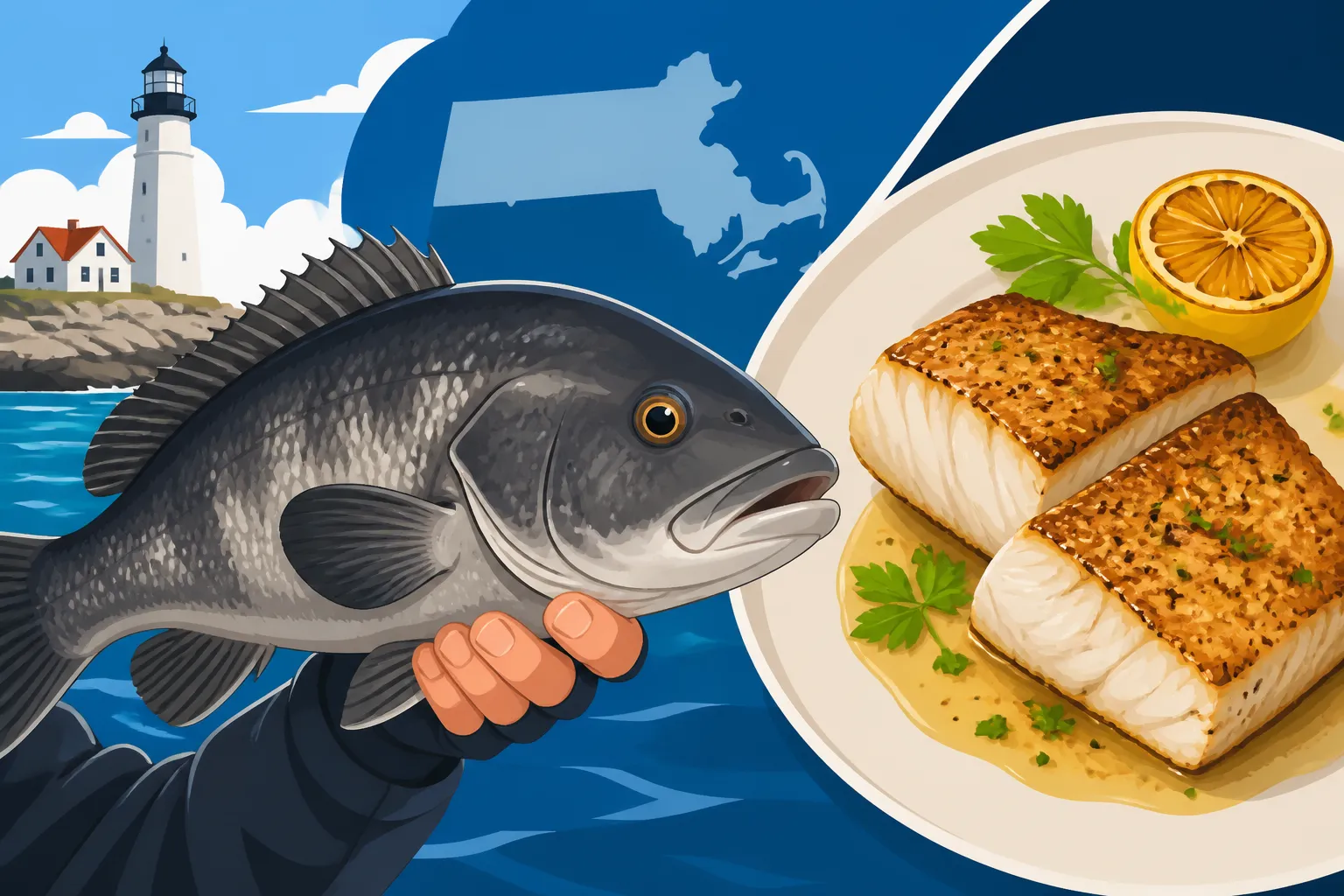
Tautog, often affectionately called "tog" by local anglers, has a distinct taste that truly sets it apart from many other fish you might catch in Massachusetts. It's not a universally bland white fish, nor is it overtly "fishy." Instead, it boasts a unique blend of characteristics that make it highly prized by those in the know.
What Influences Tautog's Taste?
The old adage "you are what you eat" holds incredibly true for fish, and tautog are a prime example. These bottom-dwelling fish have a diet heavily focused on crustaceans and shellfish, such as crabs, mussels, and barnacles. This diet contributes significantly to their clean, sweet, and mild flavor profile. Unlike fish that might feed on more oily baitfish, the tog's shellfish-rich diet imbues its flesh with a subtle, delicate sweetness that many find incredibly appealing. The cold, clean waters of the Massachusetts coastline, where tautog thrive among rocky outcrops, jetties, and wrecks, also play a crucial role, ensuring a fresh, untainted taste. The habitat and water quality directly impact the quality of the meat, leading to a consistently good-tasting fish when caught in healthy environments.
Texture and Consistency
Beyond its flavor, the texture of tautog is where it truly shines and earns its reputation as a premium table fish. Tautog meat is remarkably firm, flaky, and boasts a substantial, almost steak-like consistency. It holds together exceptionally well during cooking, whether you're baking, grilling, frying, or simmering it in a stew. This firm texture is a stark contrast to some more delicate white fish that can easily fall apart. It's a dense, meaty fish that doesn't become mushy, making it a favorite for those who appreciate a satisfying bite. The beautiful, opaque white flesh is lean and has a lovely, fine flake once cooked, absorbing flavors wonderfully without losing its inherent character.
To put it in perspective, here's a quick comparison of tautog's flavor and texture against some other common Massachusetts fish:
| Fish Species | Primary Flavor Notes | Texture | Ideal Cooking Methods |
|---|---|---|---|
| Tautog | Mild, sweet, clean, hints of shellfish | Firm, flaky, meaty | Baking, pan-frying, grilling, chowder |
| Cod / Haddock | Very mild, neutral, slight sweetness | Delicate, very flaky | Baking, frying, chowder |
| Striped Bass | Mild to moderate, rich, slightly oily | Firm, broad flakes, meaty | Grilling, baking, broiling |
| Bluefish | Strong, oily, "fishy" flavor | Firm, dark, coarse flakes | Smoking, grilling (if fresh) |
| Fluke (Summer Flounder) | Very mild, delicate, sweet | Tender, fine flakes | Pan-frying, broiling, ceviche |
From the Ocean to Your Plate: Preparing Tautog for Peak Flavor
The journey from the hook to your plate is critical in preserving the excellent flavor and texture of tautog. Just like any premium ingredient, proper handling can make all the difference, ensuring that every bite lives up to the fish's reputation.
Freshness is Key
There's an old saying among chefs and anglers alike: "The best seasoning is freshness." This couldn't be truer for tautog. To truly appreciate what tautog tastes like, it needs to be handled correctly immediately after being caught. Bleeding the fish quickly helps to remove any residual blood that can impart an off-flavor, leading to cleaner, whiter fillets. Once bled, get your tautog on ice as soon as possible. A cooler packed with ice slush will keep the fish cold and firm, halting spoilage and preserving that delicate flavor and firm texture. Avoid letting your catch sit in warm conditions for too long, as this rapidly degrades the quality of the meat. Proper chilling ensures the tautog remains at its peak, whether you plan to cook it that evening or freeze it for later enjoyment.
If you do plan to freeze tautog, make sure it's properly vacuum-sealed or wrapped tightly in freezer paper to prevent freezer burn, which can dry out the meat and diminish its flavor. While fresh is always best, well-frozen and properly thawed tautog can still be a delicious meal. For information on responsible fishing and handling, it's always wise to check the Massachusetts Recreational Fishing Rules and Bag Limits.
Cleaning and Filleting
Cleaning a tautog can sometimes be a bit of a challenge for the uninitiated, as these fish have remarkably thick, tough skin and sturdy bones. Don't let this deter you, though! With a sharp, flexible filleting knife and a bit of practice, it becomes much easier. Many anglers prefer to skin tautog rather than scale them, as the scales are small and embedded firmly.
Start by making an incision behind the gill plate, down to the backbone, and then along the top of the fish from head to tail. Carefully work your knife along the backbone and ribs to remove the fillet. You'll find that tautog yield nice, thick fillets, often without a bothersome bloodline. Take your time to remove all the small pin bones. The effort is well worth it for the clean, firm, bone-free portions you'll get, perfect for various culinary applications.
Savoring Your Catch: Popular Cooking Methods for Massachusetts Tautog
The versatility of tautog in the kitchen is another reason it's so highly regarded. Its firm flesh can stand up to a wide array of cooking methods, from simple preparations that highlight its natural sweetness to more robust dishes that complement its meaty texture.
Simple Preparations to Highlight Natural Flavor
When you want to truly taste the tautog itself, less is often more. Simple cooking methods allow the fish's natural flavors to shine through.
- Pan-Frying or Sautéing: This is a classic choice. A light dredge in seasoned flour or cornmeal, then pan-fried in butter or olive oil until golden brown, will give you crispy edges and a tender, flaky interior. A squeeze of fresh lemon juice at the end is all you need to brighten the flavor. The firm flesh won't fall apart, making it an easy and rewarding cooking method.
- Baking or Broiling: For a healthier option, baking or broiling tautog fillets is fantastic. Place the fillets on a baking sheet, drizzle with olive oil, season with salt, pepper, and your favorite herbs (dill, parsley, or thyme work wonderfully), and bake until cooked through. Broiling offers a quicker cooking time and can achieve a lovely browned crust. These methods preserve the moisture and subtle sweetness of the fish beautifully.
- Grilling: Tautog fillets are firm enough to hold up well on the grill. Marinate them briefly in some olive oil, garlic, and lemon, then grill over medium-high heat until you get nice char marks and the fish is opaque throughout. The smoky flavor from the grill adds another layer of deliciousness to the mild fish.
Heartier Dishes and Flavor Pairings
Beyond simple preparations, tautog's robust texture makes it an excellent candidate for heartier dishes that might overwhelm more delicate fish.
- Chowders and Stews: Tautog's firm flesh remains intact even when simmered, making it a superb choice for fish chowders, seafood stews, or even a classic cioppino. It won't disintegrate into flakes, adding substance and flavor to the broth. The sweetness of the fish complements the savory notes of a rich broth, potatoes, and vegetables.
- Fish Tacos: Its firm texture makes tautog ideal for fish tacos. Cut the fillets into strips, pan-fry or grill them with some fajita seasoning, and serve in warm tortillas with your favorite toppings like salsa, cabbage slaw, and a zesty crema.
- Flavor Pairings: Tautog pairs exceptionally well with bright, acidic flavors like lemon, lime, and white wine, which enhance its natural sweetness. Garlic, butter, fresh herbs, and mild chili flakes are also excellent companions. For those looking to experiment with new recipes and flavor combinations, having a good quality fish cookbook on hand can be a game-changer. You can find a wide variety of highly-rated seafood cookbooks and specialized kitchen tools, like fish spatulas or meat thermometers, on Amazon to help elevate your culinary creations. A well-stocked spice rack, easily curated through Amazon, also allows for endless experimentation with rubs and marinades.
Tautog in the Massachusetts Seafood Landscape
Understanding where tautog fits within the broader picture of Massachusetts seafood can further highlight its unique qualities and why it’s such a prized catch. It's truly a distinctive member of our local marine ecosystem.
Tautog vs. Cod and Haddock
When people think of white-fleshed fish in Massachusetts, cod and haddock often come to mind first. While all three are excellent table fare, tautog offers a noticeably different experience. Cod and haddock are known for their very mild, almost neutral flavor and super flaky, delicate texture. They're often seen as blank canvases that readily absorb the flavors of sauces and seasonings. Tautog, on the other hand, while still mild, carries a subtle sweetness and a more pronounced "clean ocean" taste, likely due to its shellfish diet. Its firm, meaty texture also stands in contrast to the more tender, crumbly flakes of cod and haddock, making it hold up better to more vigorous cooking methods like grilling or stewing without falling apart.
Tautog vs. Striped Bass and Bluefish
Moving into the realm of more robust saltwater fish, tautog differentiates itself significantly from species like striped bass and bluefish. Striped bass, a beloved sport fish in Massachusetts, offers firm, broad-flaked white meat that is richer and slightly oilier than tautog. It has a more pronounced "fish" flavor, though still generally mild. Bluefish, on the other hand, is known for its strong, distinctly "fishy" flavor and darker, oilier flesh. While delicious when prepared correctly (often smoked or grilled very fresh), it's a taste that not everyone appreciates. Tautog's delicate sweetness and lean, firm white meat provide a milder, less "gamey" alternative to these more assertive species, making it a great option for those who prefer a subtler seafood experience. For specific regulations regarding these species, be sure to check out resources like Massachusetts Striped Bass Size and Bag Limit and Massachusetts Bluefish Bag Limit and Season.
Maximizing Your Tautog Catch for the Dinner Table
Catching tautog requires patience, skill, and the right approach, but the reward is a truly delicious meal. Knowing a few tips can increase your chances of not only landing these tough fighters but also ensuring they taste their absolute best.
Best Baits and Locations
Tautog are opportunistic feeders with a strong preference for crustaceans and mollusks. This means your bait choice is crucial. Green crabs, fiddler crabs, and hermit crabs are perennial favorites and incredibly effective. Fresh clams, mussels, and even shrimp can also entice a bite. It’s all about presenting something natural and appealing to their diet.
As for locations, tautog are structure-oriented fish. They love to hang out around rocky bottoms, jetties, piers, bridge pilings, and shipwrecks. These areas provide both shelter and an abundant food supply. Look for spots with underwater rubble or submerged structures in coastal waters, typically in depths ranging from shallow inshore areas to deeper offshore reefs. Good places to start scouting might be the rocky shorelines of Cape Cod or the numerous ledges and wrecks in Buzzards Bay. For more insights on where to find these fish, you might enjoy exploring articles like Best Saltwater Fishing Spots on Cape Cod, Massachusetts or guides on specialized techniques such as Bottom Fishing for Tautog in Massachusetts. Knowing the current Massachusetts Tautog Size and Bag Limit by Season is also essential before you head out.
Seasonal Considerations
While you can catch tautog throughout much of the year, their feeding habits and the quality of their flesh can vary with the seasons. Often, the cooler water temperatures of spring and fall are considered prime time for tautog fishing in Massachusetts. During these periods, the fish are often more active and aggressive feeders, and the colder water contributes to firmer, cleaner-tasting meat. Tautog caught in the heat of summer can still be delicious, but many anglers report a slight preference for the fish caught when the water is cooler. This seasonal variation is a fascinating aspect of fishing, as different species peak at different times, offering diverse culinary experiences throughout the year. For detailed seasonal information, be sure to consult resources like Massachusetts Tautog Season Dates and Bag Limits and Best Time of Year to Fish in Massachusetts to plan your trips for optimal success. And remember, having the right gear, from sturdy rods to durable tackle boxes (many of which are available on Amazon), makes all the difference when targeting these strong fish.
Understanding Regulations and Gear
Before you even cast a line, knowing the local fishing regulations is paramount. In Massachusetts, you'll need the appropriate fishing license or permit, and specific rules apply to tautog regarding seasons, size limits, and bag limits. Always check the current regulations through official MassWildlife resources. For instance, understanding Best Bait for Tautog Fishing in Massachusetts can significantly improve your catch rates while staying within legal bounds. Moreover, the right gear—a sturdy rod and reel combo capable of handling powerful strikes, heavy line, and strong hooks—is crucial for wrestling a tog out of its rocky hideout. Many anglers opt for specialized jigging setups or traditional bottom rigs. Remember, responsible angling ensures healthy fish populations for years to come. For comprehensive information on licensing, consider reading Massachusetts Fishing License Guide.
Disclaimer
This article is for general informational purposes only and does not constitute professional advice. Laws, prices and regulations vary by location and change over time. Consult a qualified professional for guidance on your specific situation.