Is There a Size Limit for Largemouth Bass in Massachusetts?
One of the most common questions I get from fellow anglers, especially those new to the Bay State or just getting back into the sport, is about bass regulations. It can be super confusing, right? You hear about slot limits and minimum sizes for so many other species, and then you wonder, "Does that apply to my favorite largemouth bass?" It's a valid concern, because nobody wants to accidentally break the rules. This guide is here to clear up the mystery around largemouth bass size limits in Massachusetts, explain the general rules, delve into exceptions, and help you fish confidently and responsibly.
Understanding Largemouth Bass Regulations in Massachusetts
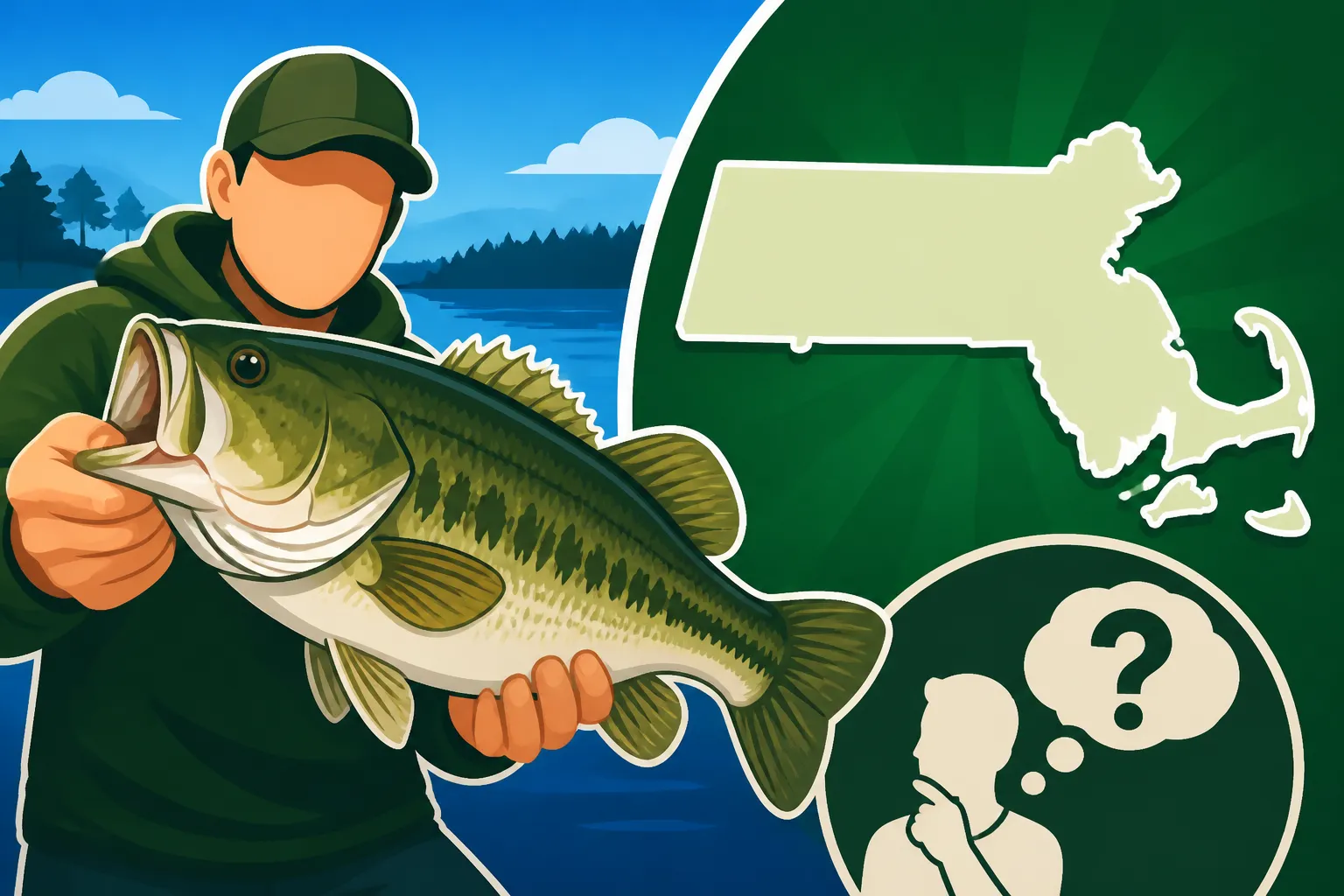
Alright, let's get right to the heart of the matter. If you're out there on a beautiful Massachusetts pond or lake, casting for those elusive green monsters, you're likely wondering if you need to pull out a measuring tape for every largemouth you catch. The good news, and the answer to our core question, is generally no, there is typically no minimum size limit for largemouth bass in Massachusetts.
The General Rule: No Minimum Size, But a Bag Limit
That's right, for most of the Commonwealth's public waters, Massachusetts Division of Fisheries and Wildlife (MassWildlife) regulations don't impose a minimum length requirement on largemouth bass. This means that if you catch a legal largemouth, whether it's a feisty 10-incher or a respectable 3-pounder, you can technically keep it, provided you stay within the daily creel limit. This is a pretty significant difference compared to many other popular game fish, and it often catches new anglers off guard.
However, and this is a crucial "but," while there's no size limit, there absolutely is a daily bag limit. For largemouth and smallmouth bass combined, the typical statewide limit is usually five fish per angler per day. This means you can't just keep every bass you catch, regardless of size. The intention here is to manage the overall harvest of these popular species and ensure sustainable populations for everyone to enjoy. So, while you might not be measuring them, you definitely need to be counting them! Always double-check the current Massachusetts Recreational Fishing Rules and Bag Limits before heading out, as regulations can change.
Why Different Rules Exist for Other Species
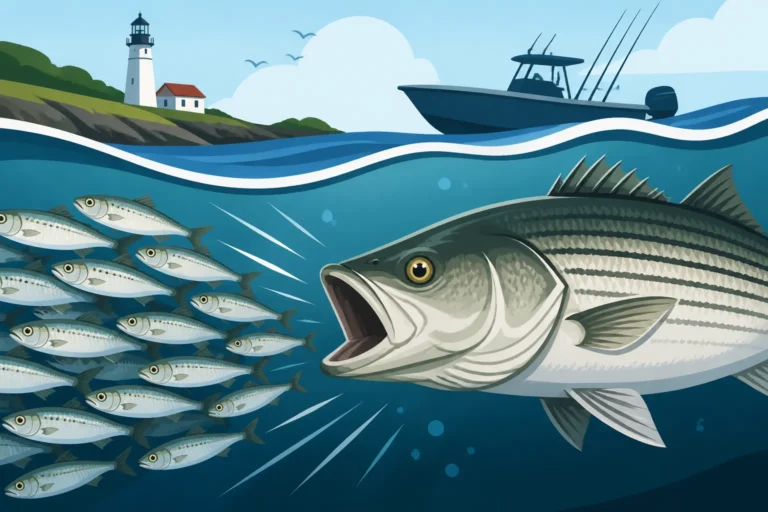
You might be asking yourself, "Why the heck do striped bass have a strict slot limit, or trout have a minimum size, but not largemouth?" It's a fair question, and it boils down to the different life histories, population dynamics, and fishing pressures each species experiences. For example, species like striped bass are highly migratory and face intense commercial and recreational pressure across their range. A slot limit ensures that larger, more reproductively valuable fish can survive and spawn, contributing to future generations, while also allowing some harvest. You can learn more about this in Massachusetts Striped Bass Size and Bag Limit.
Trout, especially stocked trout, often have minimum size limits to allow them to grow to a more desirable "catchable" size, improving the angler experience and ensuring they contribute to the ecosystem for a period after stocking. Largemouth bass, on the other hand, are prolific breeders in many Massachusetts ponds and lakes. Their populations tend to be more robust and less susceptible to overfishing from recreational anglers, particularly when a daily bag limit is in place. The absence of a minimum size allows anglers to keep smaller bass, which can sometimes help manage crowded populations in certain ponds, potentially leading to better growth rates for the remaining fish. It's a balancing act that MassWildlife constantly evaluates.
Catch and Release: A Popular Choice
Even without a minimum size limit, many, many largemouth bass anglers in Massachusetts practice catch and release. It's a philosophy that prioritizes the health and future of the fishery, especially for trophy-sized bass. Think about it: catching a really big bucketmouth is a thrill, and letting that fish go means it can spawn again, grow even bigger, and provide another exciting fight for someone else (or you!) down the line. Plus, sometimes you're just out there for the sport, not necessarily for a meal.
If you are planning to release your catch, always handle fish with care. Wet your hands before touching them to protect their protective slime coat, use de-barbed hooks, and try to minimize their time out of the water. Having a quality pair of pliers or a de-hooking tool readily available is a must. You can find excellent tools and measuring boards on Amazon to ensure you're geared up for responsible angling. Many anglers take a quick photo and then immediately release the fish. It's a wonderful way to enjoy the sport and contribute to conservation, regardless of whether a size limit is enforced.
Specific Waters with Potential Largemouth Bass Size Limits
While the statewide rule for largemouth bass in Massachusetts generally states no minimum size, it's really important to understand that there can be exceptions. Always, and I mean always, check the most current regulations for the specific body of water you plan to fish. You can often find this information in the official MassWildlife fishing regulations pamphlet or on their website. Ignoring these specific rules can lead to fines and other penalties, which no one wants!
State-Managed Ponds and Lakes
From time to time, MassWildlife might implement special regulations on particular ponds, lakes, or reservoirs to address specific management goals for that fishery. This could include a minimum size limit for largemouth bass, especially if they are trying to improve the quality of the bass population (e.g., aiming for more larger fish) or if a particular body of water has unique ecological characteristics. These special regulations are usually clearly marked in the fishing guide for that year or posted at public access points.
For instance, a pond might be designated as a "trophy bass" or "quality bass" water, which could come with a size restriction to protect larger fish. Imagine you're fishing a well-known spot like Lake Quinsigamond or Otis Reservoir; it's always wise to do a quick check to see if any unique rules apply to these popular destinations. While MassWildlife generally prefers to keep regulations simple, localized rules are a key tool in adaptive management, ensuring that fishing opportunities are sustainable across diverse aquatic environments. Your standard Massachusetts freshwater fishing license covers most public waters, but some specific sites may have additional access rules.
Tournament Rules and Special Permits
If you're involved in organized bass tournaments, be prepared for different rules! Tournament organizers often set their own size and bag limits that can be stricter than state regulations. These rules are designed to ensure fair competition, promote conservation among tournament anglers, and sometimes even align with national bass fishing organization standards. For example, a tournament might require all bass to be at least 12 inches long, even if the state has no minimum size. This is to ensure a certain "quality" of fish is weighed in and to encourage the release of smaller fish.
Additionally, certain sensitive or managed waters might require special permits beyond your regular fishing license, and these permits could come with their own set of rules, including size limits for largemouth bass. A prime example, though not specifically for largemouth, is the Quabbin Reservoir, which has very specific rules for fishing access, methods, and permits that differ from general statewide regulations. Always verify the rules with the tournament director or the governing authority of any special water body well in advance. Having a reliable ruler or measuring device on your boat or in your tackle box, easily purchased on Amazon, is invaluable for these situations.
Understanding Local Ordinances
While less common for largemouth bass, it's also worth a quick mention that local towns or municipalities could theoretically have their own specific bylaws or ordinances that pertain to fishing in waters entirely within their jurisdiction. This is pretty rare for something as specific as bass size limits, as MassWildlife typically sets the fishing regulations for the entire state. However, local rules might govern things like access times, bait restrictions, or even closures during certain periods.
For the most part, if you have your Massachusetts Fishing License Guide in hand and you've consulted the most recent MassWildlife regulations pamphlet or their website, you should be good to go. But an extra minute of research can save you a lot of headache. Always be respectful of private property boundaries and any posted signage, which will often convey important local information, even if it's not directly about fish size. Knowing the local nuances is part of being a truly prepared and responsible angler.
Why Largemouth Bass Management Matters
Even if the state doesn't impose a minimum size limit on largemouth bass, the management of these fish is incredibly important for the overall health of Massachusetts' freshwater ecosystems and the enjoyment of future generations of anglers. Understanding the "why" behind any fishing regulation helps us all become better stewards of our natural resources.
Promoting Healthy Bass Populations
The primary goal of any fishing regulation, including the daily bag limit for largemouth bass, is to ensure the long-term health and sustainability of the fish population. While largemouth bass are adaptable and resilient, they aren't limitless. Overharvesting, even of smaller fish, could eventually impact a population, especially in smaller, more isolated ponds. By controlling the number of fish an angler can keep, MassWildlife aims to prevent local depletion and allow enough fish to remain to reproduce successfully.
Furthermore, a healthy bass population plays a crucial role in the aquatic food web. They are apex predators in many freshwater environments, helping to control populations of smaller baitfish and panfish. This ecological balance is vital for the entire system. Without proper management, disruptions could ripple through the pond or lake, affecting everything from water quality to the abundance of other species. This is why agencies like MassWildlife spend so much time studying fish biology and implementing thoughtful regulations. Learning about How to Catch Largemouth Bass in Massachusetts often involves understanding their habits within a healthy ecosystem.
Balancing Angler Opportunity with Conservation
It's a delicate dance: providing ample fishing opportunities for a passionate community of anglers while simultaneously protecting the resource for the future. MassWildlife's approach to largemouth bass—no minimum size but a daily bag limit—is a reflection of this balance. It allows anglers the freedom to decide which fish they want to keep, perhaps for a meal or a trophy, while limiting the overall take. This flexibility is often appreciated by anglers who might prefer to keep smaller "eating size" bass or those who are just starting out and want to keep a fish or two they've caught.
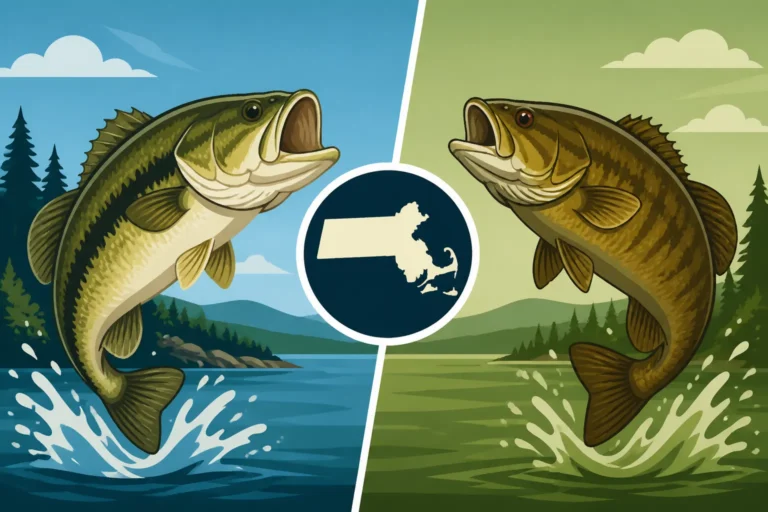
This approach acknowledges the diverse motivations of anglers. Some are purely catch-and-release, enjoying the thrill of the fight. Others enjoy bringing home a fresh meal. By not imposing a size restriction, it also makes the regulations simpler for the casual angler, reducing the barrier to entry into the sport. Simplicity in regulation, where appropriate, can encourage more participation, which in turn can lead to greater support for conservation efforts through license sales and engagement. If you're wondering about similar species, check out Largemouth vs Smallmouth Bass in Massachusetts for more information on how those regulations might compare.
The Role of MassWildlife
MassWildlife is the unsung hero behind all of these efforts. Their biologists, conservation officers, and staff are constantly monitoring fish populations, conducting surveys, and studying the ecological impacts of fishing. They use this scientific data to inform their decisions on regulations, stocking programs, and habitat restoration. They're not just making rules for the sake of it; every regulation is a carefully considered tool in their toolkit to ensure that Massachusetts remains a fantastic place to fish.
| Largemouth Bass Regulation Aspect | General Rule in Massachusetts | Exceptions/Considerations |
|---|---|---|
| Minimum Size Limit | None (statewide) | Specific waters, tournaments |
| Daily Bag Limit | 5 fish (largemouth/smallmouth combined) | Always check current MassWildlife guide |
| Why No Size Limit | Prolific breeder, robust populations, allows angler flexibility | May change for specific management goals |
| Why Bag Limit | Prevents overharvest, ensures sustainability | Essential for population management |
| Recommended Practice | Catch and Release, especially for larger bass | Handle fish carefully, use appropriate gear |
They also manage access points, conduct public outreach, and offer educational programs. When you purchase your Massachusetts Freshwater Fishing License Costs and Rules, a portion of that fee goes directly back into these vital programs, funding the research and enforcement that keeps our fisheries thriving. So, when you're out on the water, whether you're chasing that next trophy or just enjoying the peace and quiet, remember that MassWildlife is working hard behind the scenes to make sure those opportunities continue for years to come. You can find essential gear like fishing line, lures, and even guidebooks on Amazon to support your angling adventures.
Disclaimer
This article is for general informational purposes only and does not constitute professional advice. Laws, prices and regulations vary by location and change over time. Consult a qualified professional for guidance on your specific situation.