What a pumpkinseed sunfish is
It’s a common scenario: you’re out fishing with the family, maybe at a local pond or a quiet section of a river, and suddenly you or one of the kids reels in a fish that's just dazzling. It's small, but incredibly vibrant, with colors that look like they belong on a tropical reef rather than in a Massachusetts freshwater pond. You might scratch your head, wondering what this little jewel of a fish is. Chances are, you've just met a pumpkinseed sunfish, a truly beautiful and often-underappreciated resident of our local waters, and this guide is here to tell you all about them.
What Exactly is a Pumpkinseed Sunfish? A Tiny Jewel of the Pond
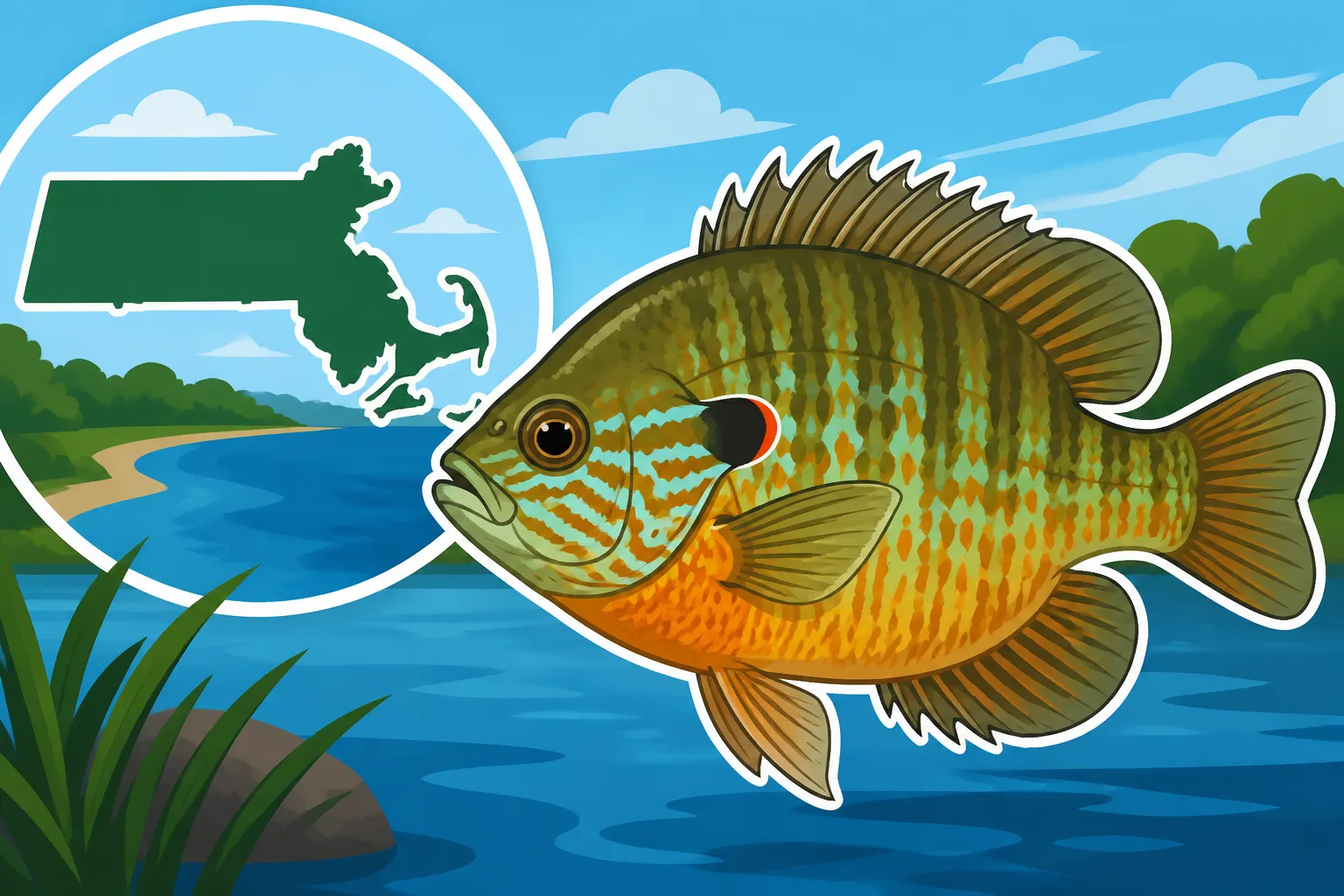
The pumpkinseed sunfish (Lepomis gibbosus) is truly one of Massachusetts's most beautiful freshwater fish, often catching anglers off guard with its brilliant colors. Imagine a fish that looks like a miniature canvas painted with iridescent blues, greens, oranges, and yellows, all crisscrossed with wavy lines. They're often mistaken for other sunfish, but once you know what to look for, their unique charm is undeniable. For many, catching one is a delightful surprise, and for kids, their striking appearance makes them an instant favorite.
Iridescent Colors and Distinctive Markings
What truly sets the pumpkinseed apart is its stunning appearance. Its sides are typically adorned with intricate, wavy turquoise or emerald green lines, contrasted by vibrant orange-yellow spots. The belly is usually yellowish to bright orange. But the real giveaway, the "tell" that helps you identify it from other panfish, is a distinct bright red or orange spot right on the rear edge of its gill flap (operculum). This little "ear flap" often has a dark black spot too, making the red even more prominent. It's like nature decided to paint each one individually, giving them an almost artistic quality.
These fish don't typically grow very large; a truly big pumpkinseed in Massachusetts might reach 8 to 10 inches, but most you'll encounter will be in the 4- to 6-inch range. Despite their modest size, their feisty nature on light tackle makes them an absolute blast to catch, especially for beginners or those seeking a relaxed day on the water.
Habitat Preferences in Massachusetts Waters
Pumpkinseed sunfish are true homebodies when it comes to their habitat. They absolutely adore clear, shallow, and heavily vegetated waters. Think about those quiet coves in a lake, the margins of a slow-moving river, or virtually any pond with a healthy growth of lily pads, submerged weeds, and fallen logs. These features provide them with critical cover from predators like largemouth bass and pickerel, as well as a rich foraging ground for the small insects, crustaceans, and mollusk larvae that make up their diet.
You'll rarely find them in fast-moving rivers or deep, open water. They prefer the calmer, sun-warmed sections where the water is relatively still, allowing aquatic plants to flourish. These are the places where you can often spot them darting among the reeds or hiding under a dock, always on the lookout for a snack. It's this preference for shallow, accessible waters that makes them such a popular target for shore anglers and families.
Telling Them Apart from Other Panfish
Massachusetts is home to several species of sunfish, and it’s easy for the untrained eye to confuse a pumpkinseed with a bluegill or even a redbreast sunfish. However, there are a few key differences that will help you confidently identify a pumpkinseed.
The most obvious identifier, as mentioned, is that distinctive red spot on the gill flap. While bluegills have a black gill flap, it generally lacks that vibrant red trim. Bluegills also tend to have a more uniform, often darker body color with less of the intricate wavy patterning found on pumpkinseeds. Redbreast sunfish, as their name implies, have a much more pronounced red or orange breast and a very elongated gill flap, unlike the pumpkinseed's more rounded profile.
It's also worth noting that sunfish species can sometimes hybridize, leading to individuals with mixed characteristics that can make identification a bit tricky. But generally, if you see that striking red spot and those beautiful wavy patterns, you've got a pumpkinseed. Knowing these differences will not only impress your fishing buddies but also help you appreciate the diversity of Freshwater Fish Species in Massachusetts.
| Feature | Pumpkinseed Sunfish | Bluegill Sunfish | Redbreast Sunfish |
|---|---|---|---|
| Gill Flap (Operculum) | Black spot with a distinctive bright red/orange trim | Entirely black or dark blue, no red/orange trim | Very long, black or dark blue flap |
| Body Color/Pattern | Iridescent blues, greens, yellows, wavy lines, orange spots | Olive-green back, yellowish belly, often vertical bars | Olive/brown back, bright red/orange breast, yellow belly |
| Mouth Size | Smaller mouth, typically doesn't extend past the eye | Small mouth, similar to pumpkinseed | Medium mouth, similar to bluegill |
| Body Shape | Deep, compressed body | Deep, compressed body | More elongated body |
| Common Size | 4-8 inches | 6-10 inches | 5-8 inches |
Where to Find Pumpkinseed Sunfish in Massachusetts
One of the great joys of fishing for pumpkinseeds in Massachusetts is how accessible they are. You don't need a fancy boat or a remote wilderness trip; often, they are right under your nose in local waters. From suburban ponds to larger recreational lakes, these colorful fish are widespread and relatively easy to locate once you know their preferred hangouts. They truly embody the spirit of community fishing, offering enjoyable angling opportunities close to home.
Common Freshwater Haunts Across the Commonwealth
Pumpkinseed sunfish are virtually ubiquitous throughout the freshwater systems of Massachusetts. You can find them in the smallest farm ponds, the large state park lakes, and even the slower, shallower sections of major rivers. For instance, many municipal ponds and town reservoirs, especially those with good weed growth and relatively clear water, are prime pumpkinseed territory. Think about places like Walden Pond, Lake Quinsigamond, or even many smaller, unnamed ponds in central and western Massachusetts. Best Freshwater Ponds and Lakes in Massachusetts will often be excellent spots for these little guys.
They are particularly abundant in areas that see less intense fishing pressure for larger game fish, though you'll find them alongside bass and pickerel too. This means that nearly any body of water that fits their habitat description is a potential hot spot. It’s always a good idea to check local regulations for any specific pond or lake, but generally, where there's warm, vegetated freshwater, there are pumpkinseeds.
Ideal Water Conditions and Structures
As we've touched upon, pumpkinseeds are creatures of comfort, favoring specific water conditions and structures. Look for them in water that's relatively warm, typically in the shallows where the sun can penetrate and encourage plant growth. Think about areas with a depth of 1 to 5 feet, especially if there's cover.
When you're scouting a spot, keep an eye out for:
- Lily Pads and Aquatic Weeds: These are primary hunting and hiding grounds. The sunfish will often be right on the edge of the pads or even beneath them, waiting for insects to drop.
- Fallen Logs and Brush Piles: Submerged wood provides excellent cover and also attracts baitfish and insects, creating a perfect ecosystem for pumpkinseeds.
- Docks and Piers: The shaded areas and submerged pilings of man-made structures are also attractive to sunfish, offering both shelter and a place to ambush prey.
- Shallow Coves and Inlets: These areas, protected from strong winds and currents, tend to warm up faster and accumulate vegetation, making them ideal sunfish nurseries.
If you’re walking along a pond's edge and can see these features, you’re very likely looking at a prime pumpkinseed fishing spot. It's all about observing the water and understanding what makes a good home for these small, colorful fish.
Seasonal Movements and Year-Round Accessibility
While pumpkinseed sunfish are generally found in the shallow, warmer parts of their habitat, their precise location can shift slightly with the seasons. In spring, after the ice melts, they become very active as the water warms, congregating in spawning beds in shallow areas. This is often an excellent time to target them, as they are aggressive and plentiful.
During the peak of summer, they might retreat to slightly deeper water or denser cover during the hottest parts of the day, but they remain very accessible, especially in the mornings and evenings. As fall approaches and water temperatures cool, they’ll still be found in similar vegetated areas, perhaps moving a bit deeper as winter approaches.
And yes, even in winter, when the ice hardens over, pumpkinseeds are a common catch for ice anglers. They don't migrate far, simply moving to slightly deeper sections of the same ponds and lakes. This means that if you learn how to target them, you can enjoy the thrill of catching these vibrant fish nearly all year round in Massachusetts. Ice Fishing in Massachusetts can be a surprisingly productive way to catch them.
Fishing for Pumpkinseed Sunfish: Tips and Techniques
Fishing for pumpkinseed sunfish is arguably one of the most delightful and accessible forms of angling in Massachusetts, making it perfect for families, beginners, and seasoned anglers looking for some light-tackle fun. You don't need a boatload of expensive gear, nor do you need to master complex techniques. It's all about simplicity, patience, and enjoying the process. Plus, the reward is often a truly beautiful fish that puts up a surprising fight for its size.
Simple Setup for Maximum Fun
One of the best things about pumpkinseed fishing is that it's incredibly budget-friendly and requires minimal gear. This makes it an ideal activity for introducing kids to fishing, as success is almost guaranteed, and the gear is easy to handle.
Here’s what you’ll need:
- Light Spinning Rod and Reel: A lightweight rod, preferably a 5-foot to 6-foot ultralight or light action rod, paired with a small spinning reel spooled with 2 to 4 lb test monofilament line. You can find excellent starter kits with small rods, reels, and tackle boxes on sites like Amazon, perfect for tiny hands and budgets.
- Small Hooks: Size 8 or 10 Aberdeen or baitholder hooks are ideal. Their small size matches the pumpkinseed's mouth and allows you to present tiny baits effectively. These are easily purchased online from retailers such as Amazon.
- Small Bobbers: A small, sensitive bobber is key, as it helps you detect even the slightest nibble. Pencil bobbers or small round bobbers work well. You can grab a multipack from Amazon for a few dollars.
- Split Shot Weights: Just a few small split shot weights, pinched onto your line a few inches above the hook, will help get your bait down.
- Bait: This is where the fun really begins, as pumpkinseeds aren't picky!
- Worms: Small pieces of nightcrawlers or red wigglers are universally effective.
- Corn: Canned corn kernels are a secret weapon for many panfish anglers.
- Bread: Small balls of bread can also work in a pinch.
- Artificial Baits: Tiny jigs (1/32 or 1/64 ounce) tipped with a small piece of plastic grub or a wax worm can also be incredibly effective.
The beauty of this simple setup is that it allows even the youngest anglers to feel the tug of a fish and experience the excitement of a catch.
Reading the Water for Sunfish Bites
Finding pumpkinseeds often comes down to observation. As they prefer vegetated, shallow areas, you’ll want to cast near or into those spots. Look for:
- Edges of Weed Beds: Cast your bait just along the boundary where open water meets dense weeds or lily pads.
- Under Docks or Overhanging Branches: These areas provide shade and cover, attracting both the sunfish and their prey.
- Rocky Shorelines: While they love weeds, pumpkinseeds will also hang around rocky bottoms where aquatic insects and small creatures live.
Once you cast, let your bait settle naturally. A pumpkinseed bite is usually subtle – a gentle dip of the bobber, or a slight twitch. Don't set the hook too aggressively; a gentle lift of the rod tip is usually enough to connect with their small mouths. Patience is a virtue here, but with plenty of eager pumpkinseeds around, you usually won't have to wait long. This kind of calm, observant fishing is a fantastic way to introduce kids to the sport, helping them develop focus and a love for nature. Do Kids Need a Fishing License in Massachusetts? is a question often asked, and it's essential to check the current regulations before heading out.
Catch and Release or Pan-Frying Delights?
Pumpkinseed sunfish are fantastic for both catch and release and for the dinner table. Many anglers, particularly those fishing with children, practice catch and release to preserve the fish populations and allow for repeated fun. Their small size makes them easy to handle, and they are generally quite hardy when released carefully.
However, don't let their size fool you – pumpkinseeds are absolutely delicious panfish! Their white, flaky meat has a sweet, delicate flavor. While cleaning a bucket full of small fish can be a bit tedious, the reward is well worth the effort. Many anglers enjoy filleting them or simply gutting and scaling them whole, then pan-frying them until crispy. They are a true taste of fresh Massachusetts waters. Just be mindful of Massachusetts Freshwater Daily Catch Limits which typically apply to sunfish and other panfish species, ensuring sustainable harvesting.
The Role of Pumpkinseed Sunfish in Massachusetts Ecosystems
Beyond their beauty and the fun they provide anglers, pumpkinseed sunfish play a vital, if often overlooked, role in the health and balance of Massachusetts's freshwater ecosystems. They are more than just pretty faces in the water; they are integral components of the food web and indicators of healthy aquatic environments. Understanding their ecological significance adds another layer of appreciation for these charming little fish.
Important Prey Species
Despite their vibrant colors, pumpkinseed sunfish are relatively small fish, making them a crucial food source for a variety of larger predators. They are a staple in the diet of many popular game fish found in Massachusetts, including largemouth bass, smallmouth bass, and chain pickerel. These larger fish rely on abundant panfish like pumpkinseeds to grow and thrive. When you're out fishing for Largemouth Bass Fishing in Massachusetts, remember that those trophy fish are likely sustained by a healthy population of pumpkinseeds and other panfish.
Beyond fish, various birds such as ospreys, herons, and kingfishers also target sunfish, especially the younger, smaller individuals. Even terrestrial predators like raccoons and otters will snatch a pumpkinseed if given the chance in shallow waters. Their position low on the food chain is essential for transferring energy from insects and small invertebrates up to larger aquatic and semi-aquatic predators, underpinning the health of the entire ecosystem.
Insect Control and Algae Grazers
Pumpkinseed sunfish are not just prey; they are also active predators themselves, and their diet contributes significantly to maintaining ecological balance. Their primary diet consists of aquatic insects and their larvae, snails, slugs, and small crustaceans. They have specialized pharyngeal teeth that allow them to crush the shells of snails, making them particularly effective at consuming these bottom-dwelling invertebrates. By consuming large quantities of insects and larvae, they help to control insect populations, which can indirectly benefit human enjoyment of ponds and lakes.
Furthermore, these opportunistic feeders will also graze on algae and other plant matter, especially when insect populations are lower. While not primarily herbivores, their occasional foraging on aquatic plants contributes to the overall health of the water body by helping to manage excessive plant growth. In a way, they're tiny, beautiful gardeners of the underwater world, keeping things tidy and in check. This constant foraging activity is a subtle but important contribution to the overall stability of the pond environment.
Indicators of Healthy Waters
The presence of a thriving pumpkinseed sunfish population is often a good indicator of a healthy freshwater ecosystem. They prefer clear, relatively clean water with abundant aquatic vegetation, which means their presence suggests that the water quality is generally good and the habitat is suitable for a diverse range of life. If a pond or lake has a robust population of pumpkinseeds, it usually signals that the water has sufficient oxygen, minimal pollution, and a healthy food web.
Conversely, a decline in pumpkinseed numbers in waters where they were once abundant could be a red flag, prompting further investigation into environmental changes. They are resilient fish, but like all species, they are sensitive to drastic changes in their environment. So, next time you reel in a pumpkinseed, take a moment to appreciate not just its beauty and fighting spirit, but also its quiet role as a guardian and a vital part of Massachusetts's natural heritage. To learn more about various species and their environments, there are countless resources, from local fishing guides to books on panfish identification available on Amazon, to deepen your knowledge. Don't forget to keep your small baits and tackle organized in a compact box, many great options are available on Amazon.
Disclaimer
This article is for general informational purposes only and does not constitute professional advice. Laws, prices and regulations vary by location and change over time. Consult a qualified professional for guidance on your specific situation.