Are Bullhead Catfish Native to Massachusetts?
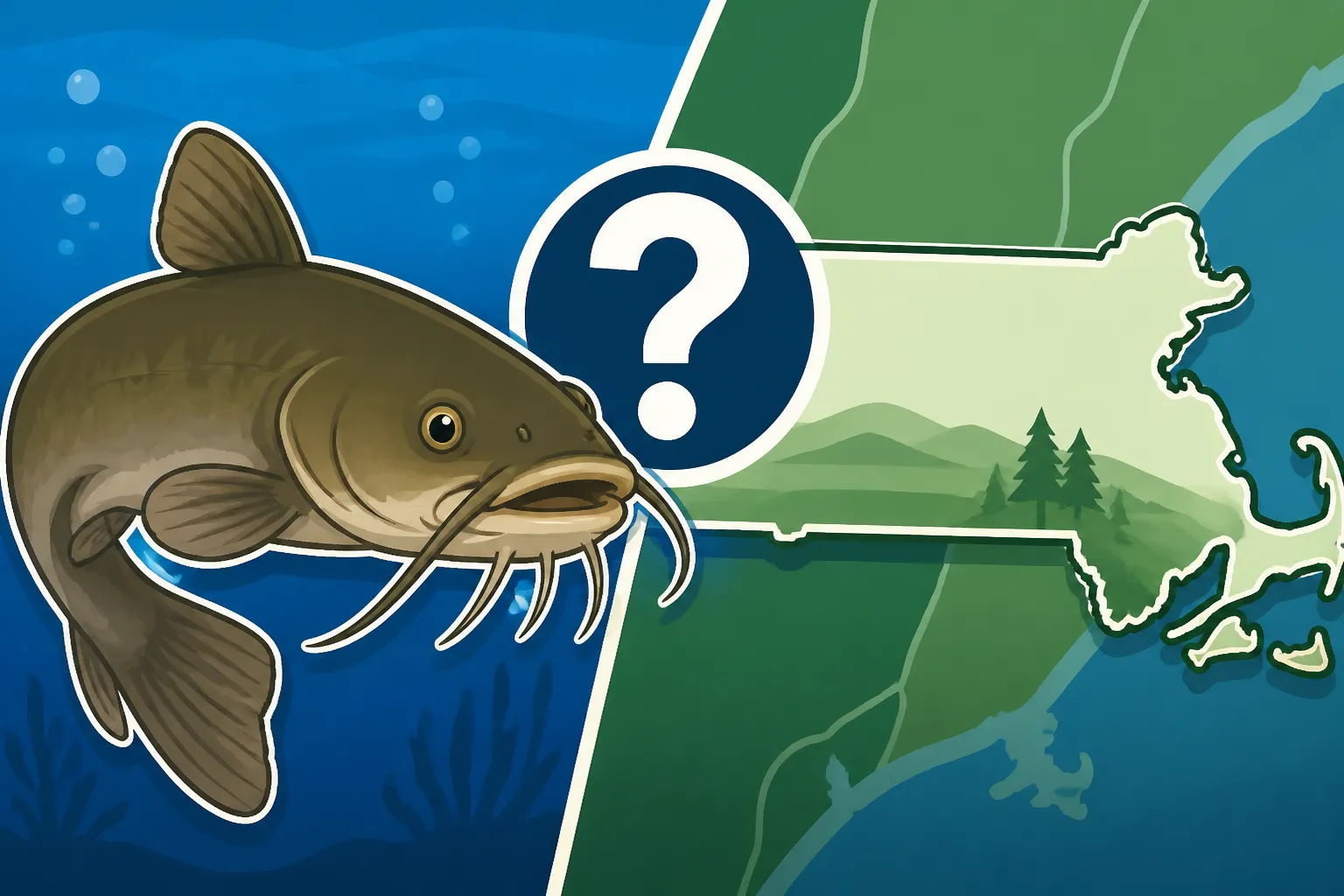
It's a question many curious anglers and nature enthusiasts ponder when they're looking at the murky depths of a Massachusetts pond: are those whiskered bottom-dwellers, the bullhead catfish, truly native to our Bay State waters? It's a fair question, especially with so many species moving around these days. The good news is, for the most part, yes, some species of bullhead catfish are indeed part of the natural aquatic tapestry of Massachusetts, and understanding their presence helps us appreciate our local freshwater ecosystems. This guide will dive deep into the world of Massachusetts bullhead catfish, exploring their native status, where to find them, and how they fit into our local environment.
The Bullhead Catfish in Massachusetts: A Local Resident?
Let's clear the water right away: yes, at least one species of bullhead catfish, the brown bullhead, is considered native to Massachusetts. It's not an introduced interloper that swam up from warmer climes or escaped from someone's backyard pond. Brown bullheads have been calling our ponds, lakes, and slow-moving rivers home for a very long time, long before any of us were casting lines. This might come as a surprise to some, who often associate catfish with more southern states, but these hardy fish are well-adapted to our New England climate.
Beyond the brown bullhead, you might also encounter yellow bullheads and, less commonly, black bullheads in Massachusetts. The yellow bullhead is also generally considered native, sharing much of the same natural range as the brown bullhead throughout the eastern United States. The black bullhead, while present in some areas, is often thought to have been introduced through stocking or accidental transfers from other regions. So, while you're definitely looking at a native species with a brown bullhead, the lineage of every whiskered friend you pull from the water might have a slightly different story depending on the exact species and location. Understanding these distinctions helps us appreciate the intricate history of our local fish populations.
These distinctions matter not just for bragging rights, but for understanding the health and history of our waterways. A native species has evolved alongside other local flora and fauna, forming a balanced part of the food web and ecosystem. Introductions, whether accidental or intentional, can sometimes disrupt that balance. But for brown and yellow bullheads, they're simply a part of what makes our Massachusetts waters unique. You'll find them mentioned in any comprehensive Freshwater Fish Species in Massachusetts guide, affirming their long-standing presence.
Identifying Your Massachusetts Bullhead Species
While all bullheads share that distinct catfish look – smooth, scaleless skin, barbels (whiskers) around the mouth, and pectoral and dorsal fins with sharp spines – there are subtle differences that can help you distinguish between the brown, yellow, and black varieties you might encounter in Massachusetts. It can be tricky, especially for a novice, but knowing what to look for can turn a simple catch into a fascinating identification challenge. Don't worry, even seasoned anglers sometimes have to take a closer look!
The brown bullhead is probably the most widespread and recognizable. They typically have a mottled brown to yellowish-green back, fading to a lighter, often yellowish belly. Their most distinguishing feature is usually the barbels: their chin barbels are often dark, matching their back, and they have serrations (like teeth on a saw blade) on the posterior edge of their pectoral spines. This robust species can thrive in a wide range of conditions, making them exceptionally common.
Yellow bullheads tend to be a bit more uniformly yellowish-brown, sometimes with a darker olive-brown back. The key identifier for them is their white or pale yellow chin barbels. Unlike the brown bullhead, their pectoral spines usually have weak serrations or are entirely smooth. They generally prefer clearer water than brown bullheads, though there's certainly overlap in habitat. If you pull up a catfish with striking yellow chin whiskers, you've likely found yourself a yellow bullhead.
The black bullhead, less common but certainly present in some Massachusetts waters, generally has a darker, more uniform coloration, ranging from dark olive to black, with a pale belly. Their chin barbels are typically dark, similar to the brown bullhead, but their most reliable identifying feature is often the base of their caudal (tail) fin, which tends to have a pale bar. Also, their pectoral spines lack serrations, or have very fine ones, making them feel smoother than a brown bullhead's. It's a fun challenge to try and tell them apart, and sometimes a good fish identification guide from Amazon can be incredibly helpful right there on the water.
| Feature | Brown Bullhead | Yellow Bullhead | Black Bullhead |
|---|---|---|---|
| Body Color | Mottled brown/greenish-yellow | Yellowish-brown, olive back | Dark olive to black, uniform |
| Chin Barbels | Dark (often mottled) | White or pale yellow | Dark |
| Pectoral Spines | Strongly serrated | Weakly serrated or smooth | Smooth or very finely serrated |
| Tail Fin Base | No distinct pale bar | No distinct pale bar | Often has a pale bar |
| Average Size (MA) | 8-14 inches, up to a few pounds | 6-12 inches, usually smaller | 6-12 inches, usually smaller |
| Native Status (MA) | Native | Native | Introduced (in most areas) |
Remember, these are general guidelines. Fish coloration can vary greatly depending on water clarity, diet, and even mood. When in doubt, it's always fun to observe and appreciate the catch before a careful release. This table should help clarify the differences you might encounter among the various Catfish Species Found in Massachusetts.
Where to Find Bullhead Catfish in Massachusetts Waters
So, now that you know they're here, where exactly do these whiskered bottom-feeders hang out? Bullhead catfish aren't particularly picky about their accommodations, which is part of their charm and why they're so widely distributed. They're definitely not the "picky eaters" of the fish world, which makes them a great target for casual anglers or those introducing kids to fishing.
Bullheads prefer slow-moving or stagnant waters with soft, muddy, or silty bottoms. Think warm, shallower areas with plenty of aquatic vegetation, submerged logs, or other cover. They're perfectly content in water that might seem a little too murky or "unappealing" for other species. This tolerance for less-than-pristine conditions is a testament to their hardiness and adaptability. You're not going to find them battling currents in a clear, rocky trout stream; they much prefer the quiet, food-rich floor of a pond.
In Massachusetts, this means you can expect to find them in a vast array of locations. Many of our smaller, warm-water ponds are absolutely teeming with them. Slow sections of larger rivers, backwater coves, and even some of the shallower, weedier areas of bigger lakes can hold healthy populations. Don't overlook urban ponds or those tucked away spots that might not get as much attention from anglers targeting more "glamorous" species. These are often prime bullhead territory. For instance, many of the Best Freshwater Ponds and Lakes in Massachusetts will hold bullheads, even if they aren't specifically famed for them. They're often an incidental catch, but a welcome one.
Some specific types of habitat to scout for bullheads include:
- Shallow coves and weed beds: Especially in the summer, these areas warm up, and the vegetation provides both cover and a rich food source.
- Muddy flats: Their sensitive barbels are perfectly designed for rooting around in soft mud for insects, worms, and decaying matter.
- Near submerged logs or brush piles: These structures offer protection and ambush points for their scavenging ways.
- Inlets and outlets of ponds: Where small streams flow in or out, carrying nutrients and potential food.
They are generally more active at night or during low-light conditions, so if you're targeting them, consider a twilight or evening fishing trip. That's when they really come out to forage and can offer some surprisingly consistent action.
Fishing for Massachusetts Bullhead Catfish
Catching bullhead catfish in Massachusetts is incredibly rewarding, especially for beginners or those looking for a relaxing day on the water without needing highly specialized gear. These fish are known for their feisty fight and their willingness to bite, making them a fantastic target. Plus, you don't need a boat or fancy electronics; shore fishing is often the most productive way to go!
The beauty of bullhead fishing lies in its simplicity. You don't need a high-tech setup. A basic spinning rod and reel combo, something you can pick up for a reasonable price at a local tackle shop or even on Amazon, will do the trick. A medium-light to medium action rod, about 6-7 feet long, spooled with 6-10 pound test monofilament line, is perfect. As for hooks, a size 4 to 1/0 circle hook or baitholder hook works wonderfully. Add a small sinker (1/4 to 1/2 ounce) a foot or so above the hook to keep your bait on the bottom, and you're good to go.
When it comes to bait, bullheads are opportunists, meaning they'll eat just about anything that smells appealing and fits in their mouth. This is where the fun really begins because you can experiment! Some of the most consistently effective baits include:
- Worms: Nightcrawlers or garden worms are absolute classics. Thread them onto the hook so they're wriggling enticingly.
- Chicken Liver: This is a bullhead magnet. The scent trail it puts out in the water is irresistible. Just make sure to use a sturdy hook and consider using a small piece of nylon stocking or cheesecloth to keep it on the hook if it's too soft.
- Dough Balls: Simple to make from flour, cornmeal, or even stale bread, often mixed with something smelly like garlic powder or cheese.
- Hot Dogs: Cut into small, hook-sized pieces, hot dogs can be surprisingly effective.
- Shrimp: Raw shrimp, especially if it's a bit older and smellier, can work wonders.
When you're fishing, cast your bait out into a likely bullhead spot – near weed beds, submerged structure, or muddy bottoms. Let it settle to the bottom and wait. Bullheads often give a gentle tugging bite, sometimes followed by a more assertive pull. There's no need for a dramatic hookset; just reel in the slack and lift the rod to set the hook. Remember their sharp spines! Handle them carefully, perhaps with a pair of pliers or a glove, to avoid an unpleasant poke. For more detailed insights, checking out articles like How to Catch Catfish in Massachusetts Ponds or Best Bait for Channel Catfish can give you even more specialized tips.
The Role of Bullhead Catfish in Massachusetts Ecosystems
Bullhead catfish, despite sometimes being overlooked or even dismissed by anglers chasing "glamour" species, play a vital and fascinating role in the freshwater ecosystems of Massachusetts. They are the unsung heroes of the aquatic clean-up crew, performing essential services that contribute to the overall health and balance of our ponds and slow-moving rivers. Their presence signifies a robust, if sometimes murky, environment, and understanding their ecological niche can deepen our appreciation for these unique fish.
Primarily, bullheads are bottom-dwelling scavengers and omnivores. This means they spend most of their time rooting around in the substrate, using those sensitive barbels to locate food. Their diet is incredibly varied and includes insects (larvae and adults), small crustaceans, snails, worms, small fish, fish eggs, and even decaying organic matter. Essentially, if it's on the bottom and edible, a bullhead will likely find it. This scavenging behavior is incredibly important for breaking down organic debris and recycling nutrients within the ecosystem. Think of them as the natural "vacuum cleaners" of the pond floor, preventing the build-up of detritus that could otherwise throw the ecosystem out of whack.
Their presence can also be an indicator of certain water conditions. Bullheads are famously hardy and tolerant of lower oxygen levels and warmer water temperatures than many other game fish. While they thrive in good conditions, they can also survive in habitats that might be marginal for trout or bass. This resilience allows them to occupy niches that other species can't, contributing to the overall biodiversity of a water body. However, it's worth noting that while they tolerate these conditions, excessively polluted or oxygen-depleted waters are still harmful to all aquatic life, including bullheads.
Furthermore, bullheads serve as an important food source for larger predatory fish and wildlife. While they might seem tough, juvenile bullheads are prey for bigger bass, pickerel, and even some birds of prey. This position in the food web reinforces their role as a crucial link in the chain, transferring energy from the bottom of the food chain up to higher predators. So, the next time you're out fishing and catch a bullhead, take a moment to appreciate the complex ecological dance they perform, silently contributing to the vibrant life that thrives beneath the surface of Massachusetts waters. They truly are an integral part of our local aquatic heritage, just like many other Freshwater Panfish Species in Massachusetts.
Disclaimer
This article is for general informational purposes only and does not constitute professional advice. Laws, prices and regulations vary by location and change over time. Consult a qualified professional for guidance on your specific situation.