Are White Perch Good to Eat?
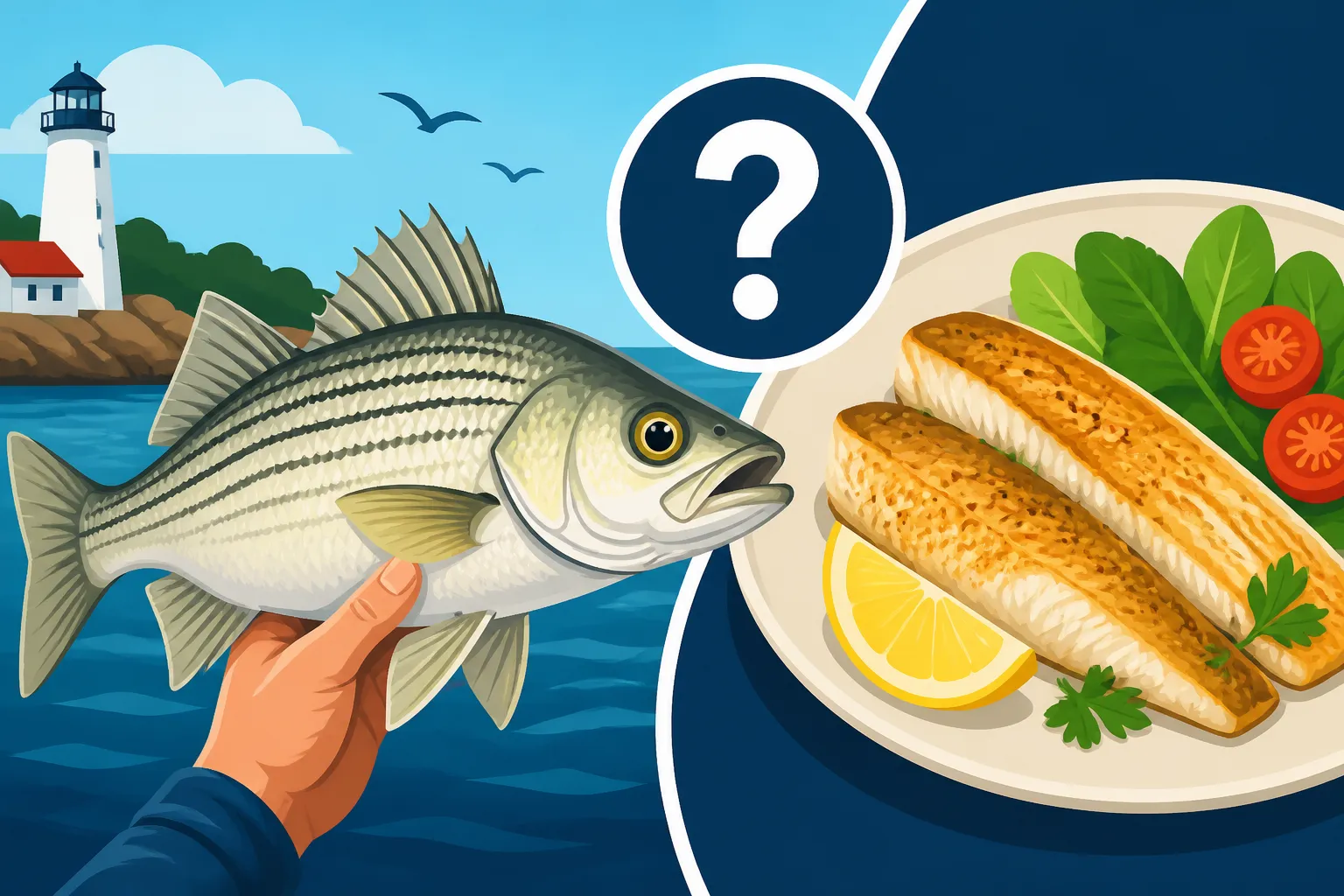
Many anglers in Massachusetts have caught white perch, those feisty little panfish that often school up in impressive numbers. But a common question that often follows a successful day on the water is, "Are white perch actually good to eat?" There's sometimes a hesitation, a wondering if they're worth the effort of cleaning and cooking compared to other more celebrated game fish. This guide is here to put those doubts to rest, diving deep into the culinary appeal of white perch, how to prepare them, and what makes them a delicious, often overlooked, addition to any angler's table.
The Flavor Profile of White Perch: A Pleasant Surprise
Let's get right to the heart of the matter: yes, white perch are absolutely good to eat! For those who might have preconceived notions about "panfish" being bland or muddy, white perch often defy these expectations, especially when caught from clean, cool waters. They offer a delicate, sweet flavor that is surprisingly versatile and can hold its own against many more popular species. It’s a taste that many compare to a mild ocean perch or even a subtle freshwater bass, but with its own distinct character.
The key to appreciating white perch lies in understanding their inherent qualities and how certain factors can subtly influence their taste. Much like with any wild-caught fish, the environment plays a significant role in the final product on your plate. If you've ever dismissed white perch as merely bait stealers or something only good for catching, you might be missing out on a truly delightful meal.
What to Expect from White Perch Meat
When you fillet a white perch, you’ll typically find white to off-white, somewhat translucent flesh. It's generally firm, yet flakes beautifully once cooked, offering a tender texture that isn't mushy or overly oily. Unlike some stronger-tasting fish, white perch meat has a clean aroma and a relatively low oil content, which contributes to its mild flavor. This lean profile also makes it a healthy choice for dinner.
The size of the fish can also influence the texture. Smaller perch, often referred to as "pan-sized," tend to have very delicate, fine flakes, perfect for quick frying. Larger specimens, say those pushing a pound or more, will yield thicker fillets with a slightly firmer texture, making them suitable for baking or grilling without falling apart. Don't be shy about targeting those slightly bigger fish; they offer more meat for your effort.
Factors Influencing Taste
As mentioned, a fish's environment is crucial. For white perch, several factors can influence their taste:
- Water Quality: This is perhaps the most significant factor. White perch from clean, clear waters, especially those with good current or from deep ponds, will invariably taste better. They are less likely to pick up earthy or muddy flavors sometimes associated with fish from stagnant or silty environments. When fishing, pay attention to the water conditions; a healthy-looking waterway usually means healthy-tasting fish.
- Diet: What a fish eats directly affects its flavor. White perch are opportunistic feeders, consuming insects, small crustaceans, and even tiny baitfish. A diverse, natural diet contributes to a cleaner, more pleasant taste. If you're catching them in areas rich with diverse aquatic life, you're likely in for a treat.
- Size: We touched on this with texture, but size can also subtly impact flavor. While all white perch are generally mild, some anglers find the very largest specimens can have a slightly more pronounced "fishy" flavor, which is still mild but perhaps less delicate than smaller ones. However, this is largely a matter of personal preference and proper preparation.
- Seasonal Variations: Just like many other fish, white perch can taste different throughout the year. During colder months, when their metabolism slows, their flesh tends to be firmer and less oily, often leading to a cleaner taste. In warmer months, especially after spawning, their flesh might be a bit softer or have a slightly different flavor. Experimenting with different seasons can help you find your personal preference.
Understanding these elements can help you identify the best places and times to catch white perch that are truly culinary delights. If you're wondering What a white perch is and where it's found, you'll find them in a huge variety of freshwater and brackish environments across Massachusetts, from coastal estuaries to inland ponds.
Preparing White Perch for the Table
Once you've decided to bring some white perch home, the next step is preparation. This is where you can truly elevate their flavor and ensure a delightful dining experience. Good preparation starts immediately after the catch and continues into the kitchen. Many anglers consider the effort of cleaning these smaller fish well worth it for the delicious outcome.
Cleaning and Filleting Tips
Proper handling is paramount for any fish you intend to eat, and white perch are no exception. The moment you catch them, get them on ice. This chills the fish quickly, preserving the quality of the meat and preventing spoilage, which can lead to off-flavors.
Cleaning white perch typically involves scaling them and then gutting them, or going straight to filleting. Given their size, many anglers opt to fillet them, which means less waste and no bones to contend with at the dinner table. Here’s a quick overview:
- Scaling (Optional but Recommended): While you can skin a white perch, scaling is often preferred if you plan to leave the skin on for cooking (which can add flavor and crispiness). Use a fish scaler, or even the back of a knife, to remove scales while holding the fish under running water.
- Filleting: This is where a sharp fillet knife is your best friend. Start by making an incision behind the gill plate, down to the backbone. Then, turn the blade flat and slice along the backbone towards the tail. Flip the fillet over and carefully remove the skin. Repeat on the other side. You'll end up with two boneless, skinless fillets per fish, or skin-on if you prefer. For smaller fish, you might just get tiny strips of meat, but they cook up fast and are incredibly tender. If you need a good fillet knife, check out options on Amazon.
- Rinsing: After filleting, give the fillets a quick rinse in cold water to remove any lingering scales or blood. Pat them dry thoroughly with paper towels before cooking; excess moisture can lead to steaming instead of a nice sear or crisp.
Taking the time to clean your fish properly makes all the difference in the final taste. If you're new to filleting, there are plenty of tutorials online, or you can practice on a few fish. The more you do it, the quicker and more efficient you'll become.
Popular Cooking Methods
White perch's mild flavor and flaky texture make them adaptable to many cooking styles. Here are some popular methods that truly bring out their best:
- Frying: This is arguably the most classic and beloved way to prepare white perch, especially for "pan-sized" fish. A light dredge in seasoned flour, cornmeal, or a simple breading, followed by a quick fry in hot oil, yields a crispy exterior and a tender, moist interior. This method is quick, easy, and incredibly satisfying. Think classic fish fry, perhaps with a side of coleslaw and hushpuppies.
- Baking: For a lighter option, baking white perch fillets is excellent. Place fillets on a baking sheet, drizzle with olive oil, season with salt, pepper, lemon juice, and your favorite herbs (dill, parsley, or thyme work wonderfully). Bake until the fish flakes easily with a fork. This method works well for slightly larger fillets.
- Grilling: If you have larger fillets or plan to cook whole, grilling can impart a fantastic smoky flavor. Marinate briefly in lemon-herb mixture, or simply brush with olive oil. Be sure to use a fish basket or foil for smaller fillets to prevent them from falling through the grates.
- Broiling: Similar to baking, broiling offers a quick cooking method and can create a lovely browned crust. Brush with butter or olive oil, season, and broil for a few minutes until cooked through. Keep a close eye on them as they cook very quickly!
- Poaching: For the most delicate preparation, poaching in white wine, broth, or water with aromatics yields incredibly tender, moist fish. This is a fantastic option if you want to use the perch in salads, tacos, or other dishes where you want the pure fish flavor to shine.
Regardless of the method, remember that white perch cook quickly due to their lean flesh. Overcooking will dry them out, so keep an eye on them! If you're looking for new recipe ideas, consider exploring freshwater fish cookbooks available on Amazon for inspiration.
| Cooking Method | Best For | Flavor/Texture Profile | Tips |
|---|---|---|---|
| Frying | Small fillets, whole fish | Crispy exterior, moist interior, classic flavor | Use light breading, don't overcrowd pan |
| Baking | Larger fillets | Tender, flaky, mild, good for delicate flavors | Season well, don't overcook, add lemon |
| Grilling | Medium to large fillets, whole fish | Smoky, firm, takes marinades well | Use fish basket or foil, oil grates to prevent sticking |
| Broiling | Fillets of any size | Quick cooking, lightly browned crust, moist | Watch carefully, cooks very fast, brush with fat |
| Poaching | Any fillets | Very delicate, moist, pure fish flavor | Use flavorful liquid (broth, wine), gentle heat |
Health Considerations and Consumption Advisories
When enjoying any wild-caught fish, it's always wise to be mindful of health considerations, and white perch are no different. While generally a healthy and nutritious food source, understanding potential advisories is important, especially in Massachusetts where environmental factors are closely monitored. The good news is that for most recreational anglers, enjoying white perch in moderation is perfectly fine.
Mercury Levels and Massachusetts Advisories
Like many fish, white perch can contain trace amounts of mercury, a naturally occurring element that accumulates in aquatic ecosystems. The Massachusetts Department of Public Health (MDPH) issues fish consumption advisories to help people make informed choices about eating locally caught fish. These advisories are based on studies of fish tissue and account for factors like species, size, and the specific water body.
Generally, smaller, shorter-lived fish like white perch tend to have lower mercury levels compared to larger, predatory, longer-lived species such as large tuna or swordfish. This is a common pattern in the aquatic food chain. However, it's still prudent to check advisories for the specific body of water you're fishing.
For general guidelines regarding mercury and other contaminants in fish caught in Massachusetts, you can often find information from the state's environmental and public health agencies. It's always a good idea to consult these resources, especially if you plan to eat fish frequently or are part of a sensitive population (e.g., pregnant women, young children). You can often find general information about Are There Mercury Warnings for Fish in Massachusetts? and Which Massachusetts fish carry consumption advisories on official state websites.
Best Practices for Sustainable and Healthy Consumption
Beyond just mercury, there are other best practices that contribute to both healthy eating and sustainable fishing:
- Know Your Waters: Be aware of the water quality where you’re fishing. Avoid consuming fish from areas known for industrial pollution, heavily urbanized waterways with poor runoff, or those with visible signs of contamination. While white perch are adaptable, clean water translates to clean-tasting and healthier fish.
- Rotate Your Catch: If you're an avid angler, try to vary the types of fish you eat. Don't solely rely on white perch, or any single species, for all your fish meals. This helps diversify your nutrient intake and minimizes potential exposure to any single contaminant.
- Practice Catch and Release for Spawners: Especially during spawning season, consider releasing some of the larger, egg-laden female white perch. This helps ensure healthy populations for future generations of anglers and fish fries.
- Follow Regulations: Always adhere to Massachusetts fishing regulations, including daily catch limits and any specific size restrictions. These rules are in place to manage fish populations sustainably. For instance, knowing the Massachusetts Freshwater Daily Catch Limits will help you stay within legal and sustainable boundaries.
- Proper Storage: Once caught, store your fish properly on ice and process them quickly. This not only maintains the best flavor but also reduces the risk of bacterial growth.
By adopting these practices, you can enjoy the delicious bounty of Massachusetts white perch with confidence and responsibility.
White Perch in the Massachusetts Diet: An Unsung Hero
White perch, though often overshadowed by their larger, flashier cousins like striped bass or trout, hold a special place in the hearts (and stomachs) of many Massachusetts anglers. They’re abundant, often easy to catch, and provide a fantastic eating experience. For families, especially, they offer an accessible and rewarding fishing target that can lead to a memorable meal.
Catching White Perch in Massachusetts
You can find white perch throughout Massachusetts, thriving in a variety of habitats. They are incredibly adaptable, inhabiting everything from brackish coastal estuaries and tidal rivers to large freshwater lakes and even smaller ponds. This widespread distribution makes them an excellent target for anglers of all skill levels. Often, if you're fishing for other panfish like yellow perch or crappie, you'll encounter white perch.
They're not picky eaters, which is another reason for their popularity. Small jigs, worms, minnows, or even tiny spinners can be incredibly effective. They tend to school, so where you catch one, you’re likely to find more, often leading to fast and furious action. This makes them a perfect target for a fun outing, especially if you’re introducing kids to fishing. Many Best Freshwater Ponds and Lakes in Massachusetts will hold thriving populations of white perch. You might find great success using simple setups, and if you need basic fishing tackle, Amazon is a convenient place to find a wide array of options.
Beyond the Frying Pan: Other Creative Ways to Enjoy White Perch
While fried white perch is a culinary classic, their mild flavor and firm, flaky texture lend themselves to many other creative dishes. Don't limit yourself!
- Fish Tacos: Flaked, seasoned, and lightly fried or grilled white perch fillets make incredible fish tacos. Top with a fresh slaw, a squeeze of lime, and your favorite salsa for a vibrant meal.
- Fish Cakes: Cooked and flaked white perch meat can be combined with mashed potatoes, herbs, and breadcrumbs, formed into patties, and pan-fried or baked. These are excellent appetizers or light lunch options.
- Ceviche: For a no-cook option, thin slices of very fresh white perch can be "cooked" in citrus juices (lime, lemon), along with diced onions, cilantro, and chili peppers. The acidity of the citrus denatures the proteins, giving the fish a cooked appearance and firm texture. This requires exceptionally fresh fish.
- Fish Chowder: White perch can be a fantastic addition to a hearty fish chowder. Their mild flavor won't overpower the other ingredients, and their flakiness adds pleasant texture.
- Baked with Vegetables: Layer white perch fillets with sliced vegetables like bell peppers, onions, tomatoes, and herbs, then bake in foil packets. This steams the fish and vegetables together, creating a healthy and flavorful meal with minimal cleanup.
The versatility of white perch means you can experiment with different cuisines and preparations, making them a truly rewarding catch. Next time you're out fishing in Massachusetts, and those white perch start biting, don't just consider them a nuisance or a warm-up act. Think of them as a fantastic opportunity for a delicious, fresh meal, ready to be transformed into something truly special in your kitchen. Whether you’re fishing the Connecticut River Fishing in Massachusetts or a small local pond, these fish are a hidden gem.
Disclaimer
This article is for general informational purposes only and does not constitute professional advice. Laws, prices and regulations vary by location and change over time. Consult a qualified professional for guidance on your specific situation.