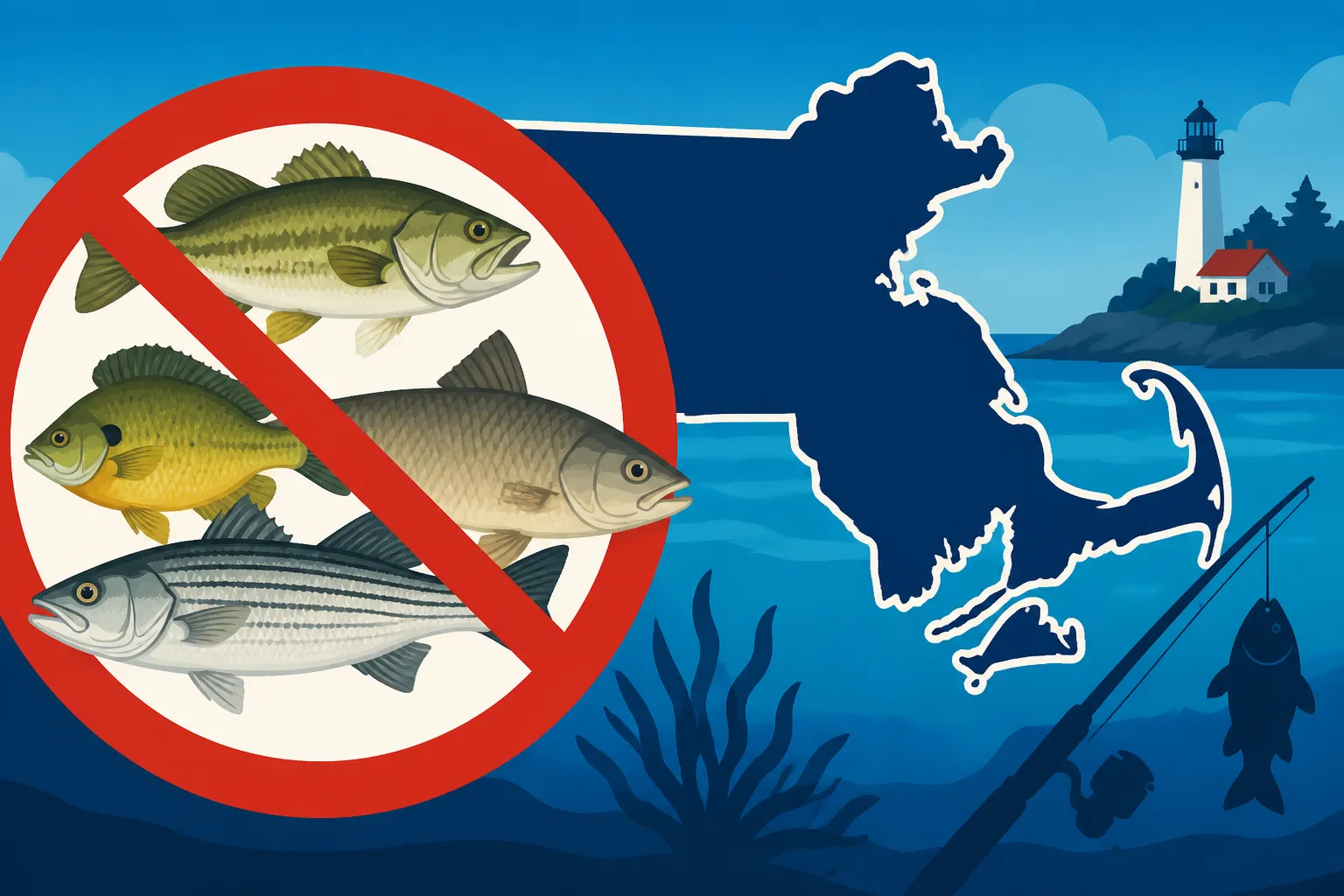
Which Massachusetts fish carry consumption advisories
There's nothing quite like the satisfaction of reeling in a beautiful fish from one of Massachusetts's many stunning waterways. You've put in the time, honed your skills, and now you have a fresh catch. But then a thought might creep in: "Is this fish actually safe to eat?" It's a completely valid concern. With so much talk about environmental contaminants, it's easy to feel a bit lost about which fish are okay to take home for dinner and which are better left to swim another day, or at least consumed sparingly. This guide is here to cut through the confusion and provide a clear, empathetic look at the fish consumption advisories in Massachusetts, helping you make informed choices for yourself and your family.
Understanding Massachusetts Fish Consumption Advisories
When you hear about "fish consumption advisories" in Massachusetts, it's not meant to scare you away from fishing entirely. Instead, think of these as helpful guidelines designed by health experts to ensure that anglers can enjoy their catches without unknowingly exposing themselves to harmful substances over time. They're about smart choices, not fear.
Why Do We Have Advisories?
The unfortunate truth is that our environment isn't always as pristine as we'd like it to be. Contaminants can find their way into our waters from a variety of sources, both historical and ongoing. The most common culprit we hear about is mercury, largely from industrial air pollution that settles into rivers, lakes, and oceans. Once in the water, microorganisms convert it into methylmercury, which then accumulates in fish through their diet. The larger and older the fish, especially predatory ones, the more mercury they tend to have. This process is called bioaccumulation, and it's a key reason why eating certain species from certain areas might carry a warning.
Beyond mercury, other substances like Polychlorinated Biphenyls (PCBs), dioxins, and more recently, Per- and Polyfluorofluoroalkyl Substances (PFAS) can also be present. PCBs and dioxins are often legacy pollutants from past industrial practices, lingering in sediments and accumulating in fish that live and feed near the bottom. PFAS are "forever chemicals" found in countless consumer and industrial products, and they've shown up in some aquatic environments. These advisories aren't about getting sick immediately after eating one fish; they're about the potential long-term health effects that could arise from regular, unchecked consumption of contaminated fish. It's a proactive measure to protect public health.
Who Are These Advisories For?
While fish consumption advisories apply to everyone, certain groups are considered more vulnerable and therefore have stricter recommendations. These include pregnant women, nursing mothers, young children (typically under 12 years old), and women who are planning to become pregnant. Why these groups? Their developing nervous systems and organs are much more susceptible to the harmful effects of contaminants like mercury. For example, mercury can cross the placental barrier and be passed through breast milk, directly impacting a developing fetus or infant.
For the general adult population, the advisories still recommend moderation and smart choices, but the guidelines are often less restrictive. It's about cumulative exposure. If you're an avid angler who brings home fish for dinner several times a week, paying close attention to these advisories becomes even more crucial than for someone who enjoys a fresh catch only a few times a year. We all want to enjoy the bounty of Massachusetts's waters, but doing so safely requires a little homework.
Common Contaminants and Affected Fish Species in Massachusetts
Navigating fish advisories can feel like trying to solve a puzzle, but understanding the main contaminants and which fish species are most likely to be affected can simplify things considerably. It's not about every fish in every water body; it's about patterns and specific local conditions.
Mercury: The Most Widespread Concern
Mercury is by far the most common reason for fish consumption advisories across Massachusetts, both in freshwater and saltwater. It's a naturally occurring element, but human activities, primarily coal-burning power plants, release significant amounts into the atmosphere. This atmospheric mercury then settles into our lakes, rivers, and oceans. Once there, bacteria convert it into methylmercury, a highly toxic form that accumulates in fish tissue.
The general rule of thumb with mercury is that it's more prevalent in longer-lived, predatory fish higher up the food chain. In freshwater, you'll often find advisories for species like Largemouth Bass Fishing in Massachusetts and Smallmouth Bass Fishing in Massachusetts, as well as Chain Pickerel and Northern Pike. These fish are apex predators in many Massachusetts ponds and lakes, meaning they eat smaller fish that have already accumulated some mercury. Even larger, older trout, especially those from certain impoundments, can sometimes carry advisories. When you're thinking about a meal, choosing smaller, younger fish (within legal limits) of these species is generally a safer bet, as they haven't had as much time to accumulate contaminants.
For saltwater anglers, the concern shifts to open ocean predators. Tuna, particularly larger species like Bluefin Tuna, are known for higher mercury levels. Swordfish and various shark species are almost always on advisory lists due to their long lifespans and position at the top of the marine food web. King Mackerel and some types of Tilefish also frequently appear. On the other hand, smaller, fast-growing species that feed lower on the food chain, such as many types of flounders or mackerel (excluding king mackerel), often have lower mercury levels and fewer restrictions. Keep in mind that Massachusetts works closely with federal guidelines, so fish caught further offshore might still fall under these broader recommendations. For a more detailed breakdown, you might want to consult the Are There Mercury Warnings for Fish in Massachusetts? guide.
PCBs, Dioxins, and PFAS: Localized Issues
While mercury is a more widespread concern, other contaminants like PCBs, dioxins, and PFAS tend to be more localized. These are often tied to specific historical industrial sites or present-day sources, meaning they don't affect every water body in the same way. PCBs and dioxins are persistent organic pollutants that were used in various industrial applications decades ago. Even though their use is largely banned, they linger in the environment, especially in river and lake sediments. Fish that live and feed near these sediments, like bottom-dwelling species or those that spend their lives in particular stretches of impacted rivers, are more likely to accumulate these substances.
For these contaminants, you'll typically see advisories for fish like Catfish, Carp, and American Eels. These species are often bottom feeders or inhabit waters that historically received industrial discharges. Certain stretches of major rivers like the Connecticut River or the Merrimack River, especially near older industrial centers, have had advisories for these types of contaminants. Similarly, some urban ponds or lakes adjacent to former industrial areas might have specific warnings. These aren't ubiquitous issues across the entire state, but rather pinpointed concerns.
More recently, PFAS chemicals, sometimes called "forever chemicals," have become a focus of environmental and health agencies. These chemicals are highly stable and can persist in the environment for a very long time, accumulating in water, soil, and wildlife, including fish. Like PCBs and dioxins, PFAS advisories tend to be very site-specific, often linked to areas where fire-fighting foams containing PFAS were used, or industrial sites. If you plan to fish in a lesser-known pond or a water body near a particular industrial history, it's especially important to check local advisories. Understanding Freshwater Fish Species in Massachusetts and Saltwater Fish Species in Massachusetts and their typical habitats can give you a head start in understanding potential risks.
Practical Guidelines for Safer Fish Consumption
So, how do you actually put all this information into practice? It's not about memorizing every single advisory for every single pond in Massachusetts. It's about developing smart habits and knowing where to look for the most current information.
Checking Local Advisories: Your First Step
Before you even cast your line with the intent of keeping your catch, your very first step should always be to check the latest local fish consumption advisories. This is where the rubber meets the road. The Massachusetts Department of Public Health (DPH) is the primary agency responsible for issuing these health-based advisories. Their website is typically the go-to resource, often providing interactive maps or searchable databases that allow you to pinpoint specific lakes, ponds, or river segments. MassWildlife, the state's Division of Fisheries and Wildlife, also plays a crucial role in monitoring fish populations and water quality and often directs anglers to DPH resources.
Don't rely on outdated information or hearsay. Advisories can change, either becoming more or less restrictive, as new data emerges or as environmental conditions improve (or unfortunately, sometimes worsen). What was true for a specific pond five years ago might not be true today. A quick search for "Massachusetts fish consumption advisories DPH" will usually lead you to the most current information. Always remember that these advisories are incredibly specific: they often name the exact water body, the specific fish species within that water body, and the recommended limits for different demographic groups. For example, a particular pond might have a "no consumption" advisory for Carp but allow limited consumption of panfish like Yellow Perch. You can also look for the official Massachusetts Fishing Regulations Pamphlet, Explained which often has references or links to these advisories.
Smart Practices for Preparing and Eating Your Catch
Even if a fish comes from a water body with some advisories, there are often ways to reduce your exposure to certain contaminants, especially PCBs, dioxins, and PFAS, which tend to accumulate in fatty tissues. Mercury, however, is stored in the muscle tissue, so cleaning methods won't remove it.
Here are some practical tips for preparing your fish:
- Trim the Fat: For contaminants like PCBs, dioxins, and PFAS that are fat-soluble, carefully trimming all the visible fat from the fish can help reduce your exposure. This means removing the skin, the fatty belly flap, and any dark meat along the lateral line.
- Remove Organs: Always discard the internal organs, as these can accumulate higher concentrations of certain contaminants.
- Choose Smaller Fish: Within legal size limits, opt for smaller, younger fish of a species. As mentioned, older and larger fish tend to have accumulated more mercury over their lifespan. This is particularly relevant for species like Striped Bass Fishing in Massachusetts or larger freshwater predators.
- Cooking Methods: While cooking doesn't eliminate contaminants like mercury, methods that allow fat to drain away, such as baking, broiling, or grilling on a rack, can help reduce the levels of fat-soluble contaminants. Frying often seals contaminants into the fish.
- Vary Your Diet: Don't put all your eggs (or fish!) in one basket. If you're a regular angler, try to vary the types of fish you eat and the locations you fish. This helps spread out any potential exposure to specific contaminants.
- Portion Control: Pay attention to recommended portion sizes. A typical portion is about the size and thickness of your palm.
To help visualize this, here's a general guide for common contaminants:
| Contaminant Type | Primary Location in Fish | Cleaning/Preparation Impact | Primary Affected Fish Species | Key Advisory Group |
|---|---|---|---|---|
| Mercury | Muscle Tissue | Minimal | Larger Bass, Pike, Pickerel, Tuna, Swordfish, Shark | Pregnant/Nursing Women, Young Children |
| PCBs, Dioxins | Fatty Tissues | Significant | Catfish, Carp, Eels, older bottom feeders (site-specific) | All populations, stricter for vulnerable groups |
| PFAS | Fatty Tissues, Organs | Significant | Various (site-specific, often bottom feeders/predators) | All populations, stricter for vulnerable groups |
You can find excellent filleting knives and guides on fish preparation on sites like Amazon, which can help ensure you're cleaning your catch as effectively as possible to minimize any risks. Always remember to check Massachusetts Recreational Fishing Rules and Bag Limits for size and creel limits before keeping any fish.
Integrating Safety into Your Massachusetts Fishing Experience
The goal here isn't to make you hesitant about hitting your favorite fishing spot; it's to empower you with knowledge. Fishing is a cherished part of Massachusetts culture and a fantastic way to connect with nature.
Balancing Enjoyment and Health
It's crucial to understand that fish consumption advisories are not a blanket ban on fishing or eating fish. They are a tool to help you make informed decisions. Many of Massachusetts's waters offer healthy, safe fish for consumption, especially if you follow the guidelines. For those waters or species with stricter advisories, you always have the option of catch-and-release. Fishing for sport, enjoying the thrill of the fight, and then letting that trophy fish go is an incredibly rewarding experience in itself. This is especially true for those larger, older fish that are more likely to have accumulated higher levels of contaminants.
Think of it as adding another layer to your angling expertise. Just as you learn about the best baits, tides, or casting techniques, understanding fish advisories becomes part of being a responsible and well-informed angler. If a particular Massachusetts lake or pond has an advisory for Largemouth Bass, you might decide to focus on panfish like Bluegill or Perch, which often have fewer restrictions, or simply enjoy the bass fishing purely for the sport of it. Your local sporting goods store, or even a quick search on Amazon, can offer a variety of catch-and-release tools like specialized nets or de-hookers to minimize harm to the fish you plan to release.
Responsible Angling and Conservation
Understanding fish consumption advisories also ties into a larger picture of environmental stewardship and conservation. These advisories are a symptom of broader environmental issues, and by staying informed, you become a more knowledgeable advocate for cleaner waters. When you support organizations like MassWildlife or participate in local conservation efforts, you're helping to address the root causes of contamination, which ultimately leads to healthier fish and safer consumption for everyone.
The state regularly monitors water quality and fish health, and these efforts are often funded, in part, by fishing license sales. So, when you purchase your Massachusetts Fishing License Guide, you're contributing to the very systems that help keep you informed and work towards a healthier aquatic environment. Ultimately, responsible angling means not just following the rules, but also understanding the ecosystem you're engaging with, and making choices that ensure both your health and the long-term health of Massachusetts's precious fish populations.
Disclaimer
This article is for general informational purposes only and does not constitute professional advice. Laws, prices and regulations vary by location and change over time. Consult a qualified professional for guidance on your specific situation.