Are There Crappie in Massachusetts Lakes?
If you've ever found yourself wondering if those feisty, panfish favorites—crappie—are lurking in the ponds and lakes across Massachusetts, you're certainly not alone! Many anglers, especially those new to freshwater fishing in the Bay State or those accustomed to crappie hotbeds elsewhere, often ask this exact question. This comprehensive guide is here to put your mind at ease and equip you with all the knowledge you need to successfully target black and white crappie right here in Massachusetts, covering where to find them, what gear works best, and key techniques to bring these delicious fish to your net.
Yes, Crappie Thrive in Massachusetts Waters!
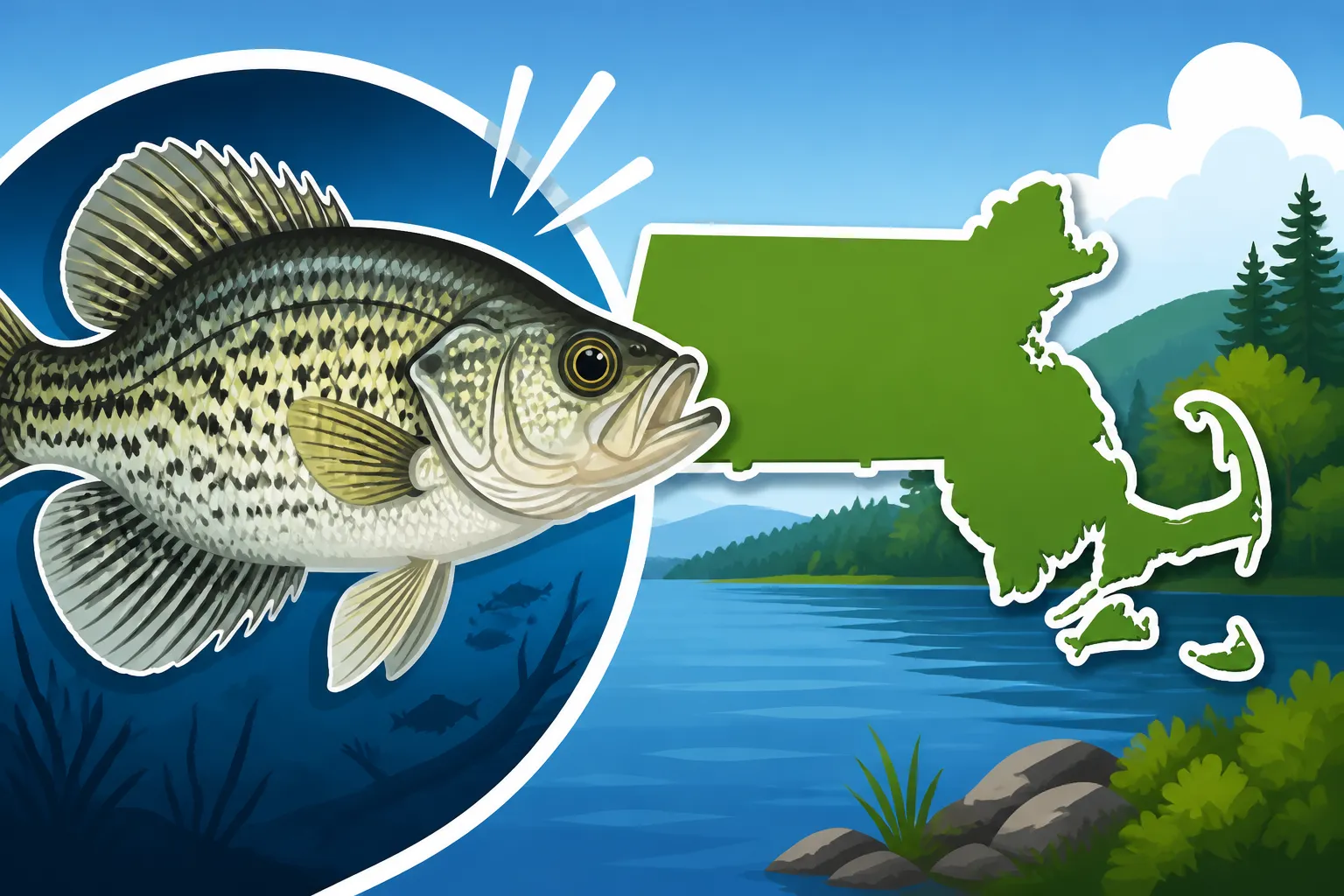
Let's clear the air right away: absolutely, crappie are present in Massachusetts lakes, ponds, and even some slow-moving river sections. While perhaps not as widely publicized as our trout or bass fisheries, crappie fishing is a beloved pastime for many Bay State anglers, offering fast-paced action and excellent table fare. You'll primarily encounter two species of crappie here: the black crappie (Pomoxis nigromaculatus) and, less commonly but still present, the white crappie (Pomoxis annularis). Knowing the difference can sometimes help in understanding their habitat preferences, though for practical fishing purposes, the techniques often overlap.
Black crappie are the more widespread of the two in Massachusetts. They tend to prefer clearer, cooler waters with plenty of vegetation, submerged timber, or other complex cover. Their bodies are typically silver to gold-green, adorned with irregular black blotches and spots, giving them a speckled appearance. Their dorsal fin usually has 7 or 8 spines, a key identifier. White crappie, on the other hand, often prefer murkier, warmer waters and are typically found in larger river systems or reservoirs, though they can co-exist with black crappie. They have distinct vertical bars or stripes on their silvery bodies and typically possess 5 or 6 dorsal fin spines. Both species are known for their distinctive "paper thin" mouths, which require a gentle hand when setting the hook.
These fish are part of the sunfish family, and like their cousins, they're schooling fish. This is fantastic news for anglers because if you catch one, there are often many more nearby! This schooling behavior makes them a prime target for a fun day out, whether you're bringing the kids along or just looking for some steady action. They're also incredibly popular for their delicate, flaky white meat, making them a fantastic addition to any angler's dinner plate. You can learn more about various species in the state by checking out our guide on Freshwater Fish Species in Massachusetts.
| Feature | Black Crappie | White Crappie |
|---|---|---|
| Appearance | Silvery with irregular black blotches/spots | Silvery with 5-10 distinct vertical bars/stripes |
| Dorsal Fin Spines | 7-8 (typically) | 5-6 (typically) |
| Preferred Habitat | Clearer, cooler water, abundant vegetation/cover | Murkier, warmer water, larger rivers/reservoirs |
| Prevalence in MA | More widespread | Less common, but present |
| Body Shape | Slightly deeper, more rounded body | More elongated body |
Top Spots to Find Crappie in Massachusetts
While crappie can be found in a surprising number of freshwater bodies across Massachusetts, some locations are particularly well-known for producing good numbers and sizes of these speckled beauties. When you're looking for crappie, think about their preferred habitat: areas with plenty of submerged structure like fallen trees, brush piles, docks, bridge pilings, and dense aquatic vegetation. They love to ambush baitfish from these hiding spots.
One excellent area to explore is Lake Quinsigamond, straddling the border of Worcester and Shrewsbury. This large, diverse body of water offers numerous coves and inlets with the kind of cover crappie adore. Anglers often find success around the many docks and moored boats, or by seeking out brush piles and weed beds. Similarly, Long Pond in Lakeville/Freetown is another perennial favorite for crappie, boasting extensive shallow areas with submerged wood and vegetation where crappie congregate.
Beyond these larger bodies, don't overlook smaller, often overlooked ponds. Many of the medium-sized ponds throughout southeastern Massachusetts and the central part of the state hold healthy crappie populations. It often pays to do a little research with local bait shops or fishing forums to find out about specific hotspots in your area. Look for ponds that have good public access, whether it's a boat ramp or shore fishing opportunities. Remember, always confirm you have the proper Massachusetts Fishing License Guide before heading out.
When exploring new spots, a good quality sonar unit on your boat or kayak can be invaluable for identifying submerged structure and schools of fish. Even from shore, scanning the water for visible cover, like overhanging trees or old dock pilings, can point you in the right direction. Crappie often suspend at certain depths, so don't just fish the bottom or surface; experiment with different depths until you find where they're holding. Our guide on Best Freshwater Ponds and Lakes in Massachusetts can offer more general inspiration for freshwater excursions.
Essential Gear and Techniques for Crappie Fishing
Crappie fishing doesn't require a huge investment in specialized gear, which is part of its charm. It's accessible to just about anyone, and many of the lures and baits you might already have for other panfish or even trout can do double duty for crappie.
Rods, Reels, and Line
For crappie, a lightweight setup is key. A light to ultra-light spinning rod, typically in the 5 to 7-foot range, paired with a small spinning reel (size 500 to 1000) is perfect. This setup allows for delicate presentations and maximizes the fun of fighting these light-mouthed fish. As for line, 4 to 6-pound test monofilament or fluorocarbon is usually ideal. Some anglers prefer a very thin braided line (around 6-8 pound test) for its sensitivity, often with a fluorocarbon leader for stealth. You can find excellent options for these setups on online retailers like Amazon, offering a wide range of brands and price points to fit any budget.
Baits and Lures
This is where the fun begins! Crappie aren't overly picky, but certain presentations are consistently effective.
- Live Bait: Minnows are king when it comes to crappie. A small live minnow (1-2 inches) fished under a bobber or slowly retrieved on a small jig head is deadly. Worms, especially smaller pieces of nightcrawlers or red wigglers, can also be effective, particularly for a mixed bag of panfish.
- Jigs: Small artificial jigs are incredibly popular and effective. Think 1/32 to 1/16 ounce jig heads tipped with soft plastic bodies.
- Plastic Tubes: Small tube baits (1.5-2 inches) in white, chartreuse, or black/chartreuse combinations are perennial favorites.
- Grubs/Paddle-tails: Tiny grubs or paddle-tail swimbaits in similar colors work wonders.
- Marabou Jigs: These feathery jigs have excellent action in the water and are a classic crappie lure.
- Spider Jigs: These imitate small crayfish or insects and can be very effective when crappie are focused on subsurface invertebrates.
- Small Spinners: Tiny inline spinners or beetle spins, especially in silver or gold, can also entice crappie, particularly when they're actively feeding.
Experimentation is key, but having a selection of these smaller baits on hand, perhaps a multi-pack of crappie jigs available from Amazon, will set you up for success.
Techniques for Success
- Bobber Fishing: This is perhaps the most common and easiest method. Suspend a live minnow or a small jig under a sensitive slip bobber at various depths until you find the fish. This is excellent for fishing around docks, brush piles, or weed edges.
- Vertical Jigging: If you're fishing from a boat or kayak and have located a school of crappie on your fishfinder, vertical jigging can be incredibly effective. Drop a jig directly down to their depth and use subtle lifts and drops of your rod tip to impart action. This is also a go-to technique for Ice Fishing in Massachusetts when crappie are a target.
- Casting and Retrieving: Cast a small jig or spinner towards structure and slowly retrieve it. Vary your retrieve speed and depth until you get bites. Sometimes a steady retrieve works, other times a stop-and-go action is best.
- Trolling/Drifting: For larger bodies of water, slowly trolling or drifting a minnow or small jig can cover more water and help you locate schools of crappie. This is especially useful when the fish are suspended in open water.
Remember to be gentle when setting the hook due to their fragile mouths. A sweeping motion rather than a hard jerk is often best. Crappie tend to school by size, so if you catch a small one, there might be more small ones. If you hit a keeper, keep fishing that exact spot! It's a good idea to refresh yourself on the Massachusetts Freshwater Daily Catch Limits before you head out.
Best Times to Target Crappie in Massachusetts
Knowing when to fish for crappie can significantly increase your chances of success. Like many fish species, crappie behavior is heavily influenced by water temperature, light conditions, and spawning cycles.
Seasons for Crappie Fishing
- Spring (Pre-spawn and Spawn): This is arguably the absolute best time to catch crappie in Massachusetts. As water temperatures rise into the 50s and 60s Fahrenheit (roughly April through early June, depending on the year), crappie move into shallow water to spawn. They'll be concentrated around submerged brush, stumps, weed beds, and even sandy bottoms in just a few feet of water. They're aggressive and relatively easy to locate during this period.
- Summer: As waters warm up in July and August, crappie tend to move to deeper, cooler water. You'll find them suspended over humps, along channel edges, or in the shade of docks and bridge pilings. Fishing early morning, late evening, or at night can be particularly productive during the summer months when they become more active.
- Fall: As water temperatures begin to drop, crappie move back to moderate depths and can be quite active, feeding heavily to prepare for winter. They'll often school up near remaining green weeds, submerged timber, or deep creek channels. This can be another excellent time for consistent action before the deep freeze sets in.
- Winter (Ice Fishing): Crappie are a fantastic ice fishing target in Massachusetts. Once safe ice forms, you can often find large schools suspended under the ice in deeper sections of ponds and lakes. Tiny jigs tipped with a grub or a small minnow are deadly through the ice. Keep an eye on local conditions for safe ice thickness.
Time of Day and Weather Considerations
Crappie are often more active during low-light conditions. This means early mornings and late evenings are prime times, especially during warmer months. Overcast days can also provide good fishing throughout the day, as the cloud cover reduces light penetration, making crappie feel more comfortable moving out from heavy cover.
While not as sensitive to barometric pressure changes as some other species, a stable weather pattern is generally better than rapidly changing conditions. After a cold front, crappie might become a bit more lethargic and move deeper, requiring a slower presentation. Conversely, a warm front can make them more active. You can find a general overview of the fishing calendar in Massachusetts Freshwater Fishing Season Calendar.
Remember that crappie are often found near other panfish like yellow perch. If you're targeting crappie, don't be surprised if you hook into a few yellow perch, and vice-versa. You might even want to check out our specific guide on Yellow Perch Fishing in Massachusetts to maximize your panfish efforts. Learning to identify these different species is also important, so a quick look at the Massachusetts Fish Identification Guide can be helpful before your trip. Always be sure to possess your current Massachusetts Fishing License Guide, and be aware of any specific fees like the Massachusetts Resident Fishing License Cost if you are a local. Good luck out there, and tight lines!
Disclaimer
This article is for general informational purposes only and does not constitute professional advice. Laws, prices and regulations vary by location and change over time. Consult a qualified professional for guidance on your specific situation.