Massachusetts Freshwater Fishing Season Calendar
Trying to make sense of the Massachusetts freshwater fishing calendar can feel like deciphering a secret code sometimes, with different species having their own peak times, stocking schedules, and regulations. It’s frustrating when you just want to know when and where to cast your line for the best chance of success, without inadvertently breaking any rules. This comprehensive guide will untangle the complexities, offering a realistic, season-by-season breakdown to help you plan your freshwater fishing adventures across the Bay State with confidence.
Understanding the Massachusetts Freshwater Fishing Landscape
Massachusetts might be famous for its coastline, but trust me, the freshwater fishing opportunities here are absolutely stellar and incredibly diverse. From tranquil ponds tucked away in state forests to sprawling reservoirs and winding rivers, there's a body of water and a target species for every angler. However, this richness also means a bit more homework when it comes to understanding the when and how to fish legally and effectively.
Why Freshwater Seasons Matter So Much
Unlike some warmer climates where fishing is a pretty consistent year-round affair in open waters, Massachusetts experiences four distinct seasons. Each season brings dramatic shifts in water temperature, fish behavior, and ultimately, the best fishing techniques and locations. Fish, like most wildlife, respond directly to these environmental cues. Understanding the seasonal rhythms isn't just about what's legal; it's about what makes practical sense for catching fish. Trying to catch largemouth bass on topwater lures in February, for instance, is likely to be a frustrating, fish-less endeavor.
Moreover, certain species have specific regulatory periods designed to protect spawning fish or manage populations. Ignoring these seasons can lead to fines, but more importantly, it undermines the conservation efforts that keep our fisheries healthy and abundant for future generations. It’s about being a responsible steward of the resources we love to enjoy, ensuring those exhilarating moments on the water continue for years to come.
The Role of MassWildlife in Managing Fisheries
Massachusetts's freshwater fisheries are carefully managed by the Massachusetts Division of Fisheries and Wildlife, affectionately known as MassWildlife. These dedicated folks are the backbone of our fishing opportunities, from setting regulations to undertaking extensive Massachusetts Trout Stocking Schedule programs that enhance our waters with millions of fish each year. They conduct surveys, monitor fish populations, and adjust rules to ensure sustainability.
Their work involves a lot of science, but also a deep understanding of angler needs and local ecosystems. Without MassWildlife's efforts, the quality and accessibility of freshwater fishing in Massachusetts would be vastly different. They are the ones who publish the annual fishing regulations pamphlet, a crucial document that every angler should consult. You can often find a copy at local bait shops or online through the MassWildlife website.
Navigating the Nuances of Catch-and-Release vs. Harvest Seasons
It’s important to realize that "season" doesn't always mean you can just keep whatever you catch. For many species, especially popular ones like trout and bass, there's often an opportunity for catch-and-release fishing outside of the harvest season, or specific rules about minimum sizes and daily bag limits. For example, you might be able to fish for a species year-round, but only keep them during certain months, or only if they fall within a specific size range.
This distinction is vital for conservation. Catch-and-release allows fish populations to thrive and grow, providing sustained angling enjoyment, while regulated harvest ensures that a healthy portion of the population can be taken home for the dinner table. Always double-check the current Massachusetts Freshwater Daily Catch Limits and size restrictions for your target species and water body, as these can change year to year.
Key Freshwater Fish Species and Their Seasons
Massachusetts boasts an impressive array of freshwater species, each with its own preferred habitat, feeding patterns, and optimal fishing times. Knowing your target fish is the first step to understanding when and how to approach them throughout the year.
Trout: The Year-Round Favorite
Trout fishing is arguably the most popular freshwater pursuit in Massachusetts, largely due to MassWildlife's aggressive stocking program. While natural populations of brook trout exist in cold, clear streams, the bulk of the action comes from stocked rainbow, brown, and brook trout. The beauty of trout is that they offer opportunities almost year-round, though the peak seasons are definitely spring and fall.
Spring sees the biggest stocking events, turning many ponds and rivers into angler hotspots. Fall brings another round of stocking and a vibrant bite as trout feed actively before winter. During summer, trout seek cooler, deeper waters, making them harder to find, but still catchable. Even in winter, dedicated ice anglers can find success with trout. Remember, while you can fish for trout most of the year, specific rules often apply, especially concerning special "no-kill" or "catch-and-release only" sections of rivers.
Bass: Largemouth and Smallmouth Strategies
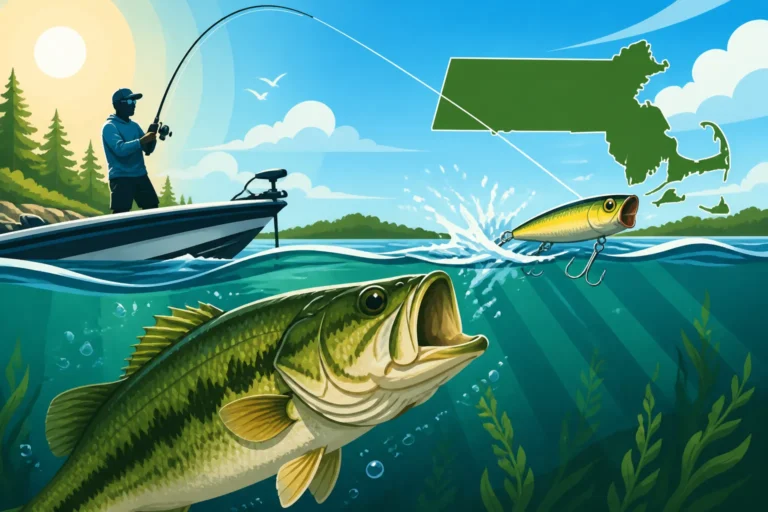
Massachusetts is a fantastic state for bass fishing. Both largemouth and smallmouth bass are abundant, and while they can be caught year-round, their activity levels and locations change dramatically with the seasons. Largemouth bass prefer warmer, shallower, weedier waters, making them prime targets in ponds and slower rivers. Smallmouth bass, on the other hand, love cooler, clearer, rockier environments, often found in larger lakes and rivers like the Connecticut River.
The peak seasons for bass are generally spring, summer, and fall. In spring, post-spawn bass are actively feeding and can be found in shallower waters. Summer means early morning, late evening, or deep water action for How to Catch Largemouth Bass in Massachusetts. Fall offers a fantastic "feeding frenzy" as bass bulk up for winter. During winter, bass become sluggish, moving to deep holes, but can still be caught with slow presentations. The state has specific rules about bass harvest, often with a closed season for taking fish during their spawning period in spring, but catch-and-release is usually permitted year-round.
Panfish, Pickerel, and Other Exciting Catches
Don't overlook the incredible opportunities presented by other freshwater species! Panfish like perch (yellow and white), crappie, and sunfish are abundant, easy to catch, and provide endless fun, especially for families and new anglers. They are active from spring through fall and are fantastic targets for Ice Fishing in Massachusetts in winter. Chain pickerel, a toothy predator, are also widely distributed and offer exciting fights, especially in weed-filled ponds. They are very active in cooler waters and are a popular ice fishing target.
Additionally, species like channel catfish, carp, and even northern pike (in certain stocked waters like the Connecticut River) offer unique angling experiences. Catfish are often most active in warmer summer months and into the fall, while pike can be caught year-round, often favoring cold water conditions. These species often have less restrictive regulations than trout or bass, providing consistent action throughout the open water seasons.
Spring Fishing: The Reawakening of Massachusetts Waters
Spring in Massachusetts is a magical time for anglers. The ice has melted, the days are getting longer, and fish are shaking off their winter lethargy. It’s a period of intense activity, marked by major stocking efforts and fish moving into shallower waters to feed and spawn.
Early Spring Trout Stocking Frenzy
If you're a trout enthusiast, early spring is your time to shine. As soon as the ice clears and water temperatures begin to rise, MassWildlife kicks off its massive spring trout stocking program. Hundreds of thousands of rainbow, brown, and brook trout are released into ponds, lakes, and rivers across the state. This creates an immediate and often exhilarating fishing opportunity, as these newly stocked fish are eager to bite.
This is when you’ll see anglers flocking to popular ponds like Walden Pond or the Swift River. Baits like PowerBait, worms, or small spoons and spinners (you can find a great selection of these on Amazon) are incredibly effective. The season typically runs from early April through late May, with new stockings happening regularly. Always check the MassWildlife website for the most up-to-date stocking schedules to find the freshest fish.
Pre-Spawn Bass Behavior and Opportunities
As water temperatures climb into the 50s and 60s Fahrenheit, largemouth and smallmouth bass begin their pre-spawn ritual. They move from their deep wintering holes into shallower, warmer coves, points, and flats, looking for food and preparing to spawn. This period, usually late April through May, offers some of the best bass fishing of the year.
Bass are actively feeding to build energy for spawning, making them aggressive and willing to hit a variety of lures. Jerkbaits, spinnerbaits, and jigs fished slowly along the bottom or near emerging vegetation are particularly effective. This is an exciting time because you can often catch some of the biggest bass of the season before they lock down on their nests. While catch-and-release is common, remember to check specific harvest regulations, as the state often has a closed season for taking bass during their peak spawning.
River Runs and Early Season Panfish
Spring also brings fantastic opportunities for river fishing, particularly for species like American Shad and river herring, though herring are typically protected from recreational harvest in most areas due to conservation efforts. However, shad runs, notably on the Connecticut River, offer an exciting challenge. These anadromous fish migrate upstream to spawn, and they can be targeted with small spoons, darts, or flies.
Meanwhile, panfish like yellow perch and crappie become incredibly active in shallow, sun-warmed areas. They’ll be schooling up and feeding heavily after the long winter, often near docks, brush piles, or lily pad stems. A simple setup with a small hook, a piece of worm, or a tiny jig under a bobber can yield dozens of these delicious fish. It’s a perfect time to introduce kids to fishing, as the action is usually fast and furious.
Summer Fishing: Warm Water Action and Abundance
Summer brings long, hot days, and with it, warmer water temperatures. This can change fish behavior significantly, pushing some species deeper and making others incredibly active during dawn and dusk. Don't let the heat deter you; summer fishing in Massachusetts is vibrant and productive if you adjust your tactics.
Targeting Summertime Bass in Lakes and Ponds
While the midday sun can make bass fishing tough, summer is still prime time for largemouth and smallmouth bass, especially during the early morning and late evening hours. As water temperatures rise, bass often retreat to deeper, cooler water or seek shade under docks, lily pads, and submerged structures during the day. This is when patience and precision become your best friends.
Topwater lures at dawn and dusk can produce explosive strikes, especially in weed-choked ponds. During the heat of the day, focus on fishing plastic worms, jigs, or crankbaits slowly along drop-offs, submerged humps, or shady cover. Look for the coolest, shadiest spots you can find. For smallmouth bass, focus on rocky structures in deeper, clearer lakes. Night fishing for bass can also be incredibly productive in summer, as they move into the shallows under the cover of darkness.
Deep Water Trout and Cooler Water Refuges
For trout anglers, summer can be challenging outside of specific deep, cold-water lakes or rivers. As surface water temperatures rise above their comfortable range (typically 60-65°F), trout will seek thermal refuges. This means targeting very deep sections of lakes and ponds, often requiring a boat and specialized gear like downriggers for trolling, or fishing natural spring-fed cold water streams that maintain lower temperatures.
Lakes like Lake Quinsigamond or the deeper sections of the Connecticut River can still hold trout, but they'll be suspended in the thermocline. Fly anglers might still find success in colder, oxygenated tailwaters below dams or in shaded, high-elevation streams in the Berkshires. If you're determined to catch trout in summer, consider focusing on these cooler, deeper, or shaded environments.
Consistent Panfish Action
Summer is absolutely fantastic for panfish. Yellow perch, sunfish, and crappie remain highly active throughout the warmer months and are generally less sensitive to high temperatures than trout. They'll often school up in specific areas, such as around submerged timber, weed lines, or even under boat docks where they can find shade and ambush prey.
A lightweight spinning rod with small jigs, worms, or crickets is all you need for consistent action. This is the perfect season for casual fishing, family outings, and teaching children the joys of angling. Ponds and smaller lakes are often teeming with panfish, offering a rewarding experience for anglers of all skill levels. Plus, many panfish species are excellent table fare, making for a delicious summer meal.
Fall Fishing: A Beautiful and Productive Time
As the leaves begin to turn and the air gets crisp, Massachusetts enters one of its most beautiful and productive fishing seasons: autumn. Cooler water temperatures invigorate fish, triggering intense feeding behaviors as they prepare for the lean winter months.
Fall Trout Stocking and Renewed Activity
Just like in spring, MassWildlife undertakes another significant Massachusetts Trout Stocking Schedule in the fall, typically from September through October. This means a fresh infusion of eager-to-bite rainbow, brown, and brook trout into many of the same ponds and rivers stocked earlier in the year. The cooler water temperatures mean these fish are often more active and aggressive than their summer counterparts.
Anglers can once again find excellent success with a variety of baits and lures. Worms, PowerBait, spoons, and spinners are all effective. Fly fishing can be particularly rewarding in the fall, as aquatic insect hatches occur, and trout key in on emergers and dry flies. Many anglers consider fall to be the most pleasant time to fish, with comfortable weather and stunning scenery. This is a prime time to pursue a Massachusetts Fishing License Guide if you haven't already.
Aggressive Bass Feeding Before Winter
Fall is arguably the best time of year to target trophy largemouth and smallmouth bass in Massachusetts. As water temperatures drop, bass sense the approaching winter and begin an intense feeding spree, known as the "fall bite." They're focused on bulking up on forage fish like shiners and sunfish, making them incredibly aggressive.
Look for bass in shallower areas early in the fall, transitioning to deeper breaks and structures as the water continues to cool. Crankbaits, spinnerbaits, jerkbaits, and larger swimbaits that imitate baitfish are incredibly effective. This is a time when bass will often hit lures with ferocity. If you’re looking to catch a truly memorable bass, dedicate some time to fall fishing. The fish are healthy, strong, and actively hunting.
Pike and Pickerel Opportunities
Cooler water temperatures of fall also greatly benefit northern pike and chain pickerel. These toothy predators become much more active as their preferred prey—baitfish like shiners and yellow perch—also school up and move into accessible areas. Pike, in particular, can offer a thrilling fight and are found in larger, weedier lakes and rivers.
Target them with larger spoons, spinnerbaits, or even live bait like shiners under a float. Pickerel are abundant in almost any freshwater body with weeds and can be caught with similar tactics, often providing consistent action throughout the day. If you're looking for exciting, hard-hitting fish that aren't trout or bass, fall is an excellent time to target pike and pickerel. Don't forget a pair of pliers for unhooking these sharp-toothed fish!
Winter Fishing: Embrace the Ice and Cold
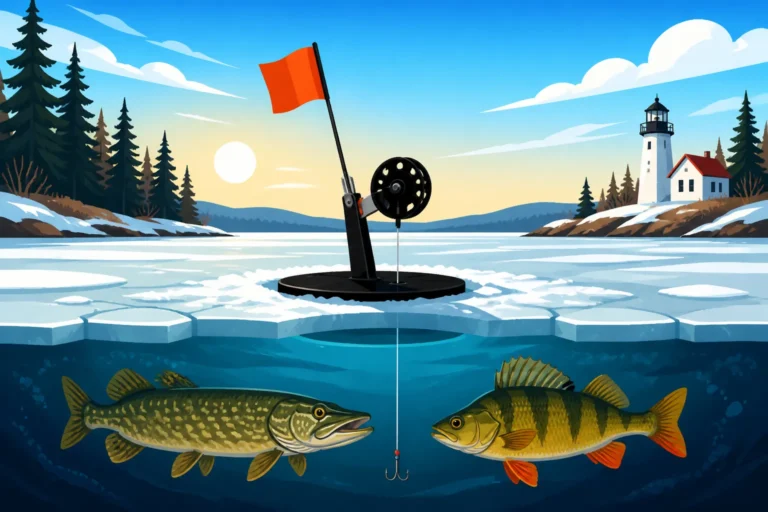
When the mercury drops and ponds freeze over, many anglers pack away their gear. But for the adventurous, winter offers a unique and incredibly rewarding freshwater fishing experience: ice fishing. Massachusetts has a strong ice fishing tradition, providing opportunities for a wide range of species.
Ice Fishing for Panfish and Pickerel
Once the ice is thick enough (always check for safety, more on that below), ice fishing becomes a popular pastime across the state. Panfish like yellow perch, crappie, and sunfish are prime targets. They congregate in schools and can be caught with small jigs tipped with bait like wax worms or spikes, fished directly through a hole in the ice. The action can be fast and furious, providing a much-needed antidote to cabin fever.
Chain pickerel are another highly sought-after species through the ice. They remain active in cold water and are often caught on tip-ups rigged with live shiners. Setting up multiple tip-ups allows you to cover a larger area and increase your chances of a flag flying up, signaling a fish on! For beginners, ice fishing for panfish and pickerel is a fantastic entry point into winter angling. Many essentials, from ice augers to jigs, can be found readily on Amazon.
Safety First: Understanding Ice Thickness
This cannot be stressed enough: ice fishing requires extreme caution. Safety should always be your number one priority. Never venture onto ice alone, always tell someone where you're going and when you expect to return, and carry appropriate safety gear (ice picks, rope, throwable flotation device). The absolute minimum safe ice thickness for walking is generally considered to be 4 inches of clear, solid ice. However, conditions can vary greatly, even on the same body of water.
Always check local conditions, look for signs of open water or thin ice, and be aware that moving water, inlets, and outlets can create dangerous thin spots. MassWildlife and local authorities often post advisories, but ultimately, it's your responsibility to ensure your safety. Remember, no fish is worth risking your life. For a deeper dive, check out our guide on Ice Fishing in Massachusetts.
Open Water Options in Mild Winters
While much of Massachusetts freezes over, some larger, deeper bodies of water or rivers with strong currents may remain open or only partially freeze during milder winters. In these conditions, traditional open-water fishing can still be possible. Trout, particularly brown trout in rivers, can remain active, as can some bass and pickerel in deeper areas.
Slow, deliberate presentations are key in cold water. Jigs, spoons, or live bait fished close to the bottom can entice sluggish fish. Look for areas with current breaks or deeper pools where fish might be conserving energy. However, even in open water, dress warmly and be prepared for rapidly changing weather conditions.
Massachusetts Fishing Regulations: Beyond Just Seasons
Understanding the seasonal calendar is crucial, but it's only one piece of the puzzle. Massachusetts fishing regulations encompass a broader set of rules designed to manage and protect our aquatic resources. Familiarizing yourself with these additional regulations is vital for responsible and enjoyable fishing.
The Importance of Your Massachusetts Fishing License
First and foremost, with very few exceptions, if you're 15 years of age or older, you need a valid Massachusetts Fishing License Guide to fish in the freshwater bodies of the Commonwealth. This applies to both residents and non-residents. Your license helps fund conservation efforts, fish stocking, and research programs that directly benefit the fisheries.
You can purchase your license online through the MassFishHunt system, at designated vendor locations, or through MassWildlife offices. It’s a straightforward process, but make sure to get yours before you head out. A lost license can be replaced easily, and showing proof (even a digital copy on your phone) is usually accepted. For detailed information, explore our guide on Massachusetts Freshwater Fishing License Costs and Rules and Massachusetts Fishing License Requirements by Age.
Understanding Daily Bag and Size Limits
Beyond just having a license, you need to know the daily bag limits (how many fish of a particular species you can keep in one day) and minimum/maximum size limits. These regulations vary significantly by species and sometimes by specific water body. For example, trout may have a general statewide limit, but special regulated waters might have different rules. Bass often have a closed season for harvest during spring, with specific size limits when the season is open.
A table summarizing some common regulations:
| Species | Typical Open Season | Daily Bag Limit (General) | Minimum Size Limit (General) | Notes |
|---|---|---|---|---|
| Trout | Year-round | 3-5 (varies by water) | None (often 9" for special areas) | Check specific water body regulations for special areas or catch-and-release only. |
| Largemouth Bass | Jan 1 – Dec 31 (Catch/Release); Harvest open June 15 – Dec 31 | 5 | 12 inches | Closed season for harvest mid-April to mid-June (varies slightly each year). |
| Smallmouth Bass | Jan 1 – Dec 31 (Catch/Release); Harvest open June 15 – Dec 31 | 5 | 12 inches | Same as Largemouth. |
| Chain Pickerel | Year-round | 5 | 15 inches | Popular ice fishing target. |
| Yellow Perch | Year-round | 20 | None | Abundant and excellent for pan-fishing. |
| Crappie | Year-round | 20 | None | Often found in schools. |
Note: These are general guidelines and are subject to change. ALWAYS consult the current MassWildlife Freshwater Fishing Guide for the most accurate and up-to-date regulations. You can also look up the Massachusetts Fishing Regulations Pamphlet, Explained for more information.
Special Rules for Specific Waters Quabbin, Wachusett
Some of Massachusetts's most prized freshwater fishing destinations, like the Quabbin Reservoir and Wachusett Reservoir, have their own distinct and often more stringent sets of rules. These regulations are designed to protect these vital drinking water supplies and their unique fisheries.
For instance, Quabbin Reservoir Fishing Permits and Rules in Massachusetts are quite specific. You'll need a special Quabbin fishing permit in addition to your state license, and there are strict rules about boat types, motor restrictions, bait usage, and access points. Similarly, Wachusett Reservoir Fishing Access Rules in Massachusetts involve specific access points, restrictions on boat types (no private boats allowed), and rules about bait. Always check the specific regulations for these reservoirs before planning a trip, as penalties for violations can be significant.
Essential Gear for Year-Round Freshwater Success
Having the right gear makes all the difference, not just in catching fish, but in your overall comfort and enjoyment on the water, regardless of the season. You don't need to break the bank to get started, but investing in a few versatile pieces will serve you well. Many of these items are easily accessible through retailers like Amazon.
Rods, Reels, and Lines for Different Seasons
For most freshwater fishing in Massachusetts, a medium-light to medium power spinning rod (6 to 7 feet long) paired with a matching spinning reel (size 2500-3000) will be incredibly versatile. This setup is perfect for everything from trout and panfish to bass and pickerel. Spool your reel with 6-10 lb test monofilament or braided line, depending on your preference and target species. Braided line offers sensitivity and strength, while monofilament is more forgiving.
If you plan to target larger species like pike, or you want to get serious about bass fishing, a medium-heavy baitcasting setup might be beneficial. For ice fishing, specialized short, sensitive ice rods are essential, paired with small reels or even simple hand-line setups for panfish. Remember, each setup has its purpose, and having one or two versatile combos will cover most of your needs.
Bait, Lures, and Tackle Box Essentials
Your tackle box should evolve with the seasons. In spring and fall for trout, keep a good supply of PowerBait (like Berkley PowerBait), worms, small spoons, and inline spinners. For bass, jigs, plastic worms, spinnerbaits, crankbaits, and topwater lures are crucial, with different styles shining in different temperatures. Amazon offers a vast array of options for stocking your tackle box.
For panfish, simple hooks, bobbers, and small weights, along with live bait like worms or mealworms, are often all you need. In winter, tiny jigs, sometimes glow-in-the-dark, tipped with maggots or wax worms, are go-to baits for ice fishing. Always carry extra line, various hook sizes, sinkers, a pair of pliers, a multi-tool, and a small first-aid kit.
Weather-Appropriate Apparel and Safety Gear
Massachusetts weather can be unpredictable, sometimes changing dramatically within a single day. Layering is key, especially in spring, fall, and winter. Waterproof outerwear is essential for rain or snow. In colder months, insulated boots, gloves, and a warm hat are non-negotiable for comfort and safety. Think merino wool or synthetic base layers for warmth without bulk.
Even in summer, sunscreen, a wide-brimmed hat, and polarized sunglasses are vital for eye protection and spotting fish. Always carry enough water to stay hydrated. If you're fishing from a boat, kayak, or canoe, a personal flotation device (PFD) is required by law and critical for safety, even if you’re an experienced swimmer. Finally, a small cooler to keep your catch fresh (if you plan to harvest) is always a good idea.
Disclaimer
The information provided in this guide is for general informational purposes only and is not a substitute for official regulations. Fishing rules and seasons in Massachusetts can change. Always consult the most current Massachusetts Freshwater Fishing Guide published by MassWildlife (available on their website or at licensed vendors) before heading out. Failure to comply with regulations can result in fines and penalties.