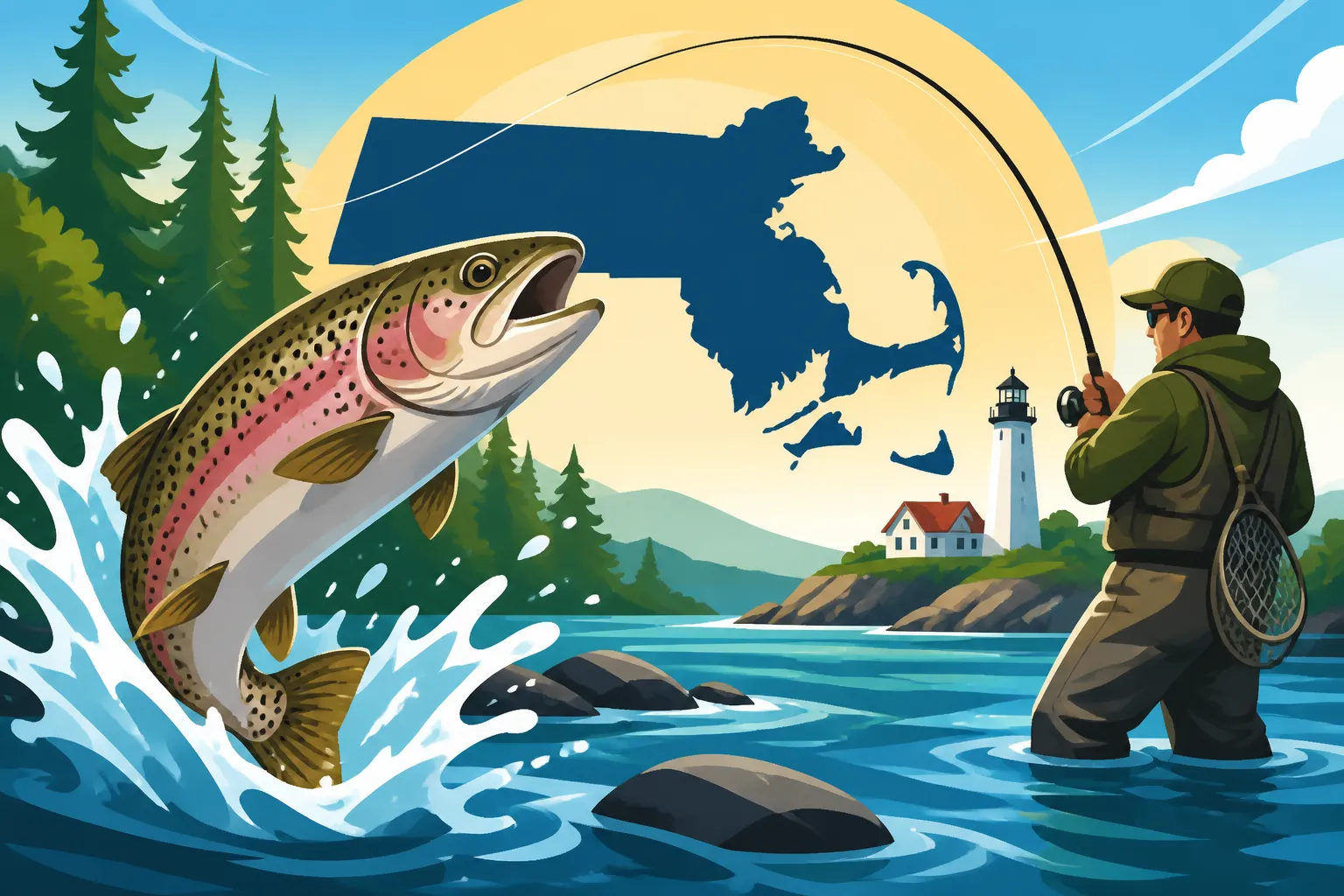
Trout Fishing in Massachusetts
For many anglers in Massachusetts, the thought of fishing immediately conjures images of the beautiful, elusive trout. Whether you're dreaming of a feisty rainbow trout leaping from a clear stream, or a stealthy brown trout lurking beneath a log in a quiet river, the pursuit of these incredible fish offers some of the most rewarding experiences our state has to offer. But let's be honest, trout fishing can feel a little intimidating at first, with all the different species, regulations, and techniques. This comprehensive guide is here to demystify trout fishing in Massachusetts, helping you understand where to find them, what you need, and how to successfully bring one to the net.
Understanding Massachusetts Trout Species
Massachusetts is blessed with several species of trout, each offering a unique challenge and experience for anglers. Knowing what you're targeting can greatly influence your approach, from the type of water you choose to the bait or fly you present. It's not just about "trout"; it's about the distinct characteristics and behaviors of each species.
Rainbow Trout: The Stocking Stalwart
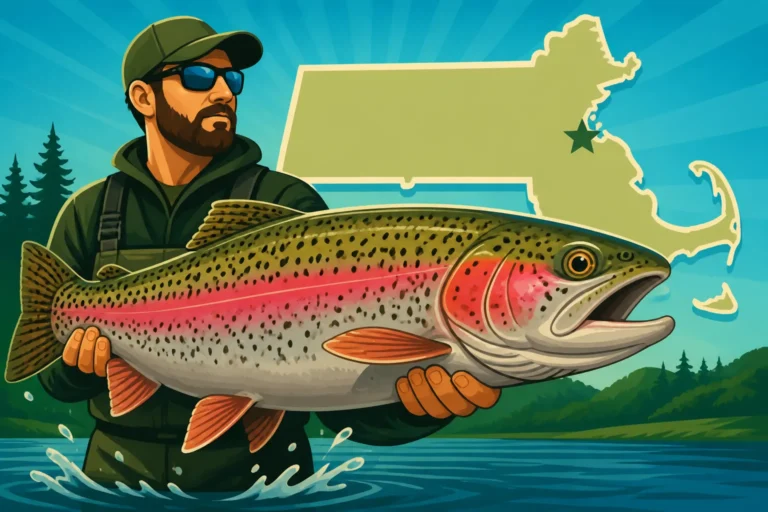
Rainbow trout are undoubtedly the most common trout species you'll encounter in Massachusetts, primarily thanks to the state's robust stocking program. These fish are renowned for their vibrant colors, often sporting a distinctive pink or red stripe along their sides, mirroring the colors of a rainbow – hence their name! They're typically quite aggressive, making them a fantastic target for anglers of all skill levels, especially those just getting into trout fishing.
When stocked, rainbows are usually eager to bite, responding well to a variety of baits and lures. They adapt well to both still waters like ponds and lakes, and the flowing currents of rivers and streams. This adaptability, combined with their spirited fight, makes them a favorite among families and seasoned anglers alike. You'll often find them schooled up shortly after stocking, providing exciting action for many.
Brown Trout: Wily and Wild
Brown trout are a different beast altogether, known for their cunning and elusive nature. While they are also stocked in many Massachusetts waters, the true trophies are often the wild, stream-bred brown trout that have grown large by outsmarting countless anglers. They tend to have a yellowish-brown to golden-brown body, speckled with dark spots and often some red-orange spots, sometimes with a light halo around them. They are incredibly wary and possess an uncanny ability to disappear into structure the moment they sense danger.
These fish prefer cooler, well-oxygenated waters and are masters of camouflage. Targeting brown trout often means employing more subtle techniques and a great deal of patience. They thrive in rivers and streams, often holding tight to cover like undercut banks, fallen trees, or large rocks. Catching a mature wild brown trout in Massachusetts is a badge of honor, a testament to an angler's skill and perseverance. You'll often find them lurking where other fish wouldn't dare, making them a true challenge.
Brook Trout: Native Gems of Cold Streams
The brook trout holds a special place in the hearts of Massachusetts anglers, as it is the state's only native trout species. These beautiful fish are instantly recognizable by their striking vermiculation (worm-like markings) on their backs, red spots with blue halos on their sides, and the white leading edges on their lower fins. They require pristine, cold, clean water to thrive, making them an excellent indicator of water quality.
Finding brook trout often means venturing into smaller, shaded streams and brooks that remain icy cold even in the height of summer. They don't typically grow as large as rainbows or browns in these wild settings, but what they lack in size, they more than make up for in beauty and the sheer joy of catching a truly wild, native fish. Many brook trout populations are protected by special regulations, so it's crucial to be aware of the rules when pursuing these precious fish. For more on these incredible fish, you might want to read about Brook Trout in Massachusetts Streams.
Tiger Trout: A Rare and Striking Hybrid
Now, for something a bit more unique: the tiger trout. This stunning fish is a sterile hybrid, a cross between a brown trout and a brook trout. It gets its name from the distinctive, intricate maze-like patterns on its body, resembling a tiger's stripes or a topographical map. These patterns are truly beautiful and make them one of the most visually appealing fish you can catch.
Tiger trout are stocked in certain Massachusetts waters, but not as widely as rainbows or browns. Because they are sterile, they put all their energy into growth rather than reproduction, often leading to them reaching impressive sizes. They tend to be aggressive feeders, inheriting some of the brown trout's predatory instincts and the brook trout's love for cold water. Catching a tiger trout is a rare treat and always a memorable experience, prompting many anglers to seek out the specific waters where they are stocked. For a deeper dive, check out Tiger Trout in Massachusetts, What to Know.
Where to Find Trout in Massachusetts
Massachusetts offers a diverse range of habitats suitable for trout, from tranquil ponds to rushing rivers, and vast reservoirs. Knowing the type of water you're fishing will greatly influence your gear, technique, and ultimately, your success. It's not just about showing up with a rod; it's about understanding the environment.
Stocked Ponds and Lakes
For many anglers, especially those just starting out or looking for consistent action, the stocked ponds and lakes across Massachusetts are the go-to destinations. Each spring and fall, the state's wildlife agencies meticulously stock these waters with thousands of rainbow, brown, and sometimes tiger trout. These fish are often eager to bite, having recently been introduced to a new environment, and can provide fantastic fishing opportunities.
Ponds like Horn Pond in Woburn, Long Pond in Plymouth, and countless others across the state become hotspots during stocking season. These bodies of water are usually easily accessible, often with public access points, boat ramps, or shore fishing areas. They're perfect for a family outing or a quick trip after work. The key to success in these waters often lies in timing your visit shortly after a stocking event and using popular baits or lures that trout are accustomed to from hatchery life.
Coldwater Rivers and Streams
If you're seeking a more challenging and rewarding experience, and particularly if you're chasing wild brook or brown trout, Massachusetts' coldwater rivers and streams are where you want to be. Rivers like the Deerfield, Westfield, and Swift are renowned for their incredible trout fishing, boasting populations of wild and holdover trout that have adapted to their natural surroundings. These waters are often characterized by swift currents, rocky bottoms, deep pools, and shaded banks that provide the necessary cold temperatures and oxygen for trout to thrive.
Fishing these moving waters requires a different approach. Trout in streams are often more wary, and presentations need to be precise. Fly fishing is incredibly popular in these environments, as natural insect imitations can be incredibly effective. Access can sometimes be more challenging, requiring a bit of a hike, but the solitude and the chance to catch a truly wild trout make it all worthwhile. Understanding the currents and where trout hold in different water features is crucial here.
Quabbin and Wachusett Reservoirs
For trophy-sized trout and a truly unique fishing experience, the mighty Quabbin and Wachusett Reservoirs stand out as prime Massachusetts destinations. These vast, deep bodies of water are not only critical drinking water sources but also host incredible coldwater fisheries. They are home to massive lake trout, landlocked salmon, and exceptionally large brown and rainbow trout that have grown to impressive sizes in the nutrient-rich depths.
Fishing these reservoirs comes with its own set of rules and challenges. At Quabbin, for example, there are strict regulations regarding boat access, requiring specific permits and often using rental boats or decontaminating private vessels to protect the water quality. Shore fishing is permitted in designated areas. Wachusett also has its specific access points and rules, especially concerning boat usage. However, the potential for catching a fish of a lifetime, like a 10-pound brown trout or a powerful landlocked salmon, makes the effort well worth it. You can learn more about specific rules at Quabbin Reservoir Fishing Permits and Rules in Massachusetts and Wachusett Reservoir Fishing Access Rules in Massachusetts.
Massachusetts Trout Stocking Program
The MassWildlife trout stocking program is a monumental effort that provides incredible fishing opportunities across the state. Without it, many of our favorite local fishing spots would simply not support a thriving trout population. Understanding how and when this program operates is key to maximizing your trout fishing success. It's truly a feat of logistics and dedication.
Spring Stocking: The Annual Rush
The spring stocking season is, for many anglers, the most anticipated time of the year. As the ice recedes and water temperatures begin to rise, usually from late March through May, MassWildlife trucks begin their routes, distributing hundreds of thousands of trout into ponds, lakes, rivers, and streams statewide. These stockings typically include a mix of rainbow, brown, and sometimes brook trout, with a significant emphasis on rainbows due to their popularity and hardiness.
Anglers eagerly await the official stocking announcements, often checking online schedules or local fishing forums for updates. The period immediately following a spring stocking can offer fast-paced action, as the newly introduced trout are often disoriented and hungry. This is a prime time for bait fishing or using brightly colored lures. However, it's also when fishing pressure is at its highest, so expect company at popular spots. For detailed information on when and where, check out the Massachusetts Trout Stocking Schedule.
Fall Stocking: Second Chances
While spring gets most of the fanfare, the fall stocking program is equally important, especially for those who prefer cooler weather and fewer crowds. From late September through October, MassWildlife conducts another round of stockings, primarily focusing on larger "brood stock" trout – older, larger fish that have been retired from the hatchery's breeding program. These fish are often impressive in size and offer a fantastic challenge.
Fall stockings provide an excellent opportunity to extend your trout fishing season into the cooler months. The lower water temperatures are ideal for trout, making them active and feisty. Anglers can often find less crowded waters and enjoy the beautiful autumn foliage while pursuing these larger fish. The trout stocked in the fall often hold over better through the winter in many waters, providing good fishing into the early ice season in some areas.
Understanding Stocking Schedules and Locations
Knowing when and where MassWildlife plans to stock trout is like having a secret weapon in your tackle box. The agency typically releases detailed stocking schedules online, breaking down by region, water body, and sometimes even species. These schedules are usually updated regularly during the stocking seasons. Staying informed can save you a lot of time and increase your chances of being at the right place at the right time.
However, remember that schedules can change due to weather, water conditions, or operational reasons. It’s always a good idea to check for the most current information. Beyond the main stocking points, many smaller streams and tributaries receive stockings, which can be less crowded. Using MassWildlife's official resources is the best way to plan your trips around these important events. Massachusetts Spring Trout Stocking Towns List can be very helpful here.
Essential Gear for Massachusetts Trout Fishing
Before you head out to those picturesque streams or tranquil ponds, you'll need the right tools for the job. Having the proper gear isn't just about comfort; it significantly impacts your ability to present your bait or lure effectively, detect subtle bites, and ultimately, land that prized trout. Don't worry, you don't need to break the bank to get started, but a few key items will make all the difference.
Rods, Reels, and Lines
For trout fishing in Massachusetts, versatility is key. A light to medium-light action spinning rod, typically 5.5 to 7 feet in length, is a fantastic all-around choice. This rod action allows you to cast lighter lures and baits, absorb the shock of a fighting trout, and still have enough backbone to handle a decent-sized fish. Pair this with a small spinning reel (size 1000 to 2500) spooled with 4 to 6-pound test monofilament or fluorocarbon line. Monofilament is a great general-purpose line, while fluorocarbon offers excellent abrasion resistance and is virtually invisible underwater, which can be a huge advantage for spooky trout.
If you're serious about fly fishing, a 3 to 5-weight fly rod, 7.5 to 9 feet long, is standard for most Massachusetts trout streams. A matching fly reel and a weight-forward floating fly line will complete your setup. Don't forget tapered leaders and tippet material in various sizes to match your flies. You can find excellent starter kits for both spinning and fly fishing on platforms like Amazon, offering a good balance of quality and affordability.
Bait, Lures, and Flies
This is where the fun really begins, and often, where anglers develop their personal preferences. For stocked trout, common baits like powerbait (in various colors and forms), worms (nightcrawlers or mealworms), and corn are incredibly effective. These baits mimic what hatchery trout are accustomed to or what they instinctively feed on. Small marshmallows or cheese can also be surprisingly potent.
When it comes to lures, small inline spinners (like Mepps or Rooster Tails), tiny spoons (like Kastmasters or Phoebe spoons), and mini crankbaits are consistent producers. Their flash and vibration often trigger aggressive strikes. For the fly angler, the possibilities are endless. Dry flies (like Adams, Elk Hair Caddis), nymphs (like Prince Nymph, Pheasant Tail), streamers (like Woolly Bugger), and emergers are all essential patterns. The choice of fly often depends on the current insect hatch or the time of year. Having a varied selection, perhaps picked up from an outdoor retailer or on Amazon, will prepare you for different conditions.
Waders, Vests, and Accessories
Comfort and convenience are paramount when spending hours on the water. A good pair of waders (chest or waist-high, depending on the depth of water you anticipate) is invaluable for reaching prime fishing spots that are inaccessible from shore and for staying dry and warm. Neoprene waders are great for colder weather, while breathable models are better for warmer days. Pair these with wading boots that offer good grip on slippery rocks.
A fishing vest or chest pack is essential for keeping all your smaller gear organized and easily accessible. Think forceps for hook removal, clippers for line, a small tackle box or fly box, extra leaders and tippet, and perhaps a small first-aid kit. A landing net, preferably one with a rubber mesh to protect the fish, is also a wise investment, especially if you plan on practicing catch and release. Polarized sunglasses are also critical for spotting fish and protecting your eyes from errant hooks.
Effective Techniques for Massachusetts Trout
Catching trout in Massachusetts can be a delightful puzzle, and having a diverse set of techniques in your angler's toolbox will make you far more successful. The "best" technique often depends on the species you're targeting, the specific water body, and even the time of year or day. Let's explore some popular and proven methods.
Spin Fishing for Stocked Trout
Spin fishing is perhaps the most accessible and widely used method for trout, especially for those newly stocked fish that haven't yet developed a strong sense of caution. This technique involves using a spinning rod and reel, making it relatively easy to cast baits and lures. For stocked ponds and lakes, still-fishing with bait is incredibly effective. Simply cast your powerbait, worm, or corn out, let it sink to the bottom (or float just above it with a small marshmallow), and wait for a bite. A sliding sinker rig or a bobber rig are common setups.
When fishing streams or rivers with a spinning rod, casting small inline spinners or spoons upstream and retrieving them with the current can be deadly. The flash and vibration mimic small baitfish or escaping insects, triggering aggressive strikes. Focus your casts around eddies, current breaks, and any visible structure where trout might be holding. The key is to keep your retrieves varied and watch your line for any subtle twitch or pause that might indicate a bite.
Fly Fishing for Wild and Wary Trout
Fly fishing is often considered the art form of trout angling, and for good reason. It’s incredibly effective for wild and wary trout, particularly in rivers and streams, where matching the natural insect hatches is paramount. The goal is to present an artificial fly that closely imitates an insect, baitfish, or other food source that trout are actively feeding on. This requires a delicate touch, precise casting, and a keen eye for reading the water. You can find excellent guides specifically on Fly Fishing for Trout in Massachusetts Rivers.
There are several fly fishing techniques:
- Dry Fly Fishing: This is perhaps the most iconic image of fly fishing, where you cast a floating fly to a rising trout, hoping to entice a strike on the surface. It’s thrilling to watch a trout sip your fly.
- Nymphing: Often the most productive method, nymphing involves drifting a weighted fly (imitating subsurface insects) along the bottom of the river. Strikes can be very subtle, requiring careful attention to your line or an indicator.
- Streamer Fishing: Using larger, often weighted flies that imitate baitfish, streamer fishing involves stripping the fly through the water to provoke an aggressive, predatory strike. This is often effective for larger brown trout.
Each method requires practice, but the reward of outsmarting a wild trout with a perfectly presented fly is unmatched.
Ice Fishing for Winter Trout
When winter descends upon Massachusetts, and many of our lakes and ponds freeze over, a new opportunity for trout fishing emerges: ice fishing. While not all trout waters are suitable for safe ice fishing, many stocked ponds offer fantastic action through the ice. This technique allows you to target trout that might be deeper in the water column or spread out across a larger area. For safety and techniques, you might want to review Ice Fishing Techniques for Massachusetts Ponds.
The primary methods for ice fishing trout involve jigging and setting tip-ups.
- Jigging: Using a small ice fishing rod, anglers present tiny jigs, often tipped with a piece of worm, powerbait, or a wax worm, through a hole in the ice. The jig is vertically "jigged" or pulsed to attract fish. A fish finder or flasher can be incredibly useful for locating fish and presenting your jig at the correct depth.
- Tip-ups: These devices consist of a spool of line held below the ice, with a flag that "tips up" when a fish takes the bait and pulls line. Tip-ups are often rigged with live bait like shiners or worms, allowing you to cover multiple holes and wait for a trout to swim by. It's a more passive but often highly effective method, especially for larger, cruising trout.
Remember, ice safety is paramount. Always check ice thickness and conditions before venturing out.
Trout Fishing Seasons and Regulations in Massachusetts
Massachusetts has specific regulations designed to protect its valuable trout populations and ensure sustainable fishing for future generations. Understanding these rules is not just about avoiding fines; it's about being a responsible angler and contributing to the health of the fishery. These regulations can vary by water body and species, so staying informed is crucial.
General Trout Season Overview
The general trout season in Massachusetts typically opens on the first Saturday in April, marking the exciting start of spring fishing. From this opening day through the end of the year, anglers can legally fish for trout in most waters, subject to specific daily bag limits and size restrictions. However, it's important to note that certain waters may have year-round fishing, while others might close seasonally or have special catch-and-release only periods.
Beyond the general season, fall stockings mean that good trout fishing can extend well into the late fall and even early winter, right up until ice forms. For a comprehensive look at what's open when, refer to the Massachusetts Fishing Seasons Explained guide. It's always best practice to consult the most current MassWildlife fishing regulations guide, which is usually available online or at license vendors. This guide will provide precise dates and any exceptions to the general rules.
Catch Limits and Size Restrictions
To maintain healthy trout populations, MassWildlife imposes daily catch limits and sometimes minimum or maximum size restrictions. For most trout waters in Massachusetts, the general daily creel limit for trout (rainbow, brown, brook, and tiger trout combined) is 3 fish, with a minimum size of 9 inches. This means you can keep up to three trout per day, and each trout must be at least 9 inches long from the tip of its nose to the tip of its tail.
However, there are important exceptions:
- Catch-and-Release Only Waters: Some streams or sections of rivers are designated as "catch-and-release only," meaning you cannot keep any trout, regardless of size. These areas are often managed to protect wild or native trout populations.
- Special Management Areas: Certain ponds or river sections might have different daily limits or size restrictions. For example, some ponds might have a higher daily limit, while others might have a lower one or different size requirements for specific species.
- Quabbin and Wachusett Reservoirs: These large reservoirs often have their own unique set of regulations, including different limits for lake trout or landlocked salmon, and specific rules about measuring and reporting catches.
Always double-check the regulations for the specific water body you plan to fish to ensure you're compliant. For more specifics on freshwater limits, see Massachusetts Freshwater Daily Catch Limits.
Special Regulations for Specific Waters
Beyond the general statewide rules, many specific water bodies in Massachusetts have their own unique regulations. These special rules are often implemented to protect unique fisheries, enhance specific species, or manage fishing pressure. Ignoring these can lead to fines and harm the very fishery you enjoy.
Examples of special regulations include:
- "No Kill" or "Catch and Release" sections: Often found on pristine trout streams like portions of the Deerfield River or Swift River. These areas typically allow only artificial lures or flies and require immediate release of all fish.
- "Fly Fishing Only" sections: Similar to catch-and-release, these areas restrict gear to fly tackle only.
- Extended Season Areas: Some ponds might have an extended fall or winter season with different limits, or even be open year-round.
- Trophy Trout Waters: A few selected ponds are managed as "Trophy Trout Waters," often stocked with larger fish and sometimes having a higher minimum size limit to promote the growth of larger trout.
- Reservoir-Specific Rules: As mentioned, Quabbin and Wachusett Reservoirs have their own extensive rulebooks concerning bait, tackle, and boat access.
Always consult the most recent MassWildlife Angler's Guide for the specific body of water you intend to fish. These regulations are designed to ensure that future generations can enjoy the incredible trout fishing opportunities Massachusetts provides.
| Trout Species | Typical Size (stocked) | Wild Habitat Preference | Common Baits/Lures | Best Seasons for Stocked Fish | Difficulty (Wild) |
|---|---|---|---|---|---|
| Rainbow Trout | 10-14 inches | Ponds, Lakes, Rivers (tolerant of warmer water) | Powerbait, Worms, Corn, Spinners, Spoons | Spring, Fall | Easy to Moderate |
| Brown Trout | 10-20+ inches | Cold Rivers, Streams, Reservoirs (loves structure) | Worms, Shiners, Small Crankbaits, Streamers | Spring, Fall, Year-round in rivers | Moderate to Hard |
| Brook Trout | 6-12 inches | Small, Cold, Clean Streams & Brooks (native) | Small Worms, Flies (nymphs, dry flies) | Spring, Summer (cold water) | Moderate |
| Tiger Trout | 12-18+ inches | Stocked Ponds, Lakes (hybrid) | Worms, Powerbait, Spinners, Streamers | Spring, Fall | Moderate |
Conservation and Ethical Angling Practices
The beauty of trout fishing goes beyond just catching fish; it's about appreciating the natural environment and ensuring these incredible resources are available for years to come. Practicing conservation and ethical angling is a responsibility we all share as stewards of Massachusetts' waters. Every decision you make on the water has an impact.
Catch and Release Best Practices
Many anglers choose to release their trout, especially wild brook and brown trout, to help sustain populations or simply for the joy of the catch. If you plan to practice catch and release, especially in sensitive areas or for larger fish, using best practices is critical to ensure the fish's survival. A poorly handled fish is less likely to survive.
Here are some key tips:
- Minimize Fight Time: Try to land the fish as quickly as possible without over-stressing it.
- Use Barbless Hooks: Crushing the barb on your hooks (or buying barbless hooks) makes removal much easier and less damaging to the fish's mouth.
- Handle With Wet Hands: Always wet your hands before touching a fish. Dry hands can remove the fish's protective slime coat, making it vulnerable to disease.
- Keep Fish in Water: Try to keep the fish in the water as much as possible, especially for photos. Its gills need water to function.
- Support the Fish: If you must lift it, support its body horizontally, especially larger fish, to avoid damaging internal organs. Avoid squeezing or hanging fish vertically by the jaw.
- Remove Hook Quickly: Use forceps or a de-hooking tool to remove the hook gently and quickly. If a fish is deeply hooked, it's sometimes better to cut the line as close to the hook as possible rather than tearing internal organs.
- Revive Gently: If the fish seems sluggish, hold it gently upright in the current (facing upstream) until it regains its strength and can swim away on its own.
By following these practices, you significantly increase the chances of that trout surviving to fight another day and perhaps reproduce.
Protecting Native Brook Trout
Our native brook trout are a true treasure, and they rely on specific, high-quality habitats to survive. These fish are often found in smaller, pristine coldwater streams with dense riparian vegetation, which helps keep water temperatures low. Their populations are often fragile and easily impacted by habitat degradation, pollution, and overfishing. It is therefore crucial to exercise extra care when targeting these beautiful fish.
Beyond catch-and-release, protecting brook trout means being mindful of your footprint. Avoid disturbing stream banks, which can lead to erosion and siltation. Report any signs of pollution or habitat destruction to MassWildlife. In many areas with strong native brook trout populations, special regulations like "catch and release only" or "artificial lures/flies only" are in place. Adhering strictly to these rules is paramount. Consider using lighter tackle and smaller hooks, which are often more appropriate for the size of wild brook trout and minimize harm. Their continued presence is a testament to the health of our environment.
Respecting the Environment
Responsible angling goes hand-in-hand with respecting the environment we fish in. This means leaving no trace and actively contributing to the preservation of our natural spaces. Simple actions can make a huge difference, ensuring that Massachusetts remains a beautiful place for all outdoor enthusiasts.
Always remember to:
- Pack it in, pack it out: Carry out all your trash, including fishing line, bait containers, and any food wrappers. Even small pieces of litter can harm wildlife.
- Avoid trespassing: Respect private property rights and only fish in areas where public access is permitted.
- Be mindful of other users: Share the water with kayakers, hikers, and other anglers. Maintain a respectful distance and avoid loud noises.
- Prevent the spread of invasive species: Clean your boots, waders, and gear thoroughly between fishing trips, especially if moving between different water bodies, to prevent the transfer of invasive plants or aquatic organisms.
- Follow all regulations: This includes not just trout limits but also rules regarding bait restrictions, motor usage on certain lakes, and any other local ordinances.
Our fishing experiences are only as good as the environments that support them. By being ethical and environmentally conscious, we ensure that the joy of trout fishing in Massachusetts can be passed down through generations.
Disclaimer
This article is for general informational purposes only and does not constitute professional advice. Laws, prices and regulations vary by location and change over time. Consult a qualified professional for guidance on your specific situation.