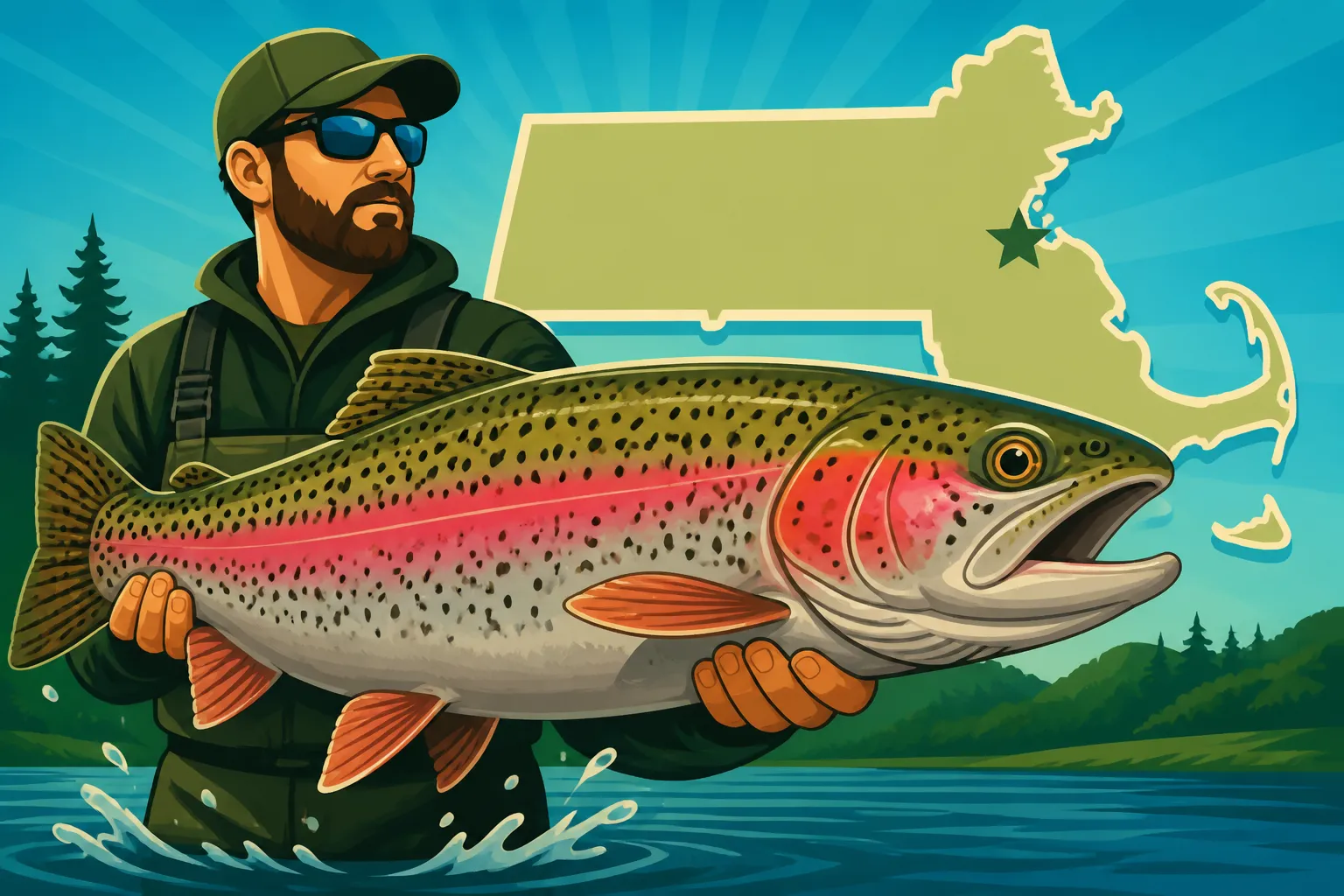
Massachusetts state record rainbow trout
There's a special kind of thrill that comes with chasing trophy fish, that legendary "fish of a lifetime" that haunts anglers' dreams. Many of us spend countless hours on the water, hoping for that one moment when the line screams and we realize we've hooked into something truly exceptional. If you've ever wondered about the biggest rainbow trout Massachusetts waters have ever yielded, you're not alone. This comprehensive guide will delve into the existing state record for rainbow trout, explain the meticulous process of getting a catch officially recognized, and offer insights into where and how you might just land your own record-breaking beauty.
The Reigning Champion: Massachusetts' State Record Rainbow Trout
For many, the idea of a state record isn't just about the fish itself, but the story behind it, the angler's dedication, and the sheer luck or skill involved. These records stand as testaments to the incredible fishing opportunities right here in Massachusetts.
The Record Holder and the Story Behind It
Massachusetts has a proud tradition of exceptional fishing, and its freshwater lakes and rivers are home to some truly remarkable trout. The current state record for rainbow trout is a magnificent specimen, weighing in at 11 pounds, 9 ounces. This incredible fish was caught by James B. Eaton way back in 1995, in the cool, clear waters of the Quinapoxet River. Imagine the fight, the anticipation, and the pure excitement of bringing such a giant to net!
While that record has stood for decades, it’s a constant reminder that these behemoths are out there. The Quinapoxet River, a tributary to the Wachusett Reservoir, is known for its excellent trout habitat, and this record certainly cemented its place in angling lore. Landing a fish of that caliber isn't just about being in the right place at the right time; it often involves immense patience, the right presentation, and a bit of angling magic. It's the kind of catch that defines an angler's career and fuels the dreams of countless others who hope to one day best it.
Why State Records Matter to Anglers
Beyond the obvious bragging rights that come with holding a state record, these achievements serve a much larger purpose. They inspire us, pushing us to explore new waters, refine our techniques, and spend more time immersed in the natural beauty of Massachusetts. A state record isn't just a number; it's a benchmark that demonstrates the health and potential of our fisheries.
For the Massachusetts Division of Fisheries and Wildlife (MassWildlife), state records offer valuable data. They can indicate flourishing populations, successful stocking programs, or the effectiveness of conservation efforts. For the everyday angler, chasing a record is about more than just the fish; it's about the challenge, the pursuit, and the deep connection to the outdoors. It encourages a respect for these incredible creatures and the environments they inhabit. Plus, let's be honest, who doesn't love a good fishing story, especially one that involves breaking a long-standing record?
Beyond the Catch: Verifying a Massachusetts State Record
So, you think you’ve caught a fish that could rival the state record? That's amazing! But before you start printing t-shirts, there's a strict and necessary process to go through to get your catch officially recognized by MassWildlife. It’s not enough to just say you caught a giant; you have to prove it.
The Official Process for Record Submission
MassWildlife has a clear, step-by-step procedure to ensure the legitimacy and accuracy of all state record claims. This process protects the integrity of the records and ensures fairness for all anglers. Here's a general overview of what needs to happen:
- Immediate Contact: As soon as you suspect you have a record-breaker, it's crucial to contact MassWildlife as quickly as possible. They will guide you through the next steps and connect you with the appropriate officials.
- Certified Scale: This is non-negotiable. The fish must be weighed on a state-certified scale. This means scales found at post offices, butcher shops, commercial fish markets, or official weighing stations approved by MassWildlife. You can't just use your buddy's bathroom scale or a spring scale you bought online. The accuracy is paramount.
- Witnesses: Ideally, you'll need at least two credible witnesses to the weighing process. These individuals can attest to the integrity of the measurement.
- Photographic Evidence: Clear, high-quality photographs of the fish, the angler, and the scale showing the weight are essential. These photos help verify the species and the overall size.
- Measurements: Accurate length and girth measurements are also required. While weight is the primary factor for most state records, these measurements provide additional verification and context.
- Species Identification: Sometimes, especially with certain trout hybrids or similar-looking species, positive identification by a MassWildlife biologist might be necessary.
- Formal Application: You'll need to fill out an official application form provided by MassWildlife, detailing all the specifics of the catch, including the date, time, location, tackle used, and witness information.
Remember, the emphasis is always on transparency and accuracy. MassWildlife wants to celebrate these achievements, but they must be confident in the claim. If you're planning a trip, it's always a good idea to know where the nearest certified scales are located, just in case lightning strikes! You can find more details on these requirements in the Massachusetts Recreational Fishing Rules and Bag Limits.
The Criteria for a Record-Breaking Fish
Beyond the strict submission process, there are fundamental criteria that any potential state record fish must meet:
- Legally Caught: The fish must have been caught by legal means, adhering to all state fishing regulations, including licensing requirements, season dates, and bag limits. No snagging, no illegal baits, and certainly no fishing without a valid Massachusetts Freshwater Fishing License Costs and Rules.
- Recreational Catch: The record applies to fish caught by recreational anglers, not commercial operations. It’s about sport fishing.
- Species Purity: The fish must be positively identified as the species for which a record is being claimed. For example, a rainbow trout must clearly be a rainbow trout, not a hybrid or another trout species.
- Freshness: While not always a strict rule, it's best to have the fish weighed as soon after capture as possible. Fish can lose weight over time due to dehydration.
- No Manipulation: The fish cannot have been altered in any way that would increase its weight or obscure its true measurements. This includes no foreign objects in its gut.
Meeting these criteria ensures that the state record truly reflects an exceptional angling achievement, caught fairly and documented meticulously. It's a high bar, but that's what makes setting a record such a monumental accomplishment.
Hunting for Giants: Where to Find Trophy Rainbow Trout in Massachusetts
So, if you're dreaming of a rainbow trout that tips the scales, where should you cast your line in Massachusetts? While a record-breaker can theoretically come from anywhere, certain types of waters and specific locations have a reputation for producing larger, older trout.
Prime Habitats for Large Rainbows
Trophy rainbow trout thrive in environments that offer a few key components:
- Deep, Cold Water: Rainbow trout, especially larger ones, prefer cold, well-oxygenated water. Deep lakes and reservoirs provide thermal refuge during warmer months, allowing them to grow large over several seasons. Think waters that maintain temperatures in the low to mid-50s Fahrenheit, even in summer.
- Abundant Forage: A big fish needs a lot of food. Lakes and rivers with healthy populations of baitfish (like shiners or smelt), crayfish, and aquatic insects will support larger trout. Where there's a good food chain, there's potential for impressive growth.
- Structure and Cover: Large trout are often ambush predators and appreciate areas where they can hide and wait for prey. This includes submerged timber, rock piles, ledges, drop-offs, and dense weed beds. These areas also provide protection from predators.
- Limited Pressure (or Smart Stocking): While heavily fished waters can still produce, often the true giants come from spots that are harder to reach or get less consistent pressure. MassWildlife's stocking programs are critical here, as they introduce trout that can grow into substantial "holdovers" if they survive for multiple seasons. You can stay informed about where these fish are being released by checking the Massachusetts Trout Stocking Schedule.
Key Stocked and Wild Trout Waters
Massachusetts is blessed with numerous fantastic trout waters. While many anglers focus on freshly stocked fish, targeting "holdovers" – trout that have survived previous stockings and grown considerably – is key for trophy hunting.
- Quabbin Reservoir: This immense reservoir is a legendary spot for trophy trout, including rainbow, lake, and brown trout. Its deep, cold waters and abundant forage base make it an ideal habitat for fish to grow to impressive sizes. Access can be restricted, but the rewards are often worth the effort. Learn more with our Quabbin Reservoir Fishing Guide for Massachusetts Anglers.
- Wachusett Reservoir: Another major deepwater reservoir, Wachusett is famous for its landlocked salmon and large trout, including rainbows. Like the Quabbin, it's a cold-water haven with a rich food supply. Shore access is available, and dedicated anglers can find incredible opportunities here. For detailed information, see our Wachusett Reservoir Fishing Guide for Massachusetts Anglers.
- Deerfield River: In Western Massachusetts, the Deerfield River is a renowned cold-water river system, particularly known for its exceptional fly fishing and the chance at truly large wild and holdover trout. Its varied sections, from powerful freestone stretches to slower pools, offer diverse opportunities.
- Stocked Ponds and Lakes: Don't overlook the hundreds of ponds and lakes across the state that are regularly stocked by MassWildlife. While many of these fish are caught shortly after stocking, some inevitably escape capture, grow larger, and become prime targets for trophy hunters in subsequent seasons. Look for deeper ponds with good thermal stratification. MassWildlife often stocks larger brood stock fish too, which are already impressive in size. How MassWildlife Grows Bigger Stocked Trout explains this further.
- Connecticut River: While primarily known for bass and other species, certain cold-water stretches and tributaries of the Connecticut River can hold surprisingly large rainbow trout, especially during cooler months or near feeder streams.
Remember, patience and persistence are key. These giant rainbows didn't get big by being easy to catch! Pay attention to water temperatures, forage presence, and the specific regulations for each water body, including Massachusetts Freshwater Daily Catch Limits.
Tackling for Triumph: Tips and Gear for Big Rainbows
Catching a truly massive rainbow trout requires more than just luck; it demands strategy, the right equipment, and a good understanding of trout behavior. It's about being prepared for that one special fish.
Techniques That Land Big Rainbows
When you're targeting those elusive, larger rainbow trout, you often need to adapt your approach from standard trout fishing.
- Live Bait Rigs: For many big trout anglers, live bait is king. Nightcrawlers, garden worms, and especially shiners or other small baitfish can be incredibly effective. A simple drift rig with a small weight to get the bait down to the desired depth, or slow-trolling shiners in deeper water, can entice larger, more cautious trout. Make sure your bait is lively and presented naturally. You can find excellent bait hooks and leaders on Amazon to complete your setup.
- Artificial Lures: Spoons, spinners, and small crankbaits are perennial favorites for rainbow trout. Silver, gold, and bright colors like chartreuse or fire tiger can be very effective, mimicking baitfish or attracting attention. Try a Kastmaster, Little Cleo, or a Rapala. Vary your retrieve speed and depth until you find what triggers a strike. Sometimes, a slow, methodical retrieve is all it takes to get that big fish to bite. Check out some highly-rated trout lures on Amazon to expand your tackle box. For specific recommendations, see Best Lures for Stocked Trout in Massachusetts.
- Fly Fishing with Streamers: For fly anglers, large streamers that imitate baitfish (like Woolly Buggers, Clouser Minnows, or Deceivers) can be incredibly productive for big rainbows. Fishing these with a sink-tip or full-sinking line in deeper pools or along drop-offs can yield impressive results. Nymphing with larger patterns can also work, especially in rivers. Learn more about fly fishing in our Fly Fishing for Trout in Massachusetts Rivers guide.
- Stealth and Patience: Larger trout are often wary. Approach the water quietly, use longer leaders, and make accurate casts. Don't be afraid to sit and observe for a while before casting. Patience truly is a virtue when hunting for giants.
Essential Gear for Trophy Trout Hunting
Having the right gear won't guarantee a record, but it will certainly increase your chances and prevent heartbreak when you do hook that fish of a lifetime.
- Rod and Reel: A medium-light to medium action spinning rod, around 6.5 to 7.5 feet in length, paired with a reliable spinning reel (size 2000-3000) is a versatile setup. This offers the backbone to fight a large fish but enough sensitivity for subtle bites. For fly fishing, a 6- or 7-weight rod is often a good choice for larger trout and heavier streamers.
- Line: Opt for a good quality monofilament or fluorocarbon line in the 6-10 pound test range. Fluorocarbon offers excellent abrasion resistance and is nearly invisible underwater, which can be crucial for wary trout. Many anglers also use braided mainline with a fluorocarbon leader.
- Landing Net: This is perhaps one of the most overlooked, yet critical, pieces of equipment. A large, sturdy landing net with a rubberized mesh (to protect the fish and prevent hook tangles) is essential. Don't try to hand-land an 11-pound rainbow; you'll likely lose the fish or injure yourself. You can find robust fishing nets in various sizes on Amazon.
- Waders and Footwear: If you're wading rivers or accessing shorelines, quality waders and sturdy wading boots will keep you comfortable and safe.
- Tackle Box/Bag: Keep your lures, hooks, weights, and other essentials organized. A good tackle box or bag will make your day on the water much smoother. You can find a wide selection of tackle storage solutions on Amazon.
- Hooks: Use sharp, strong hooks appropriate for the size of your bait and target fish. Larger, heavier gauge hooks are less likely to straighten out under the strain of a powerful trout.
Timing and Conditions for Success
Knowing when and where to fish is often as important as how you fish.
- Seasonality: Early spring, after ice-out, and late fall, as water temperatures drop, are often prime times for large rainbow trout. During these periods, trout are often more active and closer to shore or accessible depths. Summers can be tough in shallower waters, but deep, cold reservoirs can still produce. Check the Massachusetts Fishing Seasons Explained for general guidance.
- Time of Day: Dawn and dusk typically offer the best low-light conditions when trout are most active and less wary. Overcast days can also provide good fishing throughout the day.
- Water Temperature: Pay close attention to water temperature. Rainbow trout are most comfortable and active when water temperatures are between 50-65°F. Too cold, they'll be sluggish; too warm, they'll seek deeper, cooler refuges and be less inclined to feed.
- Weather Patterns: A stable weather pattern for a few days can lead to more consistent fishing. Frontal changes, especially cold fronts, can often shut down a bite temporarily.
Chasing a state record rainbow trout is an ambitious goal, but with patience, research, and the right approach, you just might find yourself holding that fish of a lifetime.
| Feature | Description for Trophy Rainbow Trout | Angler's Focus |
|---|---|---|
| Current State Record | 11 lbs, 9 oz (James B. Eaton, 1995, Quinapoxet River) | Understanding what an actual trophy looks like |
| Ideal Habitat | Deep, cold, oxygenated water; abundant forage; structure/cover | Researching specific lakes/reservoirs, scouting for prime spots |
| Best Seasons | Early spring (post-ice out), late fall | Planning trips around optimal water temperatures |
| Prime Times of Day | Dawn, dusk, overcast days | Fishing during low-light conditions when trout are active |
| Effective Baits | Live shiners, nightcrawlers, powerbait | Natural presentation, using fresh, lively bait |
| Productive Lures | Spoons (Kastmaster), spinners (Roostertail), small crankbaits (Rapala) | Varying retrieve, matching lure size to local baitfish |
| Fly Fishing | Streamers (Woolly Bugger), large nymphs | Matching patterns, using appropriate sinking lines for depth |
| Essential Gear | Medium-light rod, reliable reel, 6-10lb line, large rubberized net | Quality tackle, sharp hooks, proper net for landing and fish care |
| Verification Needs | Certified scale, witnesses, photos, prompt MassWildlife contact | Pre-planning for record submission if a potential trophy is caught |
Disclaimer
This article is for general informational purposes only and does not constitute professional advice. Laws, prices and regulations vary by location and change over time. Consult a qualified professional for guidance on your specific situation.