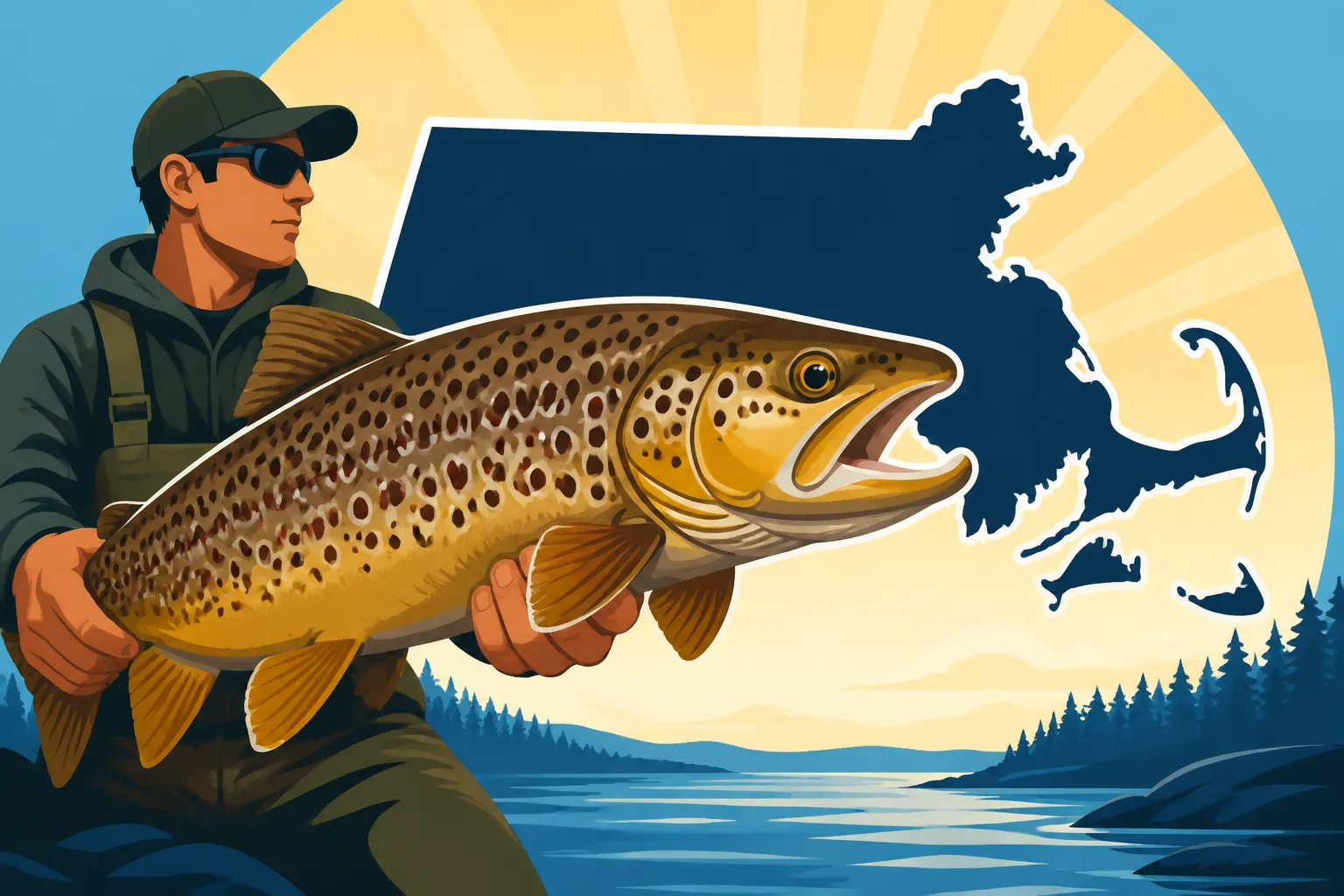
Massachusetts state record brown trout
Every angler in Massachusetts, whether they admit it or not, has a dream: that one monumental fish, the kind that makes your heart pound and your knees weak. While many of us are content with a good fight and a tasty dinner, there's a special kind of thrill in knowing your catch might just be a contender for the state record. For brown trout enthusiasts, the idea of landing a fish that surpasses the current Massachusetts state record is the ultimate quest. This guide will walk you through what that record entails, where these behemoths might be hiding, and what it takes to officially claim your place in the annals of Massachusetts fishing history.
The Allure of a Massachusetts State Record Brown Trout
There's something uniquely captivating about brown trout. They're not always as flashy as a rainbow trout, nor as vibrant as a brook trout, but their cunning, their powerful fight, and their tendency to grow to truly impressive sizes make them a highly sought-after species. For many, chasing big brown trout is a lifelong pursuit, filled with cold mornings, challenging casts, and the occasional heart-stopping strike. The thought of hooking into a fish large enough to be considered a state record is enough to keep any dedicated angler coming back to the water, season after season. It's not just about the size; it's about the story, the challenge, and the validation of countless hours spent honing skills and understanding the elusive nature of these magnificent fish.
Understanding What "State Record" Truly Means
When we talk about a "state record," we're not just discussing the biggest fish you've ever personally caught or seen in a local fishing report. A true state record is an officially recognized achievement, meticulously documented and verified by the Massachusetts Division of Fisheries and Wildlife (MassWildlife). This isn't just about weight; it's about the method of catch, the species identification, and the precise measurements taken on certified scales. The process is stringent because the record stands as a benchmark for all anglers in the state, a testament to both the individual's skill and the health of Massachusetts's aquatic ecosystems. Without these strict protocols, the integrity of the records would be compromised, diminishing the achievement for those who truly earn it. It’s about more than just bragging rights; it's about contributing to the historical data of a beloved fishery.
The Current Brown Trout Record Holder: A Tale of a Trophy Fish
The current Massachusetts state record for brown trout is a legendary fish, caught back in 1965 by Charles H. Cormier. This magnificent specimen weighed an astounding 19 pounds, 8 ounces, and was pulled from the cold waters of South Pond in the town of Otis. Just imagine, nearly 20 pounds of pure brown trout power! That's a fish that would make any rod bend double and any drag scream. This record has stood for decades, a true testament to the exceptional size and resilience of brown trout in certain Massachusetts waters. While specific details about that legendary day might be scarce now, the sheer weight of the fish continues to inspire anglers. It reminds us that while such catches are rare, they are indeed possible, fueling the dreams of those who dedicate themselves to finding the next record-breaker. It also highlights the historical productivity of some of our state's older, deeper ponds.
Where and How to Hunt for a Trophy Brown Trout in Massachusetts
The pursuit of a record-sized brown trout isn't just about luck; it's about strategic planning, understanding fish behavior, and knowing the waters. Brown trout are notoriously wary, especially the big ones, which have survived countless anglers and natural predators. They prefer cooler, well-oxygenated water and often lurk in deeper sections or around structure, making them a challenge to locate and tempt. This requires a different approach than simply casting a worm into a stocked pond. You need patience, persistence, and a willingness to explore lesser-known areas or to fish during less conventional times.
Prime Massachusetts Waters for Big Brown Trout
If you're dreaming of a record-breaking brown trout, you need to think big, deep, and often, remote. While MassWildlife regularly stocks various waters with brown trout, the truly massive, years-old specimens that approach record size typically come from specific types of environments. Large, deep lakes and reservoirs with abundant forage and cooler bottom temperatures are often the best bets.
Consider waters like:
- Quabbin Reservoir: This immense body of water is well-known for producing trophy-sized trout and salmon. Its sheer size, depth, and strict management make it a prime location. You'll need specific permits to fish here, but the potential rewards are incredible. Quabbin Reservoir Fishing Guide for Massachusetts Anglers is an excellent resource for getting started.
- Wachusett Reservoir: Another massive reservoir, Wachusett also holds very large trout. Similar to Quabbin, it has specific regulations and access points, but the cold, deep waters are ideal for brown trout to grow to impressive sizes. For more details, check out Wachusett Reservoir Fishing Guide for Massachusetts Anglers.
- Connecticut River: While often thought of for smallmouth bass and shad, certain sections of the Connecticut River and its larger tributaries, particularly in cooler stretches, can hold very large browns that have grown fat on abundant baitfish.
- Larger Deep Ponds: Beyond the reservoirs, some of the deeper, colder natural lakes and ponds across the state, especially in central and western Massachusetts, might harbor older, larger brown trout that have simply been overlooked. These might not be advertised as "trophy trout" waters, making them all the more intriguing for the dedicated record hunter.
- Deerfield River: Known for its excellent trout fishing, particularly fly fishing, the Deerfield River can also produce some impressive browns, especially in its deeper pools and faster runs where large fish can hide and ambush prey. For specific information, check out Deerfield River Trout Fishing Spots in Massachusetts.
It's not just about where the fish are stocked, but where they can thrive and survive for many years, avoiding predation and anglers, to reach truly epic proportions. These older, wiser fish are a different game entirely.
Essential Tactics and Gear for Record Contenders
Chasing a record brown trout requires a shift in mindset and gear. These aren't your typical freshly stocked fish, eager to bite anything that moves. Record-sized browns are often solitary, territorial, and incredibly wary.
Here's what you'll need to consider:
- Heavy Duty Rod and Reel: You're not bringing a knife to a gunfight. A medium-heavy to heavy spinning or baitcasting setup is essential, capable of handling large fish and strong runs. Look for a rod with good backbone and a reel with a smooth, powerful drag system. You can find many reliable options on Amazon.
- Strong Line: Don't skimp on your line. Braided line in the 15-30 lb test range with a fluorocarbon leader (10-20 lb test) offers strength and abrasion resistance, crucial for battling a big fish around structure. Heavy mono can also work, especially if you're trolling.
- Bait and Lure Choices: Big browns often key in on larger prey.
- Live Bait: Large shiners, suckers, or even small trout (where legal and appropriate) are often irresistible to a trophy brown. Presenting these on a slip sinker rig or under a float in deeper water can be highly effective.
- Large Jerkbaits and Swimbaits: Lures that imitate larger baitfish are excellent choices. Look for models 4-8 inches long. Brands like Rapala, Daiwa, and Megabass make excellent options, many of which are available for purchase on Amazon.
- Spoons and Blade Baits: These can be effective for trolling or casting in deeper waters, mimicking fleeing baitfish.
- Fly Fishing: For fly anglers, streamer patterns that imitate baitfish (e.g., Clouser Minnows, Lefty's Deceivers) in larger sizes are key. Fly Fishing for Trout in Massachusetts Rivers delves into some specific techniques.
- Boat or Kayak: Accessing deeper water and covering more ground is often necessary. A boat with a good fish finder is invaluable for locating structure and schools of baitfish where large browns might be lurking. If you're using a kayak, ensure it's stable and equipped for deep-water trolling or anchoring.
- Patience and Persistence: More than any gear, these are your most important assets. You might spend days or weeks targeting a specific area or fish without a bite. The record-breaker is often the reward for unwavering dedication.
Best Times of Year for Chasing Giant Browns
Brown trout are cold-water fish, and their activity levels are heavily influenced by water temperature. This means certain times of the year offer better chances for hooking a monster.
- Spring (Ice-out to early June): As the ice melts and water temperatures remain cool, brown trout become very active. They're often feeding heavily after a long winter and can be found shallower than in summer, making them more accessible. This is an excellent time for casting and trolling. MassWildlife's spring trout stocking often kicks off activity, but you're looking for the older, bigger holdovers. Massachusetts Spring Trout Stocking Towns List might provide insights into waters that receive good numbers of browns.
- Fall (September to November): This is arguably the prime time for trophy brown trout. As water temperatures drop and the fish prepare for spawning, they become incredibly aggressive and can be found feeding voraciously. They'll move into shallower areas, especially near tributary mouths, making them vulnerable to both lures and large baits. The cooler water also means they'll fight harder.
- Winter (Ice Fishing Season): Don't overlook ice fishing. In deep, cold lakes, large brown trout can be caught through the ice. Jigging large spoons or setting tip-ups with big shiners in deep basins or near underwater structure can produce giants. Just remember to prioritize Massachusetts Ice Fishing Safety and Ice Thickness!
Summer can be challenging as brown trout retreat to the deepest, coolest parts of a lake or reservoir. Early mornings and late evenings are your best bet during the warmer months, focusing on areas with cold water inflows or significant depth.
| Feature | Typical Brown Trout (Mass. Stocked) | Record Contender Brown Trout |
|---|---|---|
| Typical Length | 10-18 inches | 25-35+ inches |
| Typical Weight | 0.5-2 pounds | 10-20+ pounds |
| Age | 1-3 years | 5-10+ years |
| Preferred Habitat | Stocked ponds, rivers | Deep, cold lakes/reservoirs, large rivers |
| Diet | Insects, small fish, worms | Large baitfish, smaller trout, crayfish |
| Fight Style | Spirited runs, jumps | Powerful, deep runs, head shakes |
| Gear Required | Light to medium spinning | Medium-heavy to heavy, strong drag |
| Best Season | Spring, Fall | Fall, Spring, Winter (ice) |
The Process of Documenting a Potential State Record Catch
So, you've done it. After countless hours, perhaps even years, you've landed a brown trout that looks like it could shatter the state record. The adrenaline is pumping, your hands might be shaking, but now is not the time to lose your head. The moments immediately following the catch are crucial for ensuring your fish can be officially recognized. Missing even one step can invalidate your claim, no matter how magnificent the fish. This is where meticulousness truly pays off, turning a personal triumph into a public record.
Critical Steps Immediately After Landing a Potential Record
If you believe you've caught a potential state record brown trout, every second counts, and precision is paramount.
- Keep the Fish Alive (If Possible, But Weight is Key): While catch and release is admirable, for an official weight record, the fish generally needs to be deceased for accurate weighing on certified scales. If you plan to release, you'll need to follow specific length/girth record procedures if available, but for the main weight record, prepare to keep it.
- Verify Species: Double-check that it is indeed a brown trout. Sometimes, very large rainbow or lake trout can be confused, especially by excited anglers. Familiarize yourself with the identifying features of a brown trout before you even cast your line.
- Handle with Care: Treat the fish carefully to avoid damage that could affect its weight or appearance for verification. Avoid gutting or cleaning it until after it's been officially weighed and measured.
- Preserve the Fish: Immediately place the fish on ice in a cooler. This is critical to prevent weight loss due to dehydration or spoilage. A few hours without proper cooling can mean losing precious ounces that could be the difference between a record and just a big fish.
- Seek Certified Scales: This is the most important step. You must have the fish weighed on a state-certified scale. This means scales found at post offices, butcher shops, commercial fish markets, or some major supermarkets that are regularly inspected for accuracy. Call ahead to confirm they have certified scales and are willing to weigh your fish. A digital fish scale you bought on Amazon, no matter how expensive, will not be sufficient for an official record.
- Take Measurements: Record the total length and girth of the fish. While weight is the primary factor for most state records, these measurements are important for documentation and can sometimes be used for length-based records if available.
- Photographs: Take multiple clear photographs of the fish from different angles, especially with a recognizable object (like a ruler) for scale. Include photos of the fish with you, and photos of the fish on the certified scale with the weight clearly visible. These will be essential for documentation.
- Witnesses: Ideally, have at least one, but preferably two, reliable witnesses present during the weighing and measuring process. Their statements can add credibility to your claim.
Remember, the goal is to provide irrefutable evidence that your fish meets all the criteria.
MassWildlife's Official Submission Requirements
Once you have your fish weighed and documented, the next step is to formally submit your claim to MassWildlife. Their process is thorough to maintain the integrity of the state record system.
- Official Application Form: MassWildlife provides a specific "Freshwater Sportfishing Awards Program" application form. You'll need to fill this out completely and accurately. It will ask for details about the catch, including the date, location, fishing method, and specific gear used.
- Witness Signatures: The form will require signatures from your witnesses, confirming the details of the catch and the weighing process.
- Scale Certification: You'll need proof that the scale used was indeed certified. This might involve getting a signature or stamp from the establishment where it was weighed, or providing a copy of the scale's latest certification.
- Photographic Evidence: Submit your clear, high-quality photographs. These help MassWildlife confirm the species identification and visually corroborate the size.
- Verification: MassWildlife biologists may need to physically inspect the fish to confirm its species identification, especially if it's a borderline or unusual catch. This is why preserving the fish on ice is so crucial.
- Patience: The review process can take some time as MassWildlife verifies all the details. Don't expect an immediate answer, but keep in touch with them if you have questions.
Adhering to these requirements is non-negotiable. MassWildlife takes its records seriously, and so should you if you want your monumental catch to be officially recognized as the next Massachusetts state record brown trout. It’s a moment of truth, where the joy of the catch meets the rigor of official documentation. Following these steps diligently will give your incredible catch the best chance of earning its rightful place in Massachusetts fishing history.
Disclaimer
This article is for general informational purposes only and does not constitute professional advice. Laws, prices and regulations vary by location and change over time. Consult a qualified professional for guidance on your specific situation.