How big chain pickerel get in Massachusetts
Anyone who has spent time fishing the freshwater ponds and lakes across Massachusetts knows the chain pickerel. They're those toothy, aggressive predators that often surprise you with their ambush attacks, especially when you're targeting other species. But how big do these feisty fish actually get in our local waters? It's a question many anglers ponder, often wondering if that average 18-inch catch could ever be a true lunker. This guide will dive deep into the typical sizes of chain pickerel in the Bay State, explore the factors influencing their growth, and offer insights into landing those larger, more memorable specimens.
The Elusive Chain Pickerel: A Quick Introduction to This Massachusetts Native
Chain pickerel are fascinating freshwater fish that play a vital role in our local aquatic ecosystems. They're often overlooked in favor of bass or trout, but their aggressive nature and willingness to strike make them incredibly fun to pursue, even if you’re just getting started. Understanding what makes them tick is the first step to appreciating their potential size.
What Makes a Chain Pickerel Stand Out?
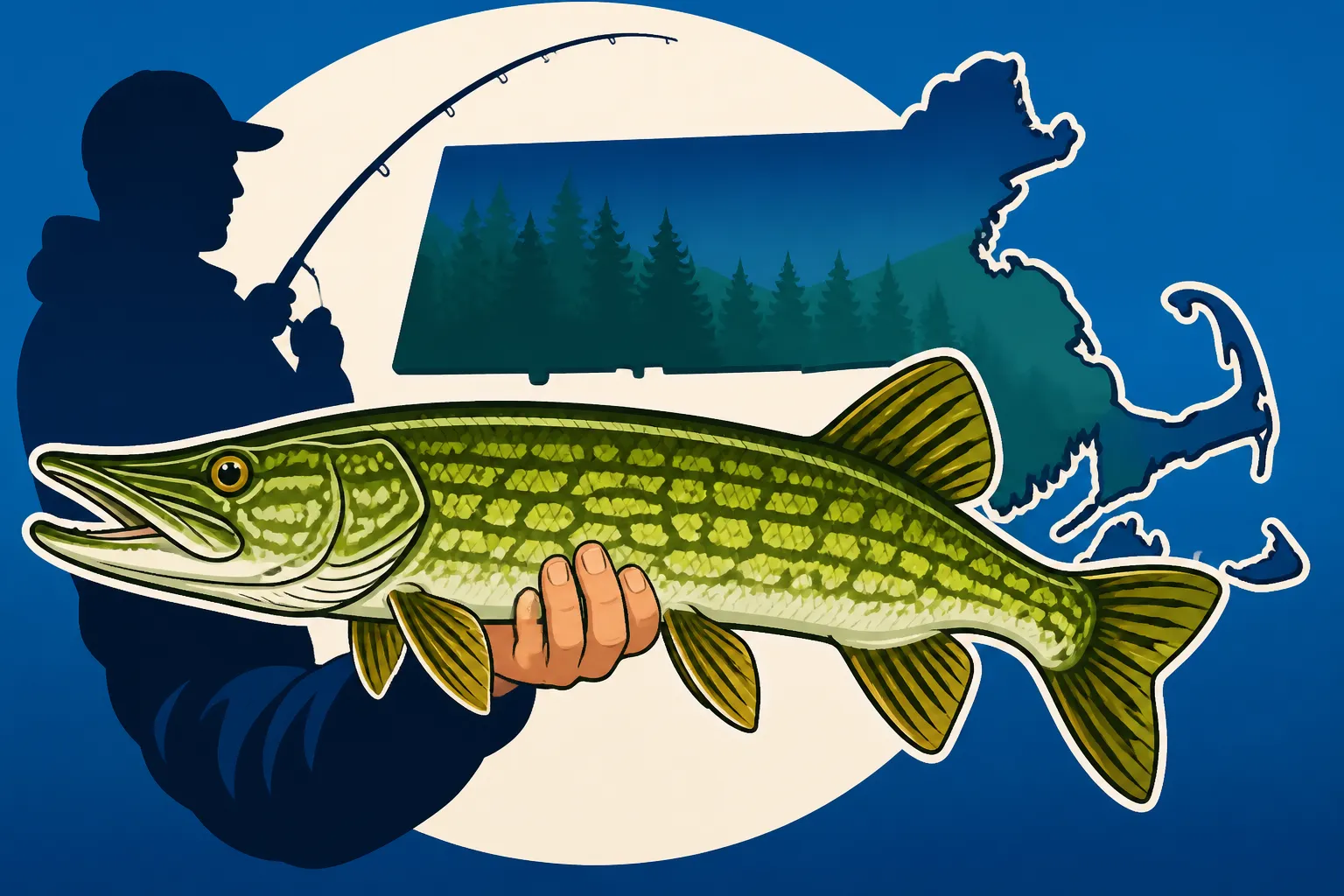
The chain pickerel (scientific name: Esox niger) is a member of the pike family, instantly recognizable by its distinctive, chain-like pattern of dark markings on a greenish-yellow body. They have a long, slender body, a duck-bill shaped snout, and a mouth full of sharp, needle-like teeth – a clear indicator of their predatory lifestyle. You might occasionally confuse them with northern pike or even muskellunge, but the chain-like pattern and fully scaled cheek and gill covers are dead giveaways. Unlike many other fish, their dorsal and anal fins are set far back on their body, near the tail, giving them incredible burst speed for ambushing prey. They are truly perfectly designed freshwater hunters, waiting silently in the weeds before exploding onto an unsuspecting baitfish or frog.
Massachusetts Waters: Where Pickerel Call Home
In Massachusetts, chain pickerel are widespread and can be found in almost any freshwater body that offers suitable habitat. They thrive in shallow, weedy environments, preferring ponds, lakes, slow-moving rivers, and even larger streams with plenty of submerged vegetation, lily pads, and fallen timber. These areas provide both ambush points for hunting and cover from larger predators. You'll find them lurking in the murky waters of southeastern Massachusetts ponds, the clearer lakes of central Massachusetts, and even the smaller, overlooked water bodies in the Berkshires. They are incredibly adaptable, which is why they are such a common catch across the state. They don't typically do well in fast-moving, cold, clear trout streams, but if there's an eddy or a backwater with some weeds, a pickerel might just be calling it home. For a broader look at the fish you can find, check out our guide on Freshwater Fish Species in Massachusetts.
Unpacking Pickerel Size: The Reality in Massachusetts Lakes and Ponds
When you hook into a chain pickerel, it's often a decent fight, regardless of its size. But there's a definite difference between a common catch and what many anglers would consider a "trophy" pickerel. Let's delve into what you can typically expect and what pushes some of these fish to impressive lengths.
Common Catches Versus "Trophy" Expectations
Most anglers in Massachusetts regularly encounter chain pickerel in the 14 to 22-inch range. These fish typically weigh anywhere from a pound to two or three pounds. They are lean, aggressive, and provide plenty of sport on light to medium tackle. This size class represents the vast majority of the pickerel population in many of our ponds and lakes. However, every now and then, an angler lands a true brute – a fish that pushes the upper limits of the species' growth. A "trophy" chain pickerel in Massachusetts generally starts around 24 inches and can weigh upwards of four pounds. These are the fish that make you double-take and truly appreciate their power. Anything over 26 inches is an exceptional catch, making it a fish of a lifetime for many.
What Drives Their Growth? Key Environmental Factors
Several critical factors influence how large a chain pickerel can grow in a particular Massachusetts water body. Just like any other fish, it's a delicate balance of nature's offerings.
- Food Availability: This is perhaps the most significant factor. Pickerel are voracious predators, and a steady supply of baitfish (like golden shiners, yellow perch, or smaller sunfish), frogs, and even mice or insects is crucial for rapid growth. Ponds with a thriving forage base tend to produce larger pickerel.
- Water Quality and Habitat: Clean, well-oxygenated water with abundant aquatic vegetation provides the ideal environment. Healthy weed beds offer cover and hunting grounds, allowing pickerel to grow without undue stress. Conversely, stagnant, nutrient-poor waters tend to stunt growth.
- Water Temperature: Pickerel are cool-water fish, and while they tolerate warmer summer temperatures, sustained heat can slow their metabolism and growth. Optimal feeding and growth typically occur in cooler spring and fall waters.
- Fishing Pressure: Heavily fished waters, especially those where anglers consistently keep larger pickerel, can reduce the average size of the population over time. Less pressure allows more fish to reach older ages and larger sizes.
- Age: Simply put, older fish are generally larger fish. Pickerel can live for 6 to 10 years or more in ideal conditions, and it's these older, wiser fish that reach the impressive lengths we consider trophies. Their growth rate slows significantly after the first few years, but they continue to add length and girth.
Beyond the Average: Exploring Massachusetts' Largest Pickerel
While most of us will catch pickerel in the "average" range, the potential for a truly massive fish is always there, lurking in the shadows of a lily pad field. Massachusetts has a long history of producing impressive chain pickerel catches. Without getting into specific numbers that can change over time, the state record for chain pickerel showcases just how big these fish can truly get in the Bay State. These record-setting fish typically push the envelope in both length and weight, often exceeding 28 or even 30 inches and weighing five pounds or more.
Anglers often report catching large pickerel from some of the deeper, less-pressured lakes, or those with expansive shallow weed flats that act as nurseries for their prey. Think about water bodies that have excellent populations of smelt or shiners – these are often the places where pickerel can truly pack on the pounds. It’s important to remember that such giants are rare, making each one an extra special catch.
Strategies for Hooking Bigger Pickerel in the Bay State
If you're tired of catching the "average" pickerel and want to challenge yourself to land one of the Bay State's bigger specimens, you'll need to adjust your approach. Targeting trophy pickerel requires a combination of specific tackle, techniques, and knowing when and where to fish.
Lures and Baits That Entice the Big Ones
Bigger pickerel, like any large predator, are often looking for a substantial meal. While they'll still hit smaller baits, upsizing your presentation can often filter out the smaller fish and attract the attention of a lunker.
- Large Shiners and Suckers: Live bait is incredibly effective, especially large golden shiners or medium-sized suckers fished under a bobber or slowly retrieved. A 4-6 inch shiner is not too big for a hungry pickerel. You can often find bait buckets, aerators, and larger hook sizes suitable for this kind of live bait fishing on Amazon.
- Swim Baits and Jerkbaits: Hard-bodied swim baits or jerkbaits that imitate a wounded baitfish are excellent choices. Look for models in the 4-6 inch range, in natural baitfish colors (silver, perch patterns) or aggressive, bright colors like firetiger. Work them with a twitch-pause retrieve, mimicking erratic prey.
- Spoons: Classic metal spoons, particularly those with a wobbling action, are deadly. Brands like Johnson Silver Minnow or Dardevle spoons in sizes appropriate for larger fish (1/2 oz to 1 oz) are excellent. Their flash and erratic movement drive pickerel wild.
- Spinnerbaits: For fishing through weeds, a weedless spinnerbait with a large blade (or tandem blades) can be incredibly effective. The vibration and flash through the vegetation are irresistible. Opt for models with larger skirts and heavier weights.
- Topwater Lures: During warmer months, especially at dawn or dusk, large topwater poppers or walking baits can provoke explosive strikes from big pickerel. Nothing beats the thrill of a surface explosion!
Remember, pickerel have sharp teeth, so using a wire leader or heavy fluorocarbon leader (30-50 lb test) is highly recommended to prevent bite-offs. You can easily stock up on these essentials and a variety of lures from online retailers like Amazon.
When and Where to Cast for That Monster Pickerel
Timing and location are everything when it comes to consistently catching larger pickerel. They have predictable behaviors that you can exploit.
- Seasons: While pickerel can be caught year-round, spring and fall are often the prime times for larger fish. In spring, they are actively feeding after spawning, and in fall, they are bulking up for winter. During the summer, target them in deeper weed lines or during low light conditions. And don't forget winter! Ice Fishing in Massachusetts is an incredibly popular way to target large pickerel, especially with tip-ups.
- Time of Day: Early mornings and late afternoons/evenings tend to be most productive, as these are peak feeding times for many predatory fish. On overcast days, pickerel might remain active throughout the day.
- Structure is Key: Big pickerel are ambush predators, so focus on areas with significant cover:
- Thick Weed Lines: The edges of expansive weed beds, especially where they meet deeper water.
- Lily Pad Fields: Pickerel love to hide beneath lily pads, waiting for prey.
- Fallen Trees and Brush Piles: These provide excellent cover and structure in otherwise featureless areas.
- Points and Coves: Areas where structure extends into the water or sheltered coves with plenty of vegetation.
- Inlets and Outlets: Where streams or rivers flow into or out of a pond, creating current and bringing in food.
When ice fishing, look for those same weed beds or sudden depth changes under the ice. Our guide on Tip-Up Fishing for Pickerel and Perch in Massachusetts has more insights on this specific technique.
Handling and Releasing Big Pickerel: Protecting Our Pickerel Population
Catching a truly big pickerel is an achievement, and ensuring its survival if you plan to release it is crucial for maintaining healthy fisheries. Their sharp teeth demand careful handling.
- Use the Right Tools: A pair of long-nosed pliers or a jaw gripper is absolutely essential for removing hooks safely and quickly without putting your fingers near those teeth. A landing net can also help to subdue a large fish quickly. You can find robust options for these tools on Amazon.
- Minimize Out-of-Water Time: Keep the fish in the water as much as possible. If you must take a photo, do so quickly and support the fish horizontally with two hands (one under the head, one under the tail) to avoid damaging its internal organs or spine.
- Careful Hook Removal: If the hook is deeply embedded, it might be better to cut the line as close to the hook as possible. Stainless steel hooks will eventually rust out.
- Revival: If the fish seems sluggish, hold it gently in the water, facing into any current, and allow water to flow over its gills until it swims away under its own power.
By practicing responsible catch and release, especially for the larger, older fish, we help ensure these magnificent predators continue to thrive in Massachusetts waters for future generations of anglers. Always remember to check Massachusetts Freshwater Daily Catch Limits before your trip.
Understanding Massachusetts Pickerel Regulations and Conservation
Fishing for chain pickerel in Massachusetts is generally quite accessible, but like all species, there are regulations in place to ensure their populations remain healthy and sustainable. Being a responsible angler means understanding and adhering to these rules.
Navigating the Rules for Pickerel Anglers
Massachusetts has clear guidelines for freshwater fishing, which include chain pickerel. These regulations cover aspects such as daily catch limits, possession limits, and sometimes even minimum size limits in specific water bodies, though pickerel generally have a pretty liberal allowance compared to, say, trout or bass. It's always your responsibility to know the current rules before you cast a line.
- Check the Latest Regulations: The Massachusetts Division of Fisheries and Wildlife (MassWildlife) publishes an annual fishing regulations pamphlet. This invaluable resource is available online, at license vendors, and in sporting goods stores. Consulting it is non-negotiable before heading out. Our guide on the Massachusetts Fishing Regulations Pamphlet, Explained can help you navigate this document.
- License Requirements: Remember, anyone 15 years of age or older needs a valid freshwater fishing license to fish for chain pickerel (or any other freshwater species) in public waters in Massachusetts. You can learn more about this in our Massachusetts Fishing License Guide.
- Specific Waters: While general rules apply, some specific ponds or lakes might have unique regulations. For example, certain reservoirs might have specific access rules or restrictions on bait use. Always double-check if you're fishing a new spot. If you're wondering if a license is even needed for your local spot, check out Do You Need a License to Fish in Massachusetts Ponds?.
The Role of Pickerel in Our Ecosystem
Chain pickerel are apex predators in many of the shallow, vegetated freshwater systems they inhabit. This means they play a crucial role in maintaining the balance of these ecosystems.
- Population Control: By preying on smaller baitfish and even juvenile panfish, pickerel help to control populations, preventing overpopulation of certain species and ensuring a healthier overall fish community.
- Indicator Species: A healthy population of pickerel can often indicate a healthy aquatic environment. Their presence suggests good water quality and a robust food web.
- Sporting Value: Beyond their ecological importance, pickerel provide immense recreational value to anglers across the state. Their aggressive strikes and fighting spirit offer an exciting fishing experience, particularly for those new to the sport or looking for action on a slow day.
By respecting regulations and practicing responsible angling, we contribute to the long-term health of these dynamic fish and the ecosystems they call home. Every angler has a part to play in ensuring that future generations can enjoy the thrill of hooking into a Massachusetts chain pickerel, whether it's an average size or a true trophy.
Chain Pickerel Size Quick Reference
Here's a quick look at what you might expect when targeting chain pickerel in Massachusetts:
| Category | Typical Length Range (inches) | Typical Weight Range (pounds) | Description |
|---|---|---|---|
| Common Catch | 14 – 22 | 1 – 3 | What most anglers encounter regularly. |
| "Trophy" Size | 24+ | 4+ | An impressive, less common catch. |
| State Record | 28+ | 5+ | Exceptional, rare fish at the upper limit of the species. |
Remember that these are general guidelines, and actual sizes can vary significantly based on the specific water body and environmental conditions.
Disclaimer
This article is for general informational purposes only and does not constitute professional advice. Laws, prices and regulations vary by location and change over time. Consult a qualified professional for guidance on your specific situation.