Are There Mercury Warnings for Fish in Massachusetts?
It's completely normal to feel a bit of apprehension when you pull a beautiful fish out of Massachusetts waters and start thinking about dinner. We've all heard the whispers and seen the headlines about contaminants in fish, and it can leave you wondering if your fresh catch is actually safe to eat. This guide is here to shed some light on mercury warnings for fish in Massachusetts, explaining why they exist, how to interpret them, and where to find the most current information so you can enjoy your angling adventures and your meals with confidence.
Understanding the 'Why' Behind Mercury in Fish
Let's be real, the idea of mercury in our food sounds pretty scary, and it's a valid concern. When you hear about fish consumption advisories, mercury is often at the top of the list. But what exactly is it, and how does it end up in the fish we love to catch here in Massachusetts? It’s not about industrial spills happening right in your favorite fishing hole; it's a much broader environmental issue.
The Source of Mercury Contamination
Mercury exists naturally in our environment, but human activities have significantly increased its presence. Think about industrial processes like coal-fired power plants, waste incinerators, and certain manufacturing operations – these are major contributors. When mercury is released into the atmosphere, it travels through the air and eventually settles into our lakes, rivers, and coastal waters, often hundreds or thousands of miles from its original source.
Once mercury hits the water, it doesn't just sit there. Microorganisms convert it into a more dangerous form called methylmercury. This is the organic compound that becomes a real problem for fish and, subsequently, for us. It’s not about a fish suddenly getting a dose of mercury; it’s a gradual accumulation over its lifetime.
How Mercury Accumulates in the Food Chain
This is where the term "biomagnification" comes into play, and it’s a crucial concept to grasp. Imagine tiny aquatic organisms ingesting methylmercury from the water. Then, small fish eat those tiny organisms, accumulating a little more mercury. Bigger fish eat the smaller fish, and the mercury levels compound. This process continues up the food chain, meaning the largest, oldest predatory fish tend to have the highest concentrations of mercury.
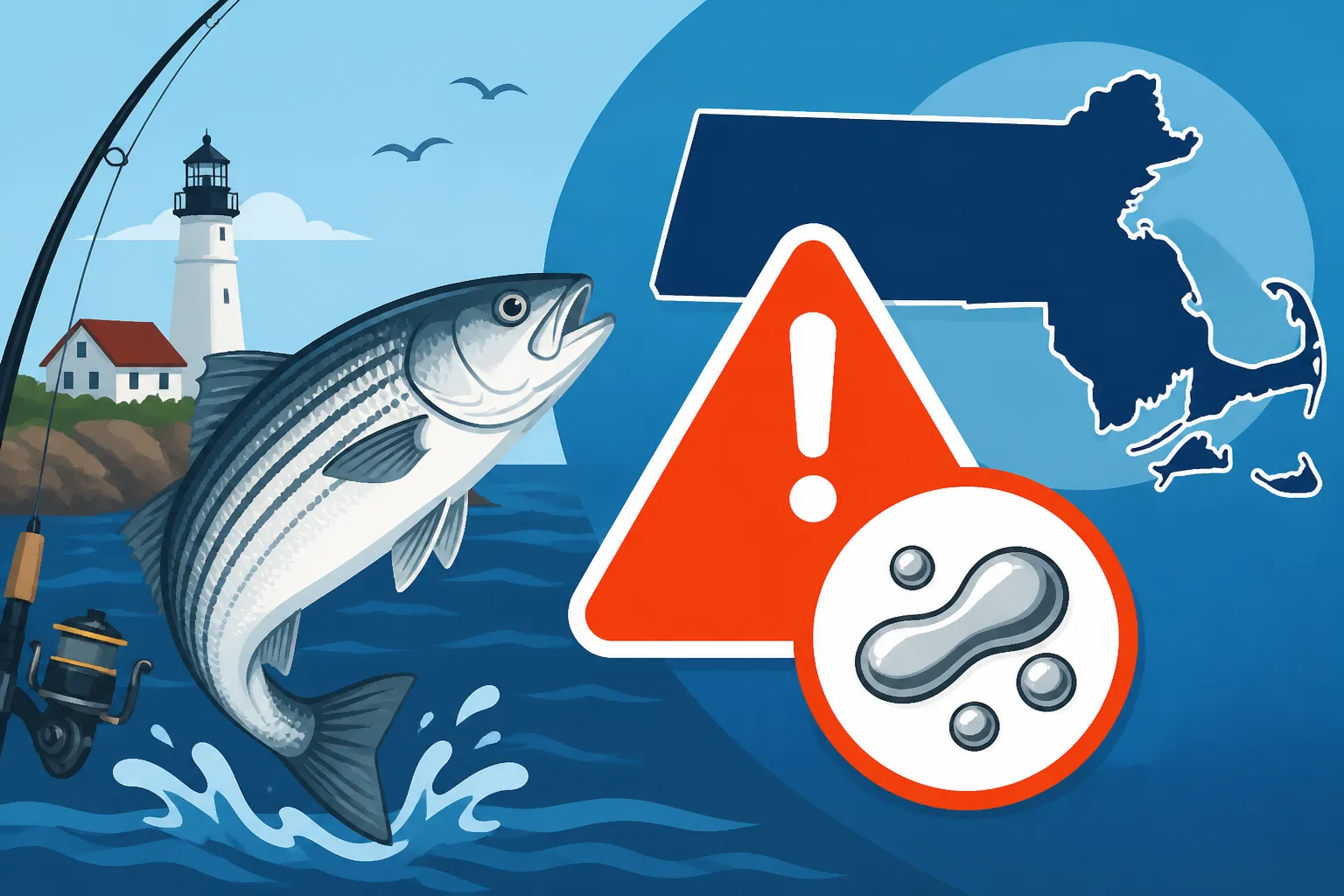
This is why you often hear specific warnings about certain species. A small baitfish might have very little mercury, but a large tuna or striped bass that has eaten thousands of those smaller fish over its long life can accumulate significantly higher levels. It's not the fish's fault, and it certainly doesn't mean our Massachusetts waters are "toxic," but it does mean we need to be mindful of what we eat, especially if we're regularly consuming our catch.
Decoding Massachusetts' Fish Consumption Advisories
So, knowing that mercury is out there, how does Massachusetts help anglers make informed decisions? The state, through agencies like the Department of Public Health (DPH) and the Department of Fish and Game (MassWildlife), issues specific fish consumption advisories. These aren't blanket bans on eating fish; they are carefully crafted guidelines designed to help you balance the incredible health benefits of eating fish with the potential risks from contaminants.
Identifying At-Risk Populations and Species
Not everyone is equally at risk when it comes to mercury consumption. These advisories typically pay special attention to sensitive populations where even small amounts of mercury can have a greater impact. This includes:
- Pregnant women: Methylmercury can affect the developing fetus.
- Women who may become pregnant: Mercury can stay in the body for a long time, so planning ahead is key.
- Nursing mothers: Methylmercury can pass to infants through breast milk.
- Young children: Their developing nervous systems are more vulnerable.
For these groups, advisories are often stricter, recommending smaller portion sizes or avoiding certain species altogether. For the general adult population, the guidelines are usually more lenient, allowing for more frequent consumption of a wider variety of fish.
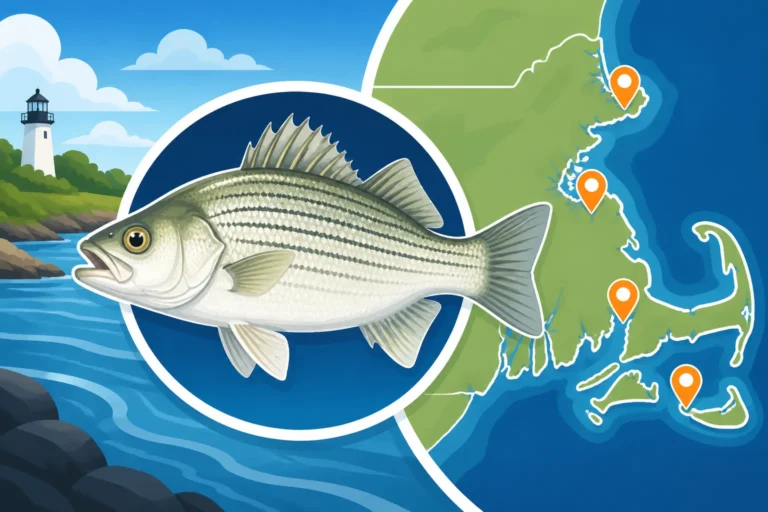
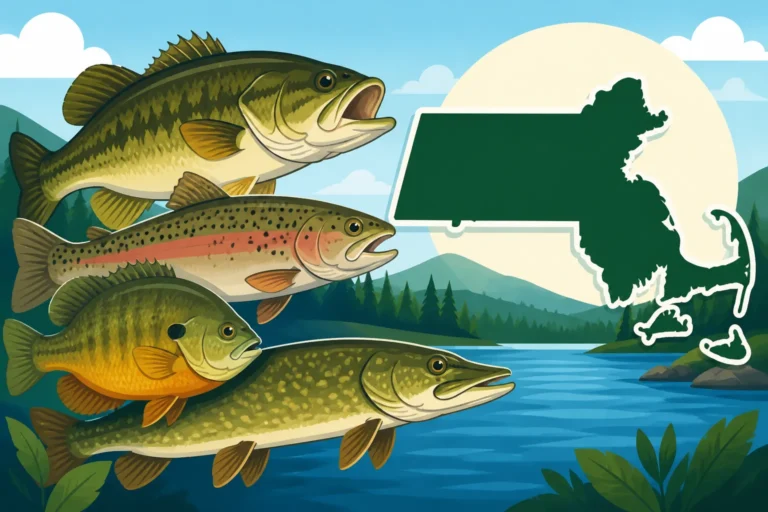
When it comes to species, the advisories are very specific. You'll find warnings for common Massachusetts catches like striped bass, bluefish, and even some freshwater species like largemouth bass and chain pickerel, especially the larger, older individuals. Smaller, shorter-lived fish tend to have lower mercury levels. Understanding Freshwater Fish Species in Massachusetts and Saltwater Fish Species in Massachusetts can help you recognize the fish mentioned in these advisories.
Understanding the "Meal" Recommendations
Massachusetts advisories often talk in terms of "meals per month" or "meals per week." What does a "meal" mean in this context? Generally, a meal is considered to be about 6 ounces of fish for adults and 2-3 ounces for young children. So, when an advisory says "limit to one meal per month," it’s not saying you can never eat that fish, but rather to enjoy it sparingly, especially if you fall into one of the sensitive categories.
It's important to differentiate between general advisories that apply statewide for certain species and site-specific advisories for particular bodies of water. Sometimes, a pond or river might have unique contamination issues, leading to an advisory that only applies to that specific location. For example, some older industrial areas might have legacy contaminants in their waterways, leading to localized warnings. This is why checking official sources for both statewide and local advisories is crucial. The Massachusetts Fishing Regulations Pamphlet, Explained often contains a summary of these advisories, but always double-check the DPH website for the most up-to-date information.
Making Smart Choices: Eating Fish Safely from Massachusetts Waters
Enjoying the bounty of Massachusetts waters is one of the best parts of being an angler. With a little knowledge and some common-sense practices, you can confidently bring your catch home for the dinner table. It’s all about making informed choices and being aware of the fish you’re targeting.
Which Fish Carry Consumption Advisories?
While mercury can be found in varying amounts in almost any fish, some species are more commonly flagged in advisories due to their size, diet, and lifespan. Here’s a general overview of what you might encounter in Massachusetts:
- Higher Mercury Potential:
- Larger, older predatory fish: This often includes larger striped bass (especially those at the upper end of the slot limit), bluefish, and sometimes large freshwater bass (like those that get to be How big largemouth bass get in Massachusetts ponds). These fish have had more time to accumulate mercury through their diet.
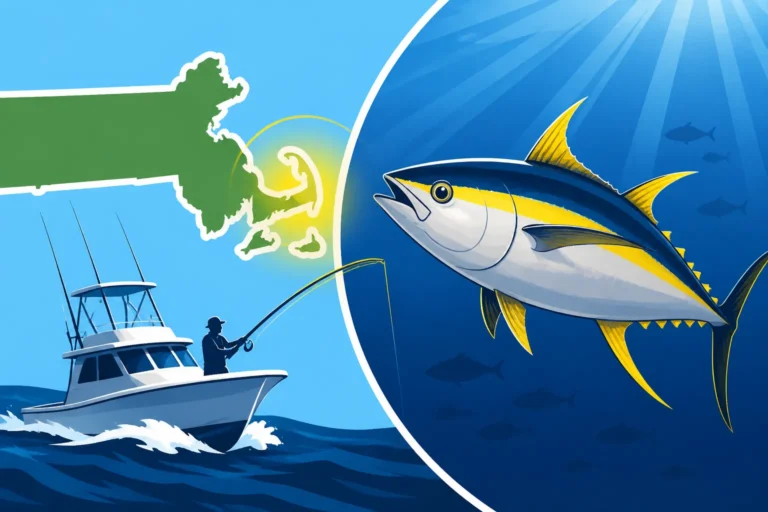
- Tuna: While not typically a recreational catch from inshore MA waters, if you venture offshore, larger tuna species can carry significant mercury levels.
- Lower Mercury Potential:
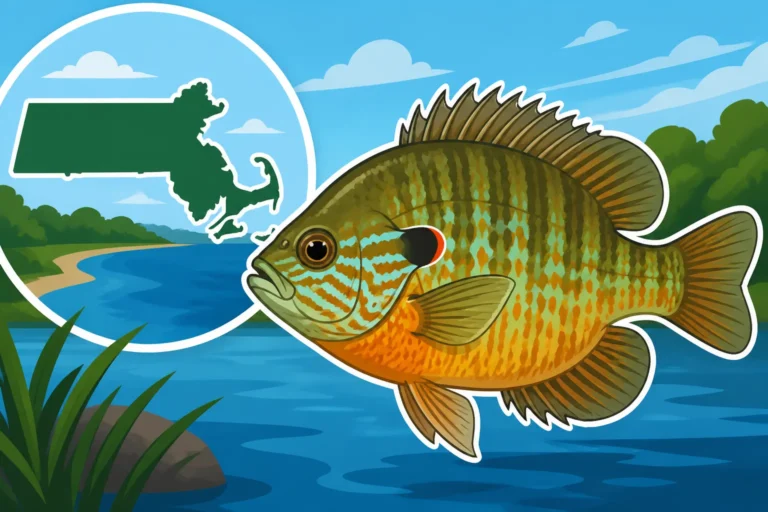
- Smaller, shorter-lived fish: Think panfish like perch and sunfish, or smaller trout. These fish haven't had as much time to accumulate contaminants.
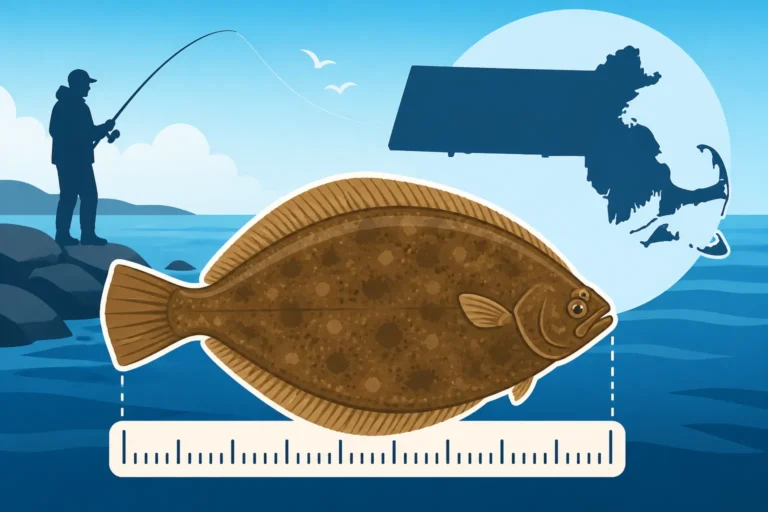
- Mackerel, flounder, and cod: Many of these species, depending on their size and specific location, often have lower mercury levels. You might even find Are Bluefish Good to Eat? discussions that delve into their mercury content and culinary aspects.
It's vital to remember that advisories can change, so a species that was fine last year might have updated guidance this year. Always refer to the official Massachusetts Department of Public Health (DPH) advisories.
Practical Tips for Reducing Mercury Exposure
Beyond choosing species wisely, there are several things you can do to minimize your mercury intake from your catch:
- Check the Advisories Regularly: This is your number one tool. Before you head out, especially to a new spot, check the DPH website for local and statewide advisories. Knowledge is power!
- Vary Your Diet: Don't eat the same type of fish from the same body of water every single day. Mix it up! Enjoy striped bass one week, switch to a panfish from a different pond the next, and then buy some commercially sourced salmon or shrimp. This diversification helps spread out any potential exposure.
- Practice Catch and Release for Larger Predatory Fish: For those trophy-sized striped bass, big lake trout, or other long-lived predators, consider snapping a photo and releasing them. Not only does this contribute to healthy fish populations, but it also reduces your potential mercury intake. You can learn more about general rules and limits in the Massachusetts Recreational Fishing Rules and Bag Limits.
- Trim Fat and Skin (Sometimes): While mercury is stored in the muscle tissue of fish (the part we eat), some other contaminants like PCBs can accumulate in fatty tissues. Trimming off the skin and fatty portions before cooking can reduce your exposure to these other pollutants.
- Identify Your Catch Accurately: Make sure you know exactly what you've caught. A good Massachusetts Fish Identification Guide can be invaluable. You can also pick up a useful waterproof field guide, perhaps one you ordered from Amazon, to keep handy in your tackle box. This ensures you're applying the correct advisory for the right fish.
- Measure Your Catch Accurately: Size matters! The larger the fish, the older it likely is, and the more mercury it may have accumulated. Be sure to accurately measure your fish, not just for legal limits (like the Massachusetts Striped Bass Slot Limit Explained), but also for consumption advisories. Stock up on some essential fishing gear like a sturdy measuring tape (also available on Amazon) to ensure your catch meets legal size requirements before you even think about consumption.
Here's a simplified table to give you a general idea of fish categories based on common Massachusetts advisories. Always consult official DPH resources for current, specific guidance.
| General Category | Example Massachusetts Species | Typical Advisory (General Population, not sensitive groups) |
|---|---|---|
| Lower Risk | Yellow Perch, Sunfish, Crappie, Brook Trout, Smaller Flounder, Mackerel | Often recommended as "2+ meals per week" or "unrestricted" |
| Moderate Risk | Rainbow Trout, Brown Trout, Cod, Pollock, Haddock, Smaller Striped Bass, Smaller Bluefish | Typically advised as "1-2 meals per week" |
| Higher Risk | Larger Striped Bass, Larger Bluefish, Largemouth Bass, Chain Pickerel, Lake Trout (from specific waters), Swordfish (not local catch) | Often advised as "1 meal per month" or "limit for sensitive groups" |
Disclaimer: This table is for illustrative purposes only and does not replace official Massachusetts Department of Public Health advisories. Always check the DPH website for the most current and specific guidance.
Finding the Most Current Massachusetts Fish Advisories
The landscape of environmental health and fishing regulations is dynamic. What might have been true five years ago could be different today as scientists gather more data and conditions change. That’s why it’s absolutely critical to go straight to the source for the latest information regarding fish consumption advisories in Massachusetts.
Official State Resources
Your primary and most reliable source for fish consumption advisories in Massachusetts will always be the Massachusetts Department of Public Health (DPH). They conduct the research, analyze the data, and issue the formal recommendations.
- DPH Website: The DPH maintains a dedicated section on their website for fish consumption advisories. This is where you’ll find detailed lists of specific bodies of water and the fish species within them that have advisories, along with statewide recommendations for popular marine and freshwater species. They’ll also break down the guidance for different populations, like pregnant women versus the general public. A quick search for "Massachusetts DPH fish consumption advisories" will get you there.
- MassWildlife Resources: While MassWildlife (the Division of Fisheries and Wildlife) focuses more on conservation, stocking, and fishing regulations, their website often provides links or summaries of DPH advisories, especially within their fishing guides or regulations pages. They also provide Where to find MassWildlife fishing access maps which can be useful when cross-referencing specific water bodies.
It's a good habit to check these sites before your first fishing trip of the season, and certainly before venturing to new fishing grounds. Even if you're a seasoned angler, regulations and advisories can sometimes change.
Why Online Is Best for Up-to-Date Info
While you might pick up a physical copy of the Massachusetts Fishing License Guide or the annual fishing regulations pamphlet at a bait shop (and that's a great idea for general rules!), remember that these printed materials have a publication date. Environmental data is constantly being updated. New studies on specific contaminants, changes in fish populations, or new analytical methods can all lead to revised advisories.
The internet allows the DPH to publish updates in real-time. So, while a printed pamphlet is a good general reference, make sure to use the official online DPH resources for the most current and granular details. For anglers who like to keep records, a fishing journal—easily found on Amazon—can be a great way to track your catches and note any advisories for that particular spot. You might even consider purchasing an e-reader or tablet, easily available through Amazon, to keep a digital copy of the latest regulations and advisories on hand while you're out fishing.
Disclaimer
This article is for general informational purposes only and does not constitute professional advice. Laws, prices and regulations vary by location and change over time. Consult a qualified professional for guidance on your specific situation.