Massachusetts fluke minimum length when fishing from shore
Trying to navigate the seemingly ever-changing world of fishing regulations in Massachusetts can feel like trying to catch a greased fish – slippery and frustrating! One of the most common questions I get from fellow shore anglers, myself included, is about the elusive summer flounder, or fluke, and specifically, what minimum length they need to be to keep when you're casting from a beach or a jetty. It can feel like there's a different rule for every scenario, and frankly, it is confusing. This guide is here to untangle those regulations, focusing specifically on the minimum length requirements for fluke when you're fishing from the shore in Massachusetts, ensuring you're compliant and confident on your next outing.
Understanding Massachusetts Fluke Regulations for Shore Anglers
Alright, let's get straight to it. When you're out there, boots in the sand or perched on a rock, hoping for that tell-tale thud of a fluke hitting your bait, you need to know the score. Massachusetts has specific regulations for summer flounder (fluke), and these rules can sometimes vary based on how and where you're fishing. The minimum length for fluke in Massachusetts, specifically when you are fishing from shore, has been a point of confusion for many anglers because it has seen adjustments over time, and sometimes differs from federal rules that might apply to offshore federal waters.
For recreational anglers casting lines from the beaches, piers, jetties, or any other shore-based access point in Massachusetts, the minimum length requirement for summer flounder is crucial. It’s not just a suggestion; it’s a legal requirement designed to protect fish stocks and ensure sustainable fishing for years to come. Keeping undersized fish, even accidentally, can lead to fines and penalties, which is the last thing anyone wants after a relaxing day by the water. Always double-check the current regulations before heading out, as they are subject to change. This guide aims to provide a clear, current understanding, but the official MassWildlife and Division of Marine Fisheries websites are your ultimate sources for the most up-to-date figures. You can find a comprehensive overview in our guide on Massachusetts Fluke Size Limits Explained.
Why Minimum Lengths Matter for Fluke
You might wonder why these specific length requirements are in place. It's not just to make our lives harder, I promise! These regulations are based on scientific data concerning fish reproduction and growth rates. Fluke, like many other species, need to reach a certain size to have the opportunity to spawn and contribute to the next generation. By setting a minimum length, fisheries managers aim to ensure that enough fish can reproduce before being harvested, helping to maintain a healthy and robust population. Without these rules, overfishing of smaller, immature fish could drastically reduce future stock, making it harder for all of us to enjoy this fantastic fishery. It’s a conservation effort that benefits every angler in the long run.
Think of it like tending a garden. You wouldn't pick all your tomatoes when they're still green, right? You want them to ripen and drop seeds for next year's crop. The same principle applies here. These regulations are an investment in the future of Massachusetts fishing.
Current Minimum Length for Shore-Caught Fluke
Here's the key takeaway for those fishing from shore in Massachusetts: The minimum length for summer flounder (fluke) when fishing from shore is set to ensure conservation goals are met while still allowing recreational harvest. It is important to note that state and federal waters sometimes have different rules, but for state waters accessible from shore, MassWildlife and the Division of Marine Fisheries set the standard.
Historically, there have been instances where the minimum size for fluke caught from shore was slightly different than for those caught from a boat, particularly in certain areas or during specific seasons. However, the trend has been towards alignment where possible, to simplify things for anglers. Always confirm the most recent regulations as they can be updated. For comparison, you might want to look at Massachusetts fluke minimum length when fishing from a boat. The regulations are designed to be quite clear, but it's our responsibility as anglers to understand them fully.
As an example, imagine you're fishing a popular spot like the beach near Race Point on Cape Cod. You cast your bucktail jig, retrieve it slowly, and feel that familiar thump. You reel in a beautiful fluke, but before you celebrate, you grab your tape measure. If it's even a fraction of an inch under the legal limit, back it goes, no matter how tempting it is to keep. That adherence is what helps keep our fluke populations strong.
How to Accurately Measure Your Fluke
Proper measurement is absolutely critical. A quick guess or an inaccurate measurement can mean the difference between a legal catch and a violation. Trust me, you don't want to get it wrong. It's not just about avoiding a fine; it's about respecting the fish and the regulations put in place to protect them.
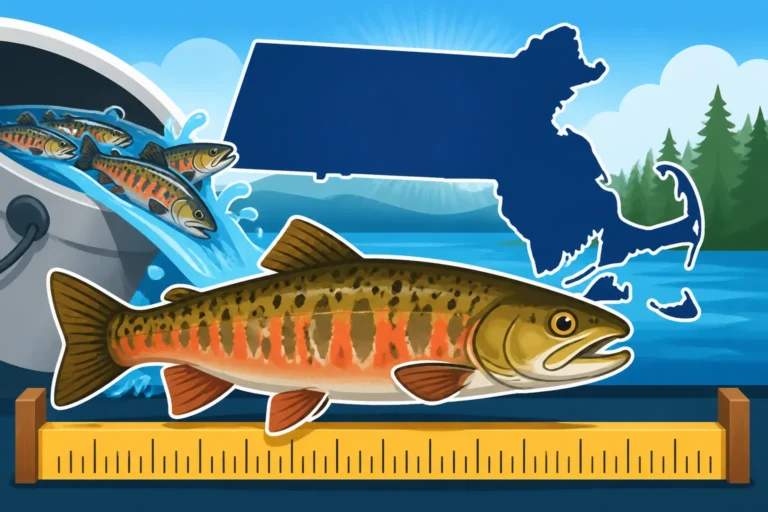
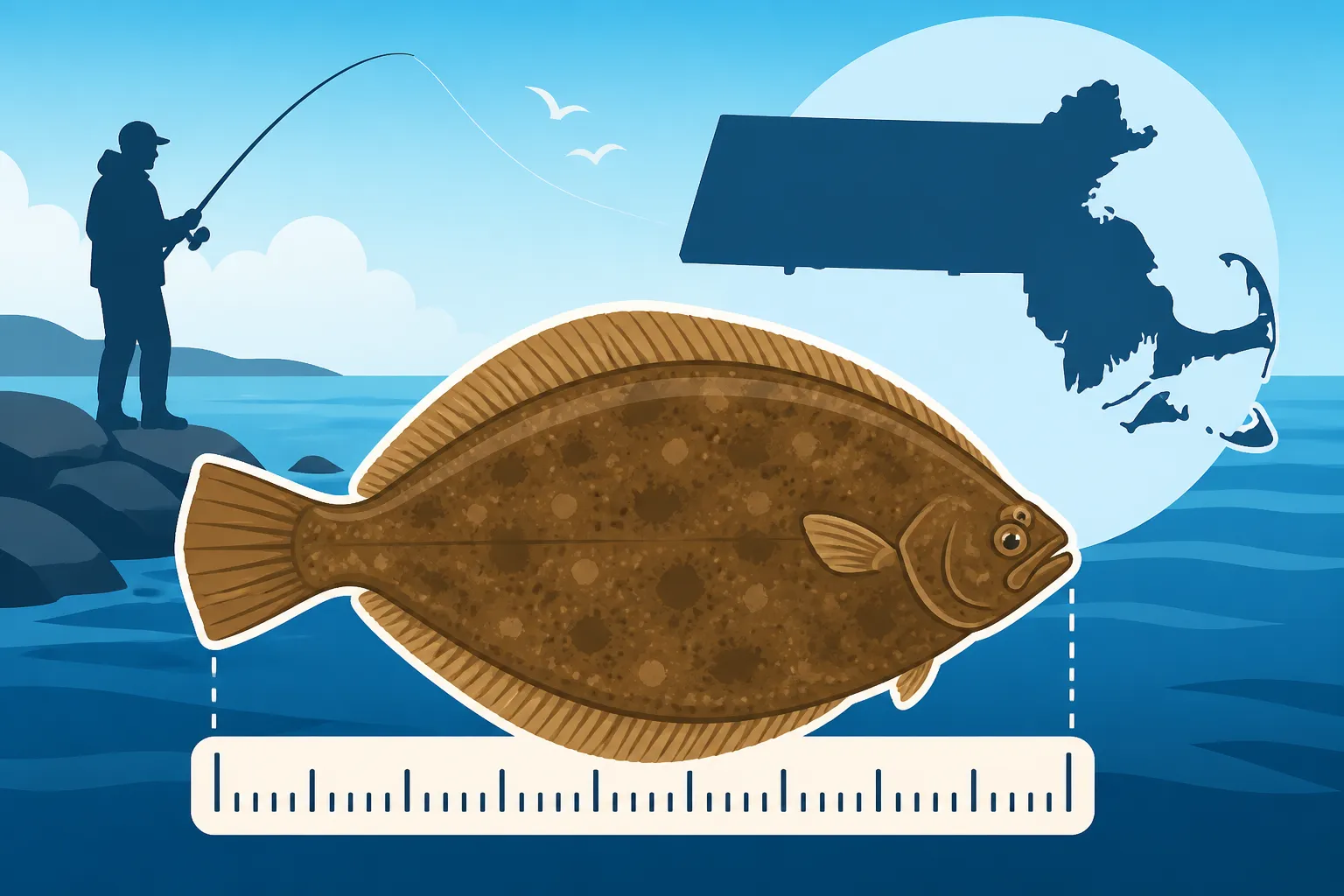
When measuring fluke, you need to measure the total length of the fish. This isn't just from the tip of the nose to the fork in the tail. It's the absolute longest point of the fish.
Step-by-Step Guide to Fluke Measurement
- Lay the Fish Flat: Place the fluke on a flat, hard surface. A measuring board is ideal, but a boat deck, a cooler lid, or even a sandy beach with a reliable tape measure works. Ensure the fish is straight, not curved.
- Close the Mouth: Gently push the fish's mouth closed. The measurement starts from the tip of the jaw, or the most forward point of the head.
- Squeeze the Tail: With the mouth closed against the zero mark of your measuring device, gently squeeze the tail lobes together. This effectively maximizes the length of the fish.
- Read the Measurement: Read the measurement from the very end of the squeezed tail. That's your total length.
It sounds simple, but in the excitement of a catch, it’s easy to make a mistake. Many anglers carry a sturdy, waterproof measuring tape or a specialized fish ruler that often has regulation markings. You can find various options for these on sites like Amazon, making it easy to grab one before your next trip. Having a clear, easy-to-read measuring device is a small investment that pays off big time in peace of mind.
Common Measurement Mistakes to Avoid
- Measuring to the Fork: Fluke are measured to the tip of the tail, with the tail squeezed, not to the fork. This is a common mistake that can lead to keeping an undersized fish.
- Curved Fish: A fish that's flopping or curved won't give an accurate measurement. Gently subdue it and lay it flat.
- Reading at an Angle: Always read the measurement directly from above to avoid parallax error, where your eye level can make the mark appear higher or lower than it actually is.
- Unreliable Measuring Devices: Don't rely on estimations or flimsy, stretchy tape measures. Invest in a proper, rigid ruler or a good quality, non-stretchable measuring tape.
Knowing these details is part of being a responsible angler. When you're confident in your measurement technique, you can quickly assess your catch and make the right decision.
Specific Regulations: Shore vs. Boat and Other Factors
While this guide focuses on shore fishing, it's worth understanding how other factors can influence fluke regulations. Sometimes, the rules for commercial fishing are vastly different from recreational, and even within recreational fishing, certain waters or seasons might have nuances.
Let's clarify some of these factors in a simple table. Please note that exact numbers for bag limits and seasons are subject to change year-to-year and anglers should always check the most current regulations from MassWildlife.
| Factor | General Principle for Fluke (Recreational) | Nuances to Consider |
|---|---|---|
| Minimum Length | Varies by state; MA has specific limits. | Historically, shore vs. boat minimums could differ. Often, they align but always verify for current year. Some states might have federal vs. state water differences. |
| Bag Limit | Number of fish allowed per angler per day. | Typically, 5-8 fish per person per day. This limit can change based on stock assessments and conservation needs. |
| Season | Open season with specific dates. | Usually late spring/early summer through early fall. The exact Fluke season opening date for 2026 and closing dates vary annually. Fishing outside the season is prohibited. |
| Location | State vs. Federal Waters | Most shore fishing is in state waters. Fishing further offshore in federal waters can have slightly different minimum lengths, bag limits, and seasons. Charter boats often operate in both, and the captain will inform you. |
| License/Permit | Required for saltwater fishing. | In Massachusetts, a Massachusetts Saltwater Recreational Fishing Permit Explained is required for most saltwater fishing, including fluke. There are exceptions, such as for those over a certain age or participating in free fishing days. Always carry proof of your license, whether a physical copy or a digital one, which you can usually show from your phone. Carrying Proof of Your Massachusetts Fishing License is important. |
It’s crucial to understand these distinctions, especially if you ever venture out on a boat or fish near state lines. For example, if you're fishing the waters of Buzzards Bay, you're firmly in Massachusetts state waters, and the state's shore fishing regulations apply directly. However, if you were to book a charter out of Boston that goes far offshore, you might encounter federal regulations that dictate slightly different rules.
The Massachusetts Saltwater Recreational Fishing Permit
Speaking of licenses, don't forget your Massachusetts saltwater recreational fishing permit! It's a non-negotiable requirement for virtually all saltwater fishing in the state, including targeting fluke from shore. This permit helps fund conservation efforts and management of our marine resources, ensuring that species like fluke continue to thrive. It's a relatively small fee for a lot of potential fun. Make sure yours is current before you hit the beach. You can usually purchase or renew it online through the MassFishHunt system, which is super convenient.
Tips for Catching Fluke from Shore in Massachusetts
Now that we've covered the critical regulations, let's talk about actually catching these tasty flatfish from shore. Fluke are ambush predators, often burying themselves in the sand or mud, waiting for an unsuspecting meal to swim by. This behavior dictates a lot about effective shore fishing techniques.
Prime Locations for Shore Fluke
When you're shore fishing for fluke, think about where baitfish would naturally congregate and where fluke could hide and ambush them.
- Estuaries and Inlets: These are prime spots where freshwater meets saltwater, bringing nutrients and attracting baitfish. Fluke will often position themselves at the mouths of these areas.
- Piers and Jetties: Structures like piers and jetties create current breaks and attract bait, making them excellent vantage points. Cast parallel to the structure or out into deeper channels.
- Tidal Flats and Drop-offs: Look for areas where a flat expanse of sand drops off into deeper water. Fluke will often patrol these edges.
- Channels and Rips: Areas with moving water, like channels in harbors or rips created by current, are conveyor belts for bait and prime feeding grounds.
- Beach Cuts and Depressions: On open beaches, look for subtle changes in the bottom contour, like small troughs or deeper cuts that run parallel to the shore. These are excellent ambush points.
- Cape Cod Canal: While known for striped bass, the Canal can also hold fluke, especially in areas with sandy bottoms and good current. Remember that fishing here can be tricky due to strong currents. Our Cape Cod Canal Fishing Guide for Massachusetts Anglers has more information.
Consider exploring some of the Best Shore Fishing Spots in Massachusetts for specific recommendations.
Effective Baits and Lures for Fluke
Fluke aren't usually picky, but some presentations are undeniably more effective:
- Live Bait: Without a doubt, live bait is often king for fluke. Small live minnows, spearing, peanut bunker, or even a small snapper bluefish (if legal to use as bait) are irresistible. You can rig them on a simple three-way swivel rig or a Carolina rig.
- Cut Bait: Strips of fresh squid, mackerel, or bluefish belly are also highly effective. The key is to keep them thin and fluttering in the current to mimic a wounded baitfish. A strip of squid combined with a bucktail jig is a classic combo.
- Bucktail Jigs: These are incredibly versatile. Tip them with a Gulp! grub, a piece of squid, or a live minnow. Jigging them along the bottom, making them bounce and kick up puffs of sand, is often what triggers a strike. You can find a huge variety of bucktail jigs on Amazon, perfect for experimenting with different weights and colors.
- Soft Plastics: Scented soft plastics, especially those mimicking baitfish or shrimp, can be deadly. Rig them on a jig head or a worm hook with a small weight to keep them near the bottom. Brands like Berkley Gulp! are particularly popular for fluke.
- Spoons: Sometimes a simple spoon, retrieved with an erratic flutter, can entice a bite, especially if it mimics a struggling baitfish.
Retrieve Techniques from Shore
The key to fluke fishing is keeping your bait or lure on or very near the bottom. Since fluke are often buried, you need to present your offering right in their strike zone.
- Slow Retrieve with Bounces: When using jigs or soft plastics, cast out and let it sink to the bottom. Then, slowly retrieve with occasional lifts of the rod tip to make the lure "hop" or "bounce" along the seabed, kicking up little puffs of sand. This mimics a fleeing or injured baitfish.
- Drifting Bait: If there's a current, a simple Carolina rig or three-way swivel rig with live or cut bait will allow your offering to drift naturally along the bottom. The current does the work, covering more ground and enticing hidden fluke. You can learn more about this in Drift Fishing Techniques for Summer Flounder.
- Fan Casting: Don't just cast in one direction. Fan cast – cast to your left, then center, then right – to cover as much bottom as possible from your shore position.
Remember, fluke strikes can sometimes be subtle – a slight tap or just a feeling of added weight. Set the hook firmly but don't overdo it, as their mouths can be a bit delicate. And once you've got one on, enjoy the fight! Just don't forget that trusty measuring tape once it's landed. A simple, flexible measuring tape, often available in multi-packs on Amazon, is great for tucking into your tackle box or pocket.
Disclaimer
This article is for general informational purposes only and does not constitute professional advice. Laws, prices and regulations vary by location and change over time. Consult a qualified professional for guidance on your specific situation.