Massachusetts state record tautog
Every angler dreams of that one extraordinary catch – the fish that puts all others to shame, the one that makes your fishing stories legendary. For many of us who chase the elusive and powerful tautog in our Massachusetts waters, that dream culminates in landing a state record. It's a feat that requires immense skill, patience, and a deep understanding of these incredible bottom dwellers. This comprehensive guide will walk you through everything you need to know about the Massachusetts state record tautog, from understanding the current benchmark to the precise steps you'd take if you were lucky enough to land such a magnificent fish.
The Prized Massachusetts State Record Tautog and Its Allure
There’s a certain mystique around state record fish. They represent the pinnacle of angling achievement, a testament to both the angler's dedication and the natural abundance of our coastal waters. For tautog, or "blackfish" as many call them, breaking a state record is an especially tough challenge, given their notoriously finicky nature and powerful fight.
The Current Record Holder and Its Legendary Status
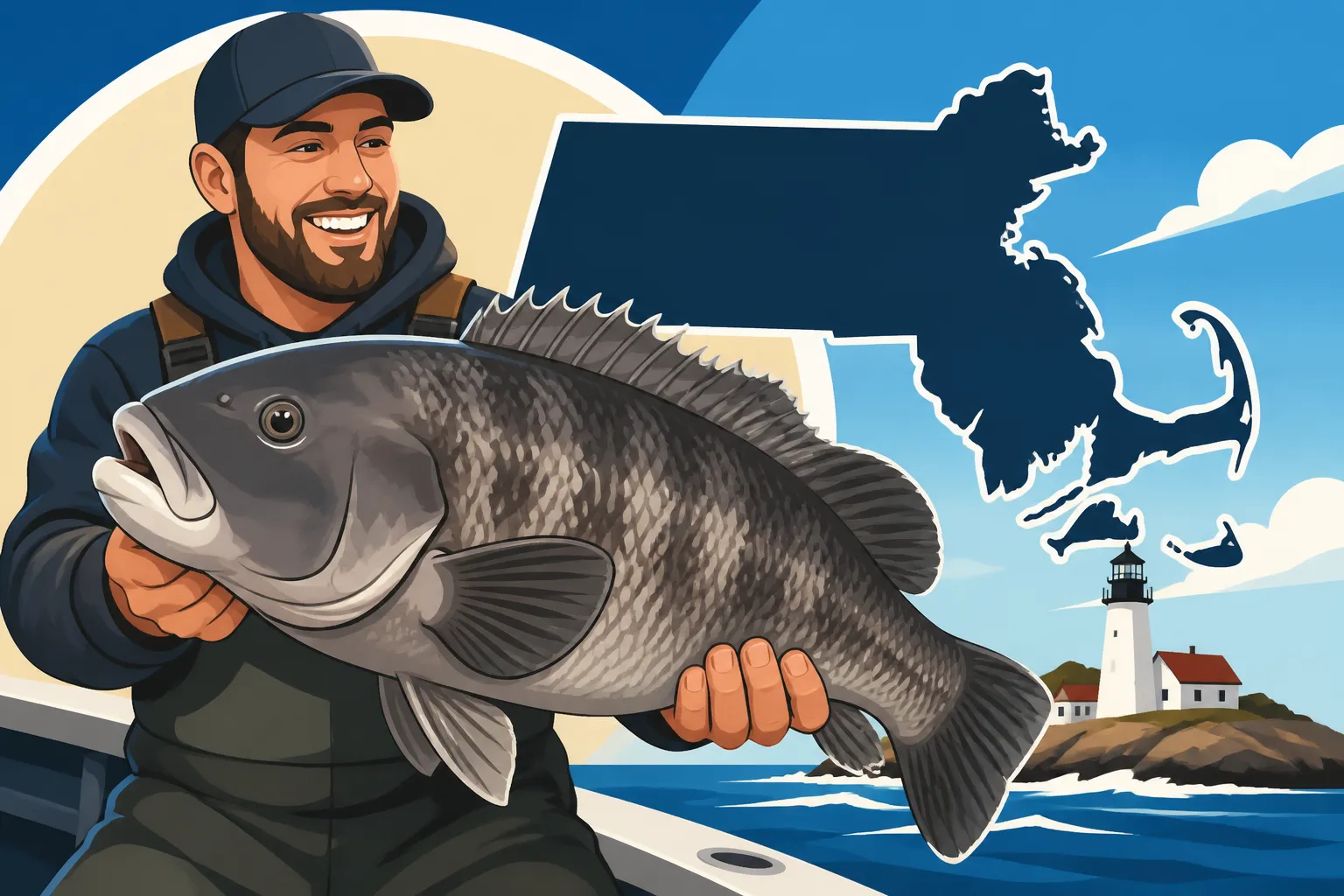
The current Massachusetts state record for tautog is a colossal specimen, weighing an astonishing 21 pounds, 7 ounces. This incredible fish was caught by angler Bruce Macomber way back in 1981, a testament to its enduring legacy. Just imagine pulling a fish of that magnitude from the rocky depths – it’s a moment that would live in an angler's memory forever, and indeed, it lives on in the record books.
This record isn't just a number; it tells a story of perseverance and a deep connection to the ocean. For over four decades, this 21-pounder has stood as the benchmark, inspiring countless tautog enthusiasts to brave the cold, the wind, and the snags in hopes of finding its equal or even surpassing it. It represents a truly exceptional fish, likely an ancient denizen of our reefs and wrecks, that managed to elude capture for many years before finally meeting its match. The sheer size alone makes it a remarkable catch, highlighting the potential for truly massive tautog in Massachusetts waters.
Why Tautog are Such a Challenging Fish to Master
If you've ever fished for tautog, you know they aren't your typical easy catch. They're often called "tog" by seasoned anglers, and for good reason—they're tough, cunning, and have a unique bite that can frustrate even the most experienced fishermen. Their habitat preference plays a huge role in this difficulty. Tautog absolutely love structure: rocky bottoms, submerged wrecks, mussel beds, bridge pilings, and jetty rocks. These areas, while providing ideal feeding grounds and shelter for tautog, are also notorious for snagging lines and breaking off tackle.
The tautog bite itself is legendary for its subtlety. Instead of a strong pull, you often feel a series of light taps or bumps as they mouth the bait, trying to crush it with their powerful teeth. Knowing when to set the hook – usually after a distinct, heavier tug following the initial nibbles – is an art form that takes years to perfect. Miss the timing, and they've either stolen your bait or retreated back into the unforgiving structure, ready to fray your line. This combination of challenging habitat and a delicate bite makes every tautog catch feel like a victory, and a record-sized one, a monumental achievement that demands respect.
Strategies and Gear for Pursuing a Trophy Tautog
Chasing a state record tautog isn't something you do by accident. It requires deliberate planning, specialized gear, and a deep understanding of their habits. It's about putting yourself in the right place, at the right time, with the right setup to tempt these notoriously wary fish.
Prime Tautog Habitat and Where to Find the Big Ones
Tautog are masters of their rocky domain, perfectly camouflaged and adept at navigating intricate underwater structures. In Massachusetts, you'll find them primarily along our extensive coastline, particularly in areas with plenty of hard bottom, such as the shores of Cape Cod, Martha's Vineyard, and Nantucket. They thrive around natural rock outcroppings, mussel beds, oyster reefs, and artificial structures like shipwrecks, bridge foundations, and deepwater jetties. The best spots often have strong currents that bring food to them, but also offer plenty of crevices for them to hide in.
When targeting trophy tautog, don't just look for any rocky bottom. Seek out deeper water access points, especially those with steep drop-offs or substantial underwater relief. Places like the outer ledges of Buzzards Bay, around the Elizabeth Islands, or deeper rock piles in Vineyard Sound are classic big-fish haunts. Even within Boston Harbor, certain historical structures and rocky shoals can hold surprisingly large fish. Knowing the nuances of the local tides and currents in these areas is absolutely critical; a slack tide might make fishing easier, but a moving tide often triggers a more aggressive bite from bigger fish. You'll often find that the bigger, older tautog prefer to hold in slightly deeper, more secluded spots where they feel secure and have access to abundant food.
Essential Gear and Bait for Targeting Giant Tautog
When you're after a fish that could potentially break a state record, your tackle needs to be impeccable. This isn't the time for flimsy gear. You'll want a stout, heavy-action rod – something with a fast tip for detecting those subtle bites but enough backbone to yank a big tog away from snags. Many anglers prefer conventional reels for their power and direct feel, spooled with strong braided line, typically in the 30-50 pound test range, for maximum sensitivity and strength. A critical component is a heavy fluorocarbon leader, usually 40-80 pounds, to withstand the abrasive rocks and the tautog's crushing teeth.
As for bait, tautog are primarily crustaceans and mollusk eaters. The undisputed king of tautog baits in Massachusetts is the green crab. Anglers often break them in half or quarter them for larger fish, exposing the juicy meat. Other excellent choices include fiddler crabs, hermit crabs, Asian shore crabs, and sometimes even pieces of clam or clam worms. Having a selection of these on hand, fresh and lively, can make all the difference. For hooks, durable, sharp circle hooks are often preferred (sizes 3/0 to 6/0, depending on bait size) because they reduce gut-hooking and are excellent for setting the hook in the tautog’s tough mouth. You'll also need a variety of lead sinkers, often bank or egg sinkers, to hold your bait firmly on the bottom in strong currents, sometimes weighing several ounces. Many anglers looking to upgrade their arsenal or find specialized tackle often browse large online retailers like Amazon, where they can compare different rod and reel combos, as well as leader materials and specialized hooks designed for this type of tough bottom fishing.
Effective Techniques for Luring and Landing Trophy Tautog
The art of tautog fishing revolves around precision and patience. The most common and effective method is bottom fishing. Drop your bait directly down to the structure, letting the sinker rest on the bottom. The key is to keep a tight line, feeling for those characteristic "taps." When you feel a series of bumps, resist the urge to immediately set the hook. Instead, wait for a more definitive pull or a heavier sensation, then lift your rod sharply and reel, cranking hard to get the fish away from the structure before it can dive back in and break you off. This often means literally reeling as fast as you can while maintaining upward pressure.
Boat positioning is also crucial. Drifting over known tautog spots can cover more ground, but anchoring directly over a productive piece of structure is often more effective for targeting larger fish. If anchored, try to position your boat so that your lines are leading away from the heaviest snags. For shore anglers fishing jetties, paying attention to the tide is vital; often, the outgoing or incoming tide around specific structures will bring the best bite. Another important technique is "picking up" the fish. After a few taps, if you suspect a fish is playing with the bait, slowly lift your rod tip a few inches. This can sometimes entice a hesitant tautog to commit fully. Remember, consistency in presentation and being acutely aware of your line is paramount. Outfitting yourself with quality gear, perhaps purchased from a reliable vendor like Amazon, ensures you're ready for the rigorous fight these fish put up. For a deeper dive into the seasonal aspects of this pursuit, check out When tautog season opens in Massachusetts.
Navigating the Official Path to a Massachusetts State Record
Catching a potential state record is only half the battle. To have your monumental catch officially recognized, you need to follow a strict set of rules and procedures. It's not enough to simply say you caught a giant fish; you need to prove it.
The Official Massachusetts State Record Requirements
Massachusetts has clear guidelines for certifying state record fish, designed to ensure fairness and accuracy. The primary rule is that the fish must be caught legally, adhering to all current Massachusetts Recreational Fishing Rules and Bag Limits. This includes using legal methods and being within the correct Massachusetts Tautog Size and Bag Limit by Season. Immediately after capture, the fish must be kept in fresh condition. The most critical step is having the fish weighed on a certified scale. This isn't just any bathroom scale; it must be a state-certified scale, usually found at commercial fish markets, grocery stores, or some tackle shops.
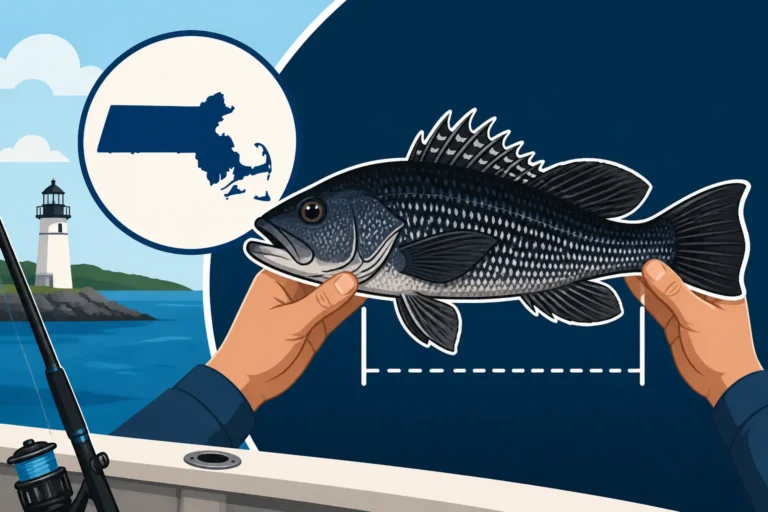
You'll need an official witness to the weighing process, typically the owner or manager of the establishment where the scale is located. Crucially, photographs are required: a clear photo of the fish, ideally next to a ruler or measuring device (though length isn't the primary factor for most state records, it helps with verification), and a photo of the fish on the certified scale with the weight clearly visible. In some cases, a species identification by a MassWildlife or Division of Marine Fisheries biologist may be necessary, especially for species that have similar-looking relatives. All paperwork, including an affidavit signed by you and the witness, must be submitted to the state agency, typically MassWildlife, within a specified timeframe after the catch. You can often find detailed forms and contact information on their official website, providing all the information needed to claim a state record, which is separate from simply understanding the Massachusetts Fishing License Guide.
Preparing for That "One in a Million" Catch Before You Even Hook It
While a state record catch is often a surprise, being prepared for the possibility can save you a lot of heartache if you do land a potential giant. Think proactively. Before your next tautog trip, identify several certified weighing stations in the areas where you plan to fish. Know their operating hours and consider calling ahead to confirm they can accommodate a fish weighing. Having a large, reliable cooler filled with ice is also essential to keep your potential record fish in peak condition until it can be officially weighed. A fish that loses weight due to dehydration or spoilage won't qualify.
It’s also wise to carry a camera (most smartphones work perfectly for this) to document the catch from multiple angles. This includes photos of the fish immediately after landing, with you holding it, and on the scale. Make sure your fishing license is always current and easily accessible; proving you were fishing legally is fundamental. Familiarize yourself with the exact regulations for Massachusetts Tautog Size and Bag Limit by Season so there are no questions about the legality of your catch. Many dedicated anglers even print out the state record application form or at least have the instructions saved on their phone, so they know exactly what information they'll need to gather in the excitement of the moment. This kind of preparation, though it might seem excessive for a rare event, ensures that if lightning strikes, you're ready to make history.
Here’s a quick overview of key considerations for pursuing and claiming a state record tautog:
| Aspect | Key Considerations | Importance |
|---|---|---|
| Current Record | 21 lbs, 7 oz (Bruce Macomber, 1981) | The benchmark to beat. |
| Habitat | Rocky bottoms, wrecks, jetties, bridge pilings, mussel beds | Knowing where trophy fish live. |
| Best Bait | Green crabs (cut), fiddler crabs, hermit crabs, clam worms | Tautog are picky eaters; fresh bait is key. |
| Essential Gear | Heavy-action rod, conventional reel, 30-50lb braid, 40-80lb fluoro leader, circle hooks | Tackle must be robust to handle fish and structure. |
| Technique | Bottom fishing, tight line, sharp hookset, quick retrieve off structure | Precision and speed are vital to land them. |
| Official Weighing | State-certified scale (e.g., fish markets, grocery stores) | Only certified weights are accepted for records. |
| Documentation | Photos (fish, scale, angler), witness, official affidavit | Proof is crucial for verification. |
| Preparation | Locate certified scales beforehand, carry cooler & ice, current license | Maximize chances for proper record submission. |
Catching a Massachusetts state record tautog is an aspirational goal for many anglers, and for good reason – it’s a challenging, rewarding pursuit. While the current record has stood for decades, the thrill of the chase and the potential for a truly monumental catch keep anglers heading out to the rocky shores and reefs of the Bay State. Whether you're chasing personal bests or the ultimate state record, remember that every day on the water is an opportunity for an unforgettable experience. Keep your lines tight, your bait fresh, and your spirits high. Who knows, the next time you feel those subtle taps, it just might be a fish for the record books! For more detailed information on specific techniques, you can explore resources on Bottom Fishing for Tautog in Massachusetts or learn about the best offerings in Best Bait for Tautog Fishing in Massachusetts.
Disclaimer
This article is for general informational purposes only and does not constitute professional advice. Laws, prices and regulations vary by location and change over time. Consult a qualified professional for guidance on your specific situation.