Difference between a bonito and a tuna
It’s a tale as old as time on the Massachusetts coast: you reel in a hard-fighting, sleek, silver fish, and the immediate question pops into your head – is it a bonito or a tuna? For many anglers, especially those just getting their sea legs in our rich New England waters, these two species can look surprisingly similar at first glance, leading to confusion and sometimes even missed opportunities. This guide is here to unravel that mystery, helping you confidently identify your catch and understand why knowing the difference is so crucial for a successful and legal fishing trip in Massachusetts.
The Bonito: Massachusetts' Speed Demon of the Shallower Waters
Ah, the bonito! If you've ever hooked one, you know the thrill. These fish are pound-for-pound one of the feistiest fighters you'll encounter in our coastal waters. They might not be the giants of the deep, but what they lack in sheer bulk, they more than make up for in speed and agility. Many anglers eagerly await their arrival each season, not just for the challenge, but for the delicious reward.
Identifying the Bonito: Stripes and Teeth
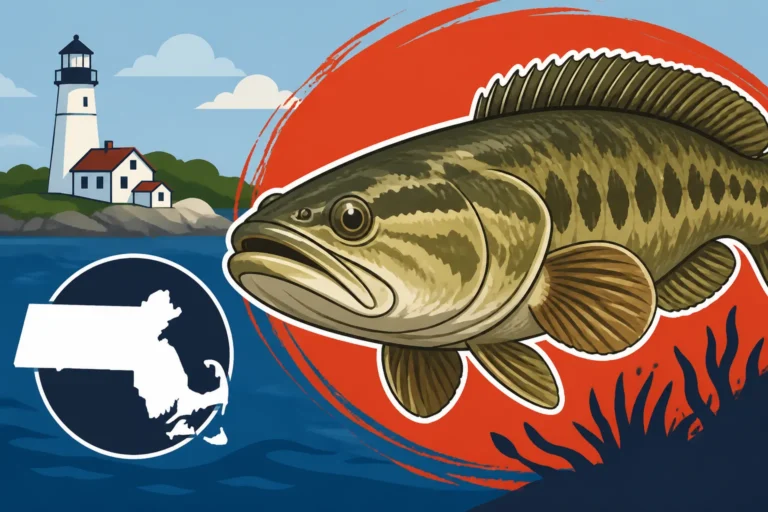
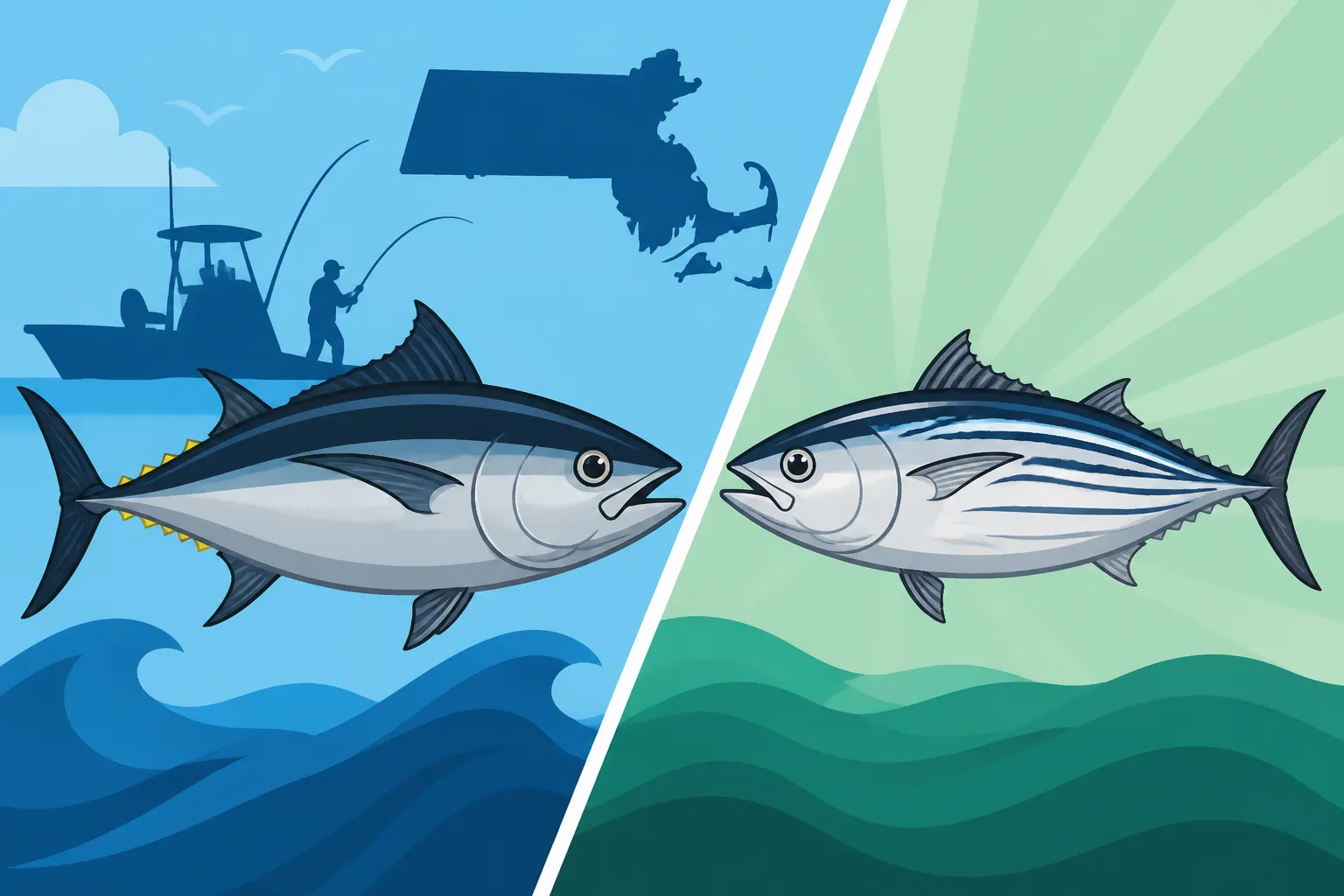
Let's get down to the nitty-gritty of what makes a bonito a bonito. When you land one, take a good look. You'll notice they have a streamlined, torpedo-shaped body, built for speed. Their most distinctive feature, however, is their pattern: several dark, oblique stripes running along their back and upper sides, slanting upwards towards the tail. These stripes are a dead giveaway.
Bonito in Massachusetts typically range from a few pounds up to about 10-15 pounds, though larger ones are certainly possible. They often have a somewhat pointed snout and a mouth full of small, sharp teeth – not quite the formidable chompers of a bluefish, but enough to make you mindful when unhooking. Their skin is generally smooth, and they possess a prominent lateral line. Sometimes, anglers confuse them with Spanish mackerel due to the stripes, but bonito stripes are typically fewer and more pronounced. They also get mistaken for juvenile tuna, which is exactly why we're having this chat!
Where and When to Find Bonito in Massachusetts
Bonito are warm-water visitors to Massachusetts, typically arriving in late summer and staying through early fall, often from July well into September or even early October, depending on water temperatures. They follow the baitfish, particularly schools of silversides, peanut bunker, and juvenile mackerel, which tend to congregate in our inshore and nearshore waters.
You'll often find them patrolling rocky coastlines, rip lines, and around structure. Cape Cod is a perennial hotspot, especially areas like the infamous Cape Cod Canal Fishing Guide for Massachusetts Anglers and the rips around Nantucket and Martha's Vineyard. They are pelagic, meaning they live in the open ocean, but they will come close to shore to feed. Look for bird activity—diving gulls and terns are often a sign of baitfish being pushed to the surface, and bonito are usually right underneath, ready to strike. Early mornings and late afternoons, when baitfish are most active, are prime times for bonito encounters.
Fishing for Bonito: Fast and Furious Action
If you want a truly exhilarating fight on light tackle, bonito are your fish. They hit lures with incredible force and make blistering runs. Forget about heavy rods and reels; a medium-light spinning setup or even a fly rod can provide an unforgettable experience. The key is speed.
Bonito are suckers for fast-moving lures that mimic their natural prey. Small, metal jigs like epoxy resin lures or slender casting spoons are incredibly effective. You can find a wide variety of these on platforms like Amazon, and it's worth experimenting with different weights and colors. retrieves should be lightning-fast – a quick retrieve often triggers their aggressive instincts. Trolling small plugs or feathers at a good clip can also be very productive, especially if you're covering a lot of water. They are usually found in schools, so once you hook one, there's a good chance there are more around, making for some truly epic fishing sessions. Just make sure your drag is set properly, because these fish will test your knots!
The Tuna: Massachusetts' Offshore Powerhouses
Now, let's talk about the heavy hitters: tuna. While bonito are impressive inshore fighters, tuna are on a whole different level, representing the ultimate challenge for many offshore anglers in Massachusetts. These aren't just fish; they're marine athletes, built for speed, power, and incredible endurance.
Common Tuna Species in Massachusetts Waters
When most anglers in Massachusetts talk about "tuna," they're usually referring to the magnificent Bluefin Tuna. These are the kings of our waters, known for their immense size, incredible strength, and significant commercial and recreational value. Bluefin tuna can range from "schoolie" size (50-100 pounds) to absolute giants weighing over 1000 pounds! They have a robust, muscular body, dark blue to black on the back, fading to silver on the sides and belly.
While bluefin are the main event, other tuna species occasionally grace our waters, particularly further offshore in the canyons and warmer currents. Yellowfin Tuna are another prized catch, known for their distinctive yellow fins (hence the name) and delicious meat. They are generally smaller than giant bluefin but still grow to impressive sizes, often several hundred pounds. Bigeye Tuna, with their proportionally larger eyes, are also found in deeper, cooler waters offshore. While you won't typically confuse a full-grown bluefin with a bonito, even smaller bluefin or other tuna species possess fundamental differences that set them apart. For more on targeting these behemoths, check out our guide on Bluefin Tuna Fishing off Massachusetts.
Distinguishing Tuna from Bonito: Key Differences Beyond Size
Okay, let's nail down how to tell a tuna from a bonito, even if you're looking at a smaller tuna. The first, and most obvious, difference is often size. Even a small tuna is usually thicker-bodied and heavier than the largest bonito. Tuna have a more football-like, stout body shape compared to the bonito's more slender, torpedo build.
Coloration and Markings: While bonito have those distinct oblique stripes on their back, tuna generally have a more uniform dark blue/black back transitioning to silver on their belly. Some tuna, like yellowfin, have iridescent yellow fins and finlets, a feature completely absent in bonito.
Finlets and Fins: Both species have dorsal and anal finlets, but look closely at the caudal (tail) fin. Tuna have a deeply forked, crescent-shaped tail, indicative of their sustained high-speed swimming. Bonito tails are also forked, but generally less dramatically crescent-shaped. Perhaps the most subtle but defining feature is the corselet of scales. Tuna have a distinct area of larger, coarser scales behind their head and around their pectoral fins, while the rest of their body appears relatively smooth. Bonito, on the other hand, have scales that are fairly uniform over their entire body, though still small.
The Tuna Fishing Experience in Massachusetts: A Serious Endeavor
Tuna fishing in Massachusetts is a commitment. It's not usually a casual afternoon trip from shore. It involves specialized boats, heavy-duty tackle, and often long runs offshore to the banks and canyons where these fish feed. Anglers often spend thousands on gear, from specialized rods and reels capable of handling hundreds of pounds of drag to commercial-grade electronics. For a deep dive into the specific tactics, you might find our article on Bluefin Tuna Fishing Techniques Near Cape Cod incredibly helpful.
Techniques range from trolling massive lures or rigged baits at speed, to chunking (drifting with cut bait), to jigging heavy metal jigs in deep water. The fight from a tuna, especially a large bluefin, is legendary. It can last for hours, pushing an angler to their physical limits, often requiring a "stand-up" harness or a fighting chair. It's an experience that demands respect for the fish and serious preparation. If you're looking to gear up, a robust braided line and high-quality hooks are non-negotiable – you can research and purchase many of these specialized items through retailers like Amazon.
Side-by-Side Comparison: Bonito vs. Tuna
To really drive home the differences, let's lay them out clearly. Knowing these distinctions isn't just about showing off your fish ID skills; it's essential for proper gear selection, understanding regulations, and even appreciating the unique challenges each species presents.
Visual and Physical Traits
Here’s a quick comparison of the visual and physical characteristics that will help you tell them apart on the dock or in your boat:
| Feature | Bonito (Sarda sarda) | Tuna (e.g., Bluefin, Yellowfin) |
|---|---|---|
| Body Shape | Slender, torpedo-shaped, more elongated | Robust, football-shaped, thicker-bodied |
| Size (MA) | Typically 2-15 lbs (up to ~30 inches) | 50-1000+ lbs (from ~40 inches to 10+ feet) |
| Back Coloration | Dark blue to green, with distinct oblique stripes | Dark blue/black, uniform, no distinct oblique stripes |
| Side/Belly | Silvery, sometimes with faint horizontal lines | Silvery white, sometimes with iridescent yellow/gold |
| Finlets | Small, numerous, same color as body | Small, numerous, sometimes bright yellow (Yellowfin) |
| Pectoral Fins | Relatively short | Variable, but often longer relative to body size |
| Tail (Caudal) | Forked, but less crescent-shaped | Deeply forked, crescent-shaped |
| Scales | Relatively uniform, small over entire body | Distinct corselet of larger scales near head/pectorals, smaller elsewhere |
| Teeth | Small, sharp, conical | Small, conical, less prominent |
Habitat, Behavior, and Fishing Experience
Beyond just looks, their natural behavior, preferred habitat, and the angling experience they offer are worlds apart. This really highlights why proper identification influences your entire fishing strategy.
Bonito are primarily inshore and nearshore predators. They are highly migratory, following bait schools into our shallower coastal waters, bays, and around rocky points and islands. Their aggressive feeding behavior makes them susceptible to fast-moving artificial lures. They are often targeted by casting from shore or from smaller boats in relatively calm waters. The fight is characterized by blistering initial runs and quick changes of direction, providing an exciting, athletic battle on lighter gear. Think of it as a sprint – fast, explosive, and exhilarating. If you're looking for that kind of action, you'll often find them alongside other coastal species in popular fishing areas. Knowing Massachusetts Saltwater Fishing Seasons can help you time your bonito trips.
Tuna, especially bluefin, are predominantly offshore dwellers. While smaller "schoolie" bluefin can sometimes venture closer to shore or into deeper channels like the Cape Cod Canal Striped Bass Fishing Spots at certain times, the giants are almost exclusively found far from land, often over deep canyons, offshore banks, and ledges. Their behavior is geared towards covering vast distances and hunting large prey like mackerel, herring, and even smaller tuna. Fishing for them is a marathon, not a sprint. The gear is heavy, the boat is large, and the fight is about immense power and stamina. It's a grueling test of endurance, where anglers battle the fish for hours, relying on specialized techniques like heavy trolling or deep jigging. The entire trip is a significant undertaking, often requiring an overnight stay at sea for multi-day excursions.
Why Understanding the Difference Matters for Massachusetts Anglers
Knowing whether you've caught a bonito or a tuna goes far beyond just being able to name your catch. It impacts everything from the tackle you choose to the regulations you must follow, and even how you plan to enjoy your hard-won fish.
Gear Selection and Fishing Strategy
Imagine heading out with a light spinning rod, hoping for some bonito action, only to hook into a 100-pound bluefin. That's a recipe for a broken rod, snapped line, and a lost fish (and a potentially lost lure). Conversely, trying to catch bonito with heavy offshore tuna gear would be like trying to swat a fly with a sledgehammer – no fun and largely ineffective.
Understanding the target species allows you to:
- Choose the right rod and reel: Light tackle for bonito, heavy offshore gear for tuna.
- Select appropriate lines and leaders: Lighter fluorocarbon for bonito, heavy mono or braid with robust leaders for tuna.
- Pick the correct lures and baits: Small jigs and plugs for bonito, large trolling lures or substantial cut bait for tuna. You can easily find reviews and purchase species-specific lures on platforms like Amazon, making sure you're ready for whatever bites.
- Plan your location and timing: Inshore areas and specific tides for bonito, offshore grounds and weather windows for tuna. Knowing the Best Saltwater Fishing Spots on Cape Cod, Massachusetts can narrow down your search for either.
Regulations and Conservation
This is perhaps the most critical reason to know the difference. Both bonito and tuna are highly regulated species, but the rules for each are vastly different, especially for bluefin tuna. Misidentifying your catch can lead to serious legal trouble and impacts conservation efforts.
- Tuna, particularly bluefin, are under strict federal and international management. There are specific seasons, size limits, bag limits, and often reporting requirements for bluefin tuna, especially larger ones. Anglers targeting bluefin typically need a highly specialized permit in addition to a general Massachusetts Saltwater Recreational Fishing Permit Explained. Penalties for violating tuna regulations can be severe. Our article Massachusetts Recreational Fishing Rules and Bag Limits provides a broader context, but specific tuna rules are often much more granular.
- Bonito regulations are generally much more relaxed compared to tuna, often with generous bag limits and no minimum size. You usually don't need special permits beyond your standard saltwater permit.
Always, always consult the most current regulations from the Massachusetts Division of Marine Fisheries (MassDMF) before heading out. Don't rely on guesswork – an honest mistake can still result in a hefty fine.
Culinary Value and Handling
Finally, let's talk about the table fare. Both bonito and tuna are delicious, but they are often handled and prepared differently.
- Bonito have rich, dark meat. Many describe it as similar to mackerel, with a strong, distinct flavor. It's excellent grilled, smoked, or prepared raw (sashimi-style if bled and iced properly). Because of its oiliness, it can spoil quickly, so rapid bleeding and icing are crucial for optimal flavor.
- Tuna, especially bluefin, are renowned for their high-quality meat, particularly the fatty belly (toro). Their meat is prized for sushi and sashimi, grilling, and searing. The value of bluefin can be extremely high. Proper handling—immediate bleeding, gutting, and chilling—is paramount for maintaining the quality and value of tuna meat, especially for larger fish. Many anglers on Cape Cod Fishing Charters Guide for Massachusetts Anglers go specifically for the chance to bring home some of this prized catch.
Understanding these differences means you can appropriately care for your catch, ensuring it reaches your plate (or the market, if you're a commercial angler) in the best possible condition.
| Feature | Bonito | Tuna |
|---|---|---|
| Habitat | Inshore, nearshore, coastal waters | Primarily offshore, banks, canyons (juveniles sometimes inshore) |
| Fight Style | Fast, explosive runs, quick turns, great on light tackle | Long, powerful runs, deep dives, grueling endurance test on heavy tackle |
| Typical Gear | Medium-light spinning/casting, small jigs/plugs | Heavy offshore conventional/spinning, large lures/baits |
| Regulations | Generally liberal bag limits, few size restrictions | Strict federal/international limits, permits, reporting, size limits |
| Edibility | Rich, oily, dark meat; excellent grilled/smoked/sashimi if bled/iced well | Prized high-quality meat; best for sushi/sashimi, searing/grilling |
Disclaimer
This article is for general informational purposes only and does not constitute professional advice. Laws, prices and regulations vary by location and change over time. Consult a qualified professional for guidance on your specific situation.