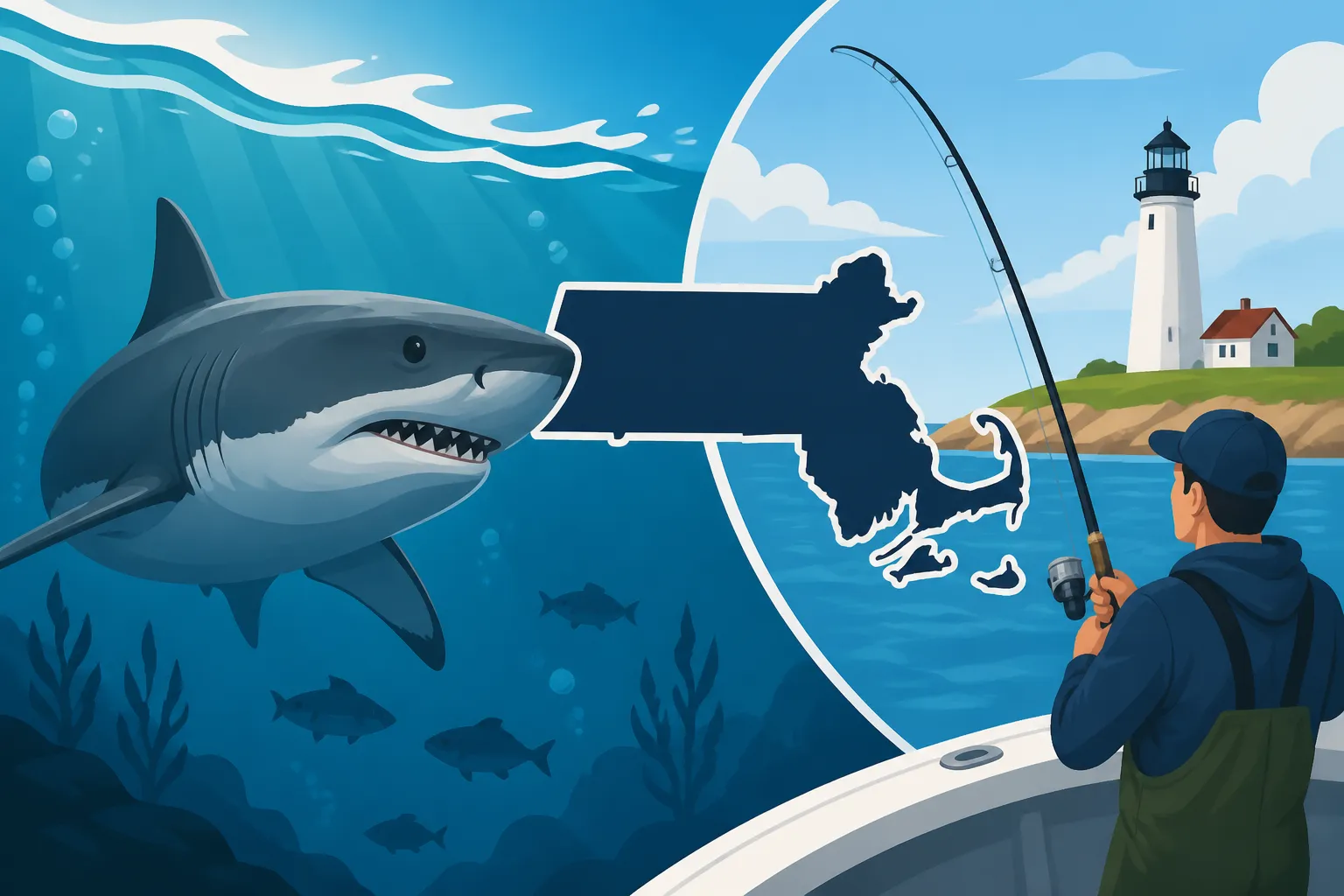
Are There Sharks in Massachusetts Waters?
The idea of sharks lurking in our beautiful Massachusetts waters can send a shiver down anyone's spine, especially for those of us who spend countless hours casting lines from shore, heading out on charters, or just enjoying a peaceful day at the beach. It’s a common question, often fueled by dramatic headlines, but the reality is more nuanced and fascinating than fear-mongering might suggest. This guide will dive deep into the types of sharks that call our coastal waters home, when and where you’re most likely to encounter them, and practical advice for anglers and beachgoers alike to ensure a safe and respectful experience for both humans and these incredible apex predators.
Understanding Shark Presence in Massachusetts Waters
Massachusetts boasts a vibrant marine ecosystem, from the shallow estuaries to the deep offshore canyons. This rich environment, teeming with baitfish, seals, and other marine life, naturally attracts a diverse array of shark species. It's not just about the big ones you see on TV; our waters are a dynamic habitat for many different sharks, each playing a crucial role in the health of the ocean.
Why Sharks Visit Our Shores
Sharks are highly migratory creatures, much like many of the pelagic fish we love to chase. Their movements are largely dictated by three key factors: water temperature, food availability, and breeding cycles. As the waters off the Massachusetts coast warm up through late spring and into summer, a massive influx of baitfish, squid, and larger prey like striped bass and bluefish move in. This abundance of food acts like a giant buffet, drawing in a variety of predators, including sharks.
Furthermore, the robust and growing seal populations, particularly around Cape Cod, have become a major draw for some of the larger, more iconic shark species. These seals provide a consistent, high-energy food source, making certain areas incredibly attractive to sharks. Think of it like a prime fishing spot – if the bait is there, the bigger fish will follow. For us anglers, understanding these patterns helps us appreciate the interconnectedness of the marine environment, even when it means sharing our favorite spots with a toothy neighbor.
Common Perceptions vs. Reality
Let's be real: Hollywood has done sharks no favors. The image of a relentless, mindless predator is deeply ingrained, and it often overshadows the scientific reality. While the presence of certain shark species, particularly the great white, can certainly be unnerving, the actual risk to humans is incredibly low. Most sharks are far more interested in their natural prey than they are in us. They are not actively hunting people. In fact, many interactions, when they do occur, are often cases of mistaken identity, especially in murky waters or areas with a lot of wave action.
The reality is that sharks are an integral part of a healthy ocean. Their presence signifies a thriving ecosystem. For us who love the water, whether fishing from a kayak or swimming at the beach, acknowledging their presence with respect and awareness is key. It's about being informed, not terrified. We share these waters with them, and understanding their behavior and habits allows us to coexist safely and even appreciate their majesty.
Common Shark Species You Might Encounter
Massachusetts waters host a fascinating variety of shark species, each with its own characteristics and preferred habitats. It's not just "sharks" – it's a diverse community, and knowing who's who can make you a more informed angler and observer.
The Iconic Great White Shark
When most people think of sharks in Massachusetts, the great white shark (Carcharodon carcharias) is likely the first, and often only, species that comes to mind. And for good reason – Cape Cod, particularly the outer beaches and waters around Chatham and Truro, has become a well-known seasonal hotbed for these magnificent predators. Their presence here is directly linked to the burgeoning gray seal population. Great whites are ambush predators, perfectly adapted to hunting seals, and the shallow, sandy bottom off the Cape provides ideal hunting grounds.
Anglers might encounter great whites, especially if they're fishing for other large predators that might share similar food sources, or if they're near seal haul-out areas. While direct interaction is rare, it's crucial to be aware. If you're out fishing in areas known for great white activity, especially during late summer and early fall, exercise caution. Avoid wading deep in areas with seals, and be mindful of any sudden splashes or commotion in the water. Remember, they're not looking for you, but they are looking for seals. If you’re ever fishing the Cape Cod Canal Fishing Guide for Massachusetts Anglers, remember that while the Canal itself isn't a primary great white spot, the adjacent waters on either end certainly are.
Other Notable Offshore Sharks
Beyond the great white, our offshore waters are home to several other impressive shark species that are often encountered by anglers targeting larger pelagic fish.
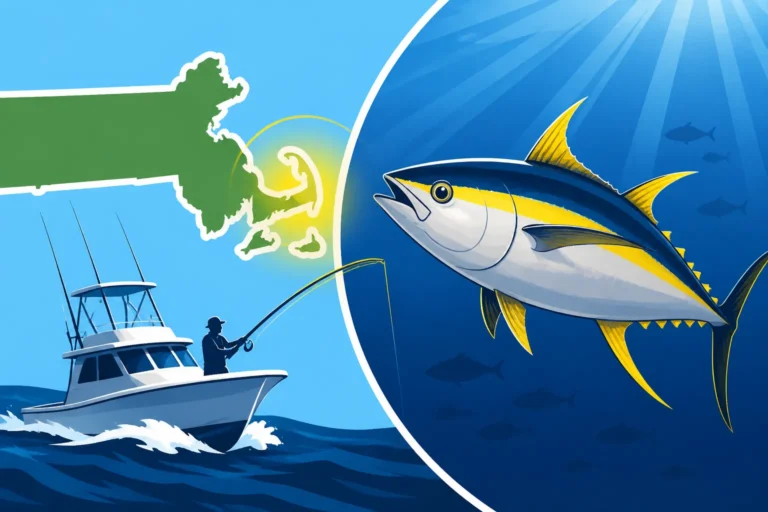
- Blue Sharks (Prionace glauca): These are perhaps the most common offshore sharks in Massachusetts. Sleek and vibrant blue, they are pelagic, meaning they live in the open ocean. Anglers often encounter them while tuna fishing or deep-sea bottom fishing, as they are opportunistic feeders. They can grow quite large, and while generally not aggressive towards humans, their sheer size commands respect. If you’re on one of the many Massachusetts Bluefin Tuna Charters, don't be surprised if a blue shark makes an appearance!
- Mako Sharks (Isurus oxyrinchus): Known for their incredible speed and acrobatic leaps, mako sharks are a highly sought-after game fish offshore. Both shortfin and longfin makos inhabit our waters. They are powerful predators, feeding on a variety of fish including mackerel, tuna, and even other sharks. Catching a mako is a thrilling experience, but they are extremely dangerous to handle boat-side due to their speed and sharp teeth.
- Thresher Sharks (Alopias vulpinus): Instantly recognizable by their incredibly long, scythe-like tail, thresher sharks use this tail to stun schools of baitfish before circling back to eat them. They are found in both coastal and offshore waters and can grow quite large. Threshers are generally shy and not considered a threat to swimmers, but their size and power make them an impressive sight for any angler lucky enough to see one.
Nearshore and Bottom Dwellers
It's not just the big, flashy sharks that swim in our waters. Many smaller, less intimidating species play vital roles closer to shore and on the seabed.
- Dogfish (Squalus acanthias and Mustelus canis): The spiny dogfish and smooth dogfish are probably the most commonly encountered sharks by recreational anglers in Massachusetts. Spiny dogfish are notorious for swarming fishing grounds, often being considered a nuisance by those targeting other species. They have small, sharp spines in front of their dorsal fins, so handle with care! Smooth dogfish, lacking these spines, are a bit more agreeable. They feed on crabs, lobsters, and small fish, and are often caught in bays and harbors. You can find robust gloves on Amazon that are perfect for handling these smaller, toothy catches safely.
- Sand Tiger Sharks (Carcharias taurus): These sharks have a truly intimidating appearance with rows of pointy, needle-like teeth that often protrude from their mouths, even when closed. Despite their fierce look, they are generally docile towards humans. They frequent coastal waters, often found near wrecks, reefs, and rocky bottom structures. Anglers might hook them when targeting other bottom-dwelling fish.
- Dusky Sharks (Carcharhinus obscurus): While less common than some other species, dusky sharks are large coastal sharks that can be found in our waters, particularly during the warmer months. They are a protected species, and if you accidentally catch one, it's vital to release it quickly and safely. They are powerful fish and require careful handling.
Remember, even the "smaller" sharks like dogfish can give you a nasty bite or a poke if not handled properly. Always prioritize safety for yourself and the shark when catching and releasing. Getting a good pair of pliers or a dehooking tool, easily found on Amazon, can make the process much safer.
Are There Sharks in Massachusetts Waters Year-Round?
This is a really important question for anyone spending time on the water. While our waters always have some resident shark species, the presence of larger, more migratory sharks definitely follows a seasonal pattern, closely tied to the cycles of the ocean.
Seasonal Shark Activity
For most of the larger, more charismatic shark species – especially the great white, mako, and blue sharks – their presence in Massachusetts waters is largely seasonal. As the ocean temperatures rise in late spring and early summer, these species begin their northward migrations, following their primary food sources.
- Spring: You'll start to see an increase in activity. Smaller, more cold-tolerant species like dogfish are often present, and migratory species like thresher sharks might begin to appear as baitfish schools arrive.
- Summer (Peak Season): This is when Massachusetts waters, especially around Cape Cod, really come alive with shark activity. From June through September, the ocean is warmest, and baitfish are abundant. This is the prime season for great whites, makos, and blue sharks. Many of the Best Saltwater Fishing Spots on Cape Cod, Massachusetts will see increased shark activity during these months.
- Fall: Shark activity can remain strong well into the fall, particularly for great whites, as the seal population is still robust and water temperatures remain conducive. As the waters cool in late fall, most of the migratory species will begin their southward journeys.
- Winter: During the colder winter months, the presence of most large, migratory sharks greatly diminishes. However, some species, like certain types of dogfish, are more cold-tolerant and may remain in shallower waters, while others might be found in deeper, warmer offshore waters.
So, while you might not encounter a great white during an ice fishing trip in January, it's clear that understanding the calendar is key to knowing what might be swimming beneath the surface. For a broader look at what's biting when, check out our guide to Massachusetts Saltwater Fishing Seasons.
Water Temperature and Migration Patterns
The ocean acts like a giant, shifting ecosystem, and water temperature is arguably the most significant driver for shark movements. Most large predatory sharks prefer a specific range of water temperatures. As the Gulf Stream currents push warmer water northward along the coast, it creates a highway for many species.
For great white sharks, the presence of their preferred prey – seals – is paramount, but water temperature also plays a role in their comfort and hunting efficiency. They tend to concentrate in shallower, seal-rich areas when the water is within their optimal range. For pelagic species like blue sharks and makos, the open ocean currents and temperature breaks are where they find the large schools of tuna, mackerel, and other fish that form their diet. These sharks will move hundreds, even thousands, of miles to stay in the most productive and comfortable waters. This constant search for optimal conditions and food makes them dynamic and fascinating inhabitants of our marine environment, but also means their presence is never static.
Staying Safe and Respectful While Fishing
Encountering a shark, especially a large one, can be an exhilarating or startling experience. As responsible anglers and ocean lovers, our goal should always be to ensure both our safety and the well-being of these incredible creatures. There's plenty of great information on Is It Safe to Fish Where Great White Sharks Are Seen? for specific concerns, but here are some general best practices.
Best Practices for Anglers
For those of us with a line in the water, understanding how to minimize unwanted shark encounters and handle them if they happen is crucial.
- Be Aware of Your Surroundings: Pay attention to any unusual activity. Flocks of diving birds or sudden splashes could indicate a bait ball, which often attracts larger predators, including sharks. If you see seals behaving erratically or if there's an unusual amount of blood or chum in the water, consider moving to a different spot. If you're fishing near known seal haul-out areas, like Monomoy Island off Chatham, heighten your awareness.
- Avoid Excessive Chumming in Nearshore Waters: While chumming can be effective for certain species, in areas where great whites are prevalent, excessive chumming can draw in unwanted attention. If you must chum, do so cautiously and be ready to move if sharks appear. When fishing offshore for species like tuna, chumming is more common, but always remain vigilant.
- Proper Bycatch Handling: It’s inevitable that sometimes you’ll hook a shark you weren’t targeting. When this happens, prioritize a quick and safe release.
- Keep the shark in the water: If possible, do not bring large sharks fully onto the boat or beach. It’s stressful for the shark and dangerous for you.
- Cut the line: If the hook is deeply set or the shark is too large to safely handle, simply cut the line as close to the hook as possible. Hooks usually rust out quickly. Always have a good pair of wire cutters, easily stowed in a tackle box or boat bag, from Amazon.
- Minimize fight time: Bring the fish to the boat or shore as quickly as possible to reduce exhaustion.
- Use appropriate gear: Heavier tackle can help land and release sharks more quickly, reducing stress on the animal.
- Report Sightings: If you spot a shark, especially a great white, report it to the appropriate authorities (e.g., MassWildlife, local harbormasters, or the Atlantic White Shark Conservancy). This helps researchers track movements and issue public safety alerts.
Shark Safety for Swimmers and Beachgoers
While this blog primarily focuses on fishing, many anglers also enjoy swimming or have family members who do. It's important to remember general shark safety tips, especially when recreating near the coast.
- Swim in designated areas: Stick to beaches with lifeguards.
- Avoid swimming at dawn, dusk, or night: These are prime feeding times for many predators.
- Don't swim alone: Always have a buddy.
- Avoid areas with seals: Seals are a primary food source for great white sharks. If you see seals, assume sharks might be nearby.
- Stay close to shore: Don't venture too far out, especially if you're not in a boat or kayak.
- Avoid wearing shiny jewelry: The glint can mimic fish scales.
- Be cautious in murky waters: Reduced visibility can lead to mistaken identity.
By following these guidelines, you can significantly reduce any potential risks and continue to enjoy the incredible marine environment Massachusetts has to offer.
Here’s a quick overview of some common shark species in Massachusetts waters:
| Shark Species | Primary Habitat | Common Size Range | Primary Prey | Angler Encounter Likelihood | Handling Notes |
|---|---|---|---|---|---|
| Great White | Coastal, near seal colonies | 12-20+ feet | Seals, large fish | Low (accidental) | Do NOT attempt to land or handle; cut line. |
| Blue Shark | Offshore, open ocean | 8-12 feet | Squid, pelagic fish | High (offshore fishing) | Often aggressive, use dehooker, cut line. |
| Mako Shark | Offshore, open ocean | 6-10 feet | Tuna, mackerel, squid | Moderate (game fishing) | Extremely dangerous, handle with extreme care/professional. |
| Thresher Shark | Offshore & coastal | 8-15 feet (body + tail) | Baitfish, squid | Moderate (game fishing) | Powerful; cut line if deeply hooked. |
| Spiny Dogfish | Coastal, inshore, bottom | 2-4 feet | Crabs, small fish | Very High (nuisance) | Spines are sharp; handle carefully with gloves. |
| Smooth Dogfish | Coastal, inshore, bottom | 2-4 feet | Crabs, mollusks | High | No spines; generally docile. |
| Sand Tiger Shark | Coastal, near wrecks/reefs | 6-10 feet | Bony fish, rays | Low (accidental) | Docile but large; handle with caution. |
The Role of Sharks in the Ecosystem
Beyond the thrills and anxieties they might stir in us, sharks are fundamentally crucial to the health and balance of our oceans. They're not just individual fascinating creatures; they're foundational to a thriving marine ecosystem. This understanding is vital for every angler and ocean enthusiast.
Apex Predators and Ocean Health
Sharks hold the critical position of apex predators in many marine environments, including off the coast of Massachusetts. What does this mean? It means they sit at the very top of the food web, regulating the populations of species below them. By preying on the weak, sick, or slow fish and marine mammals, sharks help maintain the overall health and genetic strength of their prey populations. Without sharks, some prey species could overpopulate, leading to overgrazing of vegetation or depletion of smaller fish, which then cascades down the food chain, throwing the entire ecosystem out of whack.
Think about it like a gardener pruning a plant – the sharks are the ocean's pruners, ensuring that the entire "garden" remains vibrant and productive. Their presence is a strong indicator of a healthy and biodiverse ocean. When you see sharks, it’s not just a sign of danger, but a sign that the natural order is largely intact, a testament to the richness of our marine environment.
Conservation Efforts in Massachusetts
Given their vital role and, for some species, their vulnerable status, conservation efforts for sharks in Massachusetts are paramount. Both federal and state agencies, alongside research institutions, are actively involved in protecting shark populations and understanding their movements and behaviors.
The Massachusetts Division of Marine Fisheries (MassDMF) plays a key role, often working with federal partners to establish regulations, conduct research, and monitor populations. These efforts include:
- Research and Tagging: Scientists regularly tag sharks to track their migrations, understand their habitat use, and estimate population sizes. This data is critical for informed management decisions. Organizations like the Atlantic White Shark Conservancy are at the forefront of this research, particularly for great whites off Cape Cod.
- Fishing Regulations: For species like makos and threshers, there are strict catch limits, size requirements, and even prohibitions on landing certain species to ensure their sustainability. These regulations are part of the broader framework of Massachusetts Recreational Fishing Rules and Bag Limits and are designed to protect vulnerable fish populations, including sharks. Always consult the most current Massachusetts Fishing Regulations Pamphlet, Explained before heading out.
- Public Education: A significant part of conservation is educating the public. By dispelling myths and providing accurate information, organizations help foster a greater appreciation and respect for sharks, encouraging safe coexistence rather than fear. Many educational materials are readily available, including books on marine life identification you can purchase on Amazon.
These conservation efforts ensure that sharks continue to thrive in our waters, playing their essential role and remaining a powerful, awe-inspiring part of the Massachusetts marine landscape for generations to come.
Reporting Shark Sightings and Research
Being on the water in Massachusetts puts you in a unique position to contribute to our understanding and conservation of sharks. Every sighting can be a piece of a larger puzzle for researchers and public safety officials.
How to Report a Sighting
If you're out fishing, boating, or even just enjoying a beach day and you see a shark, especially a great white shark, reporting that sighting is a responsible and helpful action. It contributes directly to public safety and scientific research.
- Use the Atlantic White Shark Conservancy’s Sharktivity App: This is by far the easiest and most effective way to report great white shark sightings, especially if you're on Cape Cod. The app allows users to log sightings, which are then verified by experts and made publicly available. This immediate information can help other water users make informed decisions.
- Contact Local Authorities: If you're not on Cape Cod, or if the sighting is urgent (e.g., a shark very close to shore in a swimming area), contact your local harbormaster, police department, or the Massachusetts Environmental Police. They can assess the situation and issue appropriate warnings or take action.
- Provide Details: When reporting, try to provide as much detail as possible:
- Time and Date: When did you see it?
- Location: Be as precise as possible (GPS coordinates are ideal, otherwise landmarks, beach names, etc.).
- Shark Description: Approximate size, color, any distinguishing features.
- Behavior: Was it swimming calmly, actively hunting, or exhibiting unusual behavior?
- Photo or Video: If safe to do so, a clear photo or video can be incredibly valuable for verification.
Your quick action can help keep others safe and provide critical data for researchers.
Contributions to Shark Research
Every verified shark sighting, especially those with photos or videos, contributes invaluable data to ongoing shark research. Scientists use this information to:
- Track Movements and Migration Patterns: By logging multiple sightings, researchers can map out where sharks travel, how long they stay in certain areas, and how these patterns might be changing over time due to environmental shifts.
- Estimate Population Sizes: Repeated sightings in specific areas, particularly of individually identifiable sharks (like great whites with unique fin markings), help scientists estimate population numbers and trends. This is vital for conservation status assessments.
- Understand Behavior: Observing sharks in their natural habitat provides insights into their feeding habits, social interactions (though often solitary), and responses to various stimuli. This helps refine our understanding of their ecological role.
- Inform Public Safety: By identifying areas and times of increased shark activity, researchers and officials can issue targeted advisories and implement safety measures, like increased patrols or beach closures, ensuring everyone can enjoy the Massachusetts coastline with greater peace of mind.
So, the next time you're out enjoying the Massachusetts Saltwater Recreational Fishing Permit Explained and the rich marine environment that our state offers, remember that your observations have value. You're not just an angler or a beachgoer; you're a potential citizen scientist, contributing to the broader knowledge and conservation of these incredible creatures.
Disclaimer
This article is for general informational purposes only and does not constitute professional advice. Laws, prices and regulations vary by location and change over time. Consult a qualified professional for guidance on your specific situation.