What winter flounder is
Many anglers in Massachusetts have heard the term "winter flounder," perhaps seen one at a fish market or even caught one, but truly understanding what makes this flatfish so distinct can sometimes feel a bit murky. It's not just another bottom-dweller; the winter flounder has unique characteristics, habits, and a history in our waters that sets it apart. This guide is here to clear up any confusion and give you a truly comprehensive look at what winter flounder is, from its unique biology and preferred hangouts to how it differs from its flatfish relatives, empowering you with knowledge for your next fishing adventure.
Unpacking the Winter Flounder: Identification and Biology
When we talk about winter flounder, we're discussing a fascinating creature often overlooked in the flurry of more glamorous sportfish. Scientifically known as Pseudopleuronectes americanus, this species is a true New England staple. Understanding its core biology is the first step to truly appreciating "what winter flounder is" in the Massachusetts marine ecosystem.
What Makes a Winter Flounder Unique
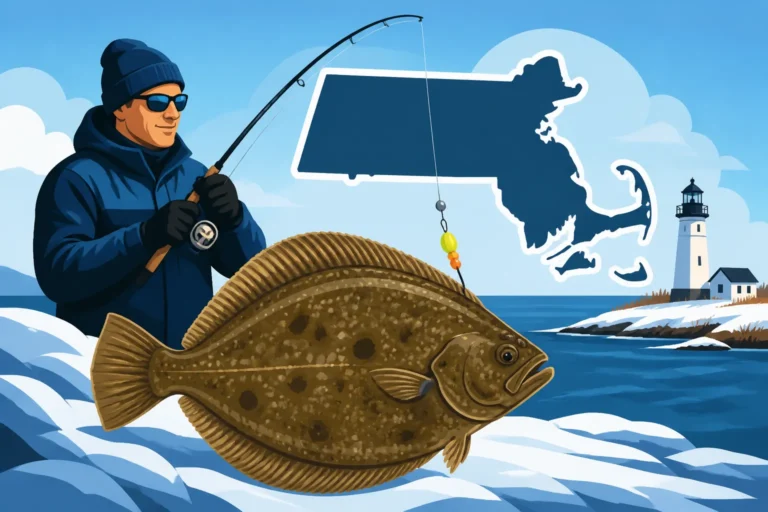
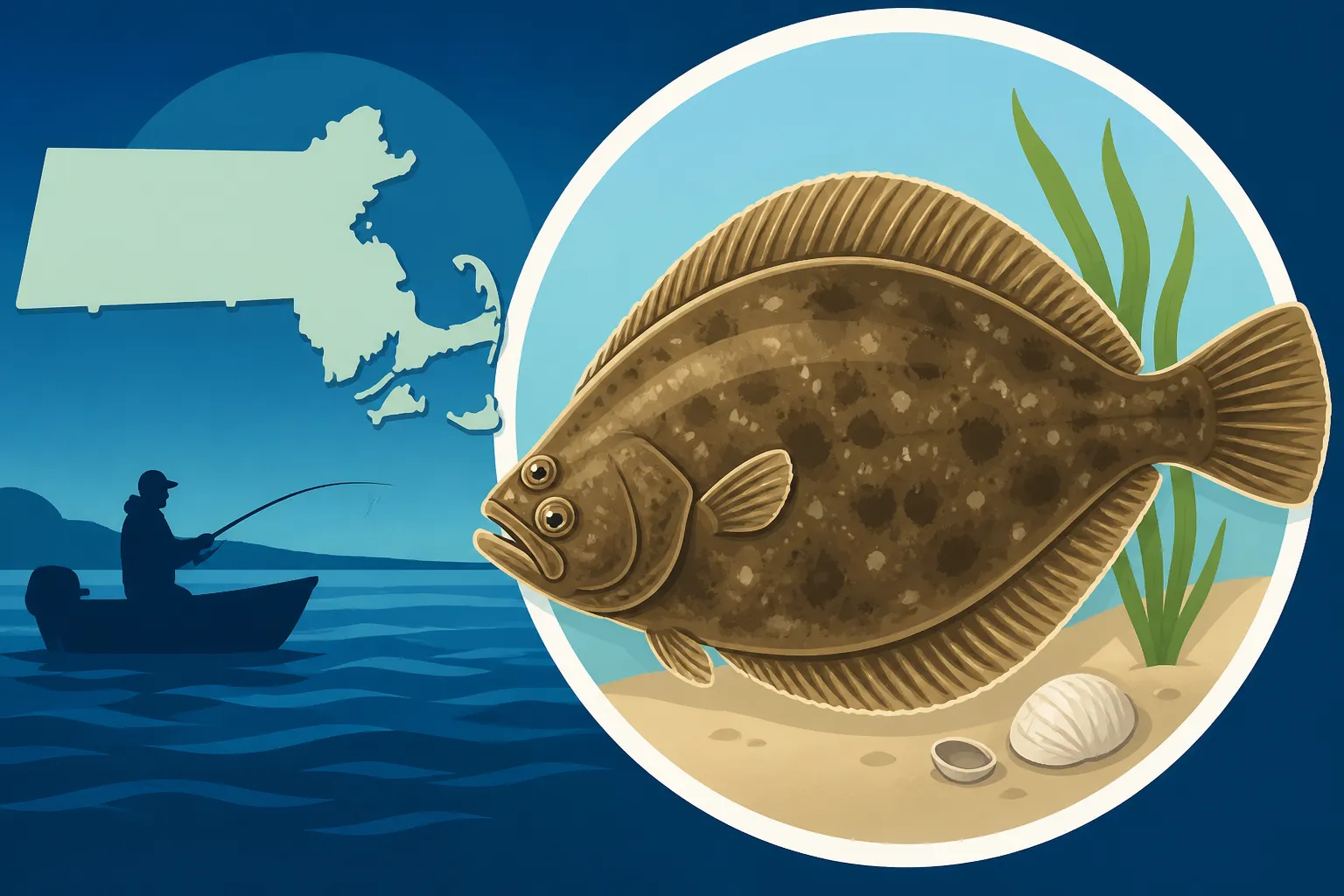
The most striking feature of any flounder, of course, is its flatness. Winter flounder are a quintessential "flatfish," meaning their bodies are compressed laterally, and as they mature, one eye migrates to the other side of their head, allowing them to lie flat on the seabed with both eyes looking upwards. What's crucial for identification is that the winter flounder is typically left-eyed, meaning if you place the fish with its belly facing away from you and its mouth to your left, both eyes will be on the upper side. Their coloration is usually a mottled blend of brown, olive, and rusty tones, often with darker spots, allowing them to perfectly camouflage against sandy or muddy bottoms. This incredible ability to blend in is their primary defense mechanism against predators.
Unlike some of its more aggressive cousins, the winter flounder has a relatively small mouth, reflecting its diet of small, sedentary invertebrates. Its body shape is often described as a broad teardrop or diamond, wider and thicker than some other flounder species, giving it a somewhat robust appearance. The lateral line, which is a sensory organ running along the side of the fish, is another key identifier; for winter flounder, it runs in a gentle arch over the pectoral fin, rather than a sharp curve. These seemingly small details are essential when trying to determine if you've landed a winter flounder or another type of flatfish, especially since regulations can vary greatly between species.
Habitat Preferences and Life Cycle
Winter flounder are creatures of the shallow, sheltered inshore waters. They absolutely thrive in estuaries, harbors, protected bays, and shallow coastal areas where the bottom consists of soft mud, sand, or a mix of both. This soft substrate is perfect for them to burrow into, camouflaging themselves and lying in wait for unsuspecting prey. They are ambush predators, often burying themselves with just their eyes protruding, ready to snap up whatever morsel comes along. Their diet primarily consists of marine worms (like bloodworms and sandworms), small crustaceans, and tiny mollusks – testament to their small mouth size and bottom-dwelling lifestyle.
The "winter" in their name is no accident; it refers to their spawning season. Unlike many fish that reproduce in warmer months, winter flounder typically spawn during the colder parts of the year, from late winter into early spring, when water temperatures are still quite chilly. This timing is a key biological adaptation that helps distinguish them. After spawning, they tend to move to slightly deeper, cooler waters during the height of summer, but as fall approaches and temperatures drop, they migrate back to those shallower inshore areas where they will spend the cooler months, feeding actively and preparing for the next spawning cycle. This seasonal movement is vital for anglers to understand if they hope to target them successfully.
Winter Flounder vs. The Rest: Distinguishing Our Flatfish Friends
In Massachusetts waters, winter flounder aren't the only flatfish you might encounter. We have several species that hug the bottom, and for a new angler, or even a seasoned one in a hurry, telling them apart can be a real head-scratcher. But knowing the difference is crucial, not just for identifying your catch, but often for adhering to fishing regulations.
Telling Them Apart from Summer Flounder (Fluke)
Perhaps the most common confusion arises when comparing winter flounder to summer flounder, more commonly known as fluke. While both are flatfish, they have distinct differences that make them easy to tell apart once you know what to look for. The absolute golden rule here, the one you can hang your hat on, is the eye placement. Winter flounder are almost exclusively left-eyed, meaning their eyes are on the left side of their head when viewed from above with the mouth pointing left. Summer flounder, or fluke, are typically right-eyed, with their eyes on the right side of their head when viewed in the same manner. This is the single most reliable characteristic.
Beyond eye placement, their body shapes and mouths offer further clues. Winter flounder tend to be thicker, more oval, and robust, with a smaller mouth. Summer flounder (fluke) are generally thinner, more elongated, and possess a larger, toothier mouth, indicative of their more predatory nature, often chasing baitfish. Their coloration also differs subtly; fluke often have distinct spots that help them blend with gravelly or sandy bottoms, while winter flounder have a more mottled, uniform appearance.
The "winter" and "summer" in their names also refer to their peak activity seasons and preferred water temperatures. Winter flounder thrive in colder water, making them an excellent target in spring and fall, and even through the ice in some areas. Fluke, as their name suggests, prefer warmer waters and are typically caught from late spring through early fall. If you're looking for more details on fluke, including their habits and how to target them, you might find our guide on How to Catch Fluke in Massachusetts helpful. Understanding these distinctions is not just academic; it directly impacts how and when you fish, and importantly, ensures you comply with species-specific size and bag limits, which can be found in resources like Massachusetts Fluke Minimum Size, Shore Versus Boat.
| Feature | Winter Flounder (Blackback) | Summer Flounder (Fluke) |
|---|---|---|
| Eye Placement | Left-eyed (eyes on left side) | Right-eyed (eyes on right side) |
| Body Shape | Thicker, more oval/teardrop, robust | Thinner, more elongated, sleek |
| Mouth Size | Small, upturned, suited for small invertebrates | Large, toothy, suited for baitfish |
| Preferred Temp. | Cold water (active in winter/early spring) | Warm water (active in summer/early fall) |
| Coloration | Mottled brown/olive, sometimes with faint spots | Brown with distinct, scattered dark spots |
| Common Habitat | Muddy/sandy bays, estuaries, inshore flats | Sandy/gravelly bottoms, deeper channels |
Other Massachusetts Flatfish Comparisons
While winter and summer flounder are the most commonly confused, Massachusetts waters are also home to other flatfish like yellowtail flounder and windowpane flounder. Yellowtail flounder, though less common for recreational shore anglers, are typically right-eyed, like fluke, but possess a distinct arch in their lateral line and a yellowish tint on their underside, particularly their fins. Windowpane flounder are also right-eyed but have an almost translucent, very thin, circular body shape, making them quite distinct from their more robust relatives.
For recreational anglers focusing on inshore fishing, the primary concern will almost always be distinguishing between winter flounder and summer flounder due to their similar habitats and the popularity of both species. By memorizing the eye-placement rule and body characteristics, you’ll be well on your way to confidently identifying your catch and understanding the specific "what winter flounder is" in your hands.
Where and When to Encounter Winter Flounder in Massachusetts
Knowing what a winter flounder is physically is one thing, but knowing where and when to find them is the key to hooking one. Massachusetts offers a fantastic array of fishing opportunities for these delightful flatfish, particularly when you understand their preferred conditions.
Prime Massachusetts Fishing Grounds
Winter flounder are not deep-sea adventurers; they are homebodies, preferring the sheltered, soft-bottomed expanses of our coastal bays, estuaries, and harbors. These areas provide the perfect blend of food sources and protection. Some of the most productive grounds include the numerous estuaries and mud flats along the North Shore, the vast expanse of Boston Harbor (particularly the shallower, muddier sections and nearby tidal rivers), and the protected bays around Cape Cod, such as sections of Cape Cod Bay and Buzzards Bay. Places like Quincy Bay, the mouth of the Merrimack River, and the various inlets around Plymouth often hold good numbers of winter flounder, especially in the early spring.
Think about areas with soft, silty bottoms, often near channels or depressions, where tidal currents deposit nutrient-rich sediments. These spots are essentially a buffet for marine worms and crustaceans, which are the winter flounder’s primary diet. Public piers, jetties, and accessible shorelines that extend over these types of bottoms can be excellent starting points. For a broader overview of places to cast a line in the Commonwealth, check out our guide on the Best Fishing Spots in Massachusetts. Remember, these fish often congregate in specific pockets, so a bit of local knowledge or scouting can go a long way.
Seasonal Presence and Environmental Factors
As their name suggests, winter flounder are most actively targeted during the cooler months. Their peak season typically runs from late fall through spring, with late March, April, and early May often considered prime time in many parts of Massachusetts. During these periods, water temperatures are ideal for their metabolism and spawning activities, drawing them into shallow water. As summer heat arrives, they tend to move to slightly deeper, cooler waters offshore to escape the warmth, though some can still be found in cooler, inshore pockets. For a more detailed look at the year-round fishing calendar, consult Massachusetts Fishing Seasons Explained and Massachusetts Saltwater Fishing Seasons.
Beyond the general season, specific environmental factors play a huge role. Tide is paramount for winter flounder fishing. They are often most active during the slower parts of the tide – either slack tide or the beginning of the incoming or outgoing tide. These calmer periods allow them to hunt more effectively without fighting strong currents, and the moving water can stir up the bottom, making their food more accessible. Light wind and overcast days can also be favorable, as bright sun and strong winds can make the shallow bottoms they inhabit less appealing. Keeping an eye on a good tide chart is just as important as having the right bait in your cooler.
Angling for Winter Flounder: Techniques and Gear Insights
Catching winter flounder isn't about brute strength or fancy casting; it's about subtlety, presentation, and understanding their bottom-feeding habits. While they can be a bit finicky, with the right approach, they offer a rewarding and often delicious catch.
The Right Tools for the Job
When it comes to gear for winter flounder, think light and sensitive. You don't need heavy-duty offshore tackle. A light to medium-light spinning rod, typically 6 to 7 feet long, paired with a matching spinning reel spooled with 8 to 15-pound braided line (for sensitivity) or monofilament, is usually perfect. The key is a rod with a sensitive tip that can detect the often subtle bites of a flounder. You want to feel every little tap as they mouth the bait on the bottom. If you're looking to upgrade your setup, many excellent sensitive rods and reels can be found on Amazon, often with detailed reviews to help you choose.
The most effective rig for winter flounder is typically a simple "hi-lo" rig or a single snelled hook rig. A hi-lo rig consists of two hooks tied above a sinker, allowing you to present two baits at different depths just off the bottom. Sinker weight depends on the current and depth, but typically a 1/2 oz to 2 oz pyramid or bank sinker will suffice to hold your bait on the bottom. Use small, sharp hooks, usually a size 6 to 2 bait-holder hook, as winter flounder have delicate mouths and small bites. Having a selection of these pre-tied rigs and different sinker weights in your tackle box is always a good idea. Sometimes the fish prefer one specific presentation over another, and having options is key.
The All-Important Bait
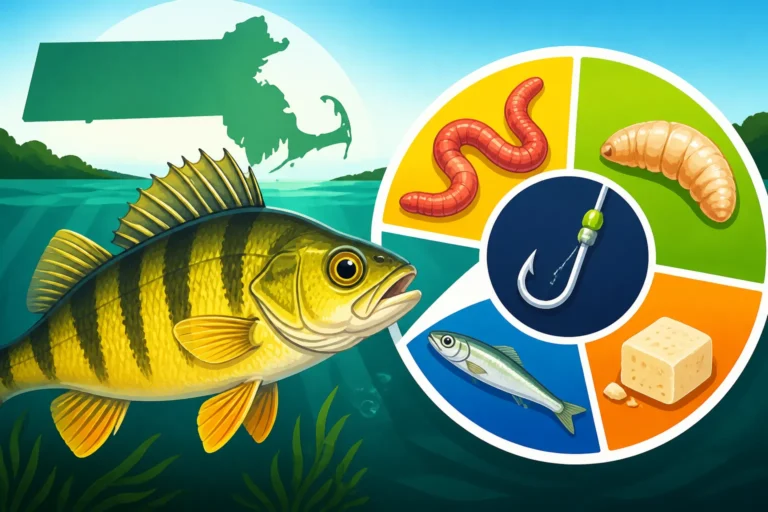
If there's one secret weapon for winter flounder, it's fresh marine worms. Bloodworms and sandworms are, without a doubt, the king of winter flounder baits. Their natural scent and wiggle are irresistible to flounder. You want to thread a good portion of the worm onto your small hook, leaving the ends to wriggle freely. If you can't find fresh worms locally, sometimes specialty bait shops might offer delivery, or you might look for high-quality synthetic alternatives online, though fresh is always best. Keeping your worms fresh requires proper storage, and insulated bait coolers suitable for this can be conveniently purchased from Amazon.
While worms are primary, clam strips are a strong secondary bait, especially if worms are scarce. Freshly shucked clams, cut into thin strips, can also be very effective. The key to successful flounder fishing with bait is presentation. You want your bait to be on or very near the bottom. Cast out, let your rig sink, and then slowly, almost imperceptibly, retrieve it with a gentle jigging motion or by letting the tide slowly drift it across the bottom. The goal is to make your bait look like an easy, natural meal. Don't be afraid to experiment with retrieve speeds and subtle pauses until you find what the flounder are responding to that day. Patience and a light touch are often rewarded.
Protecting the Future: Winter Flounder Conservation and Regulations
Understanding "what winter flounder is" also means recognizing their place in our ecosystem and the importance of responsible fishing practices. These fish, while once incredibly abundant, have faced challenges, and their continued health relies on careful management and angler awareness.
Navigating Massachusetts Fishing Rules
Massachusetts, through its Division of Marine Fisheries (DMF), has specific regulations in place to manage winter flounder populations. These regulations, which are subject to change based on stock assessments and conservation needs, typically involve specific minimum size limits, daily bag limits (the number of fish you can keep per day), and sometimes seasonal closures. The goal of these rules is to ensure that enough flounder survive to reproduce, maintaining a healthy population for future generations. It's not about stopping you from fishing; it's about protecting the resource we all cherish.
It's absolutely essential for any angler targeting winter flounder (or any species) to consult the most current regulations before heading out. You can usually find the official Massachusetts recreational fishing regulations on the MassWildlife website or by picking up a copy of the Massachusetts Fishing Regulations Pamphlet, Explained at many bait and tackle shops. Remember, ignorance of the law is no excuse, and penalties for violations can be significant. Also, be mindful that saltwater fishing in Massachusetts generally requires a Massachusetts Saltwater Recreational Fishing Permit Explained, distinct from a freshwater license. Our guide on Massachusetts Freshwater vs Saltwater License Differences can help clarify this for you.
The Importance of Sustainable Fishing Practices
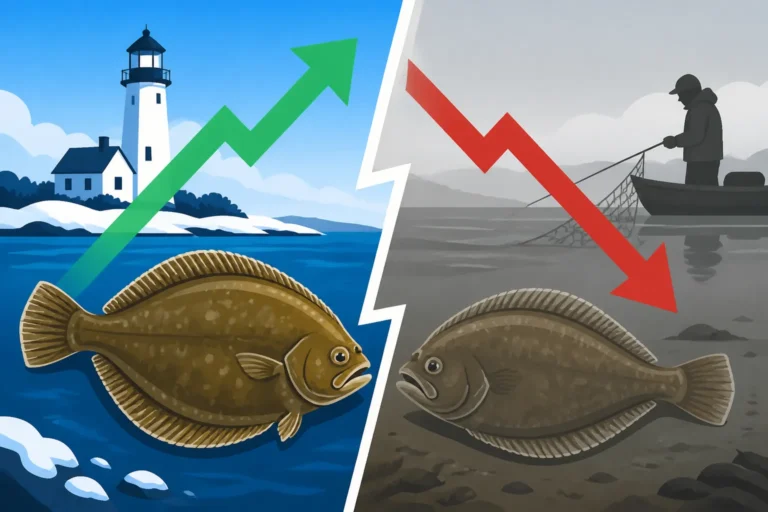
The history of winter flounder fishing in Massachusetts tells a story of boom and bust. Once incredibly plentiful, their numbers have seen significant declines over the decades due to a combination of factors, including overfishing, habitat loss, and environmental changes. This is why conservation efforts are so critical, and why understanding "When winter flounder fishing has declined in Massachusetts" provides essential context for modern regulations.
As anglers, we play a vital role in their recovery and sustainability. Practicing responsible catch and release, especially for fish close to the minimum size limit, ensures that smaller fish have a chance to grow and contribute to spawning. If you plan to keep your catch, only take what you need and adhere strictly to bag limits. Proper handling of released fish, minimizing their time out of water and using de-hooking tools, also increases their survival rate. Education is key, and there are many excellent resources on sustainable fishing practices, some of which you can find in books or guides available on Amazon. By being informed and responsible, we can all contribute to ensuring that winter flounder remain a part of the vibrant Massachusetts fishing scene for years to come.
Disclaimer
This article is for general informational purposes only and does not constitute professional advice. Laws, prices and regulations vary by location and change over time. Consult a qualified professional for guidance on your specific situation.