Massachusetts state record largemouth bass
It's a dream many of us anglers share: the moment you feel that incredible tug, the rod bends double, and you know, just know, this isn't just any fish. This is a monster. For bass enthusiasts in Massachusetts, that monster often means chasing the elusive state record largemouth bass, a truly monumental achievement that separates the dedicated from the casual. This guide will dive deep into what it takes to pursue, catch, and officially document one of these legendary fish in the Bay State.
The Quest for Massachusetts' Record Largemouth Bass: More Than Just a Number
There's an undeniable thrill in pursuing a personal best, let alone a state record. It's not just about the weight on the scale; it's about the countless hours spent on the water, the meticulous planning, the perseverance through slow days, and the sheer joy of overcoming a monumental challenge. The Massachusetts state record largemouth bass isn't just a number; it's a testament to an angler's skill, dedication, and a bit of good old-fashioned luck.
Understanding the Current Benchmark: What Does "State Record" Mean Here?
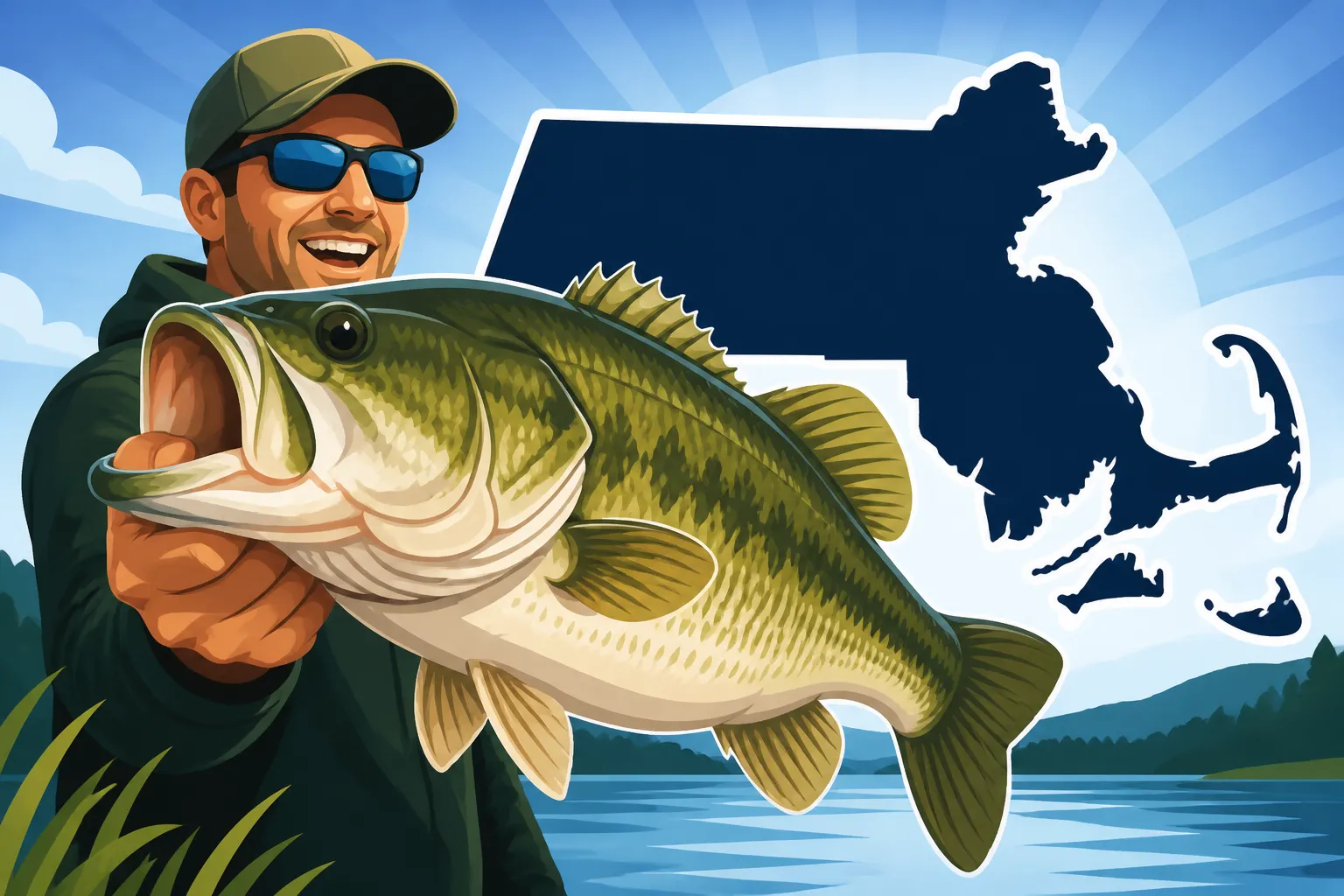
When we talk about a state record largemouth bass, we're discussing a fish that represents the heaviest catch of that species ever officially documented within Massachusetts waters. It's a benchmark that has stood the test of time, often for decades, making it an almost mythical achievement for any angler. The current Massachusetts state record largemouth bass is a truly impressive specimen, weighing in at 15 pounds, 8 ounces, caught way back in 1991 by Albert Stone. Imagine the excitement and disbelief he must have felt that day! That record has held strong ever since, daring another angler to rise to the challenge.
This kind of record isn't just a simple catch; it involves a rigorous verification process to ensure accuracy and fairness for all anglers who participate in the state's sportfishing awards program. It's about setting a standard, inspiring future generations, and recognizing the truly exceptional fish swimming in our local lakes and ponds.
The Anatomy of a Trophy Largemouth: Size, Weight, and What It Takes to Get There
A "trophy" largemouth bass is impressive, but a "state record" largemouth is in a league of its own. These fish aren't just big; they're ancient, having survived countless seasons, evaded untold numbers of anglers, and grown to an extraordinary size thanks to perfect conditions. So, what goes into creating such a behemoth?
Firstly, genetics play a huge role. Some bass are simply predisposed to grow larger and faster than others. But even with good genes, a fish needs a long lifespan to reach record proportions. This means the water body must be healthy, providing consistent food sources and stable environmental conditions that reduce stress and disease. How big largemouth bass get in Massachusetts ponds can vary wildly, but record breakers are typically 10 years or older, sometimes even more.
Secondly, and perhaps most importantly, is an abundant and easily accessible food supply. These giants need to eat a lot to maintain and increase their incredible mass. Think about it: a bass needs to consume a significant percentage of its body weight in forage regularly. If their environment is rich with baitfish, crayfish, and other edibles, they'll have the fuel to pack on the pounds. Lastly, sufficient cover and minimal fishing pressure in certain areas allow these fish to grow old and wise without being constantly harassed. It's a delicate balance that few waters manage to maintain perfectly.
Hunting Grounds: Where the Giants Lurk in Massachusetts
Finding a state record largemouth isn't about casting aimlessly; it's about understanding their preferred real estate. These fish are creatures of habit, driven by instinct to find food, cover, and comfortable water temperatures. Knowing where to focus your efforts is half the battle.
Identifying Prime Largemouth Habitat for Monster Catches
Giant largemouth bass aren't usually found cruising open water. They are ambush predators, preferring to hide in areas where they can surprise their prey. Look for specific structures that offer both concealment and a strategic vantage point for hunting. This includes dense weed beds, especially those with varying heights or distinct edges that create corridors for baitfish. Submerged timber, fallen trees, and brush piles are absolute magnets for big bass, offering shade, cover, and a perfect place to lie in wait.
Deepwater access near shallow feeding flats is another key characteristic. Bass will often move from deeper, cooler water to shallower areas to feed, especially during dawn and dusk. Rock piles, ledges, and drop-offs that transition quickly from shallow to deep water provide these vital pathways. Additionally, areas with slightly warmer water, like coves or flats that receive ample sunlight, can be productive, especially in the cooler months, as bass seek comfort and active prey.
Key Water Bodies Known for Producing Big Bass
While identifying the next record-breaking spot is like finding a needle in a haystack, some Massachusetts water bodies have a reputation for producing consistently large largemouth bass, and sometimes, even giants. These are typically larger ponds and lakes with diverse habitats and a healthy ecosystem. For example, lakes with extensive shallow flats mixed with deep channels and plenty of submerged vegetation tend to be excellent candidates.
Consider places with a history of big fish catches, not necessarily record-breakers, but consistently large bass. Lakes like Long Pond Fishing in Southeastern Massachusetts or Lake Quinsigamond Fishing Spots in Massachusetts are known to hold robust bass populations, including some true bruisers. Even waters like Otis Reservoir Fishing Spots offer the kind of varied structure and ample forage that big bass thrive on. Don't overlook the potential of lesser-known spots; sometimes the best opportunities are in waters that fly under the radar. For a broader look, check out our guide on the Best Freshwater Ponds and Lakes in Massachusetts, which lists many promising locations. Many excellent bass lakes, particularly in Central Massachusetts, also offer fantastic opportunities. Dive into Best Largemouth Bass Lakes in Central Massachusetts for more detailed insights.
Here's a quick comparison of characteristics that make a water body a potential home for record-setting largemouth bass:
| Characteristic | Ideal for Record Bass | Less Ideal |
|---|---|---|
| Water Clarity | Moderate to Clear (allows visual hunting, ambush) | Murky (reduces hunting efficiency) |
| Forage Base | Abundant baitfish, crayfish, panfish | Scarce or limited species |
| Structure/Cover | Dense weeds, submerged timber, rock piles, deep edges | Sparse vegetation, uniform bottom, little depth change |
| Water Depth | Mix of shallow feeding flats and deep escape routes | Mostly shallow or consistently deep without features |
| Fishing Pressure | Moderate to Low (allows fish to grow old and wise) | High (fish are stressed, often caught/kept smaller) |
| Ecosystem Health | Balanced, clean water, stable temperatures | Polluted, extreme temperature fluctuations |
The Forage Factor: Fueling Record Growth
You can't have a giant bass without a giant appetite, and that appetite needs to be met by an abundant food source. The forage base in a particular water body is arguably the single most critical factor in determining how large its bass population can grow. A diverse and robust population of baitfish is essential. Think about fat shiners, alewives, golden shiners, and various panfish like yellow perch and bluegill. These protein-rich meals provide the necessary calories for rapid growth.
Beyond finned prey, crayfish are a primary food source for big bass and are packed with nutrients. A healthy crayfish population can significantly contribute to a bass reaching exceptional size. Other invertebrates and even small amphibians or rodents can occasionally become part of a record-seeker's diet. When the buffet is always open, and the food is nutritious, bass can dedicate more energy to growth rather than expending energy searching for scarce meals. This rich food supply, combined with a relatively long lifespan, is the perfect recipe for a monster largemouth.
The Angler's Edge: Gear, Techniques, and the Mindset of a Record Hunter
Catching a record largemouth isn't just about finding the right spot; it's about employing the right strategies and having the proper equipment to land a truly massive fish. It demands a specific approach, honed skills, and an unwavering commitment.
Masterful Techniques for Enticing Giant Largemouth
When targeting truly enormous bass, subtlety and patience often trump speed and flash. These older, wiser fish have seen it all and are less likely to fall for aggressive, novice presentations. You need to present baits in a way that mimics natural prey and minimizes suspicion. Often, this means a slower retrieve, allowing your lure to spend more time in the strike zone, particularly around dense cover where giants lurk.
Consider using larger baits than you might typically throw. Big fish often prefer big meals, so oversized swimbaits, heavy jigs, or substantial plastic worms can be highly effective. When it comes to soft plastics, learning How to fish plastic worms for largemouth bass effectively is a game-changer, as their subtle action can trigger strikes from cautious fish. Similarly, during low-light conditions or over dense cover, the explosive action of topwater lures can be irresistible to a massive bass. For tips on generating those surface strikes, check out Best topwater lures for summer bass fishing. Remember, How to Catch Largemouth Bass in Massachusetts often boils down to understanding their behavior and adapting your technique.
The key is often to work your bait thoroughly through productive areas, sometimes making multiple casts to the same piece of cover from different angles. This persistent, methodical approach increases your chances of encountering a record-caliber fish that might not react to the first pass.
Essential Gear for Taming a Record-Breaking Bass
Landing a fish that could shatter a state record requires more than just a standard rod and reel. Your gear needs to be robust, reliable, and capable of handling immense power. Start with a heavy-action baitcasting rod, typically 7 to 8 feet long, which provides the backbone needed to pull a large bass out of heavy cover and has the leverage to control its powerful runs. Pair this with a high-quality baitcasting reel with a smooth, strong drag system. Look for a reel with a decent retrieve ratio, but prioritize power and durability over lightning-fast retrieve.
Line choice is critical. Braided line, with its incredible strength-to-diameter ratio and zero stretch, is a favorite for big bass anglers. Use a heavy braid, upwards of 50-65 pound test, with a fluorocarbon leader (20-30 pound test) for stealth and abrasion resistance. A sturdy landing net with a wide hoop and deep, knotless mesh is also indispensable for safely securing a big fish. Don't forget a quality pair of pliers for hook removal and a measuring board for accurate length measurements. When it comes to stocking up on these essentials, many anglers find a huge selection and competitive pricing on platforms like Amazon, making it easy to get everything you need delivered right to your door. For a comprehensive overview of what you'll need, our Largemouth Bass Fishing in Massachusetts guide offers more detailed advice.
The Ethical Pursuit: Catch, Document, and Release for Future Generations
Catching a record largemouth is a moment of immense pride, but it also comes with a responsibility to the fish and the sport. The ethical angler prioritizes the fish's well-being, especially when dealing with a potential record-breaker. This means being prepared for a quick and accurate weigh-in, precise measurements, and careful handling to ensure the fish's survival if you choose to release it.
A certified scale is absolutely non-negotiable for any record attempt. These scales are regularly calibrated and provide the official weight needed for verification. Practice handling large fish gently, supporting their full body weight horizontally, and minimizing their time out of the water. Have your camera ready for clear, well-lit photos that showcase the fish and provide verifiable details. While you might be tempted to keep such a trophy, releasing these large, often older, fish back into the water allows them to potentially spawn again and contribute their superior genetics to future generations of bass. This "catch, document, release" philosophy helps sustain the dream for others. Remember, Is There a Size Limit for Largemouth Bass in Massachusetts? for keeping fish, but for a true record, releasing is often the noblest choice.
The Official Process: Making Your Catch Count in the Massachusetts Record Books
You've done it. You've landed the fish of a lifetime. Now, how do you ensure that incredible catch is recognized in the official Massachusetts record books? It's a precise process that requires attention to detail and swift action.
Steps to Officially Register a State Record Bass
The moment that monster bass is in your net, the clock starts ticking. First and foremost, you need to contact MassWildlife as soon as possible. They will guide you through the specific requirements. The fish must be weighed on a state-certified scale by an official witness. This is usually done at a local tackle shop, a seafood market, or another establishment with a certified scale that has been inspected for accuracy. Do not rely on unverified scales.
You'll need high-quality photographs of the fish, showing its full length and girth. Photos with a ruler or measuring tape clearly visible next to the fish are crucial for verification. You'll also need the names and contact information of witnesses who can attest to the catch and the weigh-in process. The exact date, time, and location of the catch (within state waters) are also required. It's a lot of information, but every detail helps confirm the legitimacy of your historic catch.
Preparing for the Unthinkable: What to Have Ready
To increase your chances of a successful record submission, it pays to be prepared before you even hit the water. This means having a portable, certified scale on board that you can quickly use for an initial weigh-in, even if you'll re-weigh on a larger certified scale later. A flexible measuring tape, capable of accurately measuring both length and girth, is essential. Of course, a fully charged smartphone or a dedicated camera for high-resolution photos and videos is a must.
If you plan to release the fish, a large, aerated livewell or a suitable holding tank filled with fresh water will be critical to keep the bass alive and healthy during the documentation process. Having these tools ready to go can save precious minutes, minimizing stress on the fish and ensuring all necessary data is collected accurately and quickly. You can find many reliable and well-regarded tools like certified scales and quality measuring tapes through online retailers like Amazon, ensuring you’re well-equipped before your next trip.
Why Verification Matters: Ensuring Integrity of the Record Books
The stringent verification process for state records isn't there to make things difficult; it's there to protect the integrity of the sport and the historical records. Without careful checks and balances, anyone could claim a record, devaluing the achievements of truly dedicated anglers. Official verification ensures that every record in the books is legitimate, fostering trust and respect within the angling community.
It also serves a scientific purpose. Accurate records help MassWildlife track the health and growth potential of fish populations in various water bodies, informing their conservation efforts. By adhering to the rules and submitting a meticulously documented catch, you're not just making your own mark; you're contributing to the legacy of Massachusetts fishing and inspiring others to pursue their own angling dreams responsibly.
Disclaimer
This article is for general informational purposes only and does not constitute professional advice. Laws, prices and regulations vary by location and change over time. Consult a qualified professional for guidance on your specific situation.