Massachusetts fish species that migrate between salt and freshwater
Oh, the sheer magic of fish that defy boundaries! As a fellow angler and lover of Massachusetts waters, I know that there's nothing quite like witnessing the incredible journeys of fish that move between our salty coastline and our winding freshwater rivers. It’s a testament to nature's resilience and a reminder that our ecosystems are intricately connected. If you've ever wondered about the striped bass that seemingly vanish only to return, or the mysterious eels you sometimes spot, this guide is going to pull back the curtain on the fascinating world of Massachusetts fish species that migrate between fresh and saltwater. Get ready to dive deep into their incredible life cycles and the crucial role they play in our local fishing scene.
Understanding Anadromous and Catadromous Fish in Massachusetts
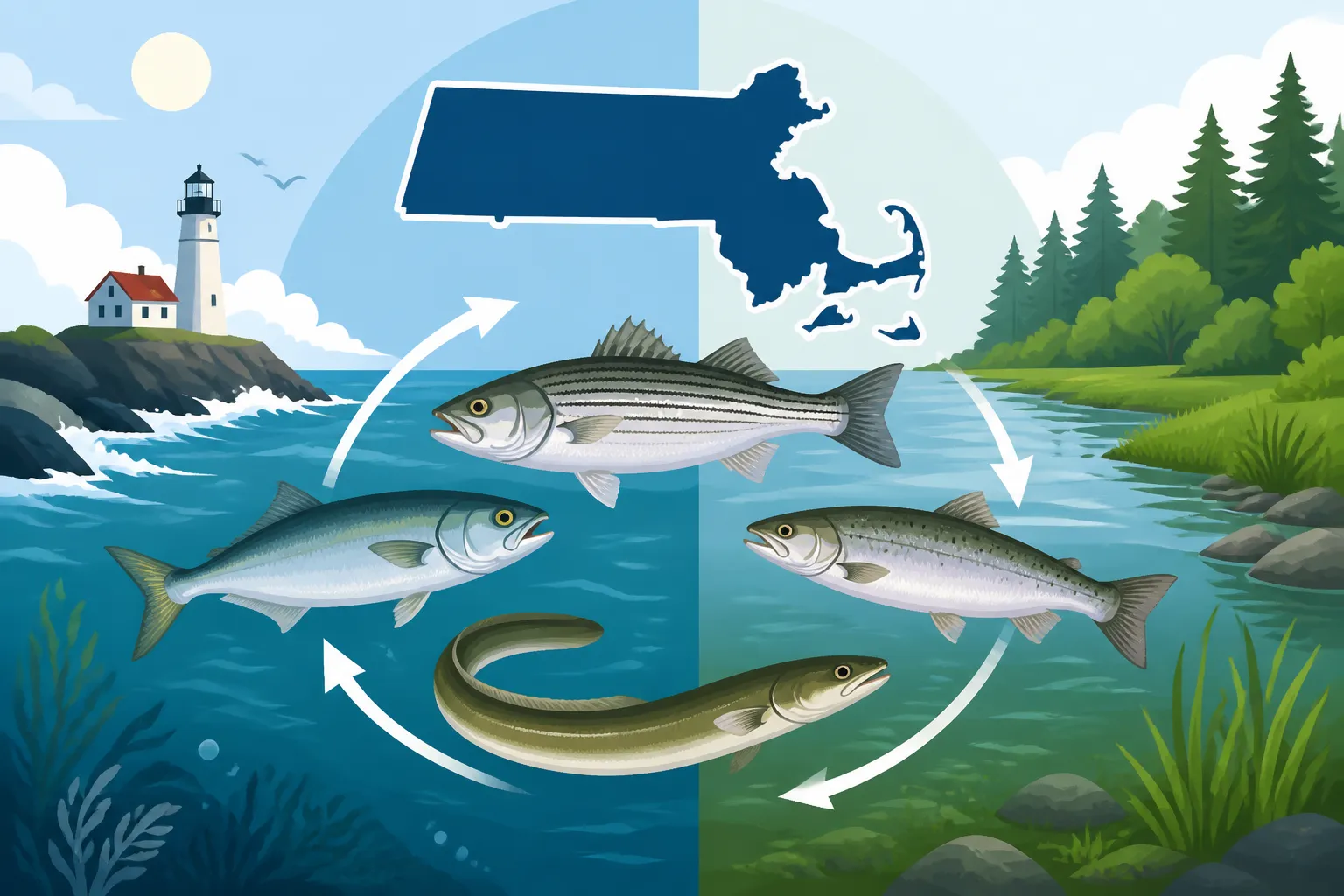
When we talk about fish migrating between fresh and saltwater, we're really talking about two big scientific terms: anadromous and catadromous. But don't let those fancy words intimidate you! They simply describe the direction these fish travel during their incredible life cycles. For us anglers, understanding this is key to appreciating these species and knowing when and where to find them.
What Does Anadromous Mean for Massachusetts Fish?
Anadromous fish are the classic "salmon-run" type of migrants, though in Massachusetts, our most famous anadromous fish isn't a salmon at all! These are species that spend the majority of their adult lives growing and maturing in the rich, food-filled saltwater ocean, where resources are plentiful. But when it comes time to reproduce, they undertake an arduous journey, fighting against currents and overcoming obstacles to swim upstream into freshwater rivers and streams. This is where they lay their eggs, ensuring the next generation can hatch and begin their lives in the sheltered, nutrient-rich environments of freshwater. Think about it from a young fish's perspective: starting life in a calmer river, away from the big predators of the ocean, gives them a better chance to survive. This pattern is common among many species we cherish and fish for right here in the Bay State.
The Reverse Journey: Catadromous Fish in Our Waters
Now, if anadromous fish swim up to freshwater to spawn, catadromous fish do the exact opposite! These fascinating creatures are born in saltwater, but then they migrate into freshwater rivers, ponds, and even brackish estuaries to live and grow as juveniles and adults. After years of maturing in these freshwater habitats, they make a reverse migration, heading back down to the ocean to spawn. It's a less common migration pattern globally, but Massachusetts is home to a truly remarkable example of a catadromous fish that plays a vital role in our local ecosystems. Their presence in our freshwater systems often goes unnoticed by many, but their life cycle is just as complex and incredible as their anadromous cousins.
Key Anadromous Fish Species in Massachusetts
Massachusetts is blessed with several important anadromous fish species. These fish are not only ecologically significant but also provide incredible fishing opportunities, drawing anglers from all over. Understanding their movements is like having a secret roadmap to some of the best fishing adventures.
Striped Bass: Our Anadromous Icon
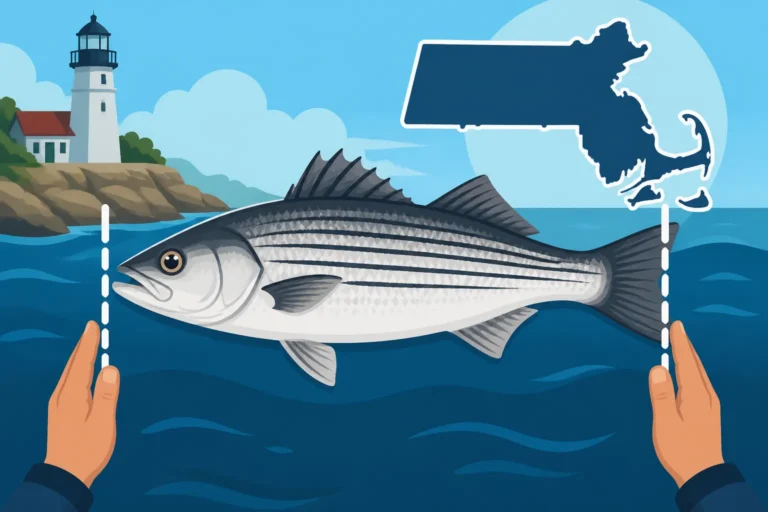
When most Massachusetts anglers think of migratory fish that span fresh and saltwater, the majestic striped bass (or "striper" as we lovingly call them) is usually the first species that comes to mind. While they don't migrate far up rivers to spawn in Massachusetts itself, the species as a whole is anadromous, with major spawning grounds further south in the Chesapeake Bay and Hudson River systems. After hatching in these freshwater estuaries, juvenile stripers spend time in these calmer, nutrient-rich nursery areas before heading out to the open ocean. As adults, they undertake vast migrations along the Atlantic coast, with huge numbers moving into and through Massachusetts waters from spring through fall, chasing baitfish and providing incredible fishing opportunities.
During their time in Massachusetts, you'll find them cruising our coastlines, lurking in estuaries, and even pushing a good distance up major rivers like the Merrimack and Connecticut, sometimes far enough to be considered brackish or even nearly fresh. They follow the food, and if baitfish are abundant upstream, the stripers will be right there with them. This is why knowing their migration patterns and preferred habitats throughout the season is so crucial for success. You can spend a lifetime learning how to catch these powerful fish, whether you're surfcasting off a Cape Cod beach or jigging in Boston Harbor. If you’re looking to get started, our guide on Striped Bass Fishing in Massachusetts is an excellent resource.
River Herring: The Unsung Heroes of Our Waterways
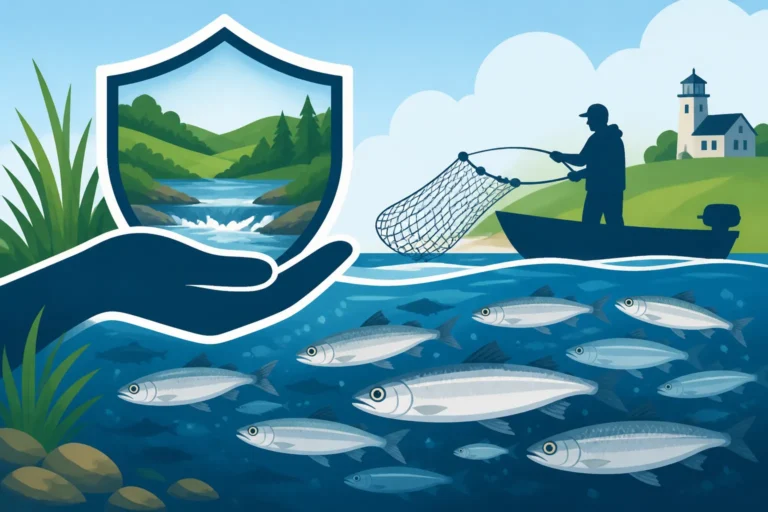
Perhaps some of the most critical, yet often overlooked, anadromous species in Massachusetts are river herring. This group primarily includes alewives and blueback herring. These fish spend their adult lives in the vast expanse of the Atlantic Ocean, feeding and growing. But come spring, something incredible happens: a biological alarm clock goes off, and they gather in massive schools, pushing into freshwater rivers, streams, and ponds to spawn. Their annual runs are one of nature's most spectacular events, bringing life and energy back to our freshwater systems after a long winter. They are often referred to as "forage fish" because they are a primary food source for so many other species, both in the ocean and in freshwater.
The sight of thousands of herring fighting their way upstream, sometimes leaping over small rapids or through fish ladders, is truly breathtaking. These runs are crucial for the entire ecosystem; they bring vital marine nutrients inland, and their sheer numbers provide a feast for everything from striped bass and bluefish waiting at the river mouths to ospreys, eagles, and even bears further upstream. Sadly, their populations have faced challenges over the years due to habitat loss and fishing pressure, but dedicated conservation efforts are helping to restore their runs. For an in-depth look at these vital migrations, check out River Herring Runs in Massachusetts. When fishing near these runs, it’s always important to be aware of local regulations, as harvesting herring is often prohibited or strictly controlled to protect their populations. You might even find some specialized gear for catching baitfish or identifying local species, like a good pair of polarized sunglasses or a field guide, on Amazon that can enhance your experience near these runs.
American Shad: A Springtime Delicacy
Another prized anadromous fish making an epic journey into Massachusetts freshwater each spring is the American shad. Often called the "poor man's salmon" for its fighting spirit and delicious, albeit bony, flesh, the American shad is a member of the herring family and arguably one of the most beautiful. Like their herring cousins, adult shad spend years maturing in the ocean. Then, as water temperatures rise in late spring, they begin their spawning migration, seeking out specific freshwater rivers, often traveling hundreds of miles upstream to lay their eggs.
In Massachusetts, the Connecticut River is a prime destination for shad anglers, offering some truly fantastic opportunities to catch these hard-fighting fish. Their migration usually peaks in May, and anglers often target them with small, colorful jigs or flies. Catching a schooling American shad, particularly on light tackle, is an exhilarating experience. The sheer power they display, coupled with their acrobatic leaps, makes them a favorite target for many during their brief freshwater visit. If you want to explore the best spots for these fish, our article on American Shad in the Connecticut River will be incredibly helpful.
Atlantic Salmon: A Glimmer of Hope
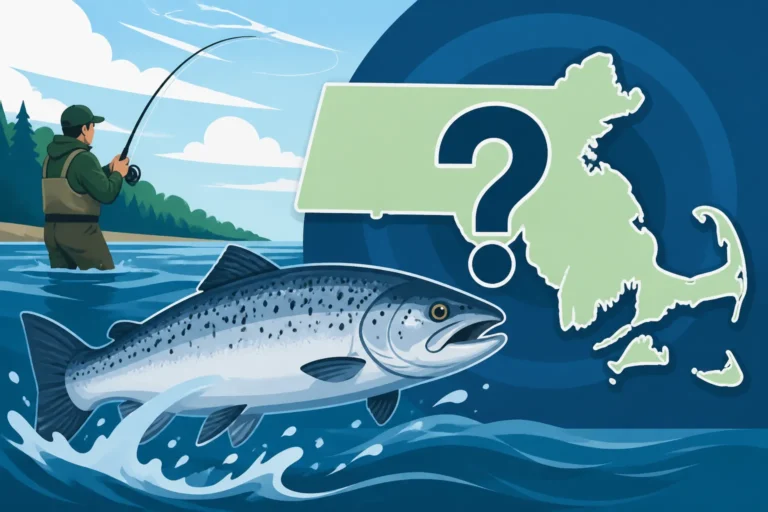
While not as prevalent as they once were, Atlantic salmon represent a significant anadromous species in our state's history and continue to be a focus of ambitious restoration efforts. Historically, New England rivers, including many in Massachusetts, teemed with these magnificent fish. They would spend their juvenile years in freshwater, migrate to the North Atlantic to feed and grow for several years, and then return to their natal rivers to spawn, often multiple times.
Today, while wild, self-sustaining populations are scarce, efforts by organizations like the Massachusetts Division of Fisheries and Wildlife (MassWildlife) aim to bring them back. Stocking programs in certain rivers, like portions of the Connecticut River system, occasionally lead to opportunities for anglers to encounter these incredible fish, though strict regulations are in place to protect them. The dream of a widespread, thriving Atlantic salmon run in Massachusetts rivers remains a powerful motivator for many conservationists and anglers alike.
The Journey of Catadromous American Eels
While many of our famous migratory fish are anadromous, Massachusetts is also home to a fantastic example of a catadromous species: the American eel. This fish, often misunderstood and sometimes overlooked, undertakes one of the most incredible migrations on the planet.
Born in the Sargasso Sea, Raised in Massachusetts Waters
The life cycle of the American eel is truly astounding. Unlike other migratory species that return to specific rivers, all American eels, from Massachusetts to Florida, are believed to spawn in one place: the Sargasso Sea, a vast area of the Atlantic Ocean east of Bermuda. Here, tiny, leaf-like larvae, called leptocephali, hatch and drift on ocean currents for months, sometimes years, making their way towards the North American coastline. As they approach the coast, they transform into transparent "glass eels."
Upon reaching our shores, these glass eels enter estuaries and begin their journey upstream into freshwater. They can travel vast distances, pushing into nearly every freshwater pond, lake, and river system across Massachusetts, even reaching isolated headwaters. They spend years, sometimes decades, living and growing in these freshwater environments, transforming into yellow eels. These are the eels you might encounter while bass fishing in a local pond or kayaking a quiet river. They are opportunistic feeders and an important predator in freshwater food webs.
The Return to the Ocean Depths
After years of growth and maturation in freshwater, a remarkable transformation occurs. The yellow eels turn into "silver eels," their eyes enlarge, their coloration changes, and their digestive systems shut down. They are now physiologically prepared for their epic return journey. These silver eels migrate back down the rivers, through estuaries, and out into the vast Atlantic Ocean, heading all the way back to the Sargasso Sea to spawn. It's a one-way trip for the adults; after spawning, they die, completing one of nature's most mysterious and impressive life cycles.
Eels are incredibly resilient and adaptable, making them vital to both our freshwater and saltwater ecosystems. Their ability to thrive in such diverse habitats underscores their importance in connecting these different environments. You might even find yourself looking for specialized gear to handle these slimy but fascinating creatures, or perhaps a high-quality headlamp for any night fishing adventures you take part in on Amazon, especially if you're out late trying to catch some nocturnal feeders.
Conservation Efforts and Your Role
Understanding these migratory patterns isn't just a fun fact; it's crucial for responsible angling and conservation. These fish face numerous challenges throughout their incredible journeys, and our actions play a direct role in their survival.
Protecting Migratory Pathways
One of the biggest hurdles for anadromous fish, in particular, is access to their spawning grounds. Dams, culverts, and other obstructions can block their upstream migrations, preventing them from reproducing. This is why projects to remove obsolete dams, install fish ladders, and improve stream connectivity are so vital. When you see a fish ladder on a river, know that it's a critical lifeline for species like river herring and American shad. These efforts require continuous support and funding, often driven by public awareness and advocacy.
For catadromous eels, protecting water quality throughout both freshwater and saltwater habitats is paramount. Eels absorb contaminants through their skin, making them sensitive to pollution. Ensuring healthy estuaries and clean rivers allows them to thrive during their long freshwater growth phase. Supporting local watershed groups and participating in river cleanups directly benefits these fascinating creatures.
| Fish Species | Primary Migration | Spawning Habitat | Importance |
|---|---|---|---|
| Striped Bass | Anadromous | Freshwater estuaries (south) | Apex predator, sport fish, ecosystem health |
| River Herring (Alewife/Blueback) | Anadromous | Freshwater rivers, ponds | Forage fish, nutrient cycling, critical food source |
| American Shad | Anadromous | Freshwater rivers | Sport fish, ecosystem health, historical food source |
| American Eel | Catadromous | Sargasso Sea (saltwater) | Freshwater predator, ocean food web, nutrient cycling |
Responsible Angling and Regulations
As anglers, we have a significant responsibility to protect these migratory species. This means understanding and adhering to all fishing regulations, which are often specifically designed to protect these fish during vulnerable stages of their life cycle. For instance, there are often strict limits or even prohibitions on keeping river herring, especially during their spawning runs, to ensure enough fish make it upstream to reproduce. Likewise, striped bass regulations are carefully managed to sustain their populations, given their importance as a sport fish.
Before you head out, always make sure you have the correct Massachusetts Freshwater Fishing License Costs and Rules or Massachusetts Saltwater Recreational Fishing Permit Explained depending on where and what you plan to fish. Reviewing the Massachusetts Fishing Regulations Pamphlet, Explained is also an excellent habit to ensure you're up-to-date on bag limits, seasons, and any special restrictions. This is especially true when fishing areas where migratory fish are concentrated, such as river mouths or fish ladders. Even catch-and-release practices should be done with care, minimizing stress on the fish, particularly during their strenuous migrations. By being knowledgeable and respectful, we ensure these incredible migrations continue for generations to come.
Disclaimer
This article is for general informational purposes only and does not constitute professional advice. Laws, prices and regulations vary by location and change over time. Consult a qualified professional for guidance on your specific situation.