Best topwater lures for summer bass fishing
Summer bass fishing in Massachusetts can be a real head-scratcher. Just when you thought you had those feisty largemouths figured out in the spring, the dog days hit, the water heats up, and suddenly, they seem to vanish or get incredibly sluggish. It’s frustrating to spend hours casting without a single bump, especially when you know those big bass are lurking somewhere. But don't despair! This guide is all about turning those slow summer days into explosive topwater action, revealing the best lures and techniques to entice even the laziest Massachusetts bass to strike at the surface.
Why Topwater Lures Dominate Summer Bass Fishing
When the sun beats down and the water temperatures climb, bass often become less active during the brightest parts of the day. They're not gone, they've just changed their habits. This is where topwater fishing shines, offering a unique advantage that other techniques struggle to match. It's not just about catching fish; it's about the pure, unadulterated thrill of seeing a bass erupt from the water.
Understanding Summer Bass Behavior
In the heat of summer, largemouth bass in Massachusetts ponds, lakes, and slow-moving rivers become creatures of comfort and opportunity. They'll often retreat to deeper, cooler waters during midday, or seek refuge in dense cover like lily pads, thick weeds, submerged brush piles, or beneath shady docks and overhanging trees. These spots provide both cooler temperatures and ambush points for unsuspecting prey.
However, bass still need to eat. Their activity levels spike during low-light periods – dawn, dusk, and overcast days – when the water's surface has cooled slightly, and their prey (frogs, baitfish, insects) are more active. This is precisely when a well-presented topwater lure mimics an easy meal struggling on the surface, making it irresistible. They’re less likely to chase a fast-moving crankbait in 80-degree water, but they will absolutely explode on something that looks like an injured meal trying to escape right above their heads. If you're wondering how to catch largemouth bass in Massachusetts, understanding this shift in behavior is paramount.
The Thrill of the Topwater Strike
Let's be honest, there's nothing quite like a topwater strike. It's visceral, unexpected, and often leaves your heart pounding. You cast out, you work the lure, and then suddenly, the water explodes! It's not a subtle tap; it's a commitment, a violent eruption that makes all those frustrating hours of slow fishing melt away. This visual aspect is what hooks so many anglers on topwater fishing, making it one of the most exciting ways to target bass.
Even when the bite is tough, the anticipation of a topwater blow-up keeps you engaged. You're constantly scanning the surface, watching every ripple, waiting for that moment of chaos. This active engagement, combined with the often spectacular strikes, makes topwater a favorite among seasoned anglers and a fantastic introduction for those new to bass fishing, especially in places like Lake Quinsigamond or Long Pond.
Essential Topwater Lure Types for Massachusetts Summer Bass
The world of topwater lures is diverse, each designed to create a different commotion and appeal to bass in various situations. Having a small arsenal of these allows you to adapt to changing conditions and fish moods, ensuring you're ready for whatever Massachusetts waters throw at you.
Poppers: The Classic Surface Disturber
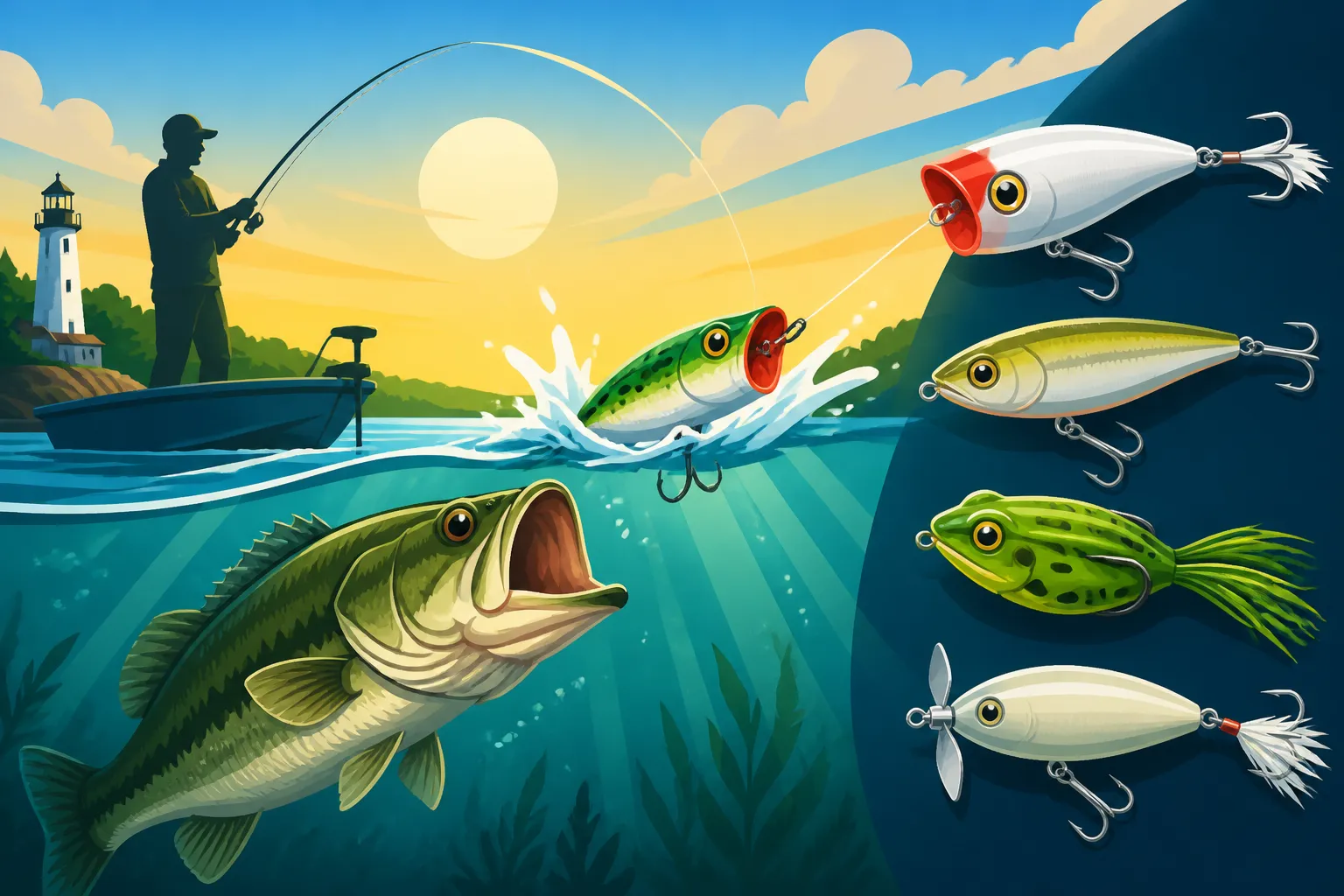
Poppers are arguably the most iconic topwater lure. They feature a concave, "cupped" face that "pops" or "chugs" water when retrieved, creating a splash and gurgling sound that perfectly mimics a struggling baitfish or a frog hitting the surface. Poppers are excellent for attracting attention, especially when bass are hiding in cover or just waking up to feed.
When to Use Them: Poppers are most effective in calm water, particularly during early mornings, late evenings, or overcast conditions. They excel around docks, lily pads, weed lines, and submerged timber where bass might be lurking just below the surface. The key is to vary your retrieve: a "pop-pause-pop-pause" retrieve is standard, but sometimes a series of quick pops or a long, slow chug followed by an extended pause can trigger a strike. Imagine a frog that’s just jumped into the water and is trying to get its bearings – that’s the kind of subtle yet inviting disturbance you want to create. Many popular popper models, like those you can find on Amazon, come in various sizes and colors, allowing you to match local forage.
Walk-the-Dog Baits: The Enticing Glide
Often called "spooks" after a popular brand, walk-the-dog baits are long, slender, often cigar-shaped lures designed to move with a distinctive side-to-side, gliding action across the water. This "walking" retrieve is incredibly enticing, mimicking a dying baitfish or even a water snake. It takes a little practice to master the retrieve, which involves a rhythmic twitching of the rod tip while reeling in slack, but once you get it, it's deadly.
When to Use Them: Walk-the-dog baits are fantastic in slightly choppier water or more open areas where bass might be chasing schools of baitfish. They create a more subtle disturbance than poppers but cover more water, making them great search baits. Use them around points, submerged humps, or over sparse grass beds. The size of the lure can often dictate the size of the fish you attract; a larger profile might tempt a truly impressive bass from the depths. Try a smaller model for pressured fish or clearer water, and a larger one for aggressive fish in stained water.
Prop Baits: Creating a Subtle Stir
Prop baits feature one or two small propellers, typically at the front or both ends of the lure, that spin and create a subtle churning or buzzing sound on the surface. They combine the splash of a popper with the body profile of a minnow, making them highly versatile. This unique action can be particularly effective when bass are being a bit finicky or when you want to make a commotion without being too aggressive.
When to Use Them: These lures excel when you need a finesse topwater presentation. They're great for situations where bass are pressured or when you want to work an area thoroughly. A slow, steady retrieve with occasional twitches and pauses works wonders. The sound and vibration of the props can draw fish from deeper cover without startling them. Think about fishing these near the edges of weed beds or along the banks of a quiet pond, perhaps one of the Best Freshwater Ponds and Lakes in Massachusetts If you're looking for different options, many prop baits can be found on Amazon with various prop configurations.
Buzzbaits: The Noisy Surface Attack
When you want to make a statement, you throw a buzzbait. These lures feature a large, angled metal blade that spins violently as the lure is retrieved, creating a loud, gurgling, and splashing commotion that screams "easy meal!" They are designed for aggressive strikes and are excellent for covering a lot of water quickly.
When to Use Them: Buzzbaits are prime choices for windy, overcast days, or when fishing around heavy cover like dense lily pads or flooded timber. The noise and vibration they produce can call bass out of thick vegetation. Retrieve them at a steady pace, fast enough to keep the blade turning and the lure on the surface. Early mornings are especially productive for buzzbaits, as bass are often keen to ambush anything noisy passing overhead. This is a go-to lure for anglers hoping to catch largemouth bass in Massachusetts during the warmer months.
Frogs and Toads: For the Heaviest Cover
For situations with dense vegetation – think lily pads, matted grass, or thick weeds – hollow-body frog lures and soft plastic toads are your best friends. These lures are designed to be completely weedless, allowing you to cast them directly into the nastiest, fish-holding cover without snagging. The explosive strikes they trigger from bass hiding in these areas are legendary.
When to Use Them: Fish frog lures slowly across lily pads, through gaps in matted vegetation, or along the edges of heavy grass lines. The "walk-the-dog" retrieve also works well with frogs, making them appear like a real frog hopping and struggling on the surface. Soft plastic toads, often fished with a weighted wide-gap hook, can be retrieved faster, creating a buzzing action that imitates a fleeing amphibian. The key is to put these lures where other baits simply can't go, directly over the heads of big bass hunkering down in the shade. When you’re fishing for bass in the thick stuff, these are truly invaluable.
Mastering Topwater Techniques for Massachusetts Waters
Having the right lures is only half the battle; knowing how to present them effectively is what truly unlocks their potential. Summer bass can be finicky, so your technique, timing, and patience will pay off big time.
Timing is Everything: Early Morning, Late Evening, and Overcast Days
This is perhaps the most crucial piece of advice for summer topwater fishing. Forget midday sunshine unless you're targeting very specific, heavily shaded spots. The prime windows for topwater action are undeniably:
- Early Morning: As the sun barely peeks over the horizon and the air is still cool, bass are often actively feeding after a night of rest. The surface water temperature is at its coolest, and baitfish and frogs are active. This is your absolute best bet for consistent topwater blow-ups.
- Late Evening/Dusk: As the sun dips below the horizon, shadows lengthen, and the light fades, bass once again become more active. The water starts to cool, and they move out from deeper cover to feed. The period from an hour before sunset until total darkness can be incredibly productive.
- Overcast Days: A full day of clouds, especially if there's a light drizzle or impending storm, can create low-light conditions all day long, extending your topwater window significantly. The lack of direct sun keeps the surface cooler and encourages bass to stay active closer to the top.
Ignoring these prime times is one of the biggest mistakes anglers make. If you're only hitting the water during the bright, hot afternoon, you're missing out on 90% of your topwater opportunities.
Targeting the Right Structures and Cover
Bass aren't just swimming aimlessly; they're associating with structure and cover, especially in summer. Focus your topwater efforts on:
- Lily Pads and Matted Vegetation: Absolute goldmines for frog and buzzbait presentations. Bass will sit just under these mats, waiting to ambush prey.
- Grass Lines and Edges: The transition where open water meets a weed bed is a key highway for bass. Poppers, walk-the-dog baits, and prop baits can be deadly worked along these edges.
- Submerged Timber and Brush Piles: Bass love wood. Cast your topwater lures right over and around fallen trees, logs, and brush. Be prepared for a quick fight to get the fish out of the cover.
- Docks and Boat Houses: These provide shade and cover. Skipping a popper or walking a spook underneath a dock can draw strikes from wary bass.
- Overhanging Trees and Banks: Any feature that creates shade on the water is a magnet for bass. Cast your lures tight to the shade line.
- Points and Humps: In larger bodies of water, these underwater structures can hold schools of bass, especially if baitfish are present. Walk-the-dog lures are great for searching these areas.
Think of it like this: where would you hang out if you were a bass on a hot summer day in a Massachusetts pond? That's where you should be casting. Many of the great spots in the Massachusetts Largemouth Bass Fishing Guide will have exactly this type of cover.
Varying Your Retrieve and Cadence
This is where fishing becomes an art. Bass don't always want the same thing, so be prepared to experiment:
- Speed: Sometimes a fast, erratic retrieve triggers a reaction strike; other times, a slow, deliberate approach with long pauses is what they're looking for.
- Pauses: Often, the strike happens during the pause. After you pop, walk, or buzz your lure, let it sit motionless for a few seconds. This mimics an injured or wary prey item, making it an easy target.
- Twitches: Subtle twitches of the rod tip can make a lure dance without moving it far, enticing a hesitant bass.
- Pop-Pause-Pop-Pop-Pause: This is a common cadence for poppers, but don't be afraid to try "chug-chug-pause" or "pop-pop-pop-pop-pause."
The best advice is to start with a standard retrieve and then vary it until you find what the fish prefer on that particular day. If a bass follows but doesn't strike, try speeding up or slowing down, or extending your pause.
Gear Up for Topwater Success
Using the right equipment makes a huge difference, especially when you're talking about explosive strikes and hauling bass out of heavy cover.
- Rod: A medium-heavy to heavy power rod with a fast action is ideal. This provides the backbone to handle big fish and the sensitivity to work lures effectively. A 6'8" to 7'4" rod is a good range.
- Reel: A baitcasting reel with a higher gear ratio (7.1:1 or higher) is often preferred. This allows you to quickly take up slack line after a strike, which is crucial for a solid hookset and keeping the fish from burying itself in cover.
- Line: For most topwater applications, braided line is king. Its zero stretch gives you direct contact with the lure, makes walking the dog easier, and provides incredible strength for pulling fish out of weeds. A 30-50lb braid is a good starting point. You can often find excellent quality braided line options on Amazon.
- Leader: While braid is great, some anglers prefer to tie a short (1-3 foot) fluorocarbon leader (15-20lb test) to their braid, especially in very clear water or when fish are pressured. This offers a bit more stealth without sacrificing too much strength. However, for fishing heavy cover with frogs or buzzbaits, many skip the leader entirely and tie directly to the braid for maximum strength and abrasion resistance.
| Lure Type | Best Conditions | Typical Retrieve | Key Application |
|---|---|---|---|
| Poppers | Calm water, low light, around docks/cover | Pop-pause-pop, varied chugs | Calling fish, targeting specific ambush points |
| Walk-the-Dog | Slightly choppy water, open areas, chasing baitfish | Rhythmic side-to-side glide (twitch-reel slack) | Covering water, mimicking dying baitfish |
| Prop Baits | Pressured fish, subtle disturbance, sparse cover | Slow, steady reel with twitches and pauses | Finesse topwater, drawing hesitant strikes |
| Buzzbaits | Windy, overcast, heavy cover, early morning | Fast, steady retrieve to keep blade churning | Aggressive strikes, covering large areas quickly |
| Frogs/Toads | Dense lily pads, matted grass, thick weeds | Walked, hopped, or buzzed over vegetation | Weedless fishing, explosive cover strikes |
Beyond the Lure: Tips for Maximizing Your Summer Topwater Bites
Even with the best lures and techniques, a few extra tips can make all the difference between a good day and a truly epic one when you're chasing bass in the Massachusetts summer heat.
The Importance of a Patient Hookset
This is perhaps the biggest hurdle for new (and sometimes experienced!) topwater anglers. When a bass explodes on your lure, your instinct is to set the hook immediately. Resist this urge! Often, the fish just swatted at the lure, or has only the very front of the lure in its mouth. Setting too early will pull the bait away before the bass has a chance to fully engulf it.
Instead, when you see or hear the strike, wait a beat. Count "one Mississippi, two Mississippi" in your head, or simply wait until you feel the weight of the fish on your line. Once you feel that solid pull, then set the hook hard with a sweeping motion, often to the side, to drive those hooks home. This moment of patience is tough, but it dramatically increases your hook-up ratio and ensures a better battle with the bass.
Stealth and Presentation
Summer bass, especially larger ones, can be incredibly wary. Being stealthy in your approach can make a huge difference.
- Approach Quietly: If you're fishing from a boat, use your trolling motor sparingly and keep noise to a minimum. If shore fishing, walk softly and avoid casting a shadow over the water you intend to fish.
- Accurate Casting: Placing your lure precisely where you want it – a few inches from a lily pad, right under a dock, or tight to a brush pile – is often the difference between a bite and no bite. Practice your accuracy to minimize splash-downs that might spook fish.
- Long Casts vs. Short Drops: Sometimes a long cast allows you to cover more water and approach fish from a distance. Other times, a short, precise flip or pitch into a tight pocket of cover is all it takes. Be versatile.
Remember, the bass has heard things hit the water before. The goal is to make your lure's entrance seem natural, not like an alien object crashing down. This attention to detail applies whether you're fishing a small farm pond or a larger system like the Wachusett Reservoir Fishing Guide for Massachusetts Anglers.
Dealing with Missed Strikes
It's going to happen. You'll get a massive blow-up, your heart will jump, and… nothing. The fish missed the lure. Don't get discouraged! What you do next can often turn that miss into a catch.
- Immediate Re-cast: Often, a bass will strike again if you immediately cast back to the exact same spot where it missed. Sometimes they're just stunned or didn't get a good angle.
- Change Lure Type: If repeated casts to the same spot don't work, try a different type of topwater lure. If they missed a popper, try a walk-the-dog bait or even a frog. A slightly different profile or action might be what they need to commit.
- Go Subsurface: If they're hitting the topwater but just not committing, consider throwing a weightless soft plastic (like a Texas-rigged worm or a wacky rig) into the same area. Sometimes they're just not ready to come all the way up.
The key is to learn from each missed strike and adapt your strategy. Bass are opportunistic, and often, a slight change can entice them to finish the job.
Checking Water Conditions
While the general rule for summer topwater is hot weather and low light, paying attention to specific water conditions can fine-tune your approach.
- Water Temperature: While you might not carry a thermometer, understand that very warm surface temps (85°F+) will push bass deeper, making those prime low-light windows even more crucial. Cooler summer days or even a summer rain shower can make bass more active closer to the surface.
- Water Clarity: In clearer water, bass can be more visual and cautious. Finer details on your lures and a more subtle presentation might be needed. In stained or murky water, louder lures like buzzbaits and poppers with more vibration can help fish find your bait.
- Wind: A light chop on the water can actually be beneficial, breaking up your outline and making your lure look more natural. Heavy wind, however, can make casting difficult and make it harder for bass to track your lure. On very windy days, focus on protected coves or leeward banks.
By combining the right lure, impeccable timing, careful presentation, and a patient approach, you'll find that summer bass fishing in Massachusetts with topwater lures isn't just productive – it's an absolute blast. Go out there and make some noise!
Disclaimer
This article is for general informational purposes only and does not constitute professional advice. Laws, prices and regulations vary by location and change over time. Consult a qualified professional for guidance on your specific situation.