When black sea bass season runs in Massachusetts
There’s nothing quite like the thrill of feeling that distinct tug on your line, the unmistakable sign of a feisty black sea bass on the other end. But if you’ve ever found yourself wondering, "Wait, is black sea bass season open now?" or "What are the rules this year?", you're definitely not alone. It can be a real headache trying to keep up with the ever-changing regulations for popular species like black sea bass in Massachusetts waters. This guide is here to untangle all that confusion, giving you the lowdown on when you can chase these delicious bottom dwellers and what you need to know to fish for them legally and successfully.
Understanding the Massachusetts Black Sea Bass Fishery
Black sea bass aren't just a fun fish to catch; they're a vital part of our marine ecosystem and a highly sought-after species by recreational anglers and commercial fishermen alike. Knowing a bit about why their seasons are managed helps put those regulations into perspective, making you a more informed and responsible angler.
The Allure of Black Sea Bass in Massachusetts
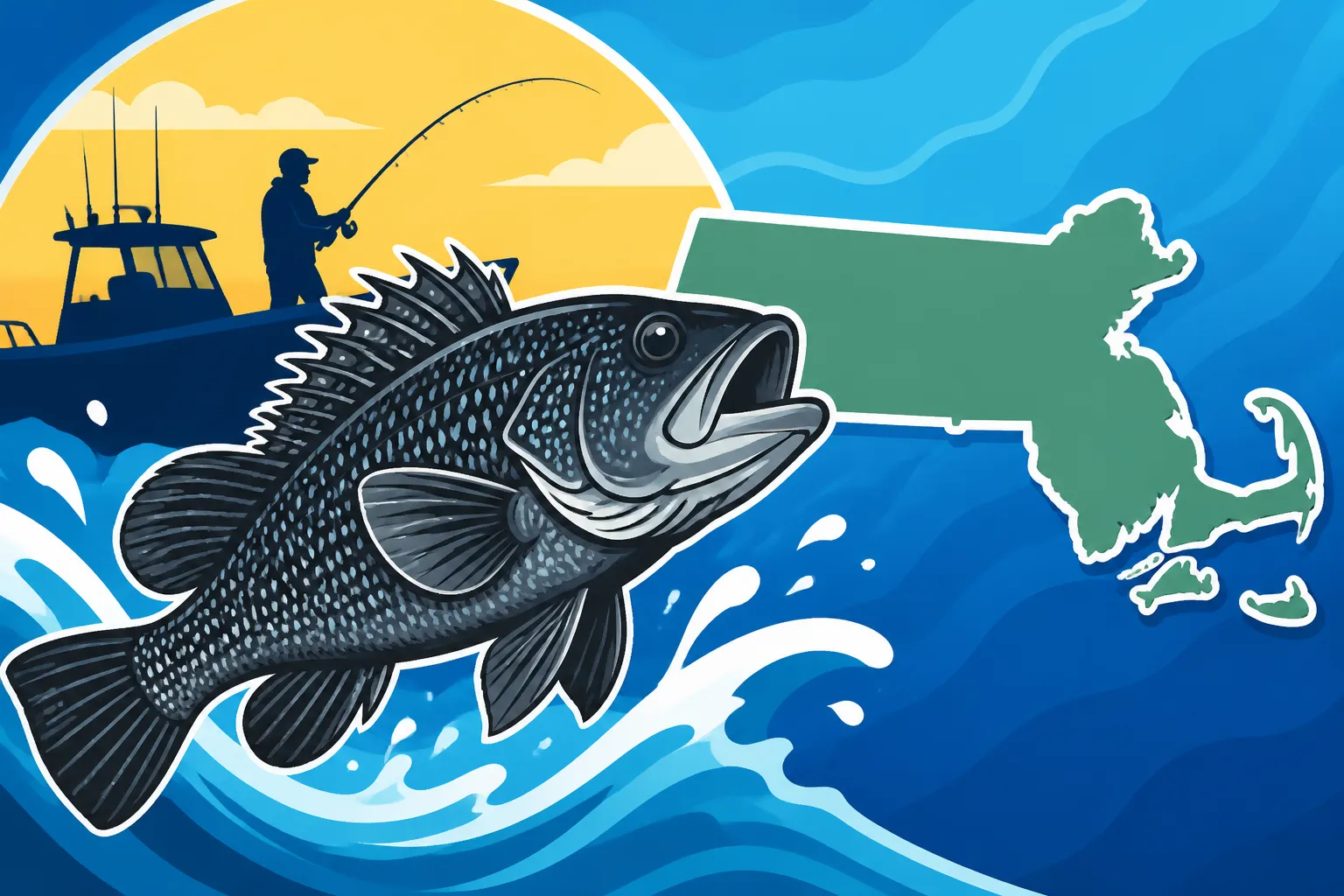
For many Massachusetts anglers, black sea bass are a true prize. They're found in abundance in our coastal waters, offer a spirited fight, and are absolutely delicious on the dinner plate. From the shallow rocky areas around Cape Cod to the deeper structures off Martha's Vineyard and Nantucket, these fish are accessible to a wide range of fishermen, whether you're casting from a small boat, a kayak, or even a pier. Their firm, flaky white meat makes them a favorite for grilling, frying, or baking, which only adds to their popularity. It's this combination of accessibility, sporting quality, and culinary delight that makes anglers eagerly await the opening of black sea bass season each year.
The Importance of Seasonality
So, why do we even have specific seasons for fish like black sea bass? It's all about conservation and sustainable management. The goal is to ensure that there are enough fish in the sea for future generations to enjoy, while also allowing anglers to participate in the fishery. Regulators, like the Massachusetts Division of Marine Fisheries (MassDMF) and federal agencies, study fish populations, spawning patterns, and catch rates to determine the health of the stock. Based on this scientific data, they set seasons, size limits, and bag limits. This intricate dance of monitoring and regulation helps prevent overfishing, protects critical spawning periods, and ultimately keeps our black sea bass fishery vibrant and healthy. Without these carefully crafted rules, we could quickly see a decline in this beloved species, making those exciting tugs on the line a thing of the past.
Navigating the Black Sea Bass Season in Massachusetts
The question of "When can I fish for black sea bass?" is probably the most common one, and it's also one that requires the most attention, as dates can shift. Let's break down how to stay on top of it.
General Season Dates and Fluctuations
Historically, the recreational black sea bass season in Massachusetts has typically opened in the spring, often around mid-May or late May, and run through the fall, sometimes into October or November. However, it's crucial to understand that these dates are not set in stone year after year. The specific opening and closing dates, as well as the bag limits and size restrictions, are determined annually by a combination of state and federal management councils, primarily the Atlantic States Marine Fisheries Commission (ASMFC) and the Mid-Atlantic Fishery Management Council (MAFMC). These bodies work to ensure compliance with regional management plans.
These dates can change based on stock assessments, projected harvest levels, and regional quotas. For instance, if a stock assessment shows a healthy population, there might be a more generous season or bag limit. Conversely, if conservation efforts need to be intensified, the season might be shorter or the limits more restrictive. This adaptive management approach is designed to be responsive to the health of the fishery, but it does mean anglers need to stay vigilant about the current year's rules. You can't just assume last year's dates will be the same.
Impact of Federal and State Regulations
Fishing for black sea bass in Massachusetts means navigating a blend of federal and state regulations. While the state's Division of Marine Fisheries sets the specific rules for recreational anglers within Massachusetts state waters (generally up to 3 miles offshore), these state regulations are often influenced by, and designed to be compatible with, broader federal guidelines. The federal government manages fisheries in the Exclusive Economic Zone (EEZ), which extends from 3 to 200 miles offshore. Because black sea bass move between state and federal waters, a coordinated approach is essential. This often means that Massachusetts, along with other New England and Mid-Atlantic states, adopts very similar or identical regulations to maintain consistency and prevent confusion or loophole fishing. So, when you see a regulation published by MassDMF, it's usually part of a larger, regionally consistent management plan. It's a complex system, but it's all aimed at preserving the black sea bass population. Don't forget, you'll also need to have your Massachusetts Saltwater Recreational Fishing Permit Explained before you even think about casting a line in saltwater.
Checking Current Regulations (Crucial Step)
Given that the season dates, bag limits, and size requirements can change from year to year, the single most important piece of advice is: Always check the current regulations before you go fishing. Relying on outdated information could lead to fines, confiscation of your catch, or worse, harm to the fish population.
The best and most reliable place to find the most up-to-date recreational fishing regulations for black sea bass in Massachusetts is directly from the Massachusetts Division of Marine Fisheries (MassDMF). They typically publish the recreational regulations on their official website, often in a dedicated marine recreational fishing regulations summary. This information is usually updated annually, sometimes with in-season adjustments if conditions warrant. Additionally, the MassFishHunt system, where you purchase your permits, often provides links to the current regulations. Before you head out, make it a habit to do a quick search for "Massachusetts black sea bass regulations [current year]" to ensure you have the latest information in hand. This will save you a lot of headaches and keep you on the right side of the law. You can also look for the annual Massachusetts Fishing Regulations Pamphlet, Explained to find all the rules in one place.
Beyond Season Dates: Bag Limits, Size Limits, and Gear
While knowing when you can fish is step one, knowing what you can keep and how to catch them effectively are equally important aspects of a successful black sea bass outing. These rules, just like the season dates, are designed for sustainability.
Daily Bag Limits and Possession Limits
Once the season is open, you'll still need to pay close attention to the daily bag limit. This limit dictates the maximum number of black sea bass an individual angler can legally keep in a single day. For black sea bass, this number is often quite conservative, typically ranging from a few fish per person. It's not uncommon to see limits set to a lower number per person per day to spread the harvest across more anglers and reduce overall pressure on the stock.
A "possession limit" is slightly different. While the daily bag limit applies to what you catch and keep on a given calendar day, a possession limit refers to the total number of fish an individual can have in their possession at any one time, regardless of how many days they've been fishing. For recreational anglers, the possession limit often matches the daily bag limit. However, if you're on an overnight trip or storing fish, it's vital to confirm if different possession rules apply. The main takeaway? Don't get greedy! Stick to the published limits to do your part for the fishery. You can find comprehensive details in the Massachusetts Saltwater Bag Limits by Species guide.
Minimum Size Requirements
Equally important to bag limits is the minimum size requirement for black sea bass. This rule means that any black sea bass you catch that measures below a certain length must be immediately and carefully released. The minimum size limit for black sea bass in Massachusetts has traditionally been around 15 inches, but again, this can vary. The rationale behind size limits is two-fold: it allows younger fish to grow to maturity and reproduce at least once before being harvested, and it protects the larger, more prolific breeders that contribute significantly to the population.
Measuring your fish accurately is key. Lay the fish flat on a measuring board or tape measure, and measure from the tip of the snout to the end of the tail (when pinched together). If it's even slightly under the limit, it goes back. No exceptions. This is not just about avoiding a penalty; it's about giving those fish a chance to contribute to the next generation of black sea bass. For more specifics on measuring different fish, check out the Massachusetts Fish Identification Guide.
Recommended Gear for Black Sea Bass
Black sea bass are not typically giant fish, but they can be surprisingly strong, especially in current. A medium-light to medium action spinning rod, around 6.5 to 7 feet long, paired with a reliable spinning reel spooled with 15-20 lb braided line, is a fantastic all-around setup. The braid offers sensitivity to feel those subtle bites and strength to pull fish away from structure.
For bait, squid strips, clam, or pieces of mackerel are always reliable choices. Many anglers also have great success with artificial lures. Small jigs, bucktails, or soft plastics with a grub tail can be incredibly effective, especially when tipped with a small piece of squid for added scent. You might find a great selection of these on Amazon, where many brands like Berkley Gulp! or Spro offer effective black sea bass lures. Drop rigs with two hooks, often called "high-low rigs," are popular for presenting bait close to the bottom. For hooks, circle hooks are highly recommended as they tend to hook fish in the corner of the mouth, making for easier release of undersized fish. You can easily find pre-tied rigs and various jig heads on Amazon to stock your tackle box. Don't forget a good pair of pliers or a dehooker for safe fish handling, also readily available on Amazon. Having the right gear, whether you sourced it from a local tackle shop or through Amazon, makes all the difference in turning those bites into successful catches.
| Category | Recommended Item | Key Features |
|---|---|---|
| Rod | Medium-Light to Medium Action Spinning Rod (6.5-7 ft) | Sensitive tip for bites, enough backbone for fighting fish. |
| Reel | 2500-4000 Series Spinning Reel | Smooth drag, sufficient line capacity. |
| Line | 15-20 lb Braided Line with Fluorocarbon Leader | High sensitivity, strong, low stretch; leader for abrasion resistance. |
| Bait | Squid strips, Clam, Mackerel pieces, Sandworms | Natural scent, effective for enticing bottom feeders. |
| Lures | Bucktail Jigs, Soft Plastics (Grub Tails), Small Jigs | Mimic baitfish, effective when tipped with bait. |
| Rigs | High-Low Rigs (Two-hook drop rigs) | Present multiple baits near the bottom. |
| Hooks | Circle Hooks (Size 1/0 to 3/0) | Promotes mouth hooking, aids in catch and release. |
| Accessories | Pliers/Dehooker, Measuring Tape, Cooler with Ice | Safe fish handling, accurate measuring, proper fish storage. |
Prime Spots and Times for Black Sea Bass Fishing
Knowing when the season is open is just part of the battle. To really improve your chances, you need to understand where these fish like to hang out and when they're most likely to bite. Black sea bass are creatures of habit, and their preferences aren't too hard to decipher.
Where to Find Black Sea Bass in Massachusetts
Black sea bass are bottom dwellers, and they absolutely love structure. Think rocky bottoms, wrecks, reefs, mussel beds, jetties, bridge pilings, and even artificial reefs like sunken boats or old tires. These structures provide them with shelter from predators, ambush points for prey, and a steady supply of food. They prefer cooler, clear water and are often found in depths ranging from 10 to over 100 feet, depending on the time of year and water temperature.
In Massachusetts, prime black sea bass territory includes the waters around Cape Cod, especially Buzzards Bay and Nantucket Sound. You'll also find them in good numbers in areas like Boston Harbor, Ipswich Bay, and even along the South Shore. If you're fishing from shore, look for jetties, rocky outcrops, or deeper channels accessible from beaches. From a boat, your fishfinder will be your best friend, helping you locate those underwater structures where the fish congregate. For example, some of the productive areas in Buzzards Bay Fishing Guide, Massachusetts are well known for black sea bass. Likewise, the various Best Saltwater Fishing Spots on Cape Cod, Massachusetts will often hold good numbers. Always start by targeting areas with good bottom topography or known structure.
Best Tidal Conditions and Time of Day
While black sea bass can be caught throughout the day, certain tidal conditions often trigger more aggressive feeding behavior. They tend to be most active during moving tides – either the incoming or outgoing tide. This is because the moving water stirs up baitfish and crustaceans, making it easier for black sea bass to ambush their meals. The hours around slack tide, when the water movement slows, can sometimes be less productive, though not always. Many experienced anglers prefer fishing the last two hours of the incoming tide and the first two hours of the outgoing tide, especially when targeting rocky areas or wrecks.
As for the time of day, early morning and late afternoon/dusk often prove to be the most fruitful. These low-light conditions typically coincide with more active feeding periods for many predatory fish, including black sea bass. However, on overcast days or in deeper waters, they can bite throughout the mid-day as well. Pay attention to local tide charts and plan your trips around these productive windows for the best results.
Conservation and Sustainable Fishing Practices
Being a good steward of our marine resources is just as important as knowing the rules. Every angler plays a role in ensuring that black sea bass populations remain healthy for generations to come.
Why Responsible Angling Matters
The black sea bass fishery is a shared resource, and its health directly impacts everyone who enjoys it, from recreational anglers to commercial fishermen and even the marine ecosystem itself. Responsible angling isn't just about following the regulations; it's about adopting practices that minimize your impact and maximize the chances of fish survival and population growth. Overfishing, even by recreational means, can deplete stocks, disrupt the food chain, and negatively affect other species that rely on black sea bass.
By adhering to bag and size limits, releasing undersized fish carefully, and respecting spawning periods, you contribute directly to the sustainability of the fishery. It's about thinking beyond your immediate catch and considering the long-term health of the ocean. For a general overview of all the rules, it's worth reviewing the Massachusetts Recreational Fishing Rules and Bag Limits. Every fish you release safely, particularly those that are undersized or appear to be spawning, is an investment in the future of fishing.
Catch and Release Best Practices
No matter how careful you are, you're bound to catch undersized black sea bass that need to be released. How you handle these fish can significantly impact their survival rate. Here are some key best practices for catch and release:
- Minimize Fight Time: Get the fish in quickly to reduce exhaustion.
- Handle Gently and Quickly: Avoid squeezing the fish, especially around its belly or gills. Keep it in the water as much as possible.
- Use Wet Hands: Dry hands can remove the fish's protective slime layer, making it vulnerable to infection.
- Dehook Safely: Use a dehooking tool or pliers to remove the hook quickly. If the fish is deeply hooked, especially in the gills or throat, cut the line as close to the hook as possible rather than trying to rip it out. Circle hooks, as mentioned earlier, greatly reduce deep hooking.
- Revive If Necessary: If the fish seems sluggish, hold it gently in the water, facing into the current, until it regains its strength and can swim away on its own. Avoid tossing it back carelessly.
- Barbless Hooks: Consider using barbless hooks or pinching down the barbs on your hooks to make removal easier and less traumatic for the fish.
By following these simple guidelines, you give those little black sea bass the best possible chance to grow up and contribute to the fishery, perhaps even becoming a keeper for you or another angler on a future trip. It's a small effort that yields big returns for our fishing heritage.
Disclaimer
This article is for general informational purposes only and does not constitute professional advice. Laws, prices and regulations vary by location and change over time. Consult a qualified professional for guidance on your specific situation.