Best Fishing Guides in Massachusetts
It can be incredibly frustrating trying to plan a fishing trip in a new or unfamiliar area, especially when you're dreaming of landing that trophy fish but have no idea where to start. You might spend hours researching spots, tides, and bait, only to come up empty-handed. This comprehensive guide is here to cut through that confusion, helping you understand how to find and choose the best fishing guides in Massachusetts, ensuring your next angling adventure is successful, enjoyable, and creates lasting memories, whether you're targeting striped bass in the Cape Cod Canal or trout in a Berkshire stream.
Why Hire a Fishing Guide in Massachusetts?
Let's be honest, fishing in Massachusetts offers an incredible variety, from vast ocean waters to serene freshwater ponds, but it also presents its fair share of challenges. The fish move, the weather changes, and local knowledge is often the key to a truly successful day on the water. This is where a skilled fishing guide becomes an invaluable asset, transforming a potentially frustrating day into an unforgettable experience.
Local Knowledge and Expertise
Imagine trying to navigate the intricate tidal flows of the Cape Cod Canal without ever having fished it before. Or picture yourself searching for subtle trout lies in a winding Western Massachusetts river, unsure of what bugs are hatching or where the deepest pools are. A local guide has spent countless hours on these waters, building an intimate understanding of the ecosystem. They know the secret spots, the nuanced behaviors of different fish species, and the precise conditions that lead to a hot bite. This isn't just about showing you where the fish are; it's about interpreting the water, understanding seasonal patterns, and reacting to real-time changes, all based on years of firsthand experience. They know which currents hold the stripers, which weed beds harbor the largemouth bass, and when the salmon are running in the Quabbin. Their expertise means less guesswork for you and more time with your line in the water, actively fishing the most productive areas.
Maximizing Your Fishing Time
One of the biggest advantages of hiring a guide is the sheer efficiency they bring to your trip. Instead of fumbling with gear, getting lost, or wasting precious hours on unproductive water, a guide streamlines the entire experience. From the moment you step on their boat or meet them at the access point, everything is geared towards getting you to the fish quickly and keeping you there. They've already checked the forecasts, monitored the tides, and have a game plan for the day, often with backup spots in mind if conditions change. Your rods are rigged, the bait is ready, and they'll handle the boat, navigate the hazards, and even help you untangle a stubborn knot. This maximized fishing time is especially valuable if you're visiting Massachusetts for a short vacation or if your time on the water is limited. Every minute counts, and a guide ensures those minutes are spent fishing, not fiddling.
Access to Specialized Gear and Techniques
Let's face it, acquiring all the necessary gear for every type of fishing you might want to try in Massachusetts can be incredibly expensive and impractical. Do you really want to buy a heavy-duty trolling setup for bluefin tuna, a delicate fly rod for brook trout, and a specialized surfcasting outfit for the beach, all for one or two trips a year? Guides provide all the high-quality, well-maintained equipment you'll need, perfectly suited for the target species and local conditions. This means you don't have to worry about bringing your own rods, reels, or tackle, and you'll be using top-of-the-line gear that gives you the best chance of success. Beyond the gear, guides are masters of specific techniques – whether it's jigging for striped bass at the Cape Cod Canal Fishing Guide for Massachusetts Anglers, subtle nymphing for trout, or deep-dropping for groundfish. They'll teach you the nuances, help you refine your cast, and show you how to present your bait or lure effectively, accelerating your learning curve and improving your overall angling skills.
Types of Fishing Guides Available in Massachusetts
Massachusetts offers an incredibly diverse range of fishing opportunities, and just as varied are the types of guides available to help you explore them. Knowing the different specialties can help you choose the perfect match for your angling aspirations.
Freshwater Guides Lakes, Rivers, Ponds
If your passion lies in casting lines in serene lakes, navigating winding rivers, or exploring quiet ponds, a freshwater guide is your ideal companion. These experts typically focus on species like largemouth and smallmouth bass, various trout species (rainbow, brown, brook), pickerel, perch, and even pike in certain areas. A freshwater guide often operates smaller boats, canoes, or kayaks, allowing access to tighter waterways and secluded coves that larger vessels can't reach. They might specialize in fly fishing on picturesque rivers like the Deerfield or Housatonic, teaching you delicate casting techniques and entomology, or they might focus on conventional gear for bass in sprawling lakes like Lake Quinsigamond or Otis Reservoir. They understand the nuances of freshwater ecosystems, including water temperature, structure, and insect hatches, which are crucial for consistent success. If you're looking for a peaceful day pursuing elusive trout or a thrilling battle with a hard-fighting bass, a freshwater guide can unlock the secrets of Massachusetts' inland waters.
Saltwater Inshore Guides Stripers, Blues, Fluke
For those drawn to the excitement of coastal fishing, saltwater inshore guides are your ticket to action. These guides concentrate on the abundant fisheries found close to shore, in bays, estuaries, and along beaches. The primary targets here are often the revered striped bass, aggressive bluefish, delicious fluke (summer flounder), and tautog, among others. Inshore guides typically use versatile center console boats, perfect for navigating shallow flats, rocky shorelines, and strong currents. They'll employ a range of techniques, from live baiting with eels or pogies, casting artificial lures to breaking fish, to drift fishing for fluke over sandy bottoms. Many will be intimately familiar with specific hot spots like the outer reaches of Boston Harbor, Buzzards Bay, or the various rips and channels around Cape Cod. If you're dreaming of a bent rod and screaming reel from a powerful striper or a hard-charging bluefish, an inshore guide will put you in the prime locations. They're also well-versed in understanding the intricacies of the Massachusetts Recreational Fishing Rules and Bag Limits for these species.
Offshore Guides Tuna, Shark, Deep Sea
For the adventurous angler seeking the ultimate thrill and a true test of strength, offshore guides are the way to go. These trips venture many miles out into the Atlantic Ocean, targeting pelagic giants like bluefin tuna, yellowfin tuna, sharks (mako, thresher, blue), and deep-dwelling groundfish like cod and haddock. Offshore boats are larger, more robust vessels, equipped with powerful engines, advanced electronics, and safety gear to handle the open ocean. Techniques vary widely, from trolling massive lures for tuna, jigging over deep wrecks, to chunking or chumming for sharks. These trips are typically full-day or even multi-day excursions and demand a significant investment, but the potential rewards are truly legendary. Massachusetts Bluefin Tuna Charters are a highly sought-after experience, offering a chance to battle one of the ocean's most powerful fish. If you're ready for an epic battle against a true sea monster and don't mind a long ride out, an offshore guide is your ultimate specialist.
Specialized Guides Fly Fishing, Ice Fishing, Kayak Fishing
Beyond the general categories, Massachusetts also boasts guides who specialize in particular angling methods or unique environments.
- Fly Fishing Guides: These experts are dedicated to the art of fly casting, often focusing on trout in pristine rivers or targeting striped bass on the saltwater flats. They'll teach you casting mechanics, fly selection, and presentation, opening up a whole new dimension of fishing.
- Ice Fishing Guides: When winter grips Massachusetts, some guides transition to the hard water. They'll provide shelters, augers, tip-ups, and portable electronics, teaching you how to safely and effectively target species like pike, perch, crappie, and trout through the ice. If you've never experienced Ice Fishing in Massachusetts, a guide is the safest way to start.
- Kayak Fishing Guides: Combining the stealth of a kayak with strategic angling, these guides offer a unique perspective. They'll take you to shallow water areas inaccessible by traditional boats, teaching you paddle etiquette, safety, and how to effectively fish from a kayak for species like striped bass or largemouth bass. These trips often provide an incredibly intimate connection with the environment.
| Guide Type | Primary Focus | Typical Trip Duration | Key Equipment Provided |
|---|---|---|---|
| Freshwater Guide | Bass, Trout, Pike, Panfish | 4-8 hours | Smaller boat/kayak, rods, reels, lures, bait |
| Saltwater Inshore | Striped Bass, Bluefish, Fluke, Tautog | 4-8 hours | Center console boat, rods, reels, live bait, lures |
| Offshore Guide | Bluefin Tuna, Sharks, Cod, Haddock | 8-12+ hours | Large, robust boat, heavy-duty rods/reels, specialized tackle |
| Fly Fishing Guide | Trout, Striped Bass (fly) | 4-8 hours | Fly rods, reels, flies, waders (sometimes) |
| Ice Fishing Guide | Pike, Perch, Crappie, Trout (through ice) | 4-6 hours | Ice shack, auger, tip-ups, heaters, bait |
| Kayak Fishing Guide | Striped Bass, Largemouth Bass (kayak) | 4-6 hours | Fishing kayak, paddle, PFD, rods, reels, lures |
What to Look for in a Great Massachusetts Fishing Guide
Choosing the right fishing guide isn't just about finding someone with a boat; it's about finding a professional who can deliver a safe, productive, and enjoyable experience. Here’s what you should prioritize.
Experience and Reputation Reviews, References
A guide's experience and reputation are paramount. You want someone who has spent years, if not decades, honing their craft on the specific waters you plan to fish. This extensive experience translates directly into better fish-finding ability and a deeper understanding of the ever-changing conditions. Don't just take their word for it; delve into their online reviews. Websites like FishingBooker are excellent resources for genuine angler feedback, covering everything from the guide's personality to their boat's condition and their fishing success rates. Look for consistent positive comments, specific examples of great trips, and how the guide handles challenging days. Pay attention to how they interact with clients, especially if you're bringing kids or less experienced anglers. A good reputation often means repeat clients and word-of-mouth referrals, which are strong indicators of quality. Don't hesitate to ask for references from past clients if you're considering a higher-end or multi-day trip.
Licensing and Safety USCG, Insurance
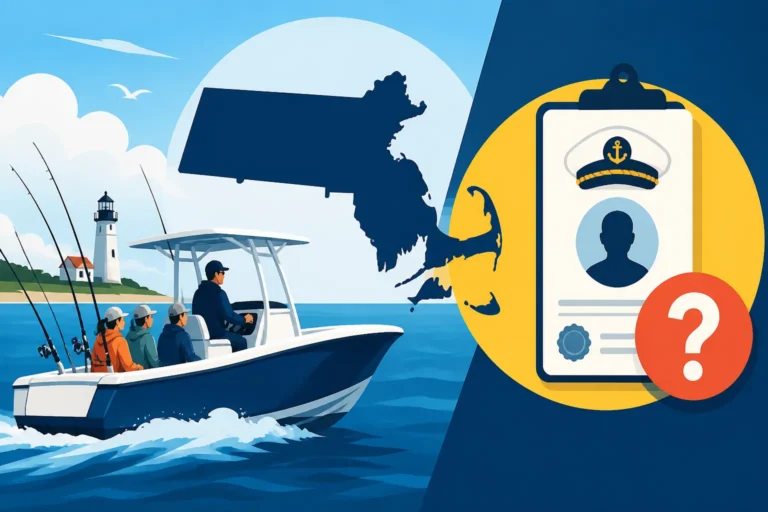
Safety should always be your top priority, especially when heading out on the water. Any legitimate saltwater fishing guide operating a for-hire vessel in federal or state waters must possess a valid U.S. Coast Guard (USCG) Captain's License. This certification ensures they've passed rigorous exams on navigation, safety, first aid, and marine regulations. For freshwater guides operating smaller craft, while a USCG license might not always be legally required depending on the size of the boat and location, it's still a strong indicator of professionalism and commitment to safety.
Furthermore, a professional guide should carry adequate liability insurance. This protects both them and you in the unlikely event of an accident. Don't be afraid to ask about their credentials and insurance – a reputable guide will be happy to provide this information. Beyond formal licensing, observe their approach to safety on the boat: Are life jackets easily accessible? Is the vessel well-maintained with up-to-date safety equipment like flares, first aid kits, and communication devices? A guide who prioritizes safety ensures a worry-free trip.
Communication and Personality
The best fishing guides are not just skilled anglers; they are excellent communicators and engaging hosts. The personality of your guide can make or break your trip, especially if you're spending a full day together. Look for someone who is patient, approachable, and enthusiastic, regardless of whether the fish are biting. They should be able to clearly explain fishing techniques, answer your questions, and share their knowledge in an understandable way. A good guide will listen to your preferences and adjust the trip accordingly, whether you want to focus on catching dinner or simply enjoy the scenery. Before booking, a brief phone call or email exchange can give you a feel for their communication style. Do they respond promptly? Are they willing to discuss your expectations? A guide who communicates well before and during the trip will significantly enhance your overall experience.
Boat and Equipment Condition
The condition of the guide's boat and fishing equipment speaks volumes about their professionalism and attention to detail. A well-maintained boat is not only safer but also more comfortable and reliable. Look for clean decks, functioning electronics, and a general sense of tidiness. You don't want to spend your day dealing with engine issues or leaky hulls. Equally important is the quality and condition of their fishing gear. Are the rods and reels in good working order? Are the lines fresh, and the hooks sharp? Using quality equipment makes a huge difference in your ability to detect bites, fight fish effectively, and avoid break-offs. While you might not inspect every piece of gear beforehand, reviews often mention the quality of the boat and equipment. Websites like FishingBooker often include photos of the boats, giving you a visual preview. A guide who takes pride in their vessel and tackle is likely to take pride in your fishing experience too.
Planning Your Guided Massachusetts Fishing Trip
A successful guided trip starts long before you ever step foot on the boat. Thoughtful planning and clear communication with your guide will set the stage for a fantastic day on the water.
Setting Expectations and Goals
Before you even start looking for a guide, take a moment to consider what you truly want out of your fishing trip. Are you hoping to catch a specific species, like a trophy striped bass, or are you more interested in simply catching a lot of fish, regardless of size or type? Are you bringing kids and need a family-friendly experience focused on fun and learning, or are you a seasoned angler looking to tackle a challenging new technique? Do you want to keep fish for dinner, or are you strictly catch-and-release?
Communicating these expectations clearly to your potential guide is crucial. This allows them to manage your hopes realistically and tailor the trip to your preferences. For example, targeting giant bluefin tuna is a much different trip than a casual day of bottom fishing for scup. Being upfront about your skill level and what you want to achieve helps the guide prepare the right gear, choose the best locations, and adjust their teaching style. A good guide will always strive to meet your goals, but they also appreciate clients who understand that fishing success can never be guaranteed.
Booking Logistics When, How Long, How Many
Once you have your goals in mind, it's time to nail down the practicalities.
- When to Go: Massachusetts fishing is highly seasonal. If you're targeting specific species, research their peak seasons. Striped bass and bluefish are generally active from late spring through fall, while trout fishing is excellent in spring and fall, with ice fishing opportunities in winter. Best Time of Year to Fish in Massachusetts can offer more insights. Book well in advance, especially for prime dates during peak season or holidays, as the best guides fill up quickly.
- How Long: Most guides offer half-day (4-5 hours) and full-day (8+ hours) trips. Consider your budget, your endurance, and the type of fishing. Offshore tuna trips, for instance, are almost always full-day or longer due to travel time. Half-day trips are often perfect for families or beginners.
- How Many People: Confirm the maximum number of anglers the guide's vessel can safely and comfortably accommodate. This is typically limited by Coast Guard regulations for charter boats. Be clear about your group size when inquiring about pricing, as rates are usually per trip, not per person, up to a certain limit.
- Booking Platform: Websites like FishingBooker allow you to browse guides, compare prices, read reviews, and book directly, simplifying the process and often providing secure payment options. They can also clarify what a Massachusetts Fishing Charter Costs and what's included.
What to Ask Before You Book
Don't be shy about asking questions before you commit. A transparent guide will welcome your inquiries.
- What species are we likely to target? This confirms alignment with your goals.
- What techniques will we be using? This helps you prepare mentally and physically.
- What's included in the price? Does it cover bait, tackle, licenses, drinks, snacks? (Generally, the Massachusetts Saltwater Recreational Fishing Permit Explained is not included, and individual anglers will need one if they are 16 or older, even on a charter).
- What should I bring? Sunscreen, hat, sunglasses, layers of clothing, rain gear, food, drinks, a cooler for your catch, camera, and appropriate footwear are common recommendations. Ask specifically about the What to Bring on a Massachusetts Fishing Charter.
- What's your cancellation policy for weather or other issues? Understand this upfront to avoid surprises.
- Do you clean and bag the fish? Most guides offer this service, but it's good to confirm.
- Do you have a toilet on board? Crucial for longer trips, especially for families.
- What's the typical tipping etiquette? (Usually 15-20% is standard).
Asking these questions ensures you have a clear understanding of what to expect, minimizing any potential misunderstandings and ensuring a smoother, more enjoyable trip.
Regional Spotlights: Finding Guides Across Massachusetts
Massachusetts is a patchwork of diverse fishing environments, and the best guides often specialize in their local waters. Here’s a look at where you might find guides suited to different regions.
Cape Cod and Islands Guides
Cape Cod and its islands, Martha's Vineyard and Nantucket, are arguably the epicenter of saltwater fishing in Massachusetts. This region boasts a vibrant guide community, many of whom specialize in the highly sought-after striped bass and bluefish that patrol the coastline, rips, and estuaries. You'll find numerous guides operating out of towns like Falmouth, Chatham, and Provincetown, offering everything from inshore light tackle trips to intensive excursions for bluefin tuna offshore.
Guides here are masters of navigating the notorious currents of the Cape Cod Canal, where they can put you on monster stripers using a variety of techniques. Many also focus on the shallow waters of Nantucket Sound or Vineyard Sound for fluke, scup, and tautog. Fly fishing guides are plentiful as well, leading clients onto expansive flats for sight-fishing opportunities for striped bass. When looking for a guide in this region, consider whether you want to fish the calmer bay sides, the dynamic outer beaches, or venture further offshore. Websites like FishingBooker will show a wide array of options for Cape Cod Fishing Charters Guide for Massachusetts Anglers, complete with reviews and specialization details.
Boston Harbor and North Shore Guides
Don't let the urban backdrop fool you – Boston Harbor and the North Shore offer fantastic fishing, and a strong cohort of guides operates here. The harbor itself is a surprisingly productive fishery, holding good numbers of striped bass and bluefish, especially during the spring and fall migrations. Guides departing from Boston can also take you to the nearby harbor islands or out to Stellwagen Bank for groundfish like cod and haddock, or even further offshore for tuna.
Moving up the North Shore, towns like Gloucester and Rockport are famed for their deep-sea fishing heritage. Here, you'll find guides specializing in offshore pursuits, often targeting bluefin tuna, or inshore trips around Cape Ann's rocky shores for stripers and tautog. Ipswich Bay and Plum Island also draw surfcasting guides who know the shifting sands and productive channels for trophy stripers. These guides are accustomed to fishing in busy marine environments and can quickly get you to productive spots while navigating commercial traffic and recreational boaters. Best Places to Fish in Boston Harbor, Massachusetts details some of the prime locations these guides frequent.
Western Massachusetts Freshwater Guides
Away from the salty tang of the ocean, Western Massachusetts is a haven for freshwater anglers, and its guides are experts in rivers, lakes, and streams. The majestic Connecticut River offers incredible opportunities for smallmouth bass, northern pike, and even American shad during their spring run. Guides here often operate larger jon boats or drift boats to navigate the river's expanse.
Further west, the Berkshire Mountains are renowned for their trout fisheries. Rivers like the Deerfield and Housatonic are meccas for fly fishermen, with dedicated fly fishing guides who teach entomology, delicate presentations, and how to read diverse trout water. Lakes and ponds throughout the region, such as Otis Reservoir, hold impressive populations of largemouth bass, pickerel, and panfish, with guides specializing in various techniques, from bass-boat excursions to quiet canoe trips. For those seeking unique experiences, guides for the Quabbin Reservoir Fishing Permits and Rules in Massachusetts are also available, navigating its vast, pristine waters for lake trout, salmon, and smallmouth bass. When seeking a guide in this region, clarify if you're looking for stillwater or moving water, and what species you're most keen to pursue.
Southeastern Massachusetts Saltwater Guides
Southeastern Massachusetts, encompassing areas like Buzzards Bay, Narragansett Bay (on the MA side), and the waters around New Bedford and Fall River, offers another rich saltwater fishing ground with its own cadre of expert guides. This region is particularly famous for its tautog fishing around rocky structures and wrecks, as well as excellent fluke and scup opportunities over sandy and broken bottom.
Guides operating out of towns like New Bedford, Westport, and Wareham have intimate knowledge of Buzzards Bay's numerous islands, reefs, and estuaries. They are skilled at navigating the sometimes-challenging currents and tides, and know where to find schools of striped bass and bluefish during their migrations. This area also sees good numbers of black sea bass. Many guides in this region focus on bottom fishing techniques due to the abundance of structure. If you're looking for a diverse inshore saltwater experience with a chance to catch a variety of delicious species, a guide from Southeastern Massachusetts can provide excellent access and expertise.
Understanding Massachusetts Fishing Guide Costs
Before you book your trip, it's wise to have a realistic understanding of the investment involved. Guide services are a premium experience, and their costs reflect the expertise, equipment, and personalized attention you receive.
Factors Influencing Price
Several key factors will influence the price of a guided fishing trip in Massachusetts:
- Trip Duration: Half-day trips (typically 4-5 hours) are less expensive than full-day trips (8+ hours). Multi-day excursions, often involving lodging, will naturally be the most costly.
- Target Species: Highly sought-after or resource-intensive fisheries command higher prices. For example, Massachusetts Bluefin Tuna Charter Cost will be significantly more than a half-day inshore trip for striped bass or a freshwater bass trip. This is due to the specialized gear, larger boats, greater fuel consumption, and higher risks associated with offshore big-game fishing.
- Number of Anglers: While most trips are priced per boat, there's usually a base rate for 1-2 anglers, with an additional charge per extra person up to the boat's capacity.
- Boat Size and Type: Larger, more elaborate boats with extensive electronics and amenities, especially offshore vessels, contribute to a higher trip cost due to maintenance, fuel, and insurance.
- Guide Experience/Reputation: Highly experienced guides with proven track records and strong reputations can charge a premium for their services, and rightly so.
- Seasonality: Peak fishing seasons for popular species may see slightly higher rates due to demand.
Always confirm the exact pricing with your chosen guide and understand what's included before booking. There should be no hidden fees.
What's Typically Included
While it can vary by guide, a standard guided fishing trip in Massachusetts generally includes:
- The Guide's Expertise: Their invaluable knowledge of local waters, fish behavior, and effective techniques.
- Boat and Fuel: The vessel, fully fueled and ready to go.
- All Fishing Gear: High-quality rods, reels, lines, tackle, and lures suitable for your target species. You typically do not need to bring your own unless you have a strong preference and confirm with the guide first.
- Bait: Live bait, dead bait, or artificials as needed for the trip.
- Safety Equipment: Life jackets (PFDs), first aid kit, fire extinguisher, flares, and other required safety gear.
- Fish Cleaning: Most guides will clean and fillet your catch at the end of the trip, making it ready for your cooler.
What's often not included:
- Fishing License: You are almost always responsible for purchasing your own Massachusetts Fishing License Guide or Massachusetts Saltwater Recreational Fishing Permit Explained. While a charter boat may be licensed, individual anglers must still have their own.
- Food and Drinks: While some guides might offer bottled water, you should plan to bring your own snacks, lunch, and beverages.
- Rain Gear/Warm Clothing: While guides might have a few spare items, you are generally expected to bring your own appropriate attire for the weather.
- Sunscreen, Hats, Sunglasses: Essential for a comfortable day on the water.
- Cooler for Your Catch: If you plan to keep fish, bring a cooler to transport them home.
Tipping Etiquette
Tipping your fishing guide is standard practice and a way to show your appreciation for their hard work, expertise, and service. It's customary to tip 15-20% of the total trip cost. If the guide went above and beyond, handled difficult conditions with skill, or was particularly helpful and patient, a higher tip is always appreciated.
Consider the following when determining your tip:
- Effort: Did the guide work hard to put you on fish, even if the bite was slow?
- Service: Were they attentive, friendly, and helpful throughout the day?
- Expertise: Did they share valuable knowledge and improve your skills?
- Boat and Gear Condition: Was everything clean, well-maintained, and ready for action?
It's best to bring cash for the tip, as many guides prefer it, and it saves them from processing fees. Present the tip directly to the guide at the end of the trip. Remember, guiding is a demanding profession, and a generous tip acknowledges the long hours, physical labor, and extensive preparation that goes into making your trip a success.
Making the Most of Your Day with a Massachusetts Guide
You've invested your time and money into a guided fishing trip in Massachusetts, so you want to ensure you get the most out of the experience. Here are some tips to maximize your enjoyment and success.
Prepare for the Conditions
Massachusetts weather, especially on the coast, can be notoriously unpredictable, often changing rapidly throughout the day. Don't underestimate the power of wind, sun, and sea spray.
- Dress in Layers: This is the golden rule for any outdoor activity in New England. It allows you to add or shed clothing as temperatures fluctuate. Even on a warm summer day, the ocean breeze can be chilly, and early mornings can be quite cool.
- Bring Rain Gear: A lightweight, waterproof jacket and pants are essential, even if the forecast looks clear. A sudden shower can pop up, and nothing ruins a trip faster than being cold and wet.
- Sun Protection: Sunglasses (polarized are best for spotting fish), a wide-brimmed hat, and high SPF sunscreen are non-negotiable. The sun's reflection off the water intensifies its rays.
- Appropriate Footwear: Wear comfortable, non-slip shoes that you don't mind getting wet. Sneakers or deck shoes are usually ideal.
- Stay Hydrated and Fed: Bring plenty of water and snacks. Longer trips, especially offshore, can be physically demanding, and you'll perform better if you're well-fueled.
- Consider Seasickness Medication: If you're prone to seasickness, take preventative measures before you board the boat. Ginger chews, patches, or oral medications can make a huge difference, especially on open ocean trips.
Being prepared for the elements ensures your comfort, allowing you to focus on the fishing and enjoy the stunning Massachusetts scenery.
Listen to Your Guide
Your guide is the expert on these specific waters. They've spent countless hours studying patterns, understanding fish behavior, and observing subtle changes in the environment. To get the most out of your trip, it's paramount to listen to their instructions and advice.
- Follow Directions on Casting and Retrieval: They'll tell you where to cast, how deep to let your lure sink, and how fast to retrieve it for a reason. These instructions are based on what the fish are doing right now.
- Pay Attention to Bait Presentation: Whether it's live bait or an artificial lure, proper presentation is key. They'll show you the correct way to rig it and work it.
- Ask Questions: If you don't understand something, don't hesitate to ask! They are there to teach and help you succeed.
- Be Patient and Trustworthy: There will be slow times, it's fishing after all. Trust that your guide is doing everything they can to find the fish. Their knowledge of Massachusetts Fishing Seasons Explained means they know the best times and places.
- Learn New Techniques: This is a fantastic opportunity to expand your fishing repertoire. Embrace the chance to try a different style of casting, retrieve, or even a new knot. For example, learning How to Catch Striped Bass in Massachusetts from a seasoned pro can elevate your own skills dramatically.
A collaborative spirit between you and your guide will almost always lead to a more productive and enjoyable day for everyone. They want you to catch fish as much as you do!
Respect the Resource
Fishing in Massachusetts is a privilege, and good guides are passionate advocates for conservation and responsible angling practices. As a client, you should also demonstrate respect for the fish, the environment, and the regulations.
- Adhere to Regulations: Your guide will ensure you stay within legal limits for size and bag, but understanding the Massachusetts Striped Bass Slot Limit Explained or Massachusetts Freshwater Daily Catch Limits yourself shows respect for the resource. If your guide tells you a fish is too small or too large to keep, or that you've reached your limit, accept it without argument.
- Handle Fish Carefully: If you're practicing catch-and-release, handle the fish as little as possible, with wet hands, and release them quickly and gently. Ask your guide for best practices on proper fish handling to ensure their survival.
- Dispose of Trash Properly: Pack out everything you pack in. Never litter, especially plastic, fishing line, or hooks, which can be harmful to wildlife.
- Respect Wildlife and Other Anglers: Maintain a respectful distance from other boats and wildlife. Your guide will manage this, but your awareness helps.
- Be Mindful of the Boat: Treat the guide's equipment and vessel with care. It's their livelihood.
By preparing properly, listening intently, and showing respect for the environment and the fish, you'll not only have a more successful and memorable trip but also contribute to the long-term health of Massachusetts' incredible fisheries.
Common Questions About Massachusetts Fishing Guides
It's natural to have a few lingering questions before booking your first guided fishing trip in Massachusetts. Let's tackle some of the most common ones.
Do I Need a License if I'm with a Guide?
This is a really common question, and the answer, almost universally, is yes, you do. Even if you're fishing on a licensed charter or with a registered guide, you are typically responsible for possessing your own valid Massachusetts fishing license (for freshwater) or a Massachusetts Saltwater Recreational Fishing Permit (for saltwater).
The guide's license allows them to operate a for-hire vessel, but it does not cover the individual angler's requirement to possess a permit for fishing activities. Think of it like a driving lesson: your instructor has a license to teach, but you still need your learner's permit to drive. The specific requirements can vary slightly by age and residency, so it's always best to check the MassWildlife website or ask your guide directly for the most current information, especially concerning Massachusetts Fishing License Requirements by Age or the Massachusetts Saltwater Permit Age Requirements. Many guides can help point you to where you can purchase a license online through MassFishHunt or at a local vendor, but it's your responsibility to have it before the trip begins.
Can I Keep My Catch?
Generally, yes, you can keep your legal catch when fishing with a guide in Massachusetts, provided it adheres to all current size, bag, and season limits set by MassWildlife and the Division of Marine Fisheries. This is one of the joys of a successful fishing trip – bringing home fresh, locally caught seafood!
However, there are a few important considerations:
- Regulations: Your guide will be intimately familiar with the current regulations, such as the Massachusetts Striped Bass Size and Bag Limit or fluke minimum sizes, and will ensure you stay compliant. If a fish is undersized, oversized, or out of season, it must be released.
- Catch-and-Release Preferences: Some anglers prefer to practice catch-and-release for all species, or for certain trophy fish. If this is your preference, communicate it to your guide upfront. They can then adjust their techniques and handling practices accordingly.
- Fish Handling: Your guide will typically show you how to properly handle fish you intend to keep and will usually clean and fillet your catch for you at the end of the trip.
- Cooler Space: Remember to bring a cooler with ice to safely transport your fillets home. Don't rely on the guide to provide one for your personal catch.
It's always a good idea to discuss your intentions regarding keeping fish with your guide before the trip, especially if you have specific species in mind or strict catch-and-release ethics.
What if the Weather is Bad?
Weather is an inherent factor in outdoor activities like fishing, and sometimes Mother Nature simply doesn't cooperate. Professional fishing guides have policies in place to deal with inclement weather, primarily for the safety and comfort of their clients.
- Safety First: If the weather conditions are deemed unsafe by the guide (e.g., strong winds, high seas, lightning storms, dense fog), they will absolutely cancel or reschedule the trip. This decision is solely at the captain's discretion, and it's important to respect their judgment – they prioritize your safety above all else.
- Rescheduling/Refunds: Most guides will offer to reschedule your trip for another available date or provide a full refund of any deposit you've paid. Be sure to understand your guide's specific cancellation policy regarding weather before you book. This information is often clearly stated on their website or booking platforms like FishingBooker.
- "Bad" vs. "Unsafe": There's a difference between "bad weather" (like light rain or cloudy skies) and "unsafe weather." Many trips can still be enjoyable and productive in light rain or overcast conditions. Your guide might call to discuss options if the weather is merely unpleasant but not dangerous. If you choose to go out in less-than-ideal but safe conditions, make sure you're dressed appropriately (rain gear!).
- Communication: Your guide should communicate with you proactively if there's a concern about the weather. They'll typically make a final decision a day or two before the trip, depending on the forecast's reliability. Keep your phone handy for updates.
By understanding their weather policy and being flexible, you can ensure that even if a trip needs to be canceled due to bad weather, you'll have a smooth process for rescheduling or obtaining a refund.
Disclaimer
This article is for general informational purposes only and does not constitute professional advice. Laws, prices and regulations vary by location and change over time. Consult a qualified professional for guidance on your specific situation.