Where to fish Salem Sound
For many anglers, the thought of fishing the busy, historic waters of Salem Sound can feel a little daunting. It's not just open ocean, but a complex tapestry of islands, coves, and busy harbors, making it tough to figure out where to drop a line. But don't let its charm fool you – Salem Sound is a truly fantastic spot, brimming with opportunities if you know where to look. This comprehensive guide is here to untangle the complexities, walking you through the best spots, the fish you'll find, and the techniques that will put you on the fish, making your next outing a memorable one.
Understanding Salem Sound's Unique Fishing Environment
Salem Sound isn't your typical fishing destination; it's a dynamic body of water with a rich history and a surprisingly diverse marine ecosystem. Before we dive into specific locations, it's really helpful to get a feel for what makes this area tick. Understanding its geography and the types of fish it supports will give you a huge advantage, whether you're casting from shore or cruising in a boat.
The Geography and Water Characteristics of Salem Sound
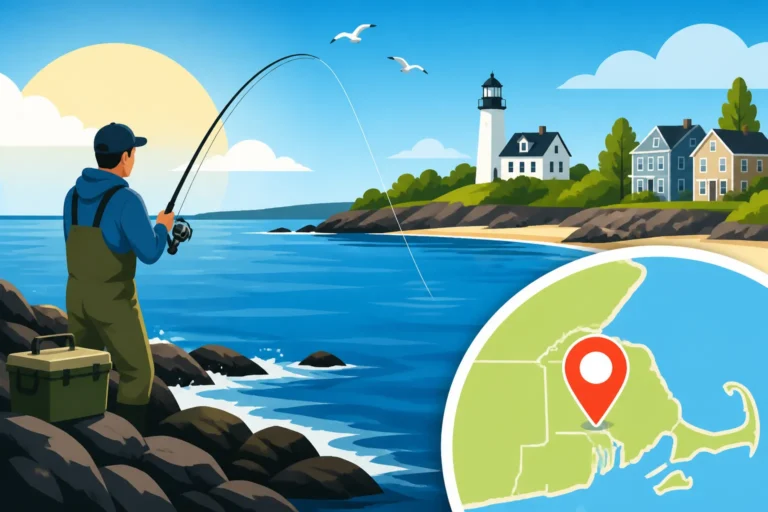
Imagine Salem Sound as a semi-enclosed basin, cradled by the North Shore coastline and dotted with several islands. It's connected to the larger Massachusetts Bay, but its distinct features create unique fishing conditions. The sound's intricate coastline includes the cities of Salem and Beverly, with various inlets, coves, and shallow flats. The most prominent features are the Misery Islands – Great Misery Island and Little Misery Island – along with Bakers Island, all offering excellent structure for fish.
The bottom structure is incredibly varied here. You'll find rocky ledges and outcroppings, especially around the islands and headlands, which are prime habitat for species like tautog. Then there are sandy and muddy flats, perfect for flounder, interspersed with deeper channels that cut through the sound. Rivers like the Forest River feed into the sound, bringing nutrients and creating brackish zones that attract baitfish and, consequently, predatory species. Tides and currents are a major factor, especially around the narrow channels and island passages, funneling bait and creating ambush points for game fish. This constant ebb and flow dictates fish movement and feeding behavior, so paying attention to the tide charts is crucial for success here.
Key Fish Species Found in Salem Sound
The diverse habitats of Salem Sound support a wide array of fish species throughout the year, offering something for every angler.
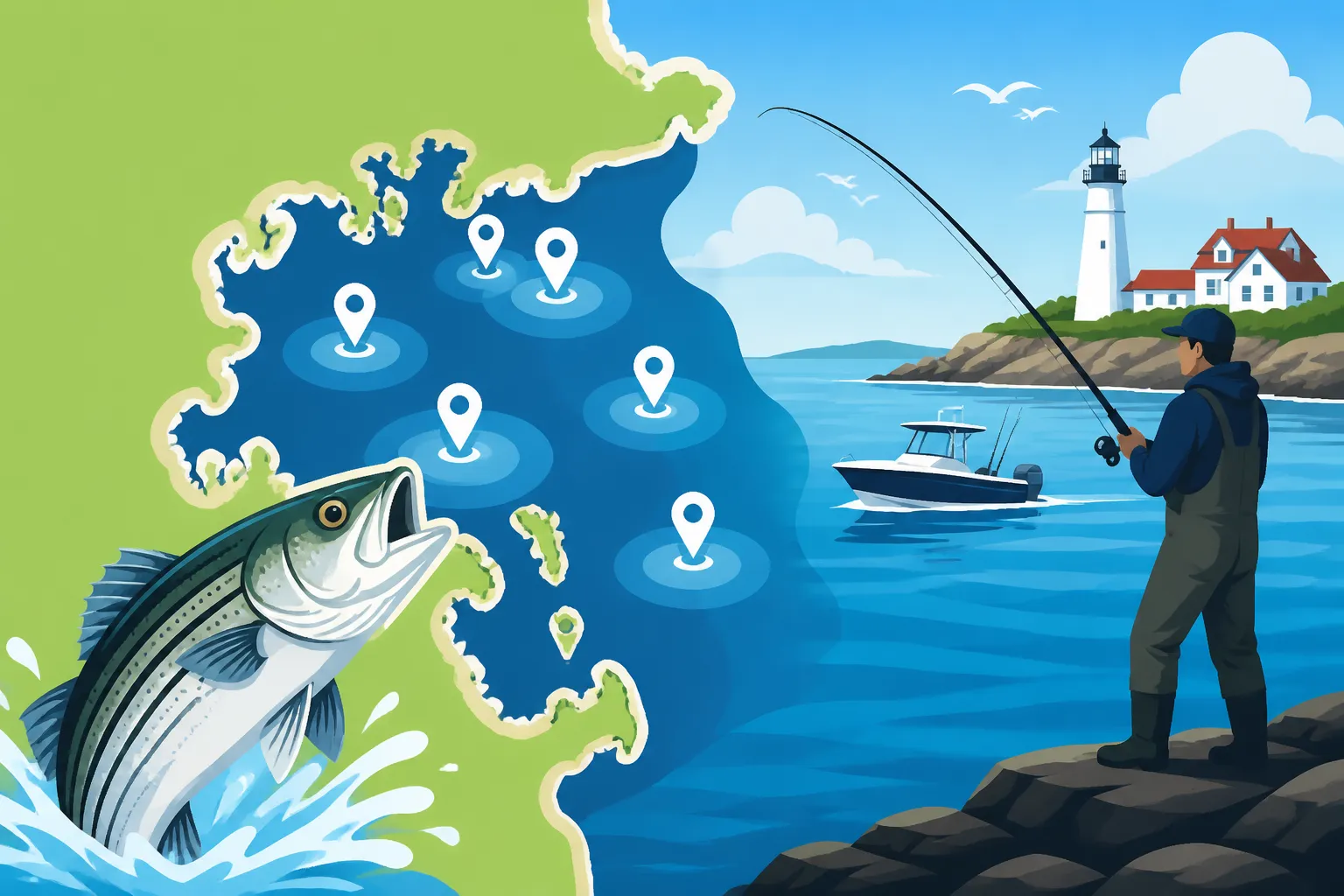
- Striped Bass: Without a doubt, the striped bass is the star of Salem Sound. These highly sought-after game fish cruise the rocky shorelines, patrol the harbor entrances, and lurk around the islands, especially during the spring and fall migrations. Schoolie stripers (smaller fish) are plentiful, providing constant action, while larger "cows" can be found during peak season, often ambushing baitfish in strong currents. Understanding the Massachusetts Striped Bass Slot Limit Explained is essential for keeping legal fish.
- Bluefish: When the water warms up, typically from late spring through early fall, bluefish move into the sound with a vengeance. Known for their aggressive strikes and sharp teeth, they're often found in schools, terrorizing baitfish. They provide exhilarating fights and are a blast to catch on lures and topwater plugs. You can learn more about How to Catch Bluefish in Massachusetts to maximize your chances.
- Flounder (Winter and Summer Flounder/Fluke): Salem Sound offers opportunities for both winter flounder in the cooler months and summer flounder (fluke) when the water warms. These flatfish are bottom dwellers, found over sandy and muddy bottoms, especially in the shallower coves and flats. A simple hi-lo rig with some bait can be incredibly effective.
- Tautog: If you love fishing structure, tautog (or "blackfish") are a fantastic target. They cling to rocky areas, wrecks, and pilings, making them a challenge to hook and land. Green crabs are their absolute favorite bait, and they put up a surprisingly strong fight for their size. If you're keen on this species, check out our guide on Bottom Fishing for Tautog in Massachusetts.
- Mackerel: These fast-swimming baitfish appear in large schools, usually in late spring and summer. They're not just fun to catch on light tackle, but they're also excellent live bait for larger striped bass and bluefin tuna further offshore.
- Other Species: You might also encounter black sea bass (especially in recent years as their range expands northward), scup (porgy), and occasionally even small cod, though dedicated cod fishing is now more common in deeper offshore waters. Freshwater species like perch and carp can be found in the brackish reaches of rivers feeding into the sound.
This blend of inshore and nearshore habitats makes Salem Sound a truly versatile fishing grounds, perfect for targeting a variety of species throughout the season.
Best Shore Fishing Spots in Salem Sound
For many anglers, the convenience and accessibility of shore fishing are unbeatable. Salem Sound, with its unique blend of urban waterfronts, historical landmarks, and public beaches, offers numerous prime spots where you can cast a line without needing a boat. These spots are not just productive; they also often come with a scenic backdrop, making for a truly enjoyable outing.
Pickering Wharf and Derby Wharf
These two iconic wharves, located in the heart of historic Salem, offer fantastic public access for anglers. Pickering Wharf, with its shops and restaurants, allows you to combine your fishing trip with other activities. Derby Wharf, part of the Salem Maritime National Historic Site, stretches out into Salem Harbor, providing excellent casting opportunities.
The beauty of these locations is their urban accessibility. You can walk right out onto the piers and jetties, casting into the deeper waters of the harbor. During the spring and fall, these areas are magnets for migrating striped bass, particularly schoolies that follow baitfish close to shore. You'll often see anglers catching small mackerel and herring (which should be released as they are protected), which can then be used as live bait for larger stripers. Lures like soft plastics and small topwater plugs work well here, especially during dawn and dusk. It's also a great spot for light tackle action with harbor pollock, scup, and even a rogue bluefish can sometimes make an appearance. Just be mindful of boat traffic and other pedestrians, especially during tourist season.
Forest River Park and Nearby Beaches
Moving slightly south from the bustling downtown, Forest River Park in Salem offers a different kind of shore fishing experience. This park provides excellent access to the tidal waters of the Forest River and its connection to Salem Sound. The river mouth itself, with its moving water, is a classic ambush point for striped bass.
Beyond the park, nearby beaches like Forest River Beach and Juniper Beach offer surfcasting opportunities. While not as open as the large ocean beaches of the Outer Cape, these smaller, more sheltered beaches can still be incredibly productive. Anglers here often target striped bass and bluefish, especially during feeding frenzies when schools of baitfish push close to shore. Traditional surfcasting techniques with heavier rods and reels, using lures like metal jigs, pencil poppers, or even chunk bait (mackerel, pogies), can yield good results. The key here is to look for structure like submerged rocks, drop-offs, or areas where current creates rips, as these are where predatory fish will hold. Parking is generally available at Forest River Park, but check local regulations for beach access and parking during peak season.
Winter Island Park
Situated at the very tip of Salem Neck, Winter Island Park is a truly unique and diverse shore fishing location. This former Coast Guard station turned public park offers a fantastic vantage point with access to both the open waters of Salem Sound and more sheltered areas within Salem Harbor.
The park boasts a long breakwater that extends into the Sound, providing deep-water access for casting. This is an excellent spot for targeting striped bass, especially during strong tides when baitfish are pushed past the point. You might also encounter bluefish here during the summer months. Beyond the breakwater, the rocky shorelines around the park offer habitat for tautog and cunner, which can be fun to catch on lighter tackle with small pieces of clam or crab. For those interested in family-friendly fishing, the park's pier and quieter coves can be good for catching smaller panfish or schoolie stripers. Just remember to check for Massachusetts Recreational Fishing Rules and Bag Limits before you go, as regulations are always important. Winter Island Park also has camping and amenities, making it a great spot for an extended fishing trip.
Prime Boat Fishing Locations in Salem Sound
For anglers with access to a boat, Salem Sound truly opens up, revealing a wealth of productive spots that are inaccessible from shore. The ability to explore the many islands, rocky ledges, and deeper channels allows for a more varied and often more successful fishing experience. Navigating these waters safely, especially with varied currents and boat traffic, is paramount.
The Misery Islands and Rocky Outcroppings
The Misery Islands – Great Misery Island and Little Misery Island – are jewels in the crown of Salem Sound's fishing scene. These islands are not just beautiful; they are geological goldmines for anglers. Their rocky shorelines, submerged ledges, and surrounding currents create perfect habitats and ambush points for a variety of game fish.
Striped bass absolutely love these islands. They patrol the rocky edges, waiting for baitfish to be swept by the currents. Trolling or casting lipped plugs and soft plastics parallel to the shorelines can be incredibly effective, especially during the moving tides. Live bait, like mackerel or eels, drifted near the structure, can entice larger stripers. The deeper water and rocky bottom around these islands also make them prime territory for tautog. Anchoring upcurrent from a rocky point and dropping green crabs or hermit crabs is a proven method for these hard-fighting bottom dwellers. Just be mindful of the strong currents and always keep an eye on your depth sounder to avoid hitting submerged rocks. This is an area where a local guide, perhaps found through a service like FishingBooker, could really help you pinpoint the hottest spots.
Inner Harbors and River Mouths
Salem Sound is fringed by several inner harbors, including Salem Harbor and Beverly Harbor, as well as the mouths of rivers like the Forest River. These areas, while often busy with recreational and commercial boat traffic, offer excellent fishing opportunities, particularly in the quieter hours.
The protected waters of Salem and Beverly Harbors are fantastic for striped bass, especially at night or during the low light hours of dawn and dusk. Anglers often find success by casting soft plastics or topwater plugs around docks, mooring balls, and bridge pilings. The warmer, shallower waters in these harbors can also hold winter flounder in the spring and fall. The mouths of rivers, where freshwater meets saltwater, are natural funnels for baitfish, attracting striped bass and occasionally bluefish. Fishing the outgoing tide at a river mouth can be particularly productive as bait is flushed out into the sound. When fishing these busy areas, always adhere to navigation rules and be courteous to other boaters and waterfront residents.
Connecting Channels and Open Water Areas
Beyond the immediate vicinity of the islands and harbors, Salem Sound features deeper connecting channels and open water areas that transition towards Ipswich Bay and the broader Massachusetts Bay. These sections are excellent for covering ground and targeting schools of migratory fish.
Trolling is a popular and effective method in these open water stretches. Anglers often troll tube-and-worm rigs or various swimming plugs to cover a lot of water in search of striped bass and bluefish. The depth of the sound varies significantly, with some channels reaching 50 feet or more, which can hold bait schools and larger predators. These deeper sections are also where you might find more robust populations of bottom fish, like scup and black sea bass, especially on humps or wrecks that provide structure. Exploring the transition zones where different bottom types meet, or where sudden depth changes occur, can also be highly productive. Knowing your way around these waters is key, and a good marine chart is your best friend. Don't forget that you'll need a Massachusetts Saltwater Recreational Fishing Permit Explained for any saltwater angling here.
Techniques and Tips for Fishing Salem Sound
Knowing where to fish is a critical first step, but understanding how to fish effectively in Salem Sound will truly elevate your success. The diverse environment calls for adaptable strategies, from selecting the right bait to understanding the rhythms of the tides. Mastering these techniques will help you connect with more fish and make the most of your time on the water.
Best Baits and Lures for Salem Sound Species
Choosing the right bait or lure is paramount to enticing a bite. Different species have different preferences, and what works one day might not the next.
- For Striped Bass: Live bait is often king, especially for larger fish. Live mackerel (when available) or eels are incredibly effective. For artificials, soft plastics, like Fin-S Fish or Slug-Gos in white, chartreuse, or black, rigged on a weighted hook, are consistently productive. Topwater plugs (e.g., pencil poppers, poppers) can provide explosive strikes at dawn or dusk, while lipped swimmers and bucktail jigs are great for probing deeper water or strong currents. For schoolie action, smaller jigs and soft plastics often do the trick. If you're looking for more specific recommendations, our guide on Best Lures for Striped Bass in Massachusetts is a fantastic resource.
- For Bluefish: These aggressive feeders will hit almost anything shiny or fast-moving. Metal jigs (like Kastmasters or Crippled Herring) retrieved quickly are a go-to. Large poppers also trigger violent strikes, and stout plugs can hold up to their sharp teeth. Chumming with ground fish can also draw in bluefish and sometimes stripers.
- For Flounder: Simplicity is key. A basic hi-lo rig with small hooks, baited with fresh sandworms, clams, or even small strips of squid, fished on a sandy or muddy bottom, is highly effective. A slow drift often produces the best results.
- For Tautog: Green crabs are the absolute prime bait for tautog. Fiddler crabs and pieces of hermit crab also work well. Present them on a small jig head or a basic sinker rig, tight to rocky structure. Be ready for a subtle bite and a quick, powerful fight once hooked.
Always check with a local bait shop like Fin & Feather in Essex or Causeway Bait & Tackle in Gloucester for the freshest local bait and up-to-date intel on what's biting.
Understanding Tides and Currents
In a complex tidal environment like Salem Sound, understanding the tides and currents isn't just helpful; it's absolutely essential. The movement of water dictates where fish will hold, feed, and travel.
- Moving Water is Key: Generally, fish are most active during moving tides – either incoming or outgoing. These currents dislodge bait, concentrate food sources, and provide cover for predatory fish. Around the Misery Islands, the currents can be quite strong, creating rips and eddies that are prime ambush points for stripers and bluefish.
- Incoming Tide: An incoming tide often brings cooler, cleaner, and more oxygenated water into the sound from Massachusetts Bay. This can push baitfish into harbors and coves, leading to good fishing along shorelines and at river mouths.
- Outgoing Tide: An outgoing tide flushes baitfish, nutrients, and smaller organisms out of the rivers, harbors, and shallow flats into the deeper parts of the sound. This can concentrate fish at the mouths of rivers, harbor entrances, and along channel edges.
- Slack Tide: The periods of slack tide (the brief pause between the incoming and outgoing tides) can sometimes be slower, but don't discount them entirely. Bottom feeders like flounder and tautog might still be active, and larger striped bass might move into shallower, calmer areas to feed more leisurely.
- Planning Your Trip: Always consult a tide chart for Salem, Beverly, or Gloucester before heading out. Plan your arrival at specific spots to coincide with the prime moving water for the species you're targeting. For example, if you're hitting the Ipswich Bay Fishing Spots in Massachusetts adjacent to Salem Sound, understanding the tides there will also be crucial.
Essential Gear and Safety Considerations
Having the right gear and prioritizing safety will ensure your fishing trip to Salem Sound is both productive and enjoyable.
- Rod and Reel Setups:
- Shore Anglers: A medium-heavy spinning rod (7-9 feet) paired with a 4000-5000 size reel spooled with 20-30 lb braided line is versatile for stripers, blues, and general casting.
- Boat Anglers: A 7-foot medium-heavy conventional or spinning rod is ideal for general boat fishing. Lighter setups (medium-light, 2500-3000 size reel, 10-15 lb braid) are great for flounder, mackerel, and schoolie stripers.
- Terminal Tackle: Always have a variety of hooks, sinkers (bank, egg, pyramid), swivels, and leaders (fluorocarbon in 20-40 lb test for abrasion resistance).
- Safety Gear (especially for boaters): Always carry USCG-approved life jackets for everyone on board, a sound-producing device (horn or whistle), navigation lights (if fishing at night), and a fire extinguisher. A VHF radio is highly recommended for communication. A local guide found through platforms like FishingBooker will, of course, provide all necessary safety equipment on their vessel.
- Navigation: If boating, carry up-to-date marine charts (paper or electronic) and know how to read them. Be aware of submerged hazards, restricted areas, and marked channels. Salem Sound can have heavy boat traffic, especially in summer, so maintain vigilance.
- Weather Awareness: Always check the marine forecast before you go. Conditions can change rapidly, and strong winds can quickly make the sound choppy and uncomfortable, especially in open areas.
- Regulations: Always carry your valid Massachusetts Fishing License Guide or permit (digital or physical). Be familiar with current size and bag limits for all species you intend to target.
By combining local knowledge with proven techniques and a strong emphasis on safety, you'll be well-equipped to unlock the fantastic fishing potential of Salem Sound.
Salem Sound Fishing Hotspots & Species at a Glance
| Fishing Spot | Access Type | Primary Target Species | Best Techniques | Key Features/Notes |
|---|---|---|---|---|
| Pickering Wharf | Shore | Striped Bass (schoolies), Mackerel, Perch, Scup | Light tackle casting, hi-lo rigs, small lures | Urban access, historical area, high pedestrian traffic. Good for family/casual fishing. |
| Derby Wharf | Shore | Striped Bass, Mackerel | Casting jigs, soft plastics, topwater | Long pier into Salem Harbor. Can be productive during migratory runs. |
| Forest River Park | Shore | Striped Bass, Bluefish | Surfcasting, bait fishing, lure casting | River mouth convergence, nearby beaches. Look for current breaks. |
| Winter Island Park | Shore | Striped Bass, Bluefish, Tautog | Casting lures, bait on breakwater, bottom fishing | Breakwater access, rocky shorelines. Diverse opportunities. |
| Misery Islands | Boat | Striped Bass, Tautog, Bluefish | Trolling, live bait, jigging, bottom fishing | Rocky structure, strong currents, challenging navigation. Prime gamefish habitat. |
| Salem & Beverly Harbors | Boat/Shore | Striped Bass, Flounder | Casting soft plastics, jigging, bait fishing | Sheltered waters, docks, mooring fields. Productive at dawn/dusk, or night. |
| Open Sound Channels | Boat | Striped Bass, Bluefish | Trolling, jigging | Deeper water, migratory routes. Good for covering ground. |
Disclaimer
Fishing regulations, conditions, and fish populations can change. Always check the latest Massachusetts Division of Marine Fisheries (MassDMF) and MassWildlife regulations before heading out. Practice responsible angling, respect private property, and prioritize your safety on the water. This guide is for informational purposes only.