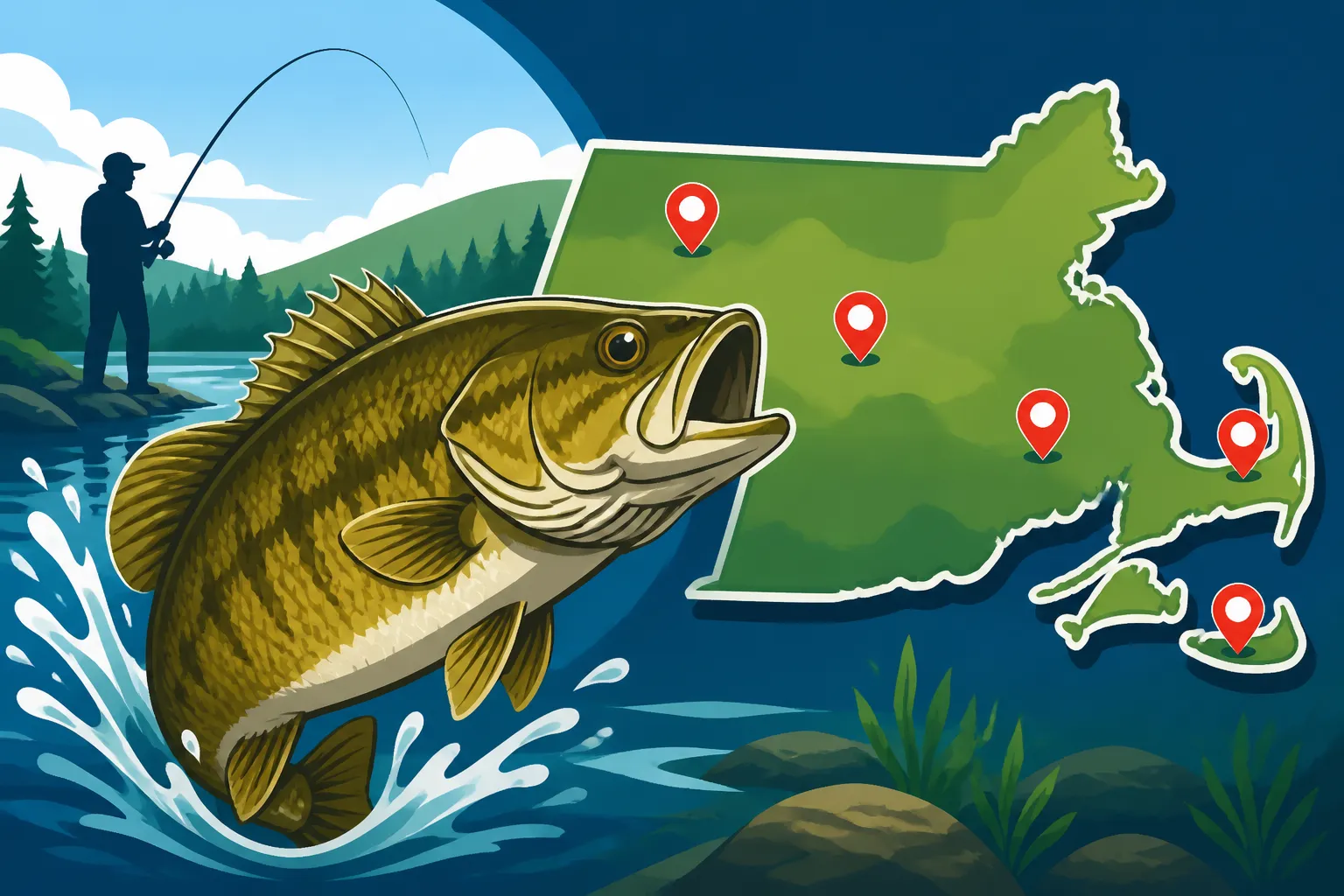
Where to catch smallmouth bass in Massachusetts
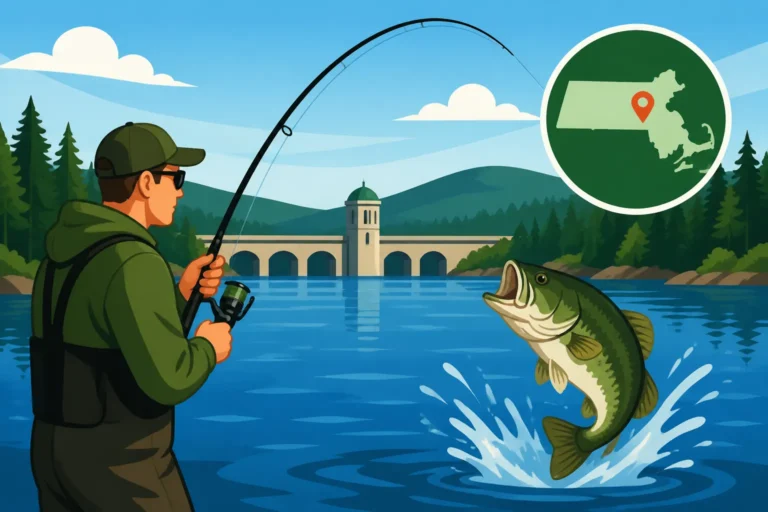
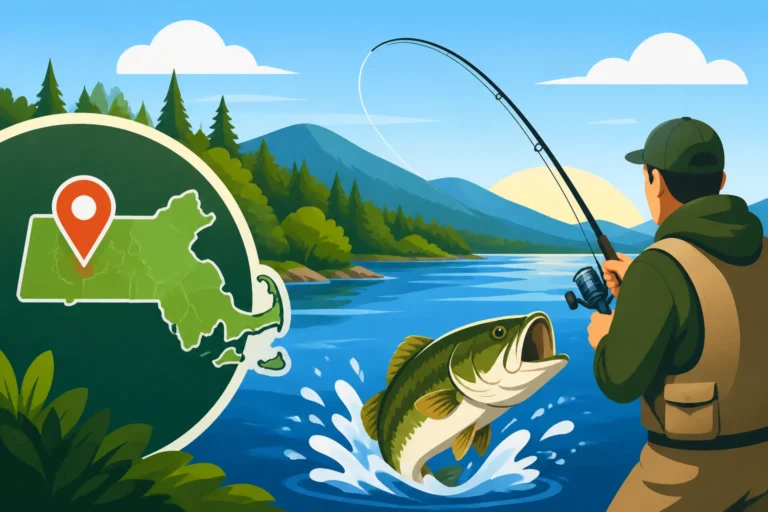
Finding those elusive smallmouth bass in Massachusetts can sometimes feel like a treasure hunt, especially when you’re used to targeting their largemouth cousins. These feisty, hard-fighting fish prefer very different environments, often leaving anglers scratching their heads about where to even begin. But don't worry, this guide is here to break down exactly where smallmouth bass thrive across the Bay State, giving you the insider knowledge you need to hook into one of these incredible game fish.
Understanding Smallmouth Bass in Massachusetts Waters
Smallmouth bass, often affectionately called "bronze-backs," are a completely different animal than the largemouth bass many Massachusetts anglers are familiar with. They demand specific conditions, which means if you’re fishing a pond full of lily pads and slow, muddy water, you’re probably in the wrong place for smallmouth. Knowing their preferences is the first step to success.
Key Characteristics and Habitat Preferences
Smallmouth bass ( Micropterus dolomieu) are easily identified by their bronze to olive-brown coloration, vertical bars, and an upper jaw that doesn't extend past the eye when their mouth is closed (unlike largemouth bass, whose jaw extends beyond the eye). But beyond their looks, their habitat choice is what truly sets them apart. These fish are true connoisseurs of clear, cool, and well-oxygenated water. Think of places with:
- Rocky Bottoms: Smallmouth absolutely love structure. They’ll congregate around rocky points, ledges, boulder fields, riprap, and gravel bars. These structures provide ambush points for prey and protection from predators.
- Current: Unlike largemouth, smallmouth are often found in moving water. Rivers and streams with moderate to strong currents are prime real estate for them, as are windy points or neck-down areas in larger lakes and reservoirs where water funnels through.
- Depth and Cover: While they appreciate current and structure, they also need access to deeper water to retreat to when temperatures rise or they feel pressured. Submerged timber, rock piles, or steep drop-offs adjacent to shallower rocky flats are all key features.
- Forage: They're opportunistic feeders, preying on crayfish, minnows, insects, and even smaller fish. Areas rich in these food sources will inevitably hold smallmouth.
Understanding these preferences is vital because it immediately narrows down your search. If you want to dive deeper into the differences, check out our article on Largemouth vs Smallmouth Bass in Massachusetts.
Prime Fishing Seasons for Smallmouth
Just like with any species, timing is everything when it comes to smallmouth bass. Their activity levels fluctuate dramatically with water temperature and their spawning cycles.
- Spring (Pre-spawn & Spawn): This is arguably the best time to target smallmouth. As water temperatures climb into the 50s and low 60s Fahrenheit (around 10-17°C), smallmouth move into shallower, rocky areas to spawn. They become very aggressive as they prepare their nests and protect their eggs. Early spring, even before the spawn, they're feeding heavily to regain energy after winter.
- Summer (Post-spawn & Deep Water): After spawning, smallmouth can be a bit lethargic immediately after, but they quickly recover. As summer progresses and water temperatures rise, they'll often retreat to deeper, cooler waters, especially during the heat of the day. You'll find them on deep humps, along thermoclines, or near strong current breaks. Early morning and late evening bites can be fantastic.
- Fall (Feeding Frenzy): As water temperatures drop in the autumn, smallmouth begin to feed aggressively again, packing on reserves for the winter ahead. They’ll often move back into shallower areas during the day to hunt, particularly on sunny, rocky points. This "fall bite" can be incredibly productive, often yielding some of the biggest fish of the year.
- Winter (Ice Fishing): While less common, some dedicated ice anglers do target smallmouth bass. They'll be found in deeper areas, often near structure, and can be caught using jigs or tip-ups with live bait. However, their activity is significantly reduced. You can learn more about general fishing timelines in our Massachusetts Fishing Seasons Explained guide.
Top Smallmouth Bass Destinations Across Massachusetts
Massachusetts offers a surprising number of quality smallmouth bass fisheries, from sprawling reservoirs to winding rivers. Knowing where to go is half the battle, so let's explore some of the best spots.
Western Massachusetts
The western part of the state, particularly the Berkshires, is a treasure trove for smallmouth anglers, thanks to its cooler waters and abundant rocky river systems.
Connecticut River
The Connecticut River is arguably one of Massachusetts’ premier smallmouth bass fisheries. This massive river, flowing through the heart of the state, offers diverse habitats perfect for bronze-backs. From the Massachusetts-Vermont border all the way down to the Massachusetts-Connecticut line, you can find smallmouth.
- Key Areas: Look for the river's numerous rocky sections, especially near bridge abutments, ledges, and areas where tributaries flow in. The stretch around Gill, Turners Falls, South Hadley, and Springfield is particularly productive. The current here creates ideal feeding lanes and ambush points.
- Access: There are plenty of public boat launches and shore fishing access points along the river. Towns like Montague, Sunderland, and Agawam offer good access.
- What to Expect: Anglers here often catch smallmouth ranging from 12 to 18 inches, with fish over 20 inches being a real possibility. They're strong fighters, especially in the river's current. For more detailed information, check out our Connecticut River Fishing in Massachusetts guide.
Housatonic River
Flowing through the picturesque Berkshires, the Housatonic River is another excellent option for smallmouth, particularly its upper stretches. While also known for trout, the smallmouth thrive in its clear, rocky pools and riffles.
- Key Areas: Focus on the sections near Pittsfield, Lenox, and Stockbridge. The river here is smaller and more intimate than the Connecticut, making it ideal for wading or kayak fishing. Look for deep runs, large boulders, and areas with good current.
- Access: Access points are available in various towns, often through state park lands or local conservation areas.
- What to Expect: The smallmouth in the Housatonic tend to be a bit smaller on average than those in the Connecticut, but they are plentiful and incredibly aggressive. This is a fantastic river for fly fishing for smallmouth as well as traditional spin casting. Our guide to Housatonic River Fishing in the Massachusetts Berkshires has more details.
Central Massachusetts
Central Massachusetts might not have the same expansive river systems as the west, but it boasts several large reservoirs and lakes that hold robust smallmouth populations.
Quabbin Reservoir
The Quabbin Reservoir, a massive drinking water supply, is renowned for its cold-water species, but it also supports an impressive population of smallmouth bass. Its deep, clear, rocky structure is perfectly suited for them.
- Key Areas: Smallmouth can be found throughout the reservoir, but specific attention should be paid to the numerous islands, submerged humps, rocky points, and steep drop-offs. The areas near gate 8, 31, and 43 are popular for access, offering diverse shorelines and nearby deep water.
- Access: Fishing is permitted from shore in designated areas and from boats (private boats require a specific permit and inspection). Keep in mind the strict rules and regulations for the reservoir; you can find more information in our Quabbin Reservoir Fishing Guide for Massachusetts Anglers.
- What to Expect: Quabbin smallmouth grow large, with 3-5 pound fish being common and true trophies over 6 pounds caught regularly. They are known for their powerful fights in the deep, clear water.
Wachusett Reservoir
Another vast, deep, and clear drinking water supply, Wachusett Reservoir also holds a strong population of smallmouth bass, though it's perhaps more famous for its impressive trout and salmon. The similarities in habitat to Quabbin make it a natural fit for smallmouth.
- Key Areas: Look for smallmouth around the reservoir's many rocky points, ledges, and deep humps. Areas with moving water, like those near causeways or where inflows create current, can also be productive.
- Access: Shore fishing is widely available, with designated access points around the reservoir. Boat fishing is restricted to DCR-approved rental boats only. Always consult the Wachusett Reservoir Fishing Guide for Massachusetts Anglers for the latest rules.
- What to Expect: Wachusett smallmouth are typically healthy and hard-fighting. Like Quabbin, they can reach impressive sizes, often found in deeper water, especially during warmer months.
Other Notable Lakes and Ponds
Many other lakes and ponds in central Massachusetts also have smallmouth populations, particularly those with deeper, clearer water and good rocky structure. Examples include Lake Webster (Chaubunagungamaug), Lake Cochituate, and Long Pond in Lakeville/Freetown. These spots often offer more accessible boat launches and less restrictive regulations compared to the larger reservoirs.
Eastern Massachusetts & Coastal Region Ponds
While largemouth bass tend to dominate the warmer, weedier ponds of Eastern Massachusetts, there are still some overlooked gems for smallmouth, especially in deeper, cooler, or more developed ponds with riprap shorelines.
- Great Ponds with Depth: Some of the larger "Great Ponds" with substantial depth and rocky structure can hold smallmouth. It's often about finding those specific features in a generally largemouth-dominant environment.
- River Estuaries/Tributaries: While not strictly freshwater, some river systems that flow into saltwater can have stretches of freshwater or brackish water with good smallmouth fishing before the salinity becomes too high. The lower stretches of the Merrimack River, for instance, can surprise anglers.
| Location | Key Characteristics | Best Time to Fish | Recommended Lure Types |
|---|---|---|---|
| Connecticut River | Large, moving water, rocky structure, diverse. | Spring, Summer, Fall | Crankbaits, tube jigs, spinnerbaits, topwaters, soft plastics. |
| Housatonic River | Clear, smaller river, rocky pools, good current. | Spring, Summer, Fall | Fly patterns, small crankbaits, jigs, soft plastics. |
| Quabbin Reservoir | Deep, clear, cold, massive rocky structure. | Spring, Summer, Fall | Drop-shot rigs, jigs, deep-diving crankbaits, jerkbaits. |
| Wachusett Reservoir | Deep, clear, cold, rocky points & drop-offs. | Spring, Summer, Fall | Jigs, tubes, finesse worms, jerkbaits, small swimbaits. |
| Lake Webster | Large, clear lake with varied structure. | Spring, Summer, Fall | Spinnerbaits, jigs, crankbaits, Carolina rigs. |
Strategies for Targeting Massachusetts Smallmouth Bass
Once you've found a promising spot, knowing how to fish for smallmouth bass is key. They're aggressive, but they can also be finicky, especially in clear water.
Lure and Bait Recommendations
Smallmouth bass are primarily sight feeders, so lure presentation and realism often matter a great deal.
- Jigs: Tube jigs are legendary for smallmouth, mimicking crayfish or baitfish. Colors like green pumpkin, brown, or white are effective. Football head jigs with craw trailers are also deadly when dragged along rocky bottoms.
- Crankbaits: Medium-diving crankbaits (like those from Rapala or Berkley) in crayfish or baitfish patterns are excellent for covering water, especially along rocky shorelines and points. Deep-diving crankbaits are essential for probing those deeper summer haunts.
- Jerkbaits: Suspending jerkbaits (e.g., from brands like Lucky Craft or Megabass) are phenomenal in cooler water conditions (spring and fall). Their erratic darting action and pauses can trigger violent strikes.
- Soft Plastics: Ned rigs, finesse worms on shaky heads, and small grubs can be incredibly effective when smallmouth are pressured or less aggressive. Colors like green pumpkin, watermelon, and smoke work well. Rigging a small plastic swimbait on a jig head can also be a killer presentation.
- Topwater Lures: During low light conditions (early morning, late evening) or on overcast days, topwater lures like poppers, walk-the-dog baits, and prop baits can lead to explosive strikes. Nothing beats the thrill of a smallmouth blowing up on a topwater lure.
- Spinnerbaits & Underspins: For covering water quickly, especially around submerged rocks or weeds, spinnerbaits with willow or Colorado blades can be very productive. Underspins with small paddle tail swimbaits are also excellent for a subtle flash and vibration.
- Live Bait: Minnows, shiners, and especially crayfish are irresistible to smallmouth bass. Rigged on a simple hook with a split shot, live bait can be deadly when other lures fail. However, always check local regulations regarding live bait use. For specific lure ideas, you might find our Best Lures for Smallmouth Bass in the Connecticut River post helpful.
Essential Techniques and Gear
Beyond lures, your technique and gear can make a significant difference.
- Rods and Reels: A medium to medium-heavy spinning rod (6'6" to 7'3") paired with a 2500-3000 series spinning reel is a versatile setup for most smallmouth applications. For heavier cover or larger crankbaits, a baitcasting setup with a medium-heavy rod might be preferred.
- Line: Fluorocarbon line (8-12 lb test) is a fantastic choice for its low visibility and sensitivity, especially in clear water. Braid with a fluorocarbon leader is also a popular option for added casting distance and strength.
- Casting Accuracy: Smallmouth often position themselves precisely around structure. Accurate casting is crucial to get your lure into the strike zone. Practice hitting those tight spots next to boulders, ledges, or current seams.
- Working the Lure: Don't be afraid to experiment with retrieve speeds and actions. Smallmouth often respond well to erratic movements, sudden pauses, and changes in direction. Think about what a fleeing baitfish or scuttling crayfish would do.
- Drift Fishing/Trolling: On large bodies of water like Quabbin or Wachusett, or expansive river sections, drift fishing with jigs or live bait can be very effective, especially when you're trying to locate schools of fish. Trolling deep-diving crankbaits can also cover a lot of ground in reservoirs.
- River Wading/Kayaking: For smaller rivers like the Housatonic, wading allows for stealthy approaches and targeting specific runs and pools. Kayaks and canoes are also excellent for navigating rivers and accessing spots that are difficult to reach from shore. For river-specific techniques, refer to How to Catch Smallmouth Bass in Massachusetts Rivers.
Planning Your Smallmouth Bass Adventure
A successful fishing trip requires a bit of planning beyond just knowing the fish and the spot. Considering the legalities and local resources can make your outing smoother and more enjoyable.
Licensing and Regulations
Before you even cast a line, ensure you have the proper permits. In Massachusetts, anyone 15 years of age or older needs a valid fishing license to fish in freshwater. This includes targeting smallmouth bass.
- Freshwater Fishing License: A specific freshwater license is required. You can purchase these online through the MassFishHunt system, at MassWildlife offices, or at many bait and tackle shops. To understand all the requirements, refer to our comprehensive Massachusetts Fishing License Guide and Massachusetts Freshwater Fishing License Costs and Rules.
- Daily Catch Limits: Always be aware of the daily catch and possession limits for smallmouth bass. These regulations are designed to protect fish populations and ensure sustainable fishing for everyone. You can usually find the most up-to-date information on the MassWildlife website or in their annual fishing regulations pamphlet. Our Massachusetts Freshwater Daily Catch Limits article also provides helpful information.
- Reservoir-Specific Rules: If you're heading to a major water body like Quabbin or Wachusett, remember that these reservoirs have additional, often stricter, rules regarding boat access, bait, and general conduct. Always check their specific regulations before you go.
Finding Guides and Resources
Sometimes, the best way to get on the fish, especially if you're exploring a new body of water or want to learn specific techniques, is to hire a local expert.
- Local Fishing Guides: Massachusetts boasts many experienced freshwater fishing guides who specialize in bass. They know the local waters like the back of their hand, understand seasonal patterns, and can put you on fish faster than you might on your own. A guide can also teach you valuable techniques that you can apply to future trips. You can find excellent guides by searching for Best Fishing Guides in Massachusetts.
- Online Booking Platforms: Platforms like FishingBooker are fantastic resources for finding and booking local fishing guides and charters. You can browse different guides, read reviews, compare prices, and often see their specialties, making it easy to find someone who focuses on smallmouth bass. This can save you a lot of time and trial-and-error, especially when trying to decipher vast fisheries like the Connecticut River or Quabbin.
- Local Tackle Shops: Never underestimate the value of a good local bait and tackle shop. The staff are often avid anglers themselves and can provide invaluable, up-to-the-minute information on what's biting, what lures are working, and current water conditions. They can also point you to specific access points or areas that are hot.
- Online Forums and Social Media Groups: Massachusetts fishing forums and social media groups are great places to connect with other anglers, ask questions, and get tips. While some spots might be kept secret, many anglers are happy to share general advice and experiences.
- MassWildlife Maps: MassWildlife provides excellent online maps and resources, including access points and information on various water bodies. These resources can be a great starting point for identifying potential smallmouth habitats.
Remember, patience and persistence are key when chasing smallmouth bass. They are challenging but incredibly rewarding fish to target. With the right knowledge and a bit of exploration, you'll be well on your way to catching some bronze-backed beauties in Massachusetts! And if you decide to go with a guide, don't forget to check out FishingBooker to compare options and reviews to find the perfect match for your smallmouth adventure.
Disclaimer
Please note that fishing regulations, seasons, and access policies can change. Always consult the latest Massachusetts Division of Fisheries and Wildlife (MassWildlife) regulations or the specific managing agency for reservoirs (like DCR for Quabbin and Wachusett) before planning your fishing trip. This guide is for informational purposes only and should not replace official sources.