Best lures for smallmouth bass in the Connecticut River
Oh, the Connecticut River! It's one of those magnificent waterways that just calls to your soul, isn't it? But for those of us who chase smallmouth bass there, we know it can also be a bit of a puzzle. The river changes, the fish move, and what worked yesterday might not get a sniff today. It's a common frustration, trying to dial in on what those bronze beauties are actually interested in. This guide is all about cutting through that noise, helping you understand which lures consistently entice smallmouth bass in the Connecticut River, and how to use them effectively, so you can spend less time guessing and more time reeling in those hard-fighting fish.
Understanding Smallmouth Bass Behavior in the Connecticut River
Before we even talk about specific lures, it's crucial to get inside the head of a smallmouth bass, especially one that calls the mighty Connecticut River home. This isn't your average pond or lake bass; river smallmouth are often leaner, meaner, and incredibly adept at using current and structure to their advantage. They're opportunistic predators, but they're also wary, especially in clearer sections of the river.
The Role of Current and Structure
The Connecticut River is a diverse ecosystem, offering everything from slow, deep pools to swift, rocky runs. Smallmouth bass thrive in areas with moving water, as it brings food to them and provides oxygen. However, they're not going to fight the current all day long. Instead, they'll position themselves in current breaks – behind large rocks, submerged logs, bridge pilings, or even subtle changes in bottom contour. These spots allow them to conserve energy while still being in a prime ambush location for baitfish and crawfish being swept downstream. Identifying these current seams and eddies is half the battle; the other half is presenting your lure in a way that mimics natural prey being disoriented by the flow. Think about how a baitfish would struggle in a swift current, or how a crawfish would cling to a rock. Your lure presentation needs to tell that story.
Seasonal Movements and Feeding Habits
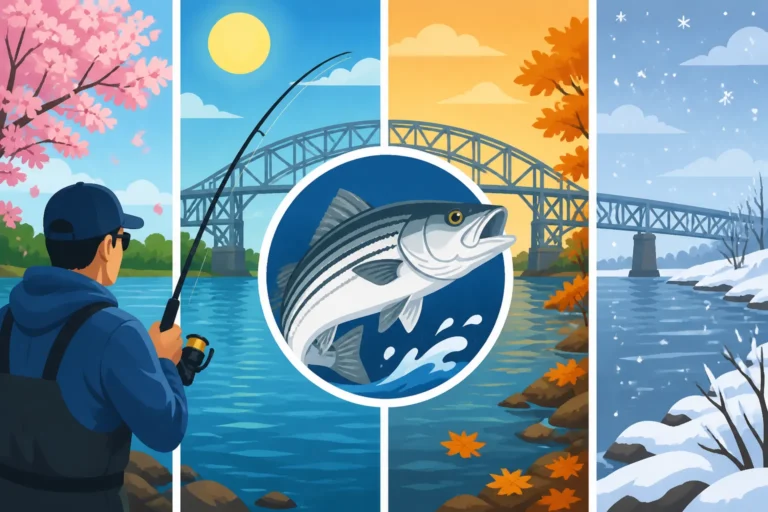
Smallmouth bass in the Connecticut River exhibit distinct seasonal patterns. In spring, as water temperatures rise, they'll move into shallower, rocky areas to spawn. This is a time when they can be very aggressive, protecting their nests. Post-spawn, they might be a bit lethargic, but as summer progresses and baitfish populations boom, they become highly active, often moving to deeper current breaks and offshore structures during the heat of the day, then returning to shallower feeding flats in the mornings and evenings. Fall sees them gorging themselves, building up reserves for winter, often congregating in deeper holes adjacent to faster water. Understanding these broad movements, which align with the Massachusetts Freshwater Fishing Season Calendar, can help you anticipate where the fish will be and what they might be willing to eat. Their diet in the Connecticut River primarily consists of smaller baitfish like shiners and darters, along with a healthy serving of crawfish and various aquatic insects.
Top Lure Categories for Connecticut River Smallmouth
When it comes to putting a bend in your rod with a feisty Connecticut River smallmouth, you need lures that can handle the current, imitate their natural forage, and get down to where they're hiding. I've found that a few key categories consistently outperform others.
Crankbaits for Covering Water
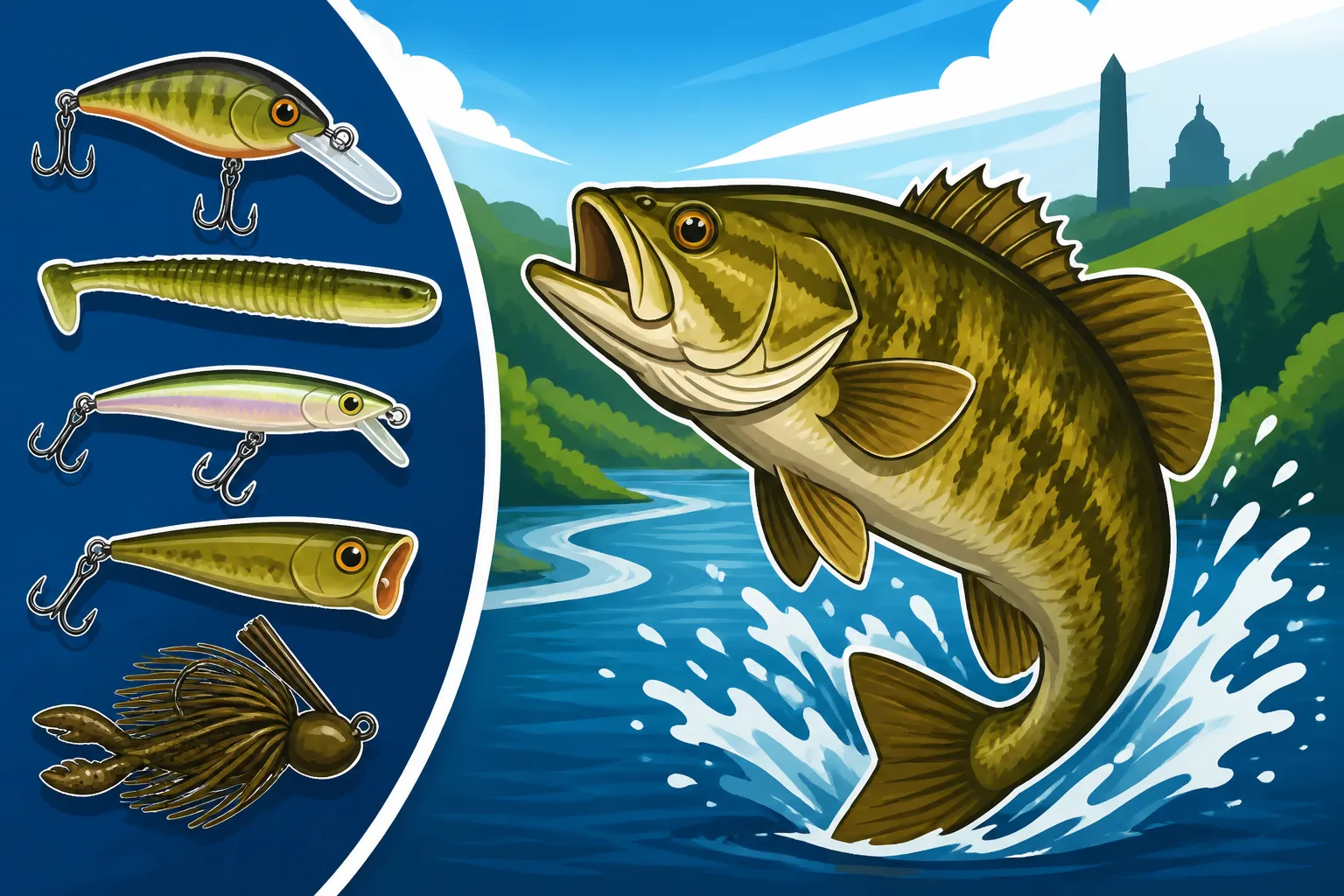
Crankbaits are absolutely essential for smallmouth bass in the Connecticut River, especially when you need to cover a lot of water quickly to locate active fish. They come in various diving depths and actions, allowing you to target fish in different parts of the water column. For the Connecticut River, you'll want a mix of shallow, medium, and deep divers. Shallow-running crankbaits are fantastic for rocky flats and around submerged timber in slower current, especially during morning or evening feeding windows. Medium-diving models, often in the 6-10 foot range, are workhorses for navigating river channels, ledges, and along current seams. Deeper divers are less frequently used in the Connecticut River due to its relatively shallow average depth, but can be deadly in deeper pools or around dam tailraces.
The key with crankbaits in a river system is to let the current help you. Cast upstream and across the current, then retrieve just fast enough to get the lure digging and wobbling. The current will sweep the lure downstream, giving it a very natural, panicked baitfish action. Often, the strike will come as the lure swings into an eddy or hits a current break. Colors that mimic local baitfish, like shad, shiner, or perch patterns, are excellent. Don't shy away from crawfish patterns, especially those with some red or orange, as smallmouth absolutely devour crawfish in this river. You can find a wide variety of crankbaits, from shallow divers to deep-running models, on platforms like Amazon, ensuring you have the right tool for any depth.
Jigs: The Versatile Bottom Bouncer
If there's one lure you absolutely cannot be without for Connecticut River smallmouth, it's a jig. Jigs are incredibly versatile and can imitate almost anything a smallmouth eats – crawfish, baitfish, even hellgrammites. The weight of the jig is critical; you need to choose one heavy enough to maintain bottom contact without being swept away by the current, but light enough to present naturally. Common weights range from 1/8 oz to 1/2 oz, depending on the current speed and depth.
- Tube Jigs: These soft plastic tubes threaded onto a jig head are perhaps the most iconic smallmouth lure. Their hollow body and tentacles create an irresistible action as they drift and bounce along the bottom, perfectly mimicking a crawfish or a stunned baitfish. Cast them upstream and allow them to tumble downstream with the current, occasionally hopping or dragging them. Strikes often come on the fall or as the lure pauses. Natural colors like green pumpkin, watermelon, or brown with flecks are always a good bet.
- Hair Jigs and Marabou Jigs: These old-school lures are still incredibly effective, especially in clearer water. Their subtle breathing action is irresistible to wary smallmouth. Fish them similarly to tube jigs, letting them drift and occasionally twitching them. White, black, brown, and olive are classic colors.
- Ned Rigs: While not strictly a jig in the traditional sense, the Ned Rig (a small, mushroom-shaped jig head paired with a buoyant, straight-tailed soft plastic) has exploded in popularity for a reason. Its super subtle presentation is deadly for finicky smallmouth, especially in areas with lighter current or when the bite is tough. The lure stands up off the bottom, presenting an easy meal.
When fishing jigs, keep a tight line and pay close attention to any subtle taps or changes in line movement. Sometimes, the only indication of a bite is your line going slack or twitching sideways.
Soft Plastics for Finesse and Imitation
Beyond tube jigs and Ned Rigs, a variety of other soft plastics are absolutely lights out for Connecticut River smallmouth. These lures shine when the fish are less aggressive or when you need a highly realistic presentation.
- Grubs: Single-tail or double-tail grubs on a lead head are simple yet deadly. They offer a pulsating action on a steady retrieve and can be fished effectively by swimming them just above the bottom or by dragging them. White, chartreuse, and smoke colors are often productive, mimicking baitfish.
- Senkos and Stick Baits: While often associated with largemouth bass, weightless or lightly-weighted stick baits like the Yamamoto Senko can be incredibly effective for smallmouth, especially in calmer pools or eddies. Their seductive, shimmying fall is hard for a smallmouth to resist. Cast them near structure, let them sink, and watch for line twitches. Many anglers also stock up on their favorite soft plastic worms and creature baits from retailers like Amazon, ensuring they have a good supply for various conditions.
- Swimbaits: Small paddle-tail swimbaits, either rigged on a jig head or as a trailer on a bladed jig, are excellent for mimicking baitfish. Swim them through current seams or along drop-offs. Silver, white, and natural baitfish patterns are key.
Spinnerbaits and Buzzbaits for Aggressive Fish
When the smallmouth are aggressive, and especially in stained water or during low-light conditions, spinnerbaits and buzzbaits can provoke explosive strikes. These lures create a lot of flash and vibration, calling fish in from a distance.
- Spinnerbaits: Use spinnerbaits with tandem blades (often a willow leaf and a Colorado blade) for maximum flash and vibration. White, chartreuse, and baitfish patterns are good starting points. Fish them by slow-rolling them near cover or by burning them just below the surface over rocky flats. They excel at deflecting off structure, often triggering reaction strikes.
- Buzzbaits: These topwater lures are pure adrenaline. Use them in calm, shallow areas, especially at dawn or dusk, or on overcast days. Their gurgling, splashing action draws smallmouth to the surface. White, black, and chartreuse are classic buzzbait colors. The key is to keep them moving fast enough to stay on top, creating a disturbance. The excitement of a smallmouth blowing up on a topwater lure is unmatched!
Matching Lures to River Conditions
Choosing the "best" lure isn't just about having the right type; it's about matching that lure to the specific conditions you're facing on the Connecticut River at any given moment. The river can be crystal clear one day and muddy brown the next after a heavy rain. The current can roar or barely whisper.
Water Clarity and Color Choices
Water clarity is perhaps the most significant factor in lure selection.
- Clear Water: When the Connecticut River is clear, smallmouth bass rely heavily on their eyesight. This is when natural colors and subtle presentations shine. Opt for tube jigs, Ned Rigs, hair jigs, and realistic soft plastics in natural hues like green pumpkin, watermelon, brown, and smoke. Smaller, more detailed crankbaits in baitfish patterns will also be effective. The key is to avoid anything too flashy or unnatural that might spook a wary fish.
- Stained or Muddy Water: In stained or muddy conditions, smallmouth rely more on their lateral line to detect vibration. This is where bright colors and lures with a lot of displacement come into their own. Chartreuse, white, and black become highly effective. Lures that create a strong vibration or thumping action, like large-bladed spinnerbaits, noisy crankbaits, or even buzzbaits, are excellent choices. Don't be afraid to go a bit larger with your lure size to increase its profile.
Current Speed and Depth
The speed of the current dictates how heavy your lure needs to be and how you present it.
- Fast Current: In swift water, you need heavier jigs (1/4 oz to 1/2 oz or more) to reach the bottom, or crankbaits that can dig in and maintain depth without being washed out. Cast upstream and allow the current to carry your lure naturally downstream, keeping just enough tension to feel for bites. The Connecticut River Fishing in Massachusetts offers many such challenging yet rewarding spots.
- Moderate Current: This is often ideal for a wide range of lures. Medium-weight jigs (1/8 oz to 1/4 oz), most crankbaits, and swimbaits can be fished effectively here. You have more flexibility in presentation, from steady retrieves to twitching and pausing.
- Slow Current/Slack Water: In pools, eddies, or backwater areas, lighter jigs (1/16 oz to 1/8 oz), Ned Rigs, and weightless soft plastics excel. Topwater lures like buzzbaits and walking baits can also be deadly in these calmer spots, especially during low-light conditions.
Consider the depth as well. Are the fish holding tight to shallow cover, or are they hunkered down in deeper holes? Your lure choice and retrieve method must match where the fish are in the water column.
Time of Day and Season
Just like How water temperature affects trout fishing in spring, the time of day and season significantly influence smallmouth behavior.
- Early Morning/Late Evening: These are prime times for topwater action. Buzzbaits, poppers, and walking baits can trigger aggressive surface strikes. As the sun rises or sets, crankbaits and spinnerbaits become very effective for fish moving into shallower feeding areas.
- Midday: When the sun is high and bright, smallmouth often retreat to deeper, cooler water or tight to heavy cover. This is when jigs, Ned Rigs, and soft plastics fished slowly on the bottom really shine. Deep-diving crankbaits might also pick off a few fish.
- Spring: Post-spawn smallmouth can be found in shallower, rocky areas. Tube jigs, Ned Rigs, and small crankbaits are great choices.
- Summer: Smallmouth spread out, using a mix of shallow and deep structure. All lure types can work, depending on the specific location and time of day. Consider the Best time of day to catch largemouth bass in summer for insights on warm-water feeding patterns that often apply to smallmouth too.
- Fall: Smallmouth aggressively feed to prepare for winter, often schooling up. Crankbaits, spinnerbaits, and larger jigs can be very effective as they chase baitfish.
Practical Tips for Fishing the Connecticut River with These Lures
Beyond choosing the right lure, how you approach the fishing itself can make all the difference on the Connecticut River. It's a dynamic environment that rewards thoughtful and adaptable anglers.
Reading the River
One of the most valuable skills you can develop for river smallmouth fishing is the ability to "read" the water. Look for visible current breaks: seams where fast water meets slow water, eddies behind rocks, or even subtle changes in surface tension that indicate submerged structure. Pay attention to downed trees, bridge pilings, and rock piles – these are prime ambush points. If you're drifting in a boat or kayak, use your electronics to identify deeper channels, ledges, and humps. Often, the smallmouth will hold just on the downstream side of these features, waiting for an easy meal. Even the Massachusetts Fishing Regulations Pamphlet, Explained encourages understanding habitat for successful and legal fishing.
Presentation is Key
Even with the "best" lure, a poor presentation will yield nothing. For river smallmouth, natural presentation is paramount. When fishing jigs or soft plastics, cast upstream and allow the lure to tumble naturally with the current. Imagine a crawfish struggling or a baitfish being swept downstream – that's the action you want to impart. Minimize slack in your line to feel subtle bites, but don't fight the current so much that your lure looks unnatural. With crankbaits, use the current to help get your lure to depth and give it a wide, searching wobble. For topwater, focus on creating realistic splashes or glides that mimic distressed prey. Remember, these are wild, smart fish, and they've seen it all. A subtle, natural approach is often rewarded. For more techniques, consider articles like How to catch smallmouth bass in Massachusetts rivers to refine your river game.
Essential Gear Considerations
Having the right gear will enhance your success and enjoyment.
- Rods: A medium-light to medium power spinning rod (6'6" to 7'2") with a fast action is a versatile choice for most smallmouth techniques, offering sensitivity for jigs and enough backbone for fighting fish in current. For heavier crankbaits or spinnerbaits, a medium power baitcasting rod might be preferred.
- Reels: A high-quality spinning reel in the 2500-3000 size range, spooled with 8-10 lb braided line and a fluorocarbon leader (6-8 lb), provides excellent sensitivity and casting distance. The fluorocarbon leader is nearly invisible in clear river water and provides abrasion resistance against rocks.
- Waders/Boots: If you're planning to wade, good quality waders and sturdy wading boots with felt soles or studs are essential for navigating the often-rocky, slippery bottom of the Connecticut River. Safety first!
- Tackle Box Essentials: Always carry a variety of jig heads in different weights (1/8 oz to 1/2 oz), an assortment of tube jigs and soft plastics in natural and bright colors, a few key crankbaits for various depths, and at least one spinnerbait or buzzbait for aggressive fish. Don't forget extra hooks, swivels, and leader material. It's always a good idea to have more than you think you'll need, especially if you snag a few lures on submerged structure. Even the smallest details, like having a good selection of terminal tackle, can be critical, and checking retailers like Amazon for bulk packs can be a smart move.
Be Mindful of Regulations
Always make sure you're up-to-date on the latest Massachusetts Freshwater Daily Catch Limits and other regulations for smallmouth bass in the Connecticut River. Rules can change, and it's our responsibility as anglers to know and follow them. Beyond that, practice catch and release, especially for larger breeding fish, to help ensure the smallmouth population remains healthy and vibrant for future generations to enjoy. The Connecticut River is a treasure, and proper stewardship helps keep it that way.
Lure Selection at a Glance
To give you a quick reference, here's a table summarizing some of the top lure choices based on common river conditions. Remember, these are guidelines, and experimenting is always part of the fun!
| Lure Type | Best for Water Clarity | Best for Current Speed | Preferred Depth | Key Presentation Notes |
|---|---|---|---|---|
| Tube Jigs | Clear to Stained | Moderate to Fast | Bottom | Cast upstream, bounce/drag with current; feel for subtle taps. |
| Crankbaits | Clear to Stained | Slow to Moderate | Mid-water | Cast across/upstream, steady retrieve, let current work. |
| Ned Rigs | Clear | Slow to Moderate | Bottom | Light line, subtle drag/shake; deadly for finicky fish. |
| Spinnerbaits | Stained to Muddy | Moderate | Mid-water | Slow roll near cover, or fast retrieve for reaction strikes. |
| Soft Plastic Grubs | Clear to Stained | Slow to Moderate | Mid-water/Bottom | Swim steadily, or hop along bottom; versatile. |
| Buzzbaits | Stained (Topwater) | Slow (Still Water/Eddies) | Surface | Fast, steady retrieve; early morning/late evening. |
| Hair/Marabou Jigs | Clear | Moderate | Bottom | Delicate drift, subtle twitches; very natural. |
This guide should give you a solid foundation for tackling those fantastic smallmouth bass in the Connecticut River. It's a fishery that truly rewards persistence and an understanding of both the fish and the environment. Good luck out there, and tight lines!
Disclaimer
This article is for general informational purposes only and does not constitute professional advice. Laws, prices and regulations vary by location and change over time. Consult a qualified professional for guidance on your specific situation.