Fishing the Cape Cod Canal by Season
There's a special kind of thrill, and sometimes a lot of frustration, that comes with fishing the Cape Cod Canal. Anglers often struggle with understanding the Canal's unique rhythm, which changes dramatically with the seasons, making it tough to know when and how to approach this dynamic waterway. This comprehensive guide will break down what you can expect when fishing the iconic Cape Cod Canal throughout the year, helping you align your efforts with the fish's natural patterns and increase your chances of success.
Spring Fishing on the Cape Cod Canal: Awakening the Waters
When the chill of winter finally starts to recede, and the days grow longer, the Cape Cod Canal begins to shake off its dormant state and buzz with the first signs of life. For many anglers, this is a time of intense anticipation, as it marks the return of the migratory striped bass. The energy in the air is palpable, with everyone eager to cast a line after months of cold-weather hiatus. However, spring fishing in the Canal isn't just about showing up; it requires a nuanced understanding of the evolving conditions and the habits of early-season fish.
Early Arrivals and Emerging Bait
As water temperatures slowly climb, typically from late April into May, the first wave of striped bass makes its way into Massachusetts waters, often using the Cape Cod Canal as a major transit route. These aren't usually the massive cow stripers of summer and fall, but rather hungry schoolie stripers and modest keepers, often ranging from 20 to 30 inches. They're driven by instinct and hunger after their long migration. What draws them in are the awakening baitfish populations. Early in the season, you'll see a mix of resident baitfish like sea herring and sand eels, and later, the first schools of mackerel and menhaden might start to appear, though often in smaller numbers than in peak summer. The presence of these baitfish is key; if you can locate the bait, you're usually close to the bass. It's a game of observation – look for nervous water, subtle disturbances, or even gulls dive-bombing, all indicating subsurface activity.
Don't expect explosive surface feeds every day. Spring fishing can be a grind, marked by shorter bite windows and more subtle takes. The bass are still somewhat lethargic from their migration, and their metabolism is still ramping up. You'll often find them holding in deeper pockets, near structure, or along current seams where they can ambush passing bait with minimal effort. Understanding these early season patterns is crucial, as blindly casting can lead to a lot of frustration. Be patient, observant, and willing to experiment with your presentation.
Tackle and Techniques for Spring Stripers
For early spring Canal fishing, a medium-heavy to heavy spinning or conventional setup is appropriate. You'll want a rod capable of casting lures up to 3-5 ounces, paired with a reel spooled with 30-50 lb braided line. A leader of 40-60 lb fluorocarbon is usually sufficient. Since the fish aren't always in a feeding frenzy, matching the hatch is vital. Soft plastics, like the Hogy Pro Tail Paddles or Albie Snax, rigged on jig heads ranging from 1 to 3 ounces, can be incredibly effective when retrieved slowly along the bottom or jigged subtly. These imitate sand eels and smaller baitfish that are prevalent early on. You can often find a great selection of these on Amazon if your local tackle shop hasn't fully stocked up for the season yet.
Another highly effective technique in spring is throwing small to medium-sized jig-and-teaser combinations. A lead head jig (like a "pencil" jig or a bucktail jig) tipped with a soft plastic curly tail or a strip of pork rind, paired with a teaser fly tied a foot or two above it, can mimic two small baitfish swimming together. These can be cast and jigged or slowly retrieved. Remember, these early season stripers are often conserving energy, so a slower, more methodical presentation often out-produces aggressive retrieves. Keep an eye on the Best Tide for Fishing the Cape Cod Canal, as certain tides, particularly the slower parts of the incoming or outgoing, can be more productive for presenting these lighter lures effectively.
Summer Fishing on the Cape Cod Canal: The Peak Action
Summer on the Cape Cod Canal is, for many, the pinnacle of the fishing season. The Canal truly comes alive, becoming a vibrant, often chaotic, hub of angling activity. The water is warmer, baitfish are abundant, and the striped bass are in full-on feeding mode. This is when you're most likely to witness those legendary Canal blitzes, with massive schools of bass smashing bait on the surface. But with the good comes the challenging: crowds, relentless currents, and specific tactics needed to capitalize on the prime conditions. If you're looking for consistent action and the chance at a true trophy, summer is your time, but be prepared for intense competition and early mornings.
Daytime Heat and Nighttime Bites
Summer days can be long and hot, and while fish can be caught around the clock, understanding their preferred feeding times is crucial. During the bright daylight hours, especially when the sun is high, striped bass often retreat to deeper, cooler water or hold tight to structure, becoming less active. This doesn't mean you can't catch them, but it often requires heavier jigs and a presentation that gets down to where they're holding. However, when large schools of baitfish like mackerel, pogies (menhaden), or even squid move through, all bets are off, and blitzes can erupt at any time. Look for diving birds, frantic baitfish leaping from the water, or the unmistakable boils and splashes of feeding bass. These are prime opportunities to deploy topwater plugs or large swimming plugs.
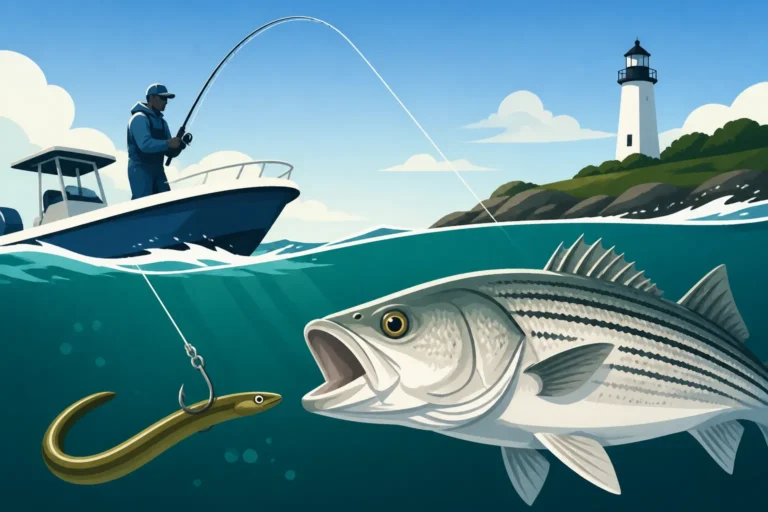
As the sun dips below the horizon, and into the cooler nighttime hours, the Canal transforms. This is often when the biggest striped bass move in from deeper offshore waters, feeling safer under the cover of darkness. Night fishing the Canal can be incredibly productive for trophy-sized stripers. Common techniques include throwing large, dark-colored swimming plugs or lipped plugs, big poppers, or live-lining eels. Remember to always prioritize safety when fishing at night, wearing a headlamp and being aware of your surroundings, especially with the strong currents. For more in-depth knowledge, check out guides like How to Fish the Cape Cod Canal at Night for Stripers.
Targeting Other Summer Species
While striped bass are undoubtedly the main attraction, summer in the Canal also offers opportunities to target other exciting species. Bluefish, with their aggressive nature and sharp teeth, frequently invade the Canal, especially when there's an abundance of baitfish. They put up a fantastic fight and are a blast to catch, though you'll want to use wire leaders to prevent bite-offs. Poppers and metal lures retrieved quickly often entice a violent strike from bluefish. Don't be surprised if your carefully selected striper lure comes back severely mangled after a bluefish encounter!
Beyond the toothy blues, you might also encounter tautog (blackfish) around the rock piles and bridge pilings. While not a primary Canal species, they can be caught by anglers specifically targeting them with green crabs or hermit crabs on bottom rigs. Even scup (porgy) and small bottom fish can be found in the slower areas. For those curious about the diverse range, learning about Saltwater Fish Species in Massachusetts will give you a broader understanding of what might surprise you on your line. It's a good idea to bring a variety of lures, from heavy jigs for deeper holding fish to topwater plugs for those explosive surface feeds. Retailers like Amazon carry a wide array of options suitable for these various species and techniques.
Fall Fishing on the Cape Cod Canal: The Epic Run
If spring marks the beginning and summer the peak, then fall is the grand finale on the Cape Cod Canal. This is the season of the "fall run," a period of intense activity as countless migratory fish, including vast schools of striped bass and bluefish, make their way south, gorging themselves on baitfish to fuel their journey. The sheer volume of fish and bait during the fall can create some of the most spectacular and memorable fishing experiences you'll ever have. However, like any good drama, it comes with its own set of unique challenges and strategies.
The Great Migration: Stripers on the Move
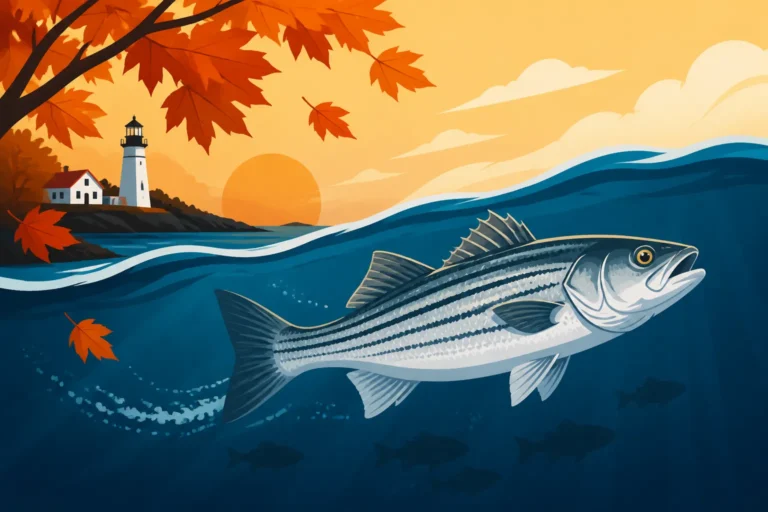
From late August through October, and sometimes even into early November, the Cape Cod Canal becomes a bustling highway for migrating striped bass. These fish are driven by a powerful instinct to feed aggressively, building up fat reserves for their arduous journey to warmer southern waters. The Canal's strong currents funnel immense schools of baitfish – primarily pogies, mackerel, and often squid and herring – providing a veritable buffet for the stripers. This is when anglers truly experience the Canal's legend, with colossal schools of fish creating acres of white water as they erupt on bait.
During the fall run, fish can be caught throughout the day and night, but the most intense blitzes often coincide with the strongest tides and massive bait presence. Many anglers consider this the Best Time of Year to Fish in Massachusetts for trophy striped bass. The competition among anglers can be fierce, with prime spots along the Canal's banks often claimed hours before dawn. Knowing the prime Cape Cod Canal Striped Bass Fishing Spots and understanding tidal patterns are paramount to success. It's not uncommon to see multiple fish over 30 pounds landed during a strong fall run. The sheer spectacle of nature unfolding before your eyes, with thousands of birds, bait, and bass working together, is something every angler should witness.
Lure Selection for the Fall Run
During the fall run, versatility in lure selection is key because the baitfish can change daily, sometimes hourly. Large, heavy metal jigs (like the classic A.O.K. T-Bug or the Roberts Ranger) are a Canal staple, perfect for reaching deep-holding fish and cutting through the strong currents. Pencil poppers, particularly in white or yellow, are deadly when fish are feeding on the surface, mimicking fleeing baitfish. Large swimming plugs, both soft and hard-bodied, are also incredibly effective, especially after dark or when bass are feeding subsurface. Make sure your tackle is up to the task; powerful rods, reels with excellent drag systems, and strong braided line are essential. Many anglers keep a variety of these lures in their arsenal, often purchased from reputable sources like Amazon to ensure they're always prepared for the ever-changing conditions.
Another crucial consideration is the size of the bait. If the stripers are keying in on large pogies, you'll need a big lure to mimic that profile. If they're on smaller mackerel or sand eels, you'll want something more slender. Always observe what the fish are eating if possible – often, dead baitfish will wash ashore, giving you a clue. For more specific tactics, delve into resources like Jigging Techniques for Cape Cod Canal Stripers to master the art of working your lures in the Canal's powerful currents.
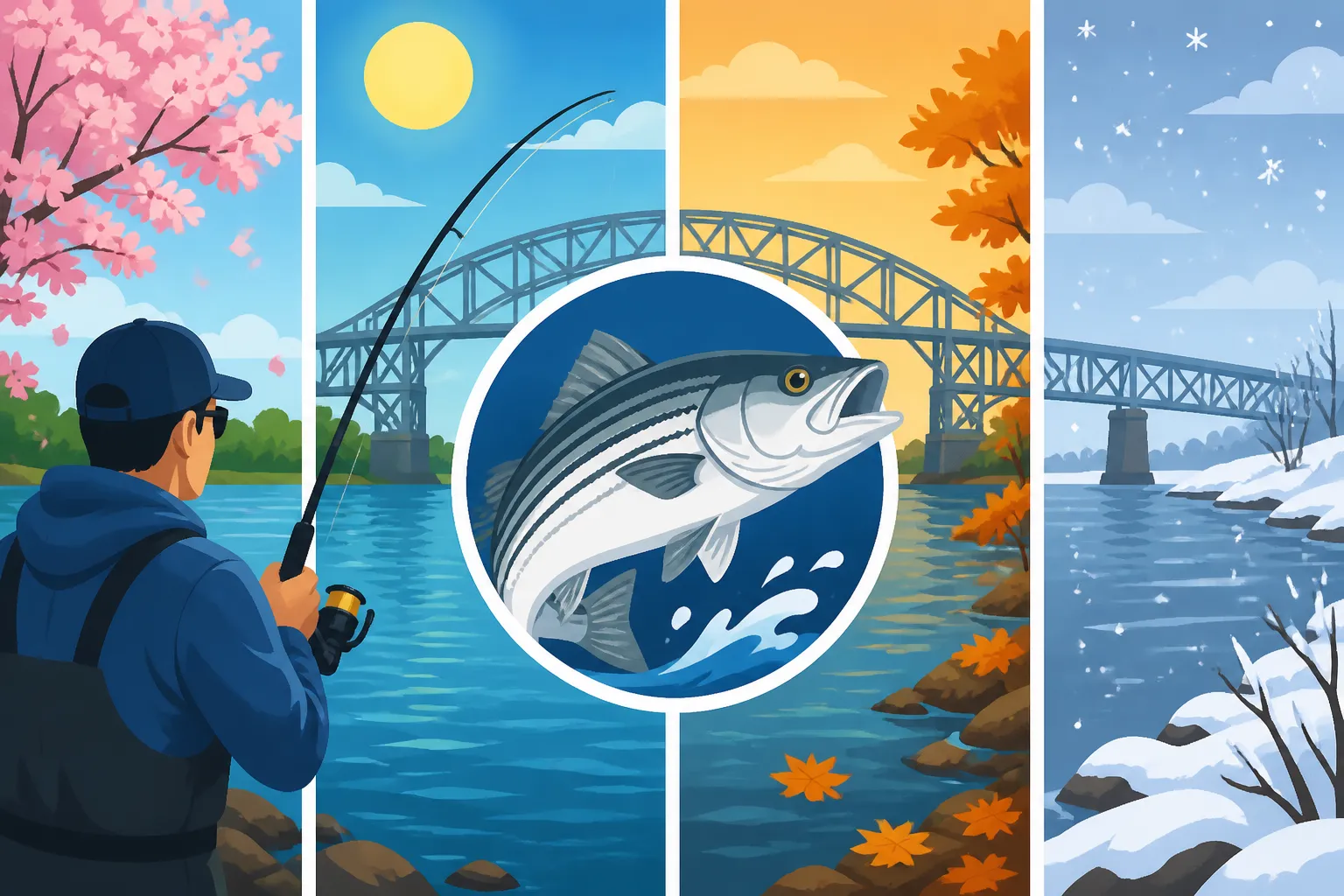
| Season | Primary Target Species | Common Techniques | Key Considerations |
|---|---|---|---|
| Spring | Striped Bass (schoolies, early keepers) | Soft plastics on jig heads, small jigs & teasers | Patience, slower retrieves, colder water |
| Summer | Striped Bass (all sizes), Bluefish, Occasional Tautog | Heavy jigs, topwater plugs, live-lining eels | Crowds, night fishing for big bass, strong currents |
| Fall | Striped Bass (large, migrating), Bluefish | Large metal jigs, pencil poppers, swimming plugs | Intense feeding, varied bait, competition for spots |
| Winter | Minimal / Incidental | Very limited opportunities | Extreme cold, high winds, dangerous conditions |
Winter's Quietude: Limited Opportunities on the Cape Cod Canal
As the vibrant fall run eventually tapers off and the brutal New England winter descends, the Cape Cod Canal largely falls silent. The majority of the migratory striped bass and bluefish have long since departed for warmer southern waters, leaving the Canal a much quieter, and often desolate, place for anglers. While there are a few die-hards who might brave the elements, fishing opportunities are severely limited, and safety becomes an even greater concern due to the harsh conditions.
Braving the Cold: What Little Fishing Exists
For the most part, winter fishing on the Cape Cod Canal is not a common or productive endeavor for migratory species. The extremely cold water temperatures mean that resident baitfish are scarce or hunkered down, and the active, aggressive feeding frenzies of spring, summer, and fall are non-existent. Most of the action, if any, will be incidental catches of holdover striped bass, which are rare and often small, managing to survive in the deeper, warmer pockets of the Canal. These fish are usually lethargic and extremely difficult to entice.
Some dedicated anglers might try vertical jigging in deeper sections or employing slow-moving soft plastics, but success is minimal. The focus shifts from active pursuit to a quiet, often contemplative, appreciation of the Canal's stark winter beauty. The powerful currents, combined with icy winds and freezing temperatures, also create hazardous conditions. Ice can form along the banks, making access treacherous, and casting can be genuinely painful. Therefore, it's generally recommended to save your serious angling efforts for when the waters begin to warm again.
Prepping for the Next Season: Gear Maintenance
Winter, however, isn't a completely wasted time for the passionate Cape Cod Canal angler. It's the perfect opportunity to engage in vital gear maintenance and preparation for the upcoming spring season. Your rods and reels have taken a beating from the powerful currents and hard-fighting fish. Take the time to thoroughly clean your reels, regrease bearings, and ensure all moving parts are smooth. Check your rods for any cracked guides or loose reel seats. This is also a great time to re-spool your reels with fresh braided line and tie on new leaders, ensuring you're starting the season with peak performance tackle.
Beyond maintenance, winter is also an excellent period for research and planning. Review your logs from the past season, analyze what worked and what didn't, and consider new techniques you want to try. Read up on new lures or tackle innovations – many anglers spend hours browsing online shops like Amazon for the latest and greatest. You can also dive into other valuable resources like Massachusetts Freshwater Fishing Season Calendar or Massachusetts Trout Stocking Schedule if you plan to explore freshwater options during the colder months. By staying engaged with the sport through preparation, you'll be well-prepared and eager when the first schoolies of spring finally arrive.
Disclaimer
The information provided in this guide is for general informational purposes only. Fishing regulations, seasons, and conditions in Massachusetts and on the Cape Cod Canal are subject to change. Always consult the latest official Massachusetts Division of Marine Fisheries (MassDMF) and Massachusetts Department of Fish and Game (MassWildlife) regulations before fishing. Adherence to all local, state, and federal laws is the sole responsibility of the angler. Fishing can be dangerous; always prioritize safety, especially when dealing with strong currents, slippery rocks, and adverse weather conditions.