Best bait for brook trout in Massachusetts streams
If you've ever spent a beautiful day standing in a cool, clear Massachusetts stream, casting diligently but coming up empty-handed, you know the particular frustration of trying to tempt those notoriously shy brook trout. It's a common experience for many anglers, myself included, who quickly realize that these native beauties aren't always keen on just any offering. This guide is here to unravel the mystery of what truly entices brook trout in our local streams, helping you choose the best bait to turn those quiet days into memorable catches.
Understanding Brook Trout Behavior in Massachusetts Streams
Before we even talk about specific baits, it's crucial to get inside the head of a brook trout. These aren't your typical pond fish that will aggressively chase down anything that moves. Brook trout, especially the wild ones found in many of our state's smaller, colder streams, are often more cautious, territorial, and incredibly attuned to their environment. Their survival depends on it, which means we, as anglers, need to adapt our approach to match their natural instincts.
The Elusive Nature of Wild Brook Trout
Wild brook trout are truly magnificent creatures, and a treasure in Massachusetts. Unlike their stocked cousins, which you might find more readily in ponds and larger rivers as detailed in the "Massachusetts Trout Stocking Schedule" post, wild brook trout often inhabit pristine, cold-water streams with plenty of cover. Think fallen logs, undercut banks, deep pockets around boulders, and dense overhanging vegetation. They are ambush predators by nature, preferring to dart out from hiding to snatch a passing meal rather than openly foraging.
This means they have a natural wariness. Loud footsteps on the bank, a heavy splash of your line, or even a sudden shadow can send them scurrying for cover, putting them off feeding for a while. Their diet is largely dictated by what naturally falls or lives in and around their stream – insects, larvae, small crustaceans, and occasionally, tiny baitfish. Understanding this natural diet is the cornerstone of choosing the right bait; you want something that looks and acts like their everyday food.
Impact of Water Conditions and Season
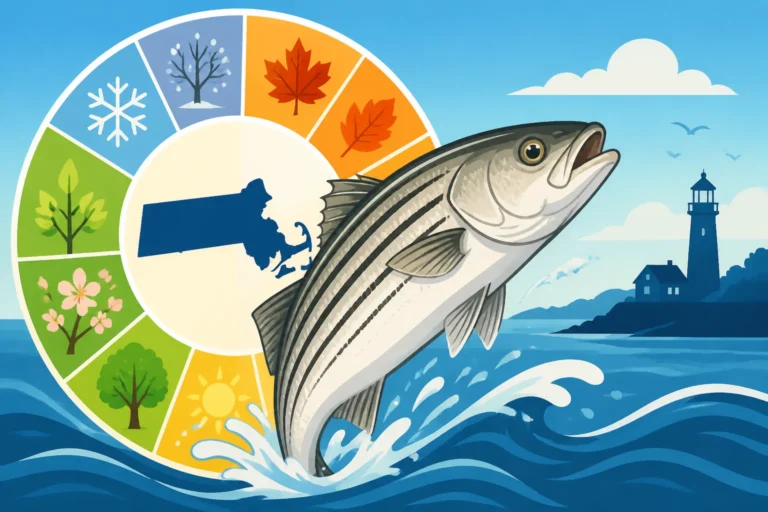
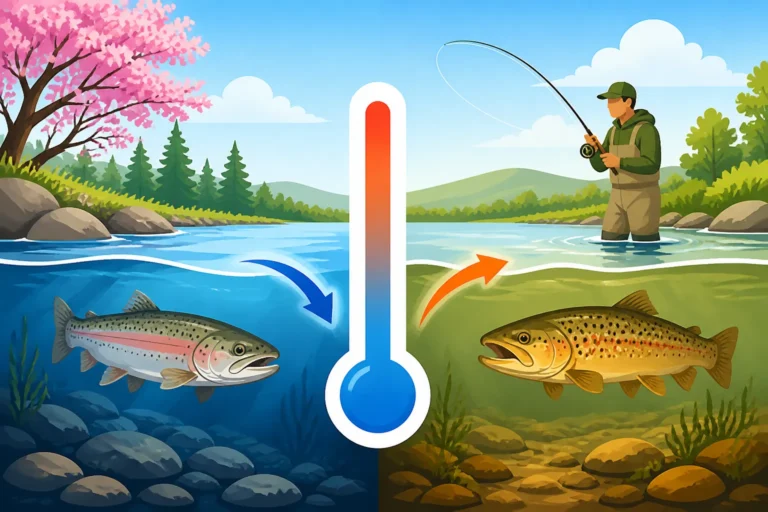
The success of your chosen bait is also heavily influenced by the conditions of the stream itself. Water temperature, flow rate, and clarity all play significant roles in how active brook trout are and what they're willing to eat. For instance, in colder water, typically found in early spring or late fall, trout metabolisms slow down, and they might prefer a slower, more substantial meal that requires less energy to chase.
Conversely, during warmer periods in late spring or early summer, when insect hatches are abundant and the water is flowing briskly, brook trout can become much more active and opportunistic. High, turbid water after a rain event might make it harder for them to see small baits, favoring something larger and more scent-driven. Knowing how "How water temperature affects trout fishing in spring" can be a game-changer. Always observe the stream when you arrive – what insects are flying? Is the water clear or cloudy? How strong is the current? These observations will guide your bait selection.
Top Natural Baits for Massachusetts Brook Trout
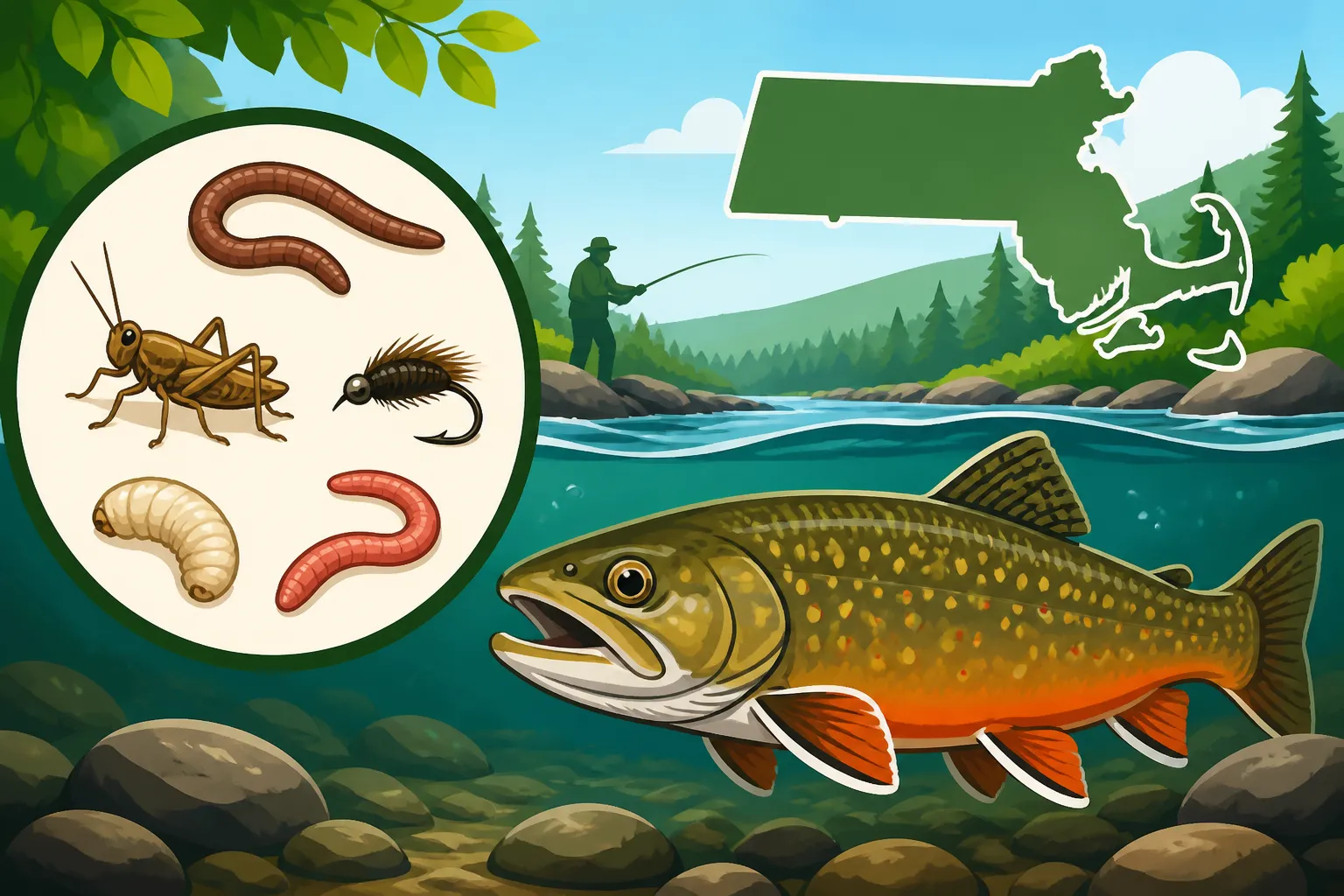
When it comes to natural baits, you're essentially offering brook trout a meal they already recognize and trust from their daily menu. This familiarity can often overcome their natural wariness, making natural baits incredibly effective, especially for those wild, stream-dwelling fish.
Worms: The All-Time Classic
There's a reason worms have been a staple for trout anglers for generations: they simply work. Their natural scent, movement, and availability make them an irresistible offering for brook trout in almost any stream condition. The key is often in the presentation.
- Types of Worms: While a large nightcrawler might be a bit much for a smaller stream brook trout, smaller red wigglers, garden worms, or even tiny "trout worms" are perfect. Red wigglers, in particular, have a strong natural scent that can attract fish even in murkier water. You can often find these at local bait shops, or easily purchase them online through retailers like Amazon, ensuring you have a steady supply ready for your next outing.
- Rigging and Presentation: The goal is a natural drift. Hook your worm once or twice through the body, leaving plenty of it to wriggle enticingly. Use as little weight as possible – perhaps one or two small split shot a foot or so above the hook – just enough to get the bait down to where the fish are without hindering its natural movement. Cast upstream and let the current carry your worm naturally downstream through pools, riffles, and under cover. This "drift fishing" technique mimics a worm falling into the water and being carried along.
Insects and Larvae: Mimicking Their Natural Diet
Few things are as appealing to a brook trout as a juicy insect, whether it's one that's fallen into the water or a larva drifting from the streambed. This is where you truly tap into their instinctive feeding habits.
- Crickets and Grasshoppers: These terrestrial insects are absolute brook trout magnets, especially during the warmer months when they are active near stream banks. A grasshopper accidentally falling into the water is a prized meal. Hook them lightly through the collar, behind the head, or through the body, and float them on the surface or just subsurface, letting the current do the work. The commotion and natural frantic movement are hard for a brook trout to resist.
- Mealworms and Waxworms: These soft-bodied larvae are easily obtained from pet stores or again, via online retailers. They offer a great alternative to worms, particularly when trout seem to be ignoring other offerings. Their small size makes them perfect for smaller brook trout, and their soft texture means fish tend to hold onto them longer. Rig them like a small worm, using light tackle to ensure a natural drift. They are particularly effective when fished in slower pools or eddies.
- Stoneflies, Caddisflies, Mayfly Larvae: If you're really looking to match the hatch, consider trying to collect some of the actual aquatic insect larvae from the stream itself by lifting rocks or disturbing the streambed in shallow areas (check local regulations on bait collection). These are the trout's natural food, and presenting them naturally can be deadly effective. For anglers interested in "Fly Fishing for Trout in Massachusetts Rivers," understanding these insects is paramount.
Small Minnows: A Less Common but Effective Option
While less common for brook trout in typical small streams, tiny minnows can be incredibly effective, especially for larger brook trout in slightly bigger waterways or deeper pools. They offer a substantial meal that can trigger an aggressive strike from a territorial fish.
- When to Use: This bait is best reserved for those occasions when you suspect larger brook trout are present, perhaps in a deep bend or pool of a wider stream. It's less practical for the tiny, brush-choked rivulets.
- Rigging and Presentation: Hook a small minnow (check regulations regarding legal baitfish) lightly through the lips or just under the dorsal fin. Use a very light leader and a small float to keep it suspended naturally. Allow it to drift into likely holding spots. The natural swimming action of a live minnow can be irresistible. Be aware that using live minnows might also attract other predatory fish species, so be prepared for anything!
Effective Artificial Baits and Lures for Brook Trout
Sometimes, conditions or personal preference lean towards artificial baits. Modern lures have come a long way, and many are designed to perfectly imitate the natural food sources of brook trout. They offer the advantage of reusability and often a more active style of fishing.
Spinners and Spoons: Flash and Vibration
These classic lures are incredibly effective for a reason: they combine visual flash with enticing vibrations, mimicking a struggling baitfish or a large insect. They are particularly good for covering water and finding active fish.
- Popular Types: Small inline spinners like Mepps, Panther Martin, or Rooster Tail are perennial favorites. The key is their size – usually 1/32 to 1/8 ounce – and blade color, with silver, gold, and black often being top producers. Small spoons, such as the Kastmaster or Little Cleo, also excel, especially in slightly deeper water. Many of these effective lures, including various sizes and color patterns, can be conveniently purchased from Amazon, making it easy to build a versatile tackle box for stream fishing.
- Retrieval Techniques: Cast upstream or across the current and retrieve just fast enough to get the blade spinning. Allow the current to help sweep the lure naturally through the water, targeting eddies, seam lines, and the edges of cover. Experiment with varying speeds; sometimes a slow, steady retrieve is best, other times a quick twitch and pause can provoke a strike. The flash and vibration can draw fish out from hiding, particularly when they are actively feeding.
Small Jigs: Subtle Presentation
Jigs offer a versatility that few other lures can match, allowing for both aggressive and incredibly subtle presentations. For brook trout, think small, light jigs.
- Micro Jigs and Soft Plastics: Tiny jigs, often weighing 1/64 to 1/16 ounce, paired with small soft plastic bodies (like a tiny curly-tail grub, tube jig, or a straight-tail worm imitation) can be deadly. Colors like white, black, brown, and olive often mimic natural insects or small baitfish. You can also find feather or hair jigs that imitate nymphs.
- How to Fish Them: The beauty of a small jig is its versatility. You can cast it upstream and let it drift naturally along the bottom, occasionally twitching it to mimic a distressed insect. You can also work it slowly through pools, bouncing it gently off the bottom. In areas with strong current, a slow, controlled retrieve that keeps the jig just above the bottom can be very effective. This technique is often discussed in guides like "Best Lures for Stocked Trout in Massachusetts," though here we're focusing on wild fish.
Fly Fishing for Brook Trout: The Purist's Choice
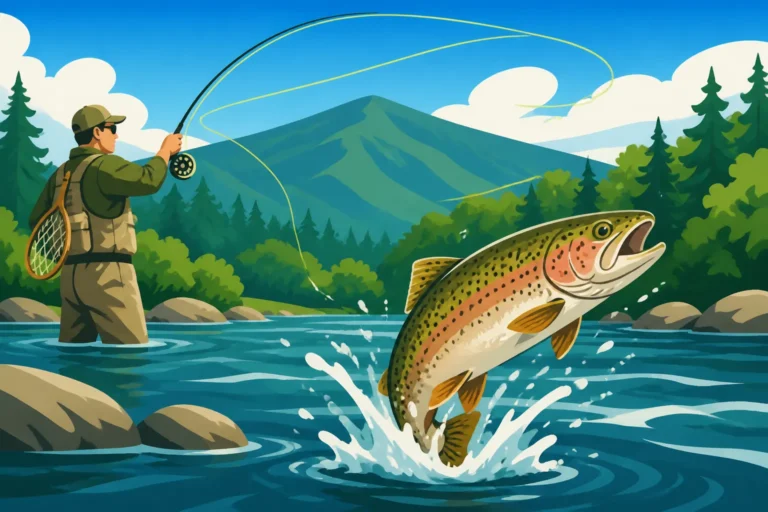
For many, fly fishing is the ultimate method for catching brook trout in streams. It's a highly immersive and often incredibly effective way to present artificial imitations of insects, which form a huge part of the brook trout's diet.
- Matching the Hatch: Fly fishing revolves around "matching the hatch" – identifying the insects currently emerging or active on the water and presenting a fly that closely imitates them. Dry flies, nymphs, and streamers each play a crucial role depending on what the fish are feeding on. This level of detail is something you can explore further in a guide specifically about "How to fly fish for trout in the Berkshires".
- Types of Flies:
- Dry Flies: Imitate adult insects on the surface (e.g., Elk Hair Caddis, Adams, Parachute Adams). They are exciting because you see the strike!
- Nymphs: Imitate aquatic insect larvae, fished subsurface (e.g., Pheasant Tail, Hare's Ear, Prince Nymph). These are often incredibly effective as trout feed heavily on nymphs.
- Streamers: Imitate baitfish or larger prey (e.g., Woolly Bugger, Clouser Minnow). Useful for larger, more aggressive trout.
- Presentation: The art of fly casting allows for delicate, accurate presentations that minimize disturbance to the water, which is paramount when targeting wary brook trout. A natural, drag-free drift is key to success, making your fly appear as a real, helpless insect.
Tips for Bait Presentation and Successful Angling
No matter what bait you choose, your approach and presentation are often just as important as the bait itself, especially when targeting the sensitive and sharp-eyed brook trout in Massachusetts streams.
Stealth and Approach
Brook trout are incredibly wary, and their survival instincts are finely tuned. A heavy footfall on the bank, a sudden movement, or a shadow cast over the water can instantly put them down. Think like a hunter, not a fisherman.
- Move Slowly and Quietly: Approach the stream bank cautiously. Avoid stomping, running, or making loud noises.
- Stay Low: Crouch down or keep a low profile as you approach and fish. This minimizes your silhouette against the sky.
- Consider Your Clothing: Avoid bright colors that stand out. Earth tones like greens, browns, and grays help you blend into the natural surroundings.
- Observe Before You Cast: Take a moment to watch the water before making your first cast. Look for rising fish, insect activity, or likely holding spots. Knowing where the fish are before you cast can prevent spooking them.
Reading the Water
Understanding where brook trout live and feed is fundamental to placing your bait effectively. They aren't just everywhere; they hold in specific areas that offer food, shelter, and favorable conditions.
- Cover is King: Look for any kind of cover: fallen trees, undercut banks, large boulders, overhanging vegetation. Trout use these spots for protection from predators and strong currents, and as ambush points for food.
- Current Seams: Where fast water meets slow water (a "seam"), trout often hold in the slower water, waiting for food to be swept past them in the faster current. These are prime feeding lanes.
- Pools and Eddies: Deeper pools provide sanctuary and often hold larger fish. Eddies (areas where the current swirls backward) are excellent spots for food to collect, making them feeding hot zones.
- Riffles: Shallow, fast-moving sections can also hold trout, especially in cooler water or during insect hatches, as oxygen levels are high and food is constantly delivered. A great read to deepen your knowledge of "Freshwater Fish Species in Massachusetts" can help identify their specific stream preferences.
Hook Size and Line Selection
Using the right tackle for stream brook trout is crucial. Overpowering tackle can spook fish and hinder a natural presentation.
- Hooks: Go small. For most natural baits like worms or crickets, a size 8 to 14 Aberdeen or bait holder hook is appropriate. For small artificials, ensure the hook matches the lure size. Using a hook that's too large can deter a brook trout from taking the bait.
- Line: Light monofilament or fluorocarbon line is best. For smaller streams, 2 to 4-pound test is usually sufficient. Lighter line is less visible to wary fish and allows for more natural bait movement. Fluorocarbon, in particular, has low visibility underwater and good abrasion resistance, which is helpful when fishing around rocks and snags. Remember that a "Massachusetts Fishing License Guide" specifies the rules for all your fishing tackle.
Remember, patience and observation are your best allies when targeting brook trout. These beautiful fish often demand a delicate touch and a keen eye, but the reward of landing a vibrant, wild brook trout from a pristine Massachusetts stream is truly unparalleled.
Bait Comparison Table for Massachusetts Brook Trout
| Bait Type | Pros | Cons | Best Conditions | Effectiveness for Wild Brook Trout |
|---|---|---|---|---|
| Natural Baits | ||||
| Red Wigglers | Strong natural scent, very appealing, small size, readily available | Can be delicate to hook, messy | All conditions, especially murky water or after rain | High |
| Crickets | Great surface action, strong visual appeal, irresistible to active fish | Harder to keep alive, seasonal availability, can attract panfish | Warmer months, clear water, surface feeding | High |
| Mealworms | Soft-bodied, easy to keep, good for smaller trout | Less natural scent than worms, can be small for larger hooks | Slower currents, pools, year-round | Medium-High |
| Small Minnows | Large meal for bigger trout, strong visual trigger | Harder to obtain/keep, can attract other predators, regulations | Deeper pools, larger streams, targeting trophy fish | Medium (for larger trout) |
| Artificial Baits | ||||
| Inline Spinners | Flash and vibration attract fish, covers water quickly, reusable | Can spook wary fish if presentation is too aggressive, snags | Moderate to fast current, clear to slightly stained water | High |
| Small Jigs | Subtle presentation, mimics various prey, versatile, reusable | Requires careful feel for strikes, light line recommended | Slower pools, eddies, vertical jigging | Medium-High |
| Dry Flies | Realistic imitation, exciting visual strikes, very subtle | Requires specialized gear and technique, weather-dependent | Clear water, active insect hatches, calmer conditions | High (with skill) |
| Nymphs | Mimics primary food source, effective when fish are subsurface feeding | Requires specialized gear and technique, indicator needed | All conditions, especially subsurface feeding | High (with skill) |
You might also be interested in "Massachusetts Freshwater Daily Catch Limits" to ensure you're always fishing within the rules, and don't forget to check if "Do You Need a Separate License to Fish for Trout in Massachusetts?" or if your general freshwater license covers it. For broader ideas on where to go, a look at "Best Fishing Spots in Massachusetts" might inspire your next adventure. And of course, always consult the "Massachusetts Freshwater Fishing Season Calendar" before heading out!
Disclaimer
The information provided in this guide is for general informational purposes only and is not intended as legal advice or a substitute for official regulations. Fishing rules and regulations in Massachusetts can change frequently. Always consult the latest official Massachusetts Division of Fisheries and Wildlife (MassWildlife) regulations before fishing to ensure compliance with all current laws, licensing requirements, and catch limits.