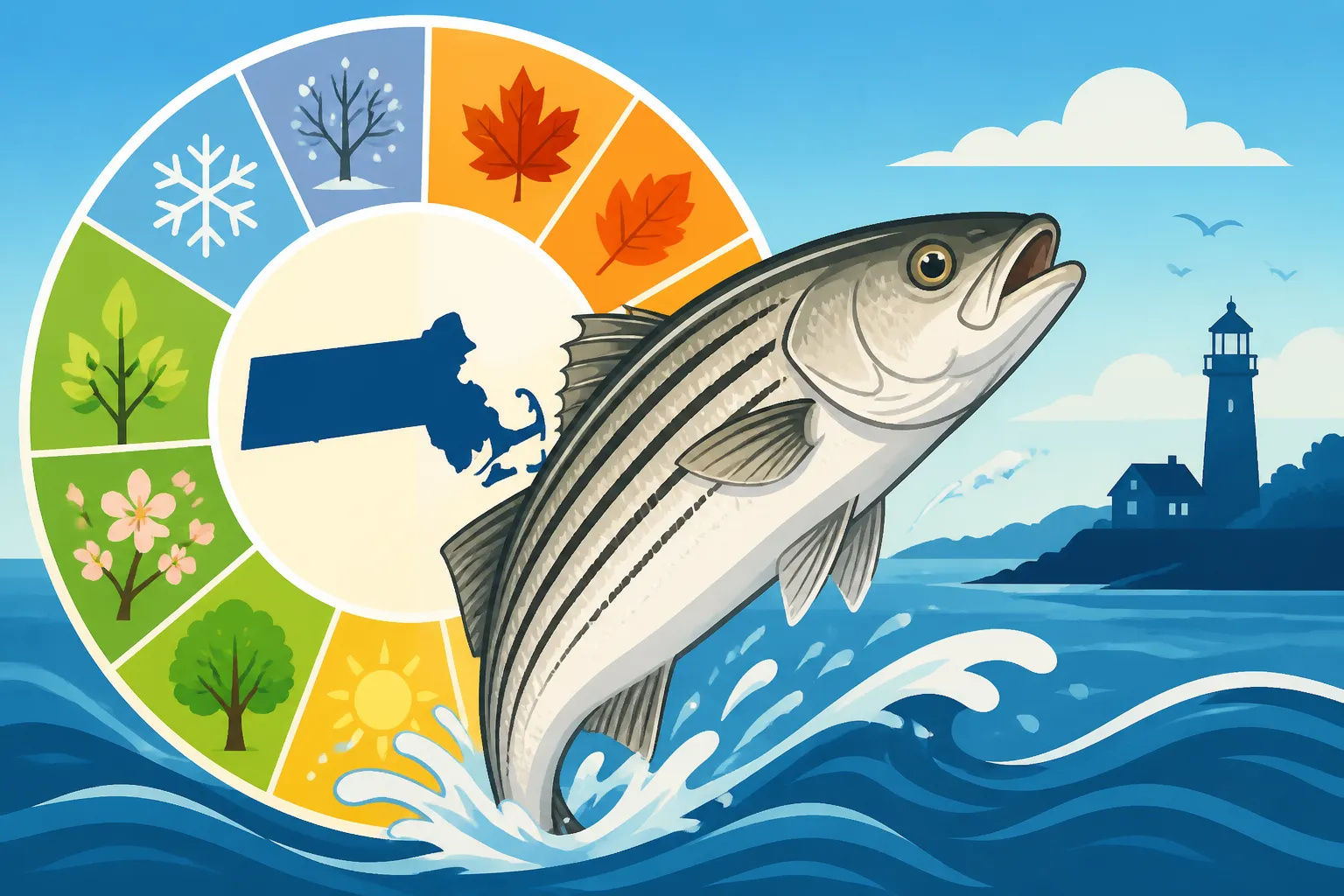
Months when striped bass fishing is open in Massachusetts
The thrill of chasing striped bass along the Massachusetts coast is something truly special, but let's be honest, figuring out exactly when you can legally keep one can feel like trying to solve a complex puzzle. With regulations shifting and the fish themselves following their own unpredictable schedule, it's easy to get confused about the prime months for striped bass fishing in the Bay State. This guide is here to untangle all that, giving you a clear picture of when these iconic fish are around, when the season is truly "open" for harvest, and what you need to know to make the most of your time on the water.
Understanding the Massachusetts Striped Bass Season Calendar
Massachusetts anglers eagerly await the arrival of striped bass each year, marking the true start of the saltwater fishing season for many. These anadromous fish are migratory, moving up and down the Atlantic coast with the changing seasons and water temperatures. This means their presence in Massachusetts waters isn't a year-round constant, and neither are the opportunities to legally harvest them. It's a dance between nature's rhythm and the carefully managed regulations set by the state and regional bodies. It can certainly be frustrating when you just want to get out there and fish, only to find the rules have changed since last year or even last month. But understanding these cycles and rules is key to a successful and compliant fishing experience.
Generally, the period when striped bass fishing is "open" and most productive in Massachusetts spans from late spring through late fall. This broad window encompasses their arrival, their summer residency, and their eventual southward migration. However, it's crucial to differentiate between simply catching a striped bass and keeping one. Regulations, especially concerning size limits and bag limits, are paramount, and you'll want to be familiar with the current Massachusetts Striped Bass Size and Bag Limit before you even cast a line. These rules are designed to protect the population and ensure sustainable fishing for generations to come, even if they sometimes feel like a moving target for the eager angler.
The Arrival: Springtime Opportunities
The first whispers of striped bass season typically begin in April, sometimes even late March if we get an unusually mild winter. These initial arrivals are often what we call "schoolies" – smaller, eager fish that lead the charge into warmer estuaries and coastal rivers as water temperatures climb into the low to mid-50s Fahrenheit. These early arrivals are usually not the legal keepers, but they offer incredible light tackle action and are a fantastic way to shake off the winter rust. It’s a time of great anticipation, as anglers start seeing those telltale V-wakes in the skinny water or getting those first satisfying tugs on their lines.
By late April and certainly into May, the larger migratory fish begin to follow suit, making their way north from overwintering grounds. Places like Buzzards Bay, the south side of Cape Cod, and various river mouths become hotbeds of activity. The fish are hungry after their long journey, making them aggressive feeders, and it's not uncommon to find them chasing baitfish into shallow areas. This is when you can start to encounter fish that might actually meet the legal size requirements. For a deeper dive into their initial migration, check out our guide on When striped bass arrive in Massachusetts waters. The early season often favors soft plastics, small plugs, and bucktail jigs, mimicking the smaller baitfish like sand eels and juvenile herring that are prevalent at this time. Many anglers stock up on these essentials on Amazon to ensure they're ready for the first bite.
Peak Season: Summer's Abundance
June, July, and August represent the heart of the striped bass season in Massachusetts. This is when the largest concentrations of fish, including the highly sought-after trophy specimens, are present and actively feeding in our coastal waters. Water temperatures are at their warmest, and baitfish are abundant, creating a vibrant marine ecosystem. From the vast expanse of Nantucket Sound to the rocky shores of Cape Ann, and of course, the legendary Cape Cod Canal, striped bass can be found in a variety of habitats, offering diverse fishing opportunities. If you're wondering about the overall best time to wet a line, our article on Best Time of Year to Fish in Massachusetts offers a comprehensive overview.
During these peak months, tactics vary widely. Surfcasters will be hitting the beaches and jetties, particularly during dawn, dusk, and nighttime hours. Boat anglers will be live-lining mackerel or pogies, trolling tube-and-worm rigs, or casting large topwater plugs and stickbaits. The fishing can be incredibly dynamic, with blitzes of feeding fish erupting as they pin bait against the surface. For those targeting bigger fish, nocturnal fishing with eels or large swimming plugs becomes a popular and effective strategy. Areas like Boston Harbor, with its countless islands and structure, and the infamous rip currents of the Cape Cod Canal, become prime hunting grounds. Many anglers find high-quality braided line, essential for strong hooksets and fighting big stripers, on Amazon before their trips.
Navigating the Fall Run and Closing Window
Just as quickly as they arrive, the striped bass begin their southward journey in the fall, creating what is affectionately known as the "fall run." This period, typically from September through November, can offer some of the most exciting and productive fishing of the entire year. However, it also brings with it the looming end of the open season for harvesting, making it a time of both exhilaration and a little sadness for anglers.
The Fall Run: A Final Burst of Action
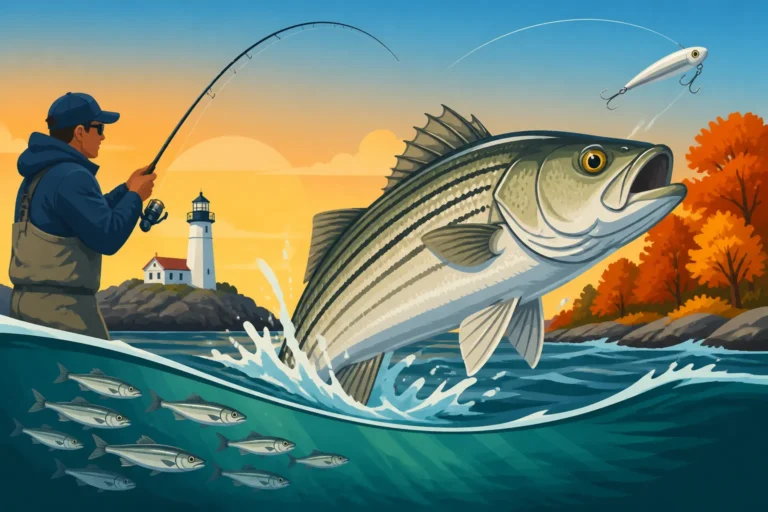
As the days shorten and water temperatures begin to drop, striped bass sense the impending winter and embark on their migration back to their southern overwintering grounds. This triggers a massive feeding frenzy as they pack on fat reserves for the long journey. They often move in large schools, chasing huge schools of baitfish like herring, bunker, and sand eels along the coast. It's a spectacular display of nature, with birds diving, baitfish showering, and the surface erupting with the telltale crashes of feeding stripers. This is a fantastic time to put into practice all those tips from our guide on How to Catch Striped Bass in Massachusetts.
The Outer Cape, with its vast beaches and abundant bait, becomes a major staging area for the fall run, drawing in anglers from all over. The South Shore and other coastal stretches also experience exceptional fishing, with large numbers of fish pushing south. During this time, both bait fishing and artificial lures can be incredibly effective. Anglers using large poppers and stickbaits can experience explosive topwater strikes, while those live-lining bait or throwing large soft plastics can hook into some real trophies. Knowing When striped bass leave Massachusetts in the fall can help you plan your last trips of the season. It’s often a last-ditch effort to get your fix before the cold truly sets in, and the fish become harder to find.
When the Season Closes: What You Need to Know
While striped bass might technically be present in Massachusetts waters year-round (some overwinter in deeper channels or power plant outflows), the harvest season for recreational anglers has clear opening and closing dates. These dates, along with specific size and bag limits, are subject to change annually based on stock assessments and management decisions by the Atlantic States Marine Fisheries Commission (ASMFC) and the Massachusetts Division of Marine Fisheries (DMF). Historically, the recreational harvest season in Massachusetts often extends through mid-December, though catch-and-release fishing can sometimes continue year-round, provided you adhere strictly to conservation practices.
It's absolutely critical to consult the most current regulations published by the Massachusetts Division of Marine Fisheries before heading out, especially as you approach the shoulder seasons. While the fish may still be biting in December, keeping one outside the legal season could result in significant penalties. Our guide on Is There a Closed Season for Striped Bass in Massachusetts? delves into these specifics, highlighting the importance of staying informed. Even when fishing catch-and-release, it's a good practice to use barbless hooks and handle fish minimally to ensure their survival, especially in colder water temperatures.
Key Factors Influencing Striped Bass Availability
Understanding the general calendar for striped bass in Massachusetts is a great start, but successful fishing often comes down to appreciating the nuanced factors that dictate their exact presence and activity levels each year. Mother Nature doesn't always read the calendar, and the fish certainly don't! The frustrating reality is that no two seasons are exactly alike, and what worked last year might not be the ticket this year. This unpredictability is part of the challenge and charm of fishing, but knowing what influences their movements can help you adjust your strategy.
The two biggest drivers, beyond the overarching migratory patterns, are water temperature and the availability of baitfish. These environmental cues can subtly shift the "open" windows for prime fishing earlier or later, depending on the conditions. It's not just about what month it is, but what's actually happening beneath the surface.
Water Temperature and Baitfish Migration
Striped bass are highly sensitive to water temperature. They prefer waters generally in the 50-70°F range. As spring progresses, it's the warming water that signals their northward migration. They'll push into estuaries and shallow bays first, where the sun warms the water more rapidly. Conversely, as fall deepens and water temperatures plummet below their comfort zone, it's the signal for them to head south. A colder-than-average spring might delay their arrival, while a prolonged warm fall could extend their stay.
The presence, type, and abundance of baitfish are equally, if not more, critical. Striped bass are opportunistic predators, following their food sources. If there's a strong run of mackerel in spring, you'll find stripers hot on their heels. If pogies (menhaden) are thick in the harbors during summer, expect the bass to be gorging on them. Later in the season, sand eels and juvenile herring become crucial bait. You can find specialized lures and fishing reports related to specific baitfish patterns on resources like Amazon or local bait shops. Keeping an eye on local bait shop reports and online forums can give you real-time clues about what bait is around and, by extension, where the stripers might be. Our guide to the Best Time of Year to Fish in Massachusetts provides more context on these seasonal shifts.
Regulatory Changes and Keeping Up-to-Date
One of the most significant and sometimes exasperating factors for anglers is the dynamic nature of fishing regulations. Striped bass are managed as a migratory species across multiple states, meaning decisions often come from interstate bodies like the Atlantic States Marine Fisheries Commission (ASMFC), which then trickle down to state-level regulations from agencies like the Massachusetts Division of Marine Fisheries (DMF). These regulations are not static; they change based on scientific stock assessments, conservation goals, and fishing pressure.
This means that while the general open months remain consistent, the specific size slots, bag limits, and even whether you can keep a fish at all can be adjusted from year to year, or even mid-season. It's not uncommon for new rules to be announced just before or during the season, catching some anglers off guard. Therefore, it's paramount to regularly check the official Massachusetts Division of Marine Fisheries website (Mass.gov/MarineFisheries) for the absolute latest rules before every trip. Don't rely solely on word-of-mouth or last year's knowledge. Staying informed is your responsibility as a responsible angler, and it helps protect the fishery for everyone. Understanding the full scope of Massachusetts Recreational Fishing Rules and Bag Limits is a part of being a prepared and ethical angler.
Here's a handy overview of the approximate striped bass activity and prime fishing months in Massachusetts:
| Month | Striped Bass Activity | Harvest Season Status (Consult DMF for current rules) | Primary Bait/Tactics |
|---|---|---|---|
| March | Very minimal, isolated overwintering fish in deep areas/warm outflows. | Closed for recreational harvest. | Rare, specialized deep water jigging. |
| April | First "schoolies" arrive, mostly smaller fish, in estuaries and warmer bays. | Usually closed for recreational harvest in early April, may open late April/early May. | Small soft plastics, bucktail jigs, light tackle. |
| May | Larger migratory fish arrive, increasing numbers, good chances for legal keepers. | Open for recreational harvest. | Mackerel, pogies, swimming plugs, soft plastics, live bait. |
| June | Peak season begins, large fish abundant, widespread activity. | Open for recreational harvest. | Live bait, eels, topwater plugs, trolling, jigging. |
| July | Prime summer fishing, strong bite, diverse methods effective. | Open for recreational harvest. | Live bait, topwater, swimming plugs, eels (night). |
| August | Excellent summer fishing, especially at night and around dawn/dusk. | Open for recreational harvest. | Live bait, eels, large plugs, bottom fishing around structure. |
| September | Fall run begins, strong feeding, fish moving through major migratory corridors. | Open for recreational harvest. | Live bait, large plugs, soft plastics, surfcasting. |
| October | Intense fall run, great action for aggressive fish. | Open for recreational harvest. | Live bait, plugs, jigs, surfcasting. |
| November | Fall run winds down, fish become less active as water cools, often larger fish remaining. | Open for recreational harvest (check exact closing date, often mid-month). | Live bait (eels), large soft plastics, patience. |
| December | Few stragglers, mostly leaving or overwintering. | Typically closed for recreational harvest. | Very limited catch and release, often futile. |
Disclaimer
Fishing regulations, seasons, and licensing requirements in Massachusetts are subject to change. Always consult the official Massachusetts Division of Marine Fisheries (DMF) website and other relevant state resources for the most current and accurate information before planning any fishing trip. This guide is for informational purposes only and should not be considered a substitute for official legal guidance.