Best tip-up bait for Massachusetts ice fishing
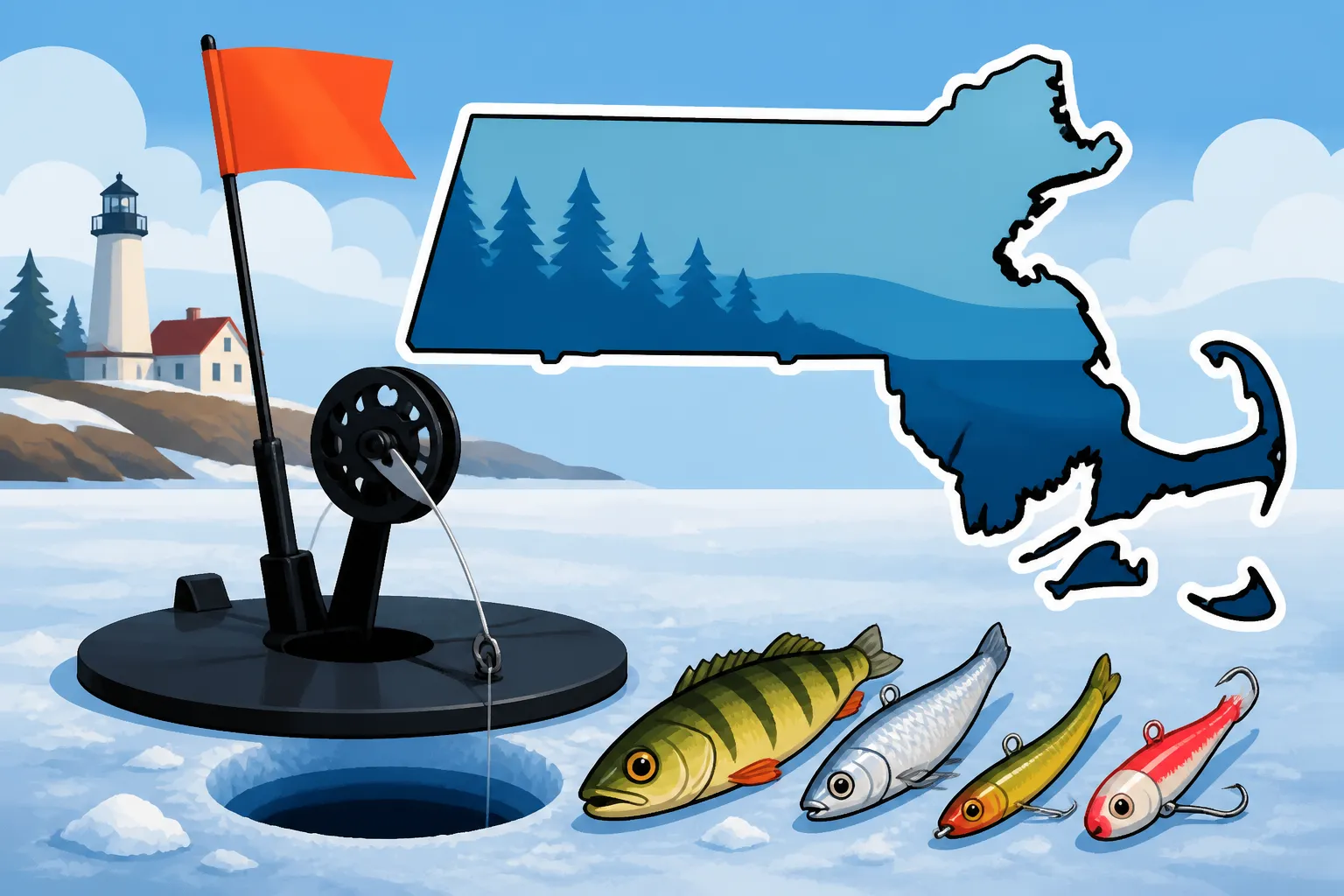
There's nothing quite like the thrill of seeing that flag fly on a tip-up, signaling a potential catch beneath the ice. But let's be real: sometimes those flags just sit there, stubborn as a frozen bucket, and you start to question everything, especially your bait choice. Figuring out the best tip-up bait for Massachusetts ice fishing can feel like a secret handshake among seasoned anglers, but it doesn't have to be. This guide is here to unravel the mystery, offering practical advice to help you pick the perfect offering to entice those frosty fish.
Understanding the Tip-Up Advantage and Bait's Crucial Role
Tip-ups are a quintessential piece of ice fishing gear, allowing you to cover more water and target a wider range of species than a single jigging rod. Their passive nature, however, means your bait has to do most of the work to attract attention. It needs to be alluring, lively (if live), and presented just right to trigger a strike when you're not actively working a lure. The effectiveness of your tip-up directly hinges on the bait you choose and how you deploy it.
Imagine you're out on a crisp winter morning on Lake Quinsigamond, the ice is thick, and the air is still. You've got several holes drilled, and your tip-ups are set. The silent vigil begins. What's going to make that flag pop? Often, it's the subtle dance of a lively shiner or the irresistible scent of a perfectly placed dead bait that draws a curious fish in. Without the right bait, your tip-ups are just decorative flags in the snow.
The Irresistible Lure of Live Bait for Tip-Ups
For many Massachusetts ice anglers, live bait is the undisputed champion for tip-ups, and for good reason. Nothing quite mimics a struggling, vulnerable prey fish like, well, a struggling, vulnerable prey fish. The natural movements, vibrations, and scent emitted by live bait are incredibly effective at drawing in predatory fish from a distance, especially species like largemouth bass, pickerel, and even larger yellow perch.
The key to success with live bait often lies in its vitality. A lively shiner darting and twitching beneath the ice is far more attractive than a sluggish one. That's why keeping your bait healthy in a well-aerated bait bucket is paramount. Common live baits used in Massachusetts include golden shiners, emerald shiners, fathead minnows, and even larger suckers for trophy-sized targets. The size of your bait should generally match the size of the fish you're hoping to catch – a tiny minnow isn't going to tempt a big bass, and a large shiner might be ignored by panfish. You'll often find these available at local bait and tackle shops, but make sure to check local regulations on baitfish transport and usage to ensure you're compliant.
When Dead Bait Can Be Your Secret Weapon
While live bait often steals the spotlight, dead bait should never be underestimated, especially in specific situations or for certain species. Sometimes, a dead bait, particularly when cut to release scent, can be incredibly effective, especially for fish that are less active or when you want to create a strong scent trail. Think of it like chumming, but in miniature, right under your tip-up.
For example, a chunk of mackerel or herring can be a fantastic choice for larger predatory fish, particularly in saltwater ice fishing scenarios where allowed, or even for pickerel and certain trout species in freshwater. Some anglers even prefer to use salted shiners or other baitfish that have been "killed" and frozen, which can be just as effective as fresh dead bait once thawed. The lack of movement can sometimes be advantageous when fish are lethargic, as it presents an easy meal without the chase. Dead bait can also be more convenient to store and transport, and you don't have to worry about keeping it alive, although you still want to keep it fresh enough not to deter fish.
Top Baits for Common Massachusetts Ice Fishing Targets
Massachusetts offers a fantastic array of fish species that can be targeted through the ice. Knowing what each species prefers can dramatically increase your success rate. It's not a one-size-fits-all situation; what works for a perch might not even get a glance from a pike.
Panfish Powerhouses: Lures for Perch, Crappie, and Sunfish
When it comes to panfish like yellow perch, black crappie, and various sunfish, you're generally looking for smaller, subtle presentations. These fish have smaller mouths and are often less aggressive than their larger predatory counterparts, requiring a more delicate approach with your tip-up offerings.
- Wax Worms and Mealworms: These are absolute panfish magnets. Their wiggling action and natural scent are hard for perch and crappie to resist. Threaded onto a small hook, they provide just enough movement to grab attention. Many anglers swear by a single wax worm under a tiny jig or bare hook for panfish under a tip-up. They're easy to find and keep, making them a staple for any serious panfish angler.
- Small Minnows/Shiners: Tiny shiners, sometimes called "rosies" or "spikes," can be incredibly effective for larger perch and crappie. Hooked lightly through the back or lips, their natural swimming action is irresistible. These are particularly good for targeting the bigger slabs of crappie that often cruise just under the ice or suspend over deeper water. Learning more about Yellow Perch Fishing in Massachusetts and Crappie Fishing in Massachusetts Ponds can give you an even deeper dive into these species' preferences.
- Grubs and Larvae: Similar to wax worms, other natural larvae can be excellent choices. Just ensure they are fresh and lively. The natural, subtle movement they provide is often all it takes to trigger a strike from finicky panfish.
Pickerel and Bass Bait Basics: Tempting the Predators
Now we're talking about the fish that really make those flags fly with a vengeance! Chain pickerel and largemouth bass are aggressive predators, and your tip-up bait needs to reflect that. They're looking for a substantial meal that looks like it's trying to get away.
- Medium to Large Shiners: Golden shiners are a classic choice here. Their flash and lively swimming action are precisely what pickerel and largemouth bass are looking for. Hook them just behind the dorsal fin, ensuring they can swim freely and enticingly. For larger specimens, you might even opt for shiners that are several inches long. Remember, when targeting these species, especially the larger ones, ensuring your leader material is up to the task is crucial, as their sharp teeth can easily cut through lighter lines. You can learn more about How to Catch Largemouth Bass in Massachusetts Ponds for additional tips.
- Suckers: For truly enormous pickerel or even northern pike (though less common in Massachusetts through the ice, some larger bodies of water may hold them), small suckers can be excellent. They're hardy and offer a significant meal. These are typically larger live bait, so ensure your tip-up and tackle can handle the size and fight.
- Dead Bait (Cut Bait): As mentioned earlier, for lethargic or wary bass and pickerel, a fresh cut bait can sometimes outperform live bait by releasing a strong scent. A chunk of a larger shiner or a small dead herring, placed near structure, can sit there and "call" fish in.
The Elusive Trout and Salmon: Specialized Tip-Up Treats
Trout, especially the beautiful stocked rainbow and brown trout found in many Massachusetts ponds, can also be caught on tip-ups, though they sometimes require a slightly different approach than bass or panfish. Landlocked salmon, found in specific waters like Quabbin Reservoir, are another exciting, albeit challenging, target. Always check the Massachusetts Fishing License Guide and specific regulations for unique bodies of water like Quabbin Reservoir Fishing Permits and Rules in Massachusetts.
- PowerBait (Trout Dough): While often used for jigging, small balls of PowerBait or similar trout dough can be rigged under a tip-up. The key is to float it slightly off the bottom, imitating a natural food source or egg. Different colors and scents can be experimented with.
- Worms (Nightcrawlers, Mealworms): A lively nightcrawler or even a few mealworms can be very attractive to trout, especially if they are recently stocked and used to feeding on natural organisms. Hook them lightly to allow for maximum wiggle.
- Small Shiners/Minnows: For larger brown trout or the elusive salmon, a small live shiner or minnow can be incredibly effective. These predatory trout are often looking for a baitfish meal. Placing this bait near drop-offs or underwater structure where trout are known to cruise can yield excellent results. Keeping an eye on the Massachusetts Trout Stocking Schedule can help you time your trips for optimal success.
Sourcing and Caring for Your Tip-Up Bait
You can have the best bait choice in mind, but if it's dead, unhealthy, or hard to find, it won't do you any good. Proper sourcing and care of your bait are just as important as the choice itself.
Where to Find Quality Bait
Finding good, healthy bait is step one. Relying on reputable sources ensures your bait is lively and legal.
- Local Bait and Tackle Shops: These are often your best bet. Staff at local shops are usually keen ice anglers themselves and can offer advice on what's biting and what bait is currently working best in nearby waters. They typically have a fresh supply of shiners, minnows, wax worms, and other popular options. Supporting these local businesses is also a great way to keep valuable resources available for the fishing community.
- Sporting Goods Stores: Larger chains like Bass Pro Shops or Cabela's will often have well-stocked bait sections, especially during ice fishing season. While they might not have the hyper-local advice of a smaller shop, their supplies are usually reliable.
- Online Retailers (for gear, not live bait): While you can't typically order live bait online, platforms like
Amazonare fantastic for stocking up on essential bait-keeping supplies. Think aerators, insulated bait buckets, small seines (if legal for you to catch your own baitfish), and other accessories that ensure your bait stays lively. A good quality aerator fromAmazoncan make all the difference in keeping your minnows kicking for hours on the ice.
Keeping Your Bait Alive and Kicking
This is crucial, especially for live bait. A dead shiner isn't nearly as effective as a lively one.
- Proper Aeration: Oxygen is vital. A battery-powered aerator in your bait bucket is a game-changer. It constantly circulates air, keeping the water oxygenated and your baitfish healthy. This is one of those items that's easily found on
Amazonand worth its weight in gold. - Temperature Control: Keep the water in your bait bucket cool, but not freezing. Extreme temperature fluctuations can shock and kill baitfish. During a day of ice fishing, an insulated bait bucket helps maintain a stable temperature. Avoid placing the bait bucket directly on the warm floor of your car or too close to a heater.
- Water Quality: Use fresh, clean water. If you're using tap water, let it sit for a day to allow chlorine to dissipate, or use a de-chlorinator. Don't overcrowd your bait bucket, as this quickly depletes oxygen and fouls the water. For longer trips, consider refreshing a portion of the water periodically if you have access to a clean source.
- Gentle Handling: Minimize handling of your baitfish. When hooking them, do so quickly and gently to reduce stress. A stressed baitfish is a less lively baitfish, and therefore, less effective.
Maximizing Your Tip-Up Success with Bait Presentation
Choosing the right bait is a huge step, but how you present it under the ice can be the difference between a soaring flag and a frustratingly still one. Presentation isn't just about what's on the hook, but how it's rigged, where it's placed, and even how often you check it.
Rigging for Different Species and Conditions
The way you rig your bait influences its action and how well it hooks a fish.
- Hook Size: This is paramount. For panfish, you'll want tiny hooks, perhaps a size 10 or 12, to avoid deterring them. For bass and pickerel, a size 4 or 6 treble hook or a larger single hook (e.g., a 1/0 or 2/0 octopus hook) is more appropriate. The hook should be large enough to hold the bait securely and penetrate a fish's mouth, but small enough not to impede the bait's natural movement.
- Hook Placement for Live Bait: For shiners and minnows, hooking them gently through the back, just behind the dorsal fin, allows them to swim naturally and stay lively. Alternatively, hooking them through the lips can also work, especially if you want them to orient head-down. Avoid hooking them through the spine, as this will quickly kill or paralyze them.
- Leader Material: For toothy fish like pickerel, a fluorocarbon leader is a good choice as it's more abrasion-resistant than mono. Some anglers even use light wire leaders, though this can sometimes reduce strikes in clearer water. For trout and panfish, a light fluorocarbon leader offers invisibility and strength without hindering movement.
- Weights: A small split shot or an appropriate amount of weight is often needed to get your bait down to the desired depth. For lively shiners, a weight might also keep them from swimming up into the ice hole. Position the weight several inches above the hook to allow the bait natural movement.
Depth and Location Strategies: Spreading Your Bets
One of the greatest advantages of tip-ups is that they allow you to fish multiple depths and locations simultaneously. This strategic spreading of your gear is key to figuring out where the fish are holding on any given day. If you're looking for more general ice fishing guidance, check out our Ice Fishing Techniques for Massachusetts Ponds article.
- Staggered Depths: Don't set all your tip-ups at the same depth. If you have five tip-ups, try one near the bottom, one midway up the water column, one suspended just below the ice, and a couple at different depths in between. Fish often hold at specific depths based on water temperature, oxygen levels, and prey location. This allows you to quickly identify the productive zone.
- Fishing Structure: If you have a map of the pond, identify underwater structures like humps, drop-offs, weed lines, or submerged timber. Position your tip-ups near these features, as they often attract baitfish and, consequently, predatory fish. For example, Tip-Up Fishing for Pickerel and Perch in Massachusetts often means finding these kinds of structures.
- Transitional Areas: The edges of deeper channels where they meet shallower flats are often prime locations. Fish will cruise these areas, moving between feeding grounds and deeper holding areas.
- Spacing Your Tip-Ups: While you want to cover ground, don't spread them so far apart that you can't quickly respond to a flag. Remember, once a flag goes up, you need to get there fast! Also, respect other anglers' space on the ice.
The Importance of Fresh Bait and Regular Checks
Even the best bait won't last forever, and a passive tip-up isn't entirely "set it and forget it."
- Refresh Your Bait: If a tip-up has been out for a long time without a bite, or if your live bait looks sluggish, consider changing it. A fresh, lively bait can often trigger a strike from fish that ignored a tired one. For dead bait, refreshing it can help maintain a strong scent trail.
- Check Your Bait: Periodically check your tip-ups, not just for flags, but to ensure your bait is still on the hook, still lively, and hasn't been picked clean by smaller bait thieves. You might find your shiner is gone, or just a skeleton remains!
- Bait Organization: Having a small tackle box or compartmented container (readily available on
Amazon) for your extra hooks, weights, and leaders makes refreshing bait quick and efficient, especially with cold fingers.
By understanding the nuances of bait selection, proper care, and strategic presentation, you'll be well on your way to more successful and exciting Massachusetts ice fishing adventures. Don't be afraid to experiment, pay attention to what's working on a particular day, and most importantly, enjoy the peace and thrill of the hardwater season! For general winter fishing preparations, don't forget to review our guide on Best Ice Fishing Gear for Massachusetts Winters.
Disclaimer
This article is for general informational purposes only and does not constitute professional advice. Laws, prices and regulations vary by location and change over time. Consult a qualified professional for guidance on your specific situation.