Best time of year to catch striped bass at the Cape Cod Canal
It's a common frustration for anglers heading to the Cape Cod Canal: you hear tales of incredible striped bass blitzes, epic catches, and non-stop action, but then you show up, conditions look perfect, and… nothing. The truth is, fishing the Canal isn't just about showing up; it's a dynamic puzzle influenced by many factors. This guide is here to help you unravel that puzzle, pinpointing the best times of year, understanding the critical role of tides, and offering actionable strategies to significantly increase your chances of hooking into some fantastic striped bass.
Understanding the Cape Cod Canal's Unique Challenges and Opportunities
The Cape Cod Canal isn't just any waterway; it's a man-made marvel, carving a path between Buzzards Bay and Cape Cod Bay, and acting as a superhighway for marine life, especially striped bass. But this unique environment also presents distinct challenges that can baffle even seasoned anglers. Imagine trying to fish in a fast-moving river that changes direction every six hours – that's the Canal, and understanding its rhythm is the first step to success.
The Dynamic Environment of the Canal
What makes the Canal so special, and sometimes so maddening, are its incredibly strong currents. We're talking about flows that can reach up to 5 miles per hour, often called "the ditch" for good reason. These currents aren't just moving water; they scour the bottom, creating intricate rips, eddies, and holes that act as prime ambush points for hungry stripers. When the tide changes, the entire water column shifts direction, completely altering the fishing dynamics. This constant flux means that a spot that was dead quiet on an incoming tide might explode with activity on an outgoing tide, or vice versa. It demands constant adaptation and a deep respect for the power of the water.
Beyond the currents, the Canal's bottom structure and shoreline features play a huge role. There are deep holes, rocky ledges, bridge abutments, and riprap edges that all hold fish. Identifying these structural elements and understanding how the current interacts with them is key. Often, the bass will position themselves in current breaks or behind structure, waiting for baitfish to be swept past them. This is where local knowledge and a good depth finder (if you're in a boat) come into play. Even from shore, knowing the general contours and where the bait tends to get funneled can make all the difference.
Why Striped Bass Love the Canal
Despite its challenges, striped bass absolutely flock to the Cape Cod Canal, making it one of the most famous striper fishing destinations on the East Coast. The primary reason is simple: food. The Canal serves as a crucial transit point for massive schools of baitfish, including river herring, mackerel, and bunker (menhaden), moving between Cape Cod Bay and Buzzards Bay. For a striped bass, it's like an all-you-can-eat buffet that comes right to them, with the strong currents doing most of the work to present the meal.
Furthermore, the Canal's oxygen-rich waters and diverse structure provide ideal habitat for stripers throughout their migratory journey. It's a convenient shortcut, saving them a long trip around the Outer Cape. As these anadromous fish migrate north in spring and south in fall, the Canal acts as a funnel, concentrating them in relatively narrow confines. This concentration is what leads to those legendary "blitzes" where the water boils with feeding fish, creating an electrifying experience for anglers lucky enough to be there. The abundance of food and the efficient travel corridor make it an irresistible magnet for striped bass of all sizes, from schoolies to genuine trophy-class fish.
Peak Seasons for Striped Bass Action at the Cape Cod Canal
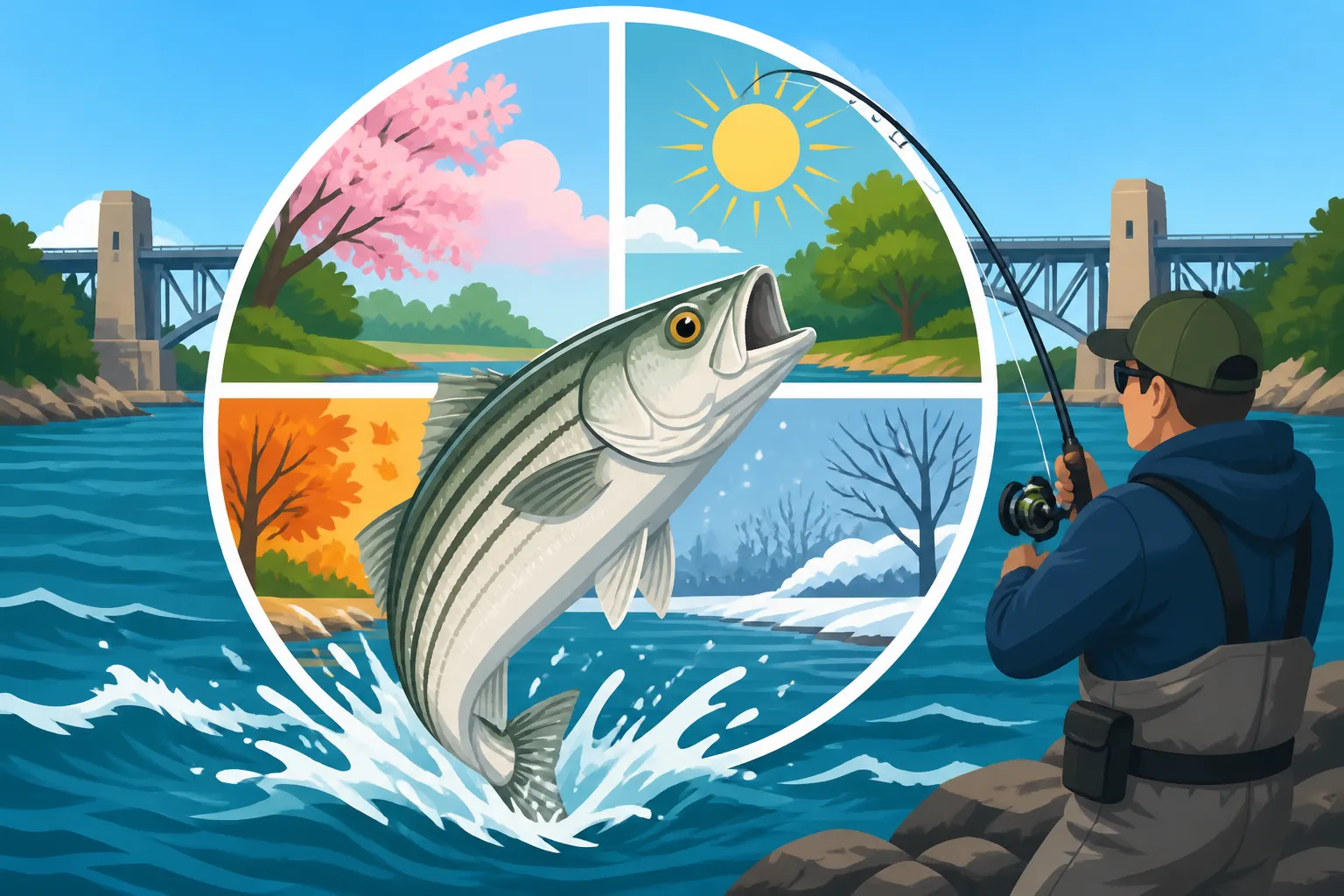
While the Canal can produce fish almost any time of year once the stripers arrive, there are definitely peak seasons when your chances of encountering significant action, especially with larger fish, skyrocket. Understanding these windows of opportunity is crucial for planning your trips.
Spring Run: Early Excitement (May to Early June)
The spring run at the Cape Cod Canal is a time of palpable excitement, marking the official arrival of striped bass into Massachusetts waters. Generally, you can expect the first waves of schoolie stripers (smaller, younger fish) to begin appearing in late April or early May. These initial arrivals are often feisty, eager to feed after their long migration north from their wintering grounds. They're typically not the monster bass you dream of, but they offer fantastic light-tackle action and are a welcome sign of the season to come.
As May progresses into early June, the size of the fish tends to increase. This is when the larger, migratory bass start to push through, hot on the heels of the massive schools of river herring that migrate into the Canal and its tributaries. These herring runs are a key food source, and where the bait is, the big bass won't be far behind. Anglers will start to switch from smaller lures to those that mimic the larger herring, hoping to entice a trophy fish. The atmosphere along the Canal banks during this time is electric, with anglers casting shoulder-to-shoulder, anticipating that telltale strike. Early season tactics often involve using soft plastics and smaller jigs, as the bass might be a bit more finicky. For more details on their migration, check out our guide on When striped bass arrive in Massachusetts waters.
Summer Blitz: Prime Time (Mid-June to August)
If there's one time of year that screams "Cape Cod Canal striped bass fishing," it's the summer months. From mid-June through August, the Canal is often a hive of activity, both for fish and fishermen. This is when the largest numbers of baitfish—mackerel, pogies (menhaden), and even squid—are moving through, creating prime conditions for consistent and often spectacular striped bass action. The fish are settled into their feeding patterns, aggressively chasing down bait.
During the summer, you'll find bass feeding around the clock, though the early morning, late evening, and overnight hours often produce the biggest fish. Daytime action can be explosive, too, especially on strong tides when massive schools of bait get pinned against the banks or caught in rips. This is the time for classic Canal techniques like jigging with heavy lead jigs (like those from Guppy Lures or Smack-It) or throwing large topwater plugs that create a commotion. The constant influx of bait keeps the bass well-fed and active, making these months incredibly productive. You'll find a wide variety of excellent options for Best lures for the Cape Cod Canal, many of which you can conveniently find on Amazon for quick delivery right to your door.
Fall Run: Farewell Feast (September to November)
As the summer crowds thin and the air takes on a crisp autumn chill, the Cape Cod Canal experiences its renowned fall run. This period, typically from September into November, can be just as, if not more, productive than the summer months, especially for anglers targeting larger, trophy-sized striped bass. The fish are intensely focused on feeding, gorging themselves on baitfish as they prepare for their long migration south to their wintering grounds.
The fall run is often characterized by aggressive blitzes, sometimes lasting for hours, as bass corral schools of mackerel, peanut bunker, or eels. The fishing can be incredibly dynamic, with fish sometimes breaking the surface right at your feet. Anglers will often switch to larger swimming plugs, live eels (especially at night), or large soft plastics to entice these hungry, outgoing fish. The energy is different from the summer; it's less about the sheer number of schoolies and more about the quality of the fish. This final push before the colder weather sets in offers some of the most memorable fishing experiences of the year. To learn more about this southbound journey, read our article on When striped bass leave Massachusetts in the fall.
| Season | Typical Dates | Primary Baitfish | General Action | Best Lure/Bait Types | Notes |
|---|---|---|---|---|---|
| Spring Run | Late April – Early June | River Herring, Alewives | Schoolies, then larger fish | Smaller Jigs, Soft Plastics, Swimming Plugs | First wave of migratory fish, increasing size |
| Summer Blitz | Mid-June – August | Mackerel, Pogies, Squid | Consistent, often explosive | Heavy Jigs, Topwater Plugs, Live Eels | Peak season, day & night action, aggressive |
| Fall Run | September – November | Mackerel, Eels, Peanut Bunker | Larger fish, intense blitzes | Live Eels, Large Swimming Plugs, Large Soft Plastics | Fish feeding heavily for migration, potential for trophies |
Tides, Time of Day, and Weather: The Unsung Heroes
While knowing the best time of year is a huge advantage, truly mastering the Cape Cod Canal requires a deep understanding of the daily factors that influence striped bass behavior. The tides, the time on the clock, and even the weather can turn a slow day into a spectacular one, or vice versa.
Mastering the Tides
This cannot be stressed enough: tides are everything at the Cape Cod Canal. You could be fishing during the absolute peak of the fall run, but if the tide isn't right, you might as well be casting into a bathtub. The strongest currents, which often bring the most active feeding, typically occur during the middle phases of both the incoming and outgoing tides. This is when the water is moving fastest, sweeping baitfish past the waiting stripers. The prime time is usually an hour or two on either side of the dead low or dead high slack tide.
Slack tide, the brief period when the current almost stops before reversing direction, can be notoriously slow, as the bait isn't moving, and the bass often become less active. However, sometimes a large bass will cruise through during slack water, so it's not always a complete waste. What's crucial is to consult a detailed tide chart for the Cape Cod Canal, not just general coastal tides, as the Canal's unique geography creates its own specific current schedules. Understanding when the water will be rushing and in which direction is fundamental to positioning yourself for success. Many seasoned Canal anglers plan their entire day around these movements, knowing that a strong current is key to the action. For a detailed breakdown, explore our guide on Best tide for fishing the Cape Cod Canal. Similarly, mastering techniques for specific tidal flows, such as learning How to fish a falling tide at the Cape Cod Canal, can give you a significant edge.
Day vs. Night Fishing
The debate between day and night fishing at the Canal is an age-old one, and both have their merits. During the day, especially on strong tides, you can witness those incredible surface blitzes where gulls are diving, and stripers are crashing bait right in front of you. It's a visual spectacle, and you can often see exactly what you're casting to. Topwater plugs and heavy jigs are highly effective during daylight hours, allowing you to cover water and mimic frantic baitfish.
However, many of the largest, most elusive striped bass are often caught under the cover of darkness. Night fishing reduces fishing pressure and allows these larger fish to hunt more boldly. Live eels are particularly deadly at night, and anglers casting large swimming plugs or soft plastics can also find great success. The full moon and new moon phases can amplify tidal currents, often leading to more intense feeding activity at night. If you're serious about targeting a trophy striper, putting in time after dark is often a necessity. You can dive deeper into this specialized approach by reading How to fish the Cape Cod Canal at night for stripers.
Weather's Influence
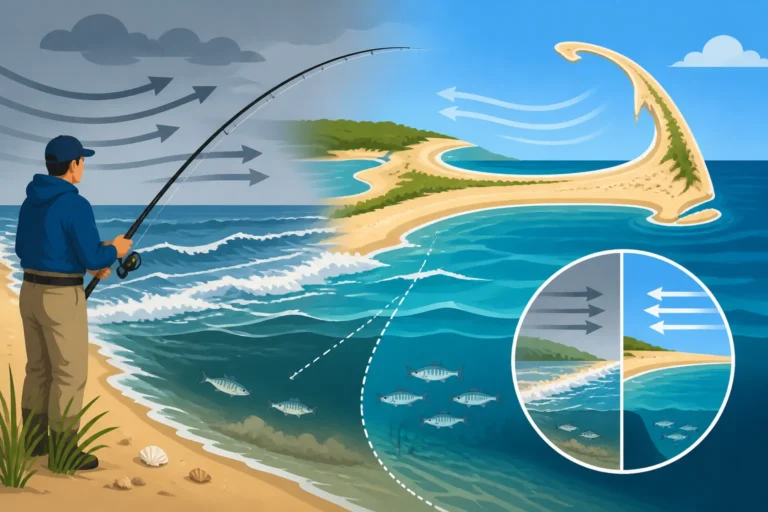
While tides are paramount, weather also plays a significant role in Canal fishing. Anglers often observe that an east wind can "shut down" the Canal, making fishing tough. This isn't a hard and fast rule, but it's a widely held belief among regulars. Conversely, a steady southwest wind can sometimes push bait into the Canal from Buzzards Bay, stirring up the bass. Barometric pressure changes, especially a dropping barometer before a storm, can trigger aggressive feeding as fish sense a change coming.
Fishing right after a storm, once the water settles, can also be incredibly productive. The churned-up water can disorient baitfish and wash out crabs and other forage, presenting an easy meal for stripers. However, safety is always paramount, so never venture out in unsafe conditions. Always check the marine forecast in addition to your local weather. Understanding How wind direction affects surf fishing on Cape Cod provides excellent insights, which often apply to the Canal as well, especially on the more exposed sections.
Essential Gear and Strategy for Canal Stripers
Having the right gear and a solid strategy can be the difference between a frustrating day of lost lures and a memorable day of tight lines. The Cape Cod Canal demands specialized equipment to handle its powerful currents and formidable fish.
Rod, Reel, and Line Selection
For the Cape Cod Canal, you need gear that can take a beating and deliver power. This isn't a place for light freshwater setups. A heavy-duty surf casting rod, typically between 10 to 12 feet long, is essential for launching heavy jigs and plugs far out into the current. Look for rods with a fast action and a strong backbone to handle fish that can easily exceed 30 pounds in powerful currents. Pair this with a robust spinning reel, sized 6000 to 10000, known for its strong drag system and high line capacity. Durable models from brands like Penn, Shimano, or Daiwa are popular choices among Canal regulars.
When it comes to line, braided line is the undisputed champion for Canal fishing. Its lack of stretch provides incredible sensitivity, allowing you to feel every bump and subtle take, even with a lot of line out in a strong current. It also offers superior casting distance and strength for its diameter. Most anglers spool up with 40 to 65-pound test braided line, often with a fluorocarbon leader of 40 to 80-pound test to protect against abrasion on the rocks and provide a bit of shock absorption. You can find a vast selection of durable surf rods and heavy-duty reels suitable for the Canal on Amazon, often with helpful reviews from other anglers.
Lures and Bait
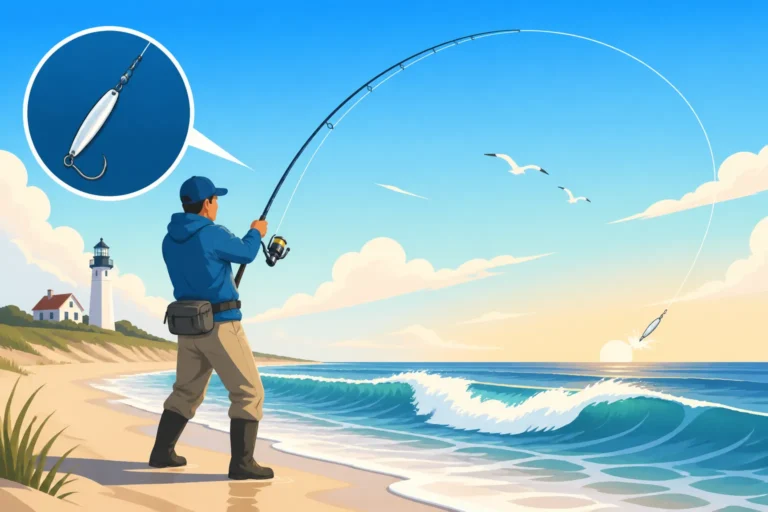
The Cape Cod Canal is primarily a lure fishery, though live eels are king after dark. When it comes to lures, heavy jigs are a must-have. Lead jigs, often referred to as "Canal jigs" or "Guppy jigs," weighing anywhere from 2 to 6 ounces (or even more), are designed to get down to the bottom quickly in the strong current. Popular brands like Guppy Lures and Smack-It Jigs are staples. These are fished with a "fast retrieve and jigging" motion, mimicking fleeing baitfish. Our guide on Jigging Techniques for Cape Cod Canal Stripers offers excellent details on this highly effective method.
Topwater plugs, like poppers and spook-style lures, are incredibly exciting when bass are busting on the surface. They create a commotion that drives fish wild. Swimming plugs, both soft and hard-bodied, are also highly effective, particularly when retrieved with the current. For night fishing, nothing beats a live eel, which can be fished on a simple rig or cast out to slowly drift in the current. Always carry a variety of lures to match the available bait and current conditions. Many of these effective lures, including different sizes of jigs and soft plastics, are readily available on Amazon, allowing you to stock up before your trip. Additionally, it's always good to be aware of the Legal size for keeping striped bass in Massachusetts so you know if your catch is a keeper.
Safety First
Fishing the Cape Cod Canal can be exhilarating, but it also carries inherent risks due to the strong currents and rocky shoreline. Safety should always be your top priority. Wading out onto the slippery, current-swept rocks can be dangerous, especially at night or during strong tides. Always wear appropriate footwear with good grip, like Korkers or studded boots, and consider a wading belt.
Be acutely aware of boat traffic, especially around the bridges, as vessels move quickly through the Canal. If fishing at night, a headlamp is absolutely essential for navigating the shoreline, tying knots, and handling fish safely. Never fish alone if possible, and always let someone know where you're going and when you expect to return. The power of the Canal is awe-inspiring, but it demands respect and caution.
Disclaimer
Please note that fishing regulations, including licensing requirements, bag limits, and seasons, are subject to change. Always consult the latest Massachusetts Division of Marine Fisheries (MassDMF) regulations before heading out. This guide is for informational purposes only and does not constitute legal advice.